Buying kitchen cabinets is a long-term decision. Beyond the design, material, layout, and price, a clear kitchen cabinet warranty helps you understand what support may be available if a covered product issue appears after delivery or installation.
A warranty should not replace careful planning, proper installation, or routine maintenance. However, it can give homeowners a practical framework for reviewing product coverage, exclusions, documentation, and the process for reporting a concern. This guide explains what to look for before you order custom cabinets, so you can compare suppliers with greater confidence.

What Is a Kitchen Cabinet Warranty?
A kitchen cabinet warranty is a written commitment from a manufacturer, supplier, or installer that explains how certain product defects or service issues may be handled within defined terms. It usually identifies the covered components, the duration of coverage, the conditions that apply, and the available remedy.
Depending on the agreement, a warranty may cover a defect in materials or workmanship, such as a cabinet door that is manufactured incorrectly, a drawer system that does not function as intended, or hardware that fails under normal residential use. It does not automatically mean that every change in appearance or every issue in the kitchen will be covered.
Before ordering, ask for the warranty document in writing and read it alongside the quotation, drawings, specification sheet, and installation agreement. The U.S. Federal Trade Commission also provides general guidance on understanding consumer warranties at FTC Consumer Advice.
What Should a Kitchen Cabinet Warranty Cover?
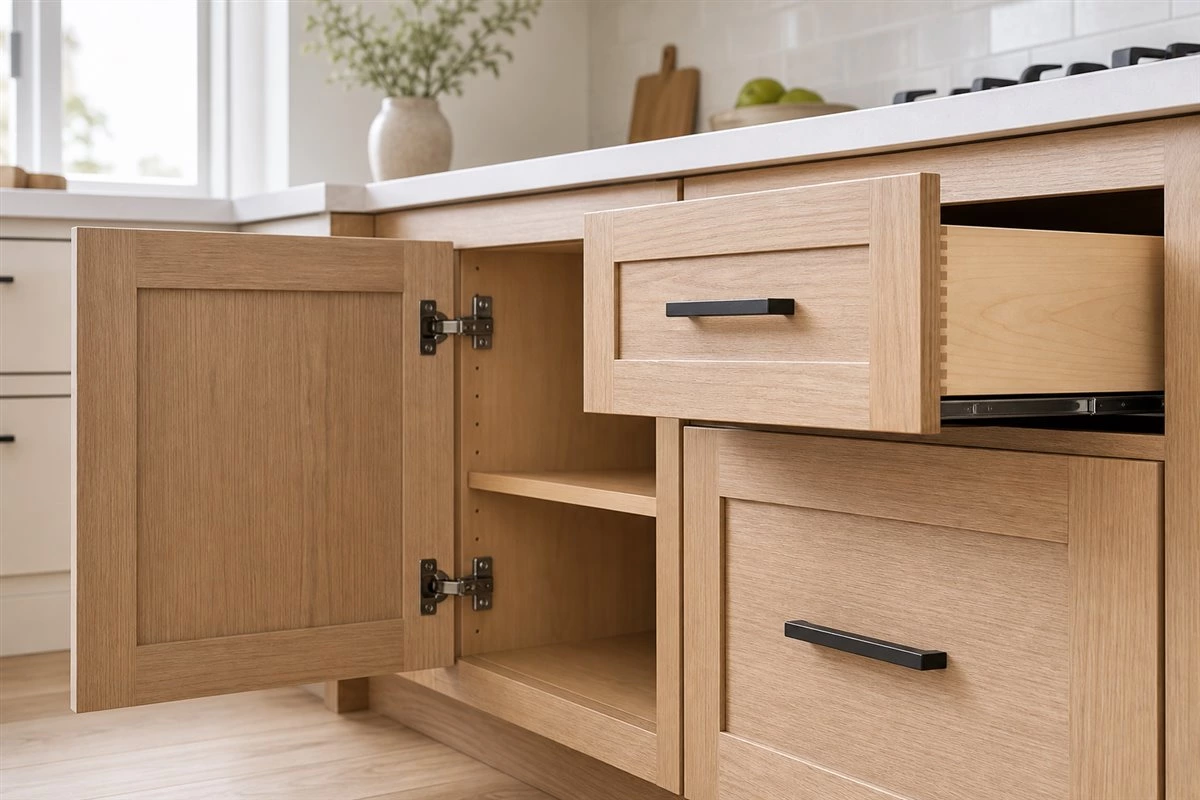
Coverage differs from one supplier to another, but a useful kitchen cabinet warranty should clearly distinguish between cabinet components and explain which issues are considered manufacturing defects. Review each category instead of relying only on a headline such as “limited warranty” or “lifetime warranty.”
Cabinet Boxes and Structural Components
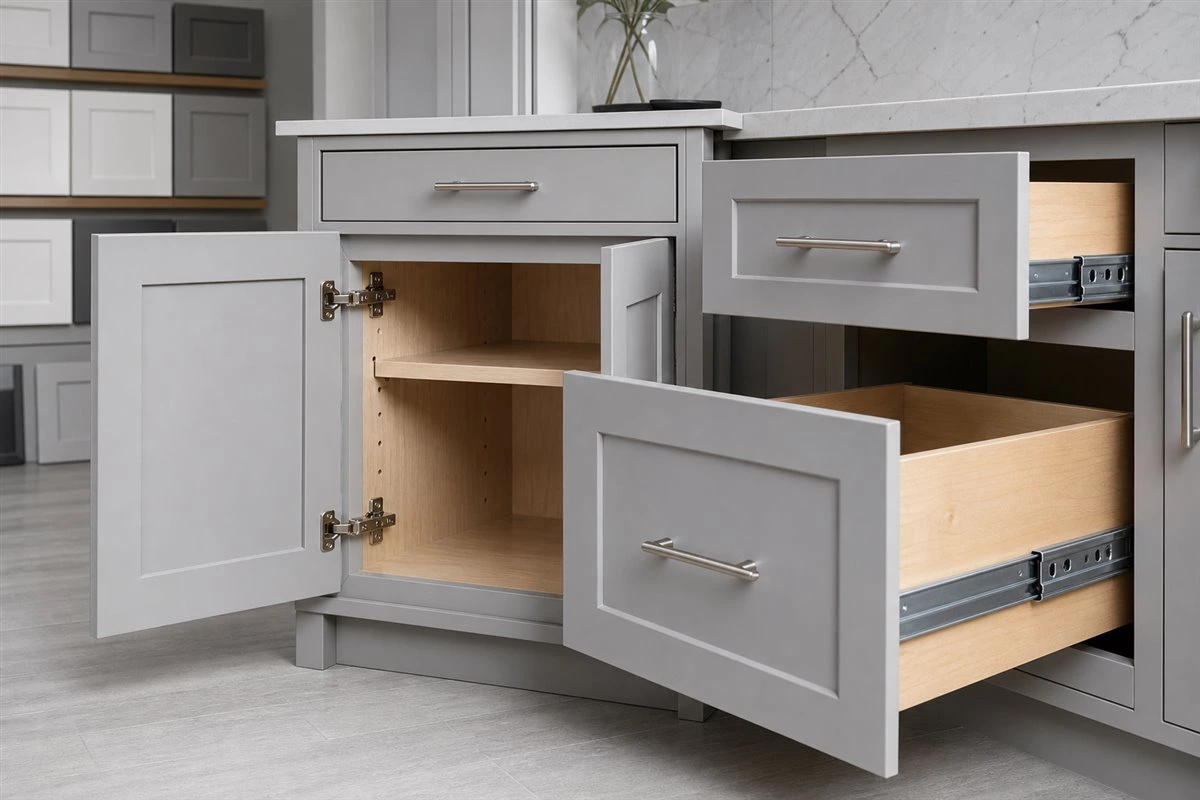
The cabinet box is the working structure behind the visible doors and drawers. A warranty may address defects in cabinet panels, shelves, joinery, or structural assembly when these components fail under intended use. Ask how the supplier defines a structural defect and whether the coverage differs for base cabinets, wall cabinets, tall cabinets, and bathroom cabinetry.
Doors, Drawer Fronts, and Finished Surfaces
Cabinet doors and drawer fronts are the most visible parts of a kitchen. Check whether the written terms address defects such as material separation, unusual cracking, finish failure, or manufacturing-related warping. Natural materials may vary in grain, color, and texture, so a warranty often separates expected material variation from a true defect.
Hinges, Drawer Slides, and Other Hardware
Hardware has a major effect on daily kitchen performance. Confirm whether hinges, soft-close mechanisms, drawer slides, pull-out organizers, and lift-up systems are covered under a separate hardware warranty. For practical hardware planning, see our Kitchen Cabinet Hardware Guide.
Common Kitchen Cabinet Warranty Exclusions
Just as important as the coverage section is the exclusions section. Most warranties are limited documents, meaning that they apply only to specified conditions. Reading exclusions in advance helps prevent unrealistic expectations after installation.
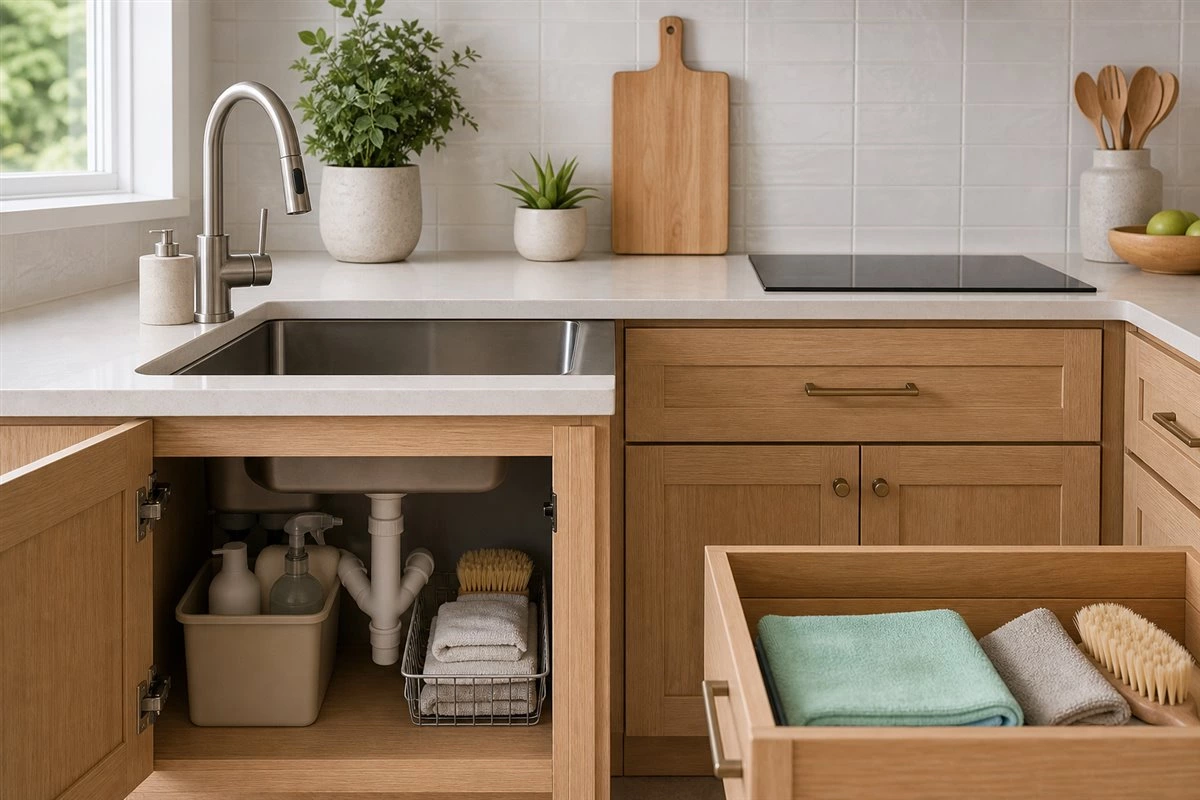
- Water, steam, heat, or humidity damage: Excess moisture, standing water, leaking plumbing, steam exposure, or heat beyond normal use may affect cabinet materials and finishes.
- Improper installation: Cabinets installed out of level, attached to unsuitable surfaces, or altered during installation may not qualify for product warranty coverage.
- Normal wear and aging: Minor scratches, expected finish changes, ordinary wear, and small variations in natural wood are often not considered defects.
- Misuse or overloading: Overloaded shelves, drawers used beyond their stated capacity, and improper cleaning products can create avoidable damage.
- Unauthorized alterations: Cutting cabinet boxes, replacing components, refinishing doors, or modifying hardware without approval may affect coverage.
- Appliances, countertops, plumbing, and electrical work: These items are commonly covered by their own product or service agreements rather than the cabinet warranty.
For example, a cabinet that has been exposed to a long-term sink leak may require an assessment of the leak source, installation condition, and material damage. This is why documenting your kitchen after installation and resolving water leaks quickly are both important.
Understand Manufacturer, Delivery, and Installation Responsibilities
A cabinet project may involve several parties: the cabinet manufacturer, the supplier, the shipping company, and the installation team. Their responsibilities are not always the same. A manufacturing warranty may address a product defect, while delivery damage may need to be reported within a short inspection period. Installation workmanship may be covered under a separate agreement.
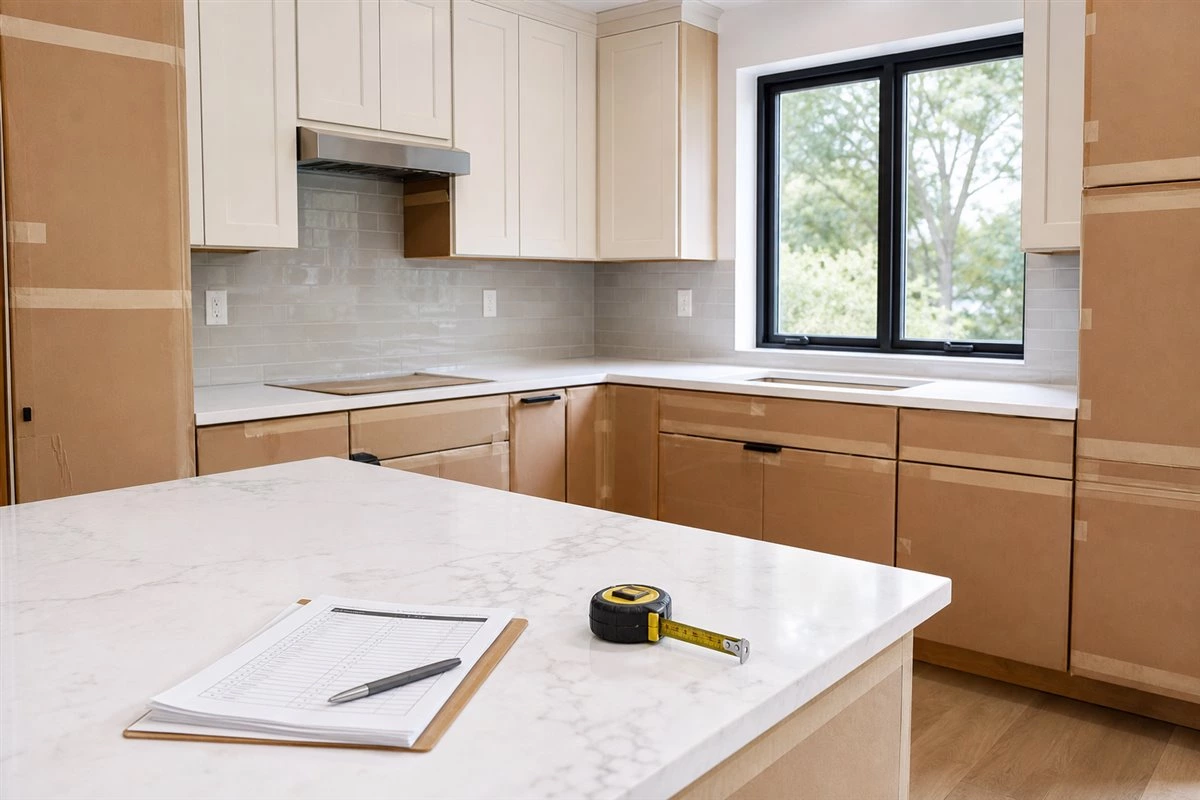
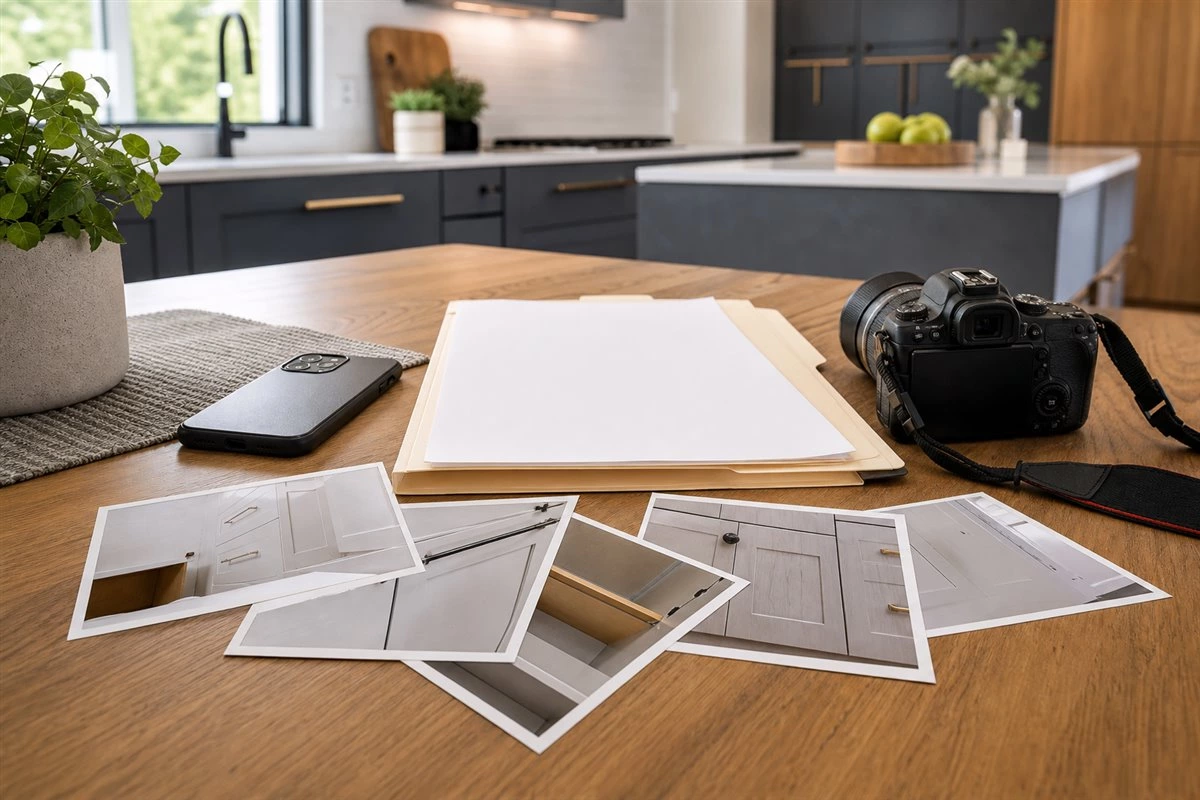
Before you sign off on delivery, inspect the packaging and visible cabinet components. Photograph any dents, broken glass, missing parts, or damaged corners before installation begins. Keep the delivery receipt, packing list, approved drawings, and any communication about the issue.
Proper installation also supports cabinet performance. Review our Kitchen Cabinet Installation Guide to understand why level walls, accurate measurements, secure fixing, and correctly adjusted doors matter.
How to Compare Kitchen Cabinet Warranties
Do not compare warranties only by the number of years shown on a brochure. A longer term can still have narrow coverage, while a shorter but clearly written warranty may provide more useful support. Compare the details line by line.
| What to Compare | What to Ask |
|---|---|
| Covered components | Are cabinet boxes, doors, finishes, hinges, drawer slides, and organizers listed separately? |
| Length of coverage | Does the term differ for cabinet construction, finishes, and hardware? |
| Who is covered | Does coverage apply only to the original purchaser, and is it transferable after a home sale? |
| Available remedy | Will the supplier repair, replace, provide a comparable part, or use another stated solution? |
| Labor and shipping | Are removal, reinstallation, site visits, labor, or freight included or excluded? |
| Claim deadline | How quickly must delivery damage or a later concern be reported? |
For quality-focused cabinet selection, you can also review the KCMA Quality Certification information. Certification and warranty coverage are different, but both can be useful parts of your supplier evaluation.
Questions to Ask Before Ordering Custom Cabinets
Ask warranty questions before production starts, not after a problem occurs. A professional supplier should be able to explain the terms clearly and provide supporting documents.
- Can I receive the complete kitchen cabinet warranty in writing before placing the order?
- Which materials, finishes, and hardware brands are included in my specific cabinet specification?
- What is considered a manufacturing defect under this warranty?
- Which conditions are excluded, especially water exposure, heat, cleaning products, and improper installation?
- Does the warranty include replacement parts only, or are labor and shipping also addressed?
- What should I do if I find damage at delivery or notice an issue after installation?
- What photos, order documents, and proof of purchase are required for a claim?
- Does changing hardware or modifying cabinet panels affect the warranty?
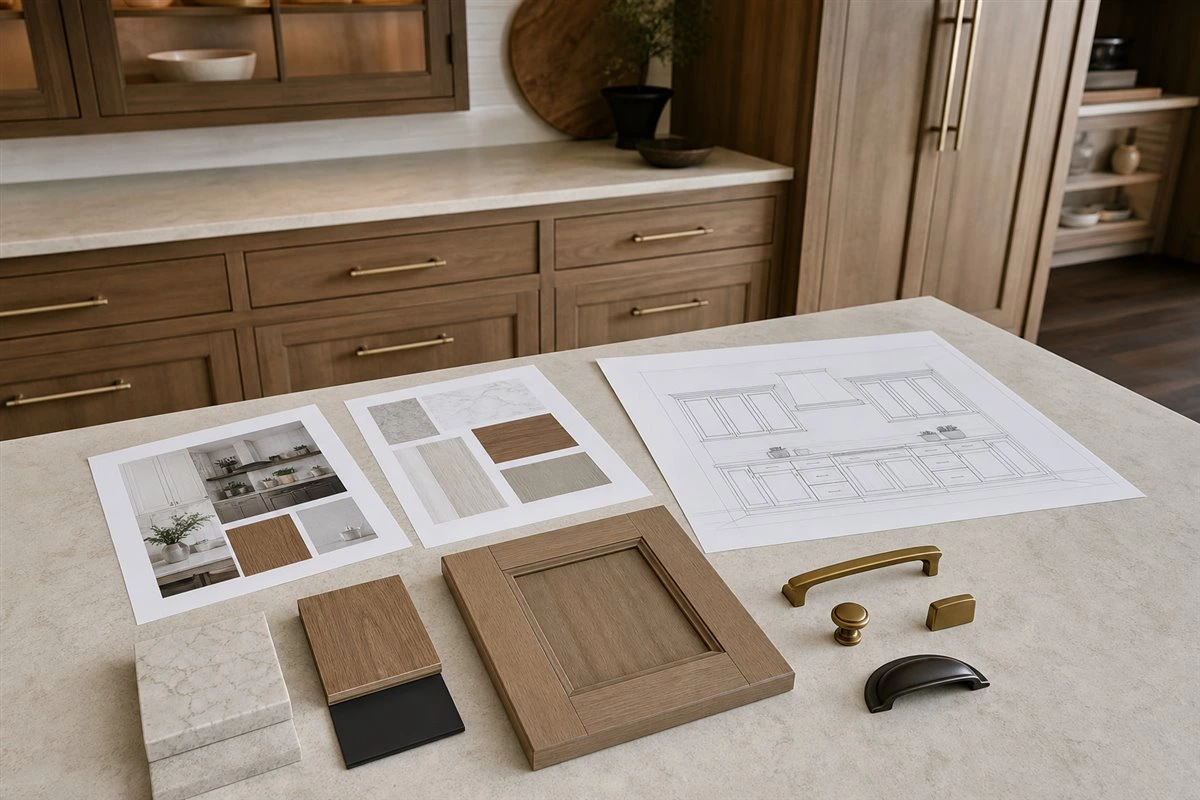
It is also smart to confirm the materials used in the project. If you are still comparing cabinet construction, read MDF vs. Plywood Cabinets: Which Is Better for Custom Kitchen Cabinets?.
How to Protect Your Kitchen Cabinet Warranty
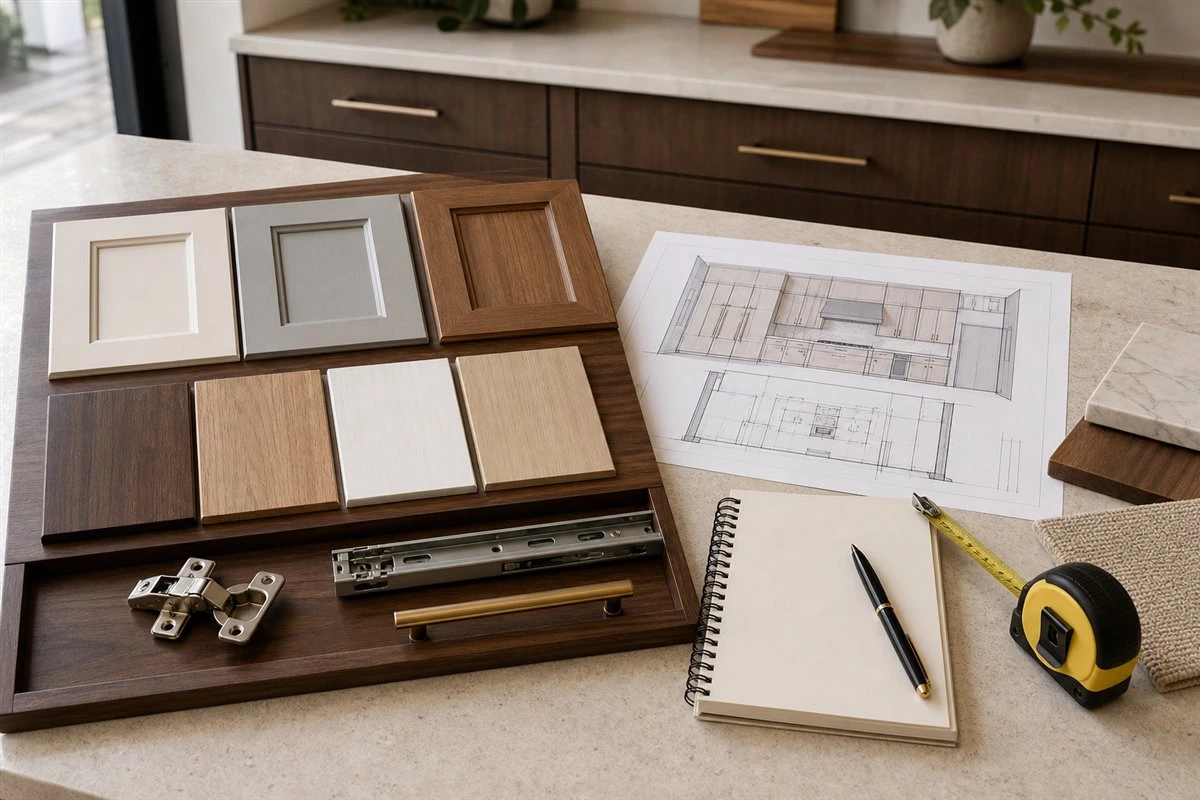
Good documentation and reasonable maintenance make it easier to identify a genuine product concern and communicate with the appropriate party. Create a simple project file that contains your quotation, order confirmation, approved drawings, material list, warranty documents, delivery records, invoices, and installation photos.
After installation, inspect cabinet alignment, door gaps, drawer movement, hardware function, and visible finish quality. Report any concern promptly using clear photos and a written description. During everyday use, clean cabinet surfaces with appropriate mild products, dry spills quickly, avoid hanging excessive weight on doors, and follow any care instructions supplied with your cabinetry.
What to Do When You Need to Make a Claim
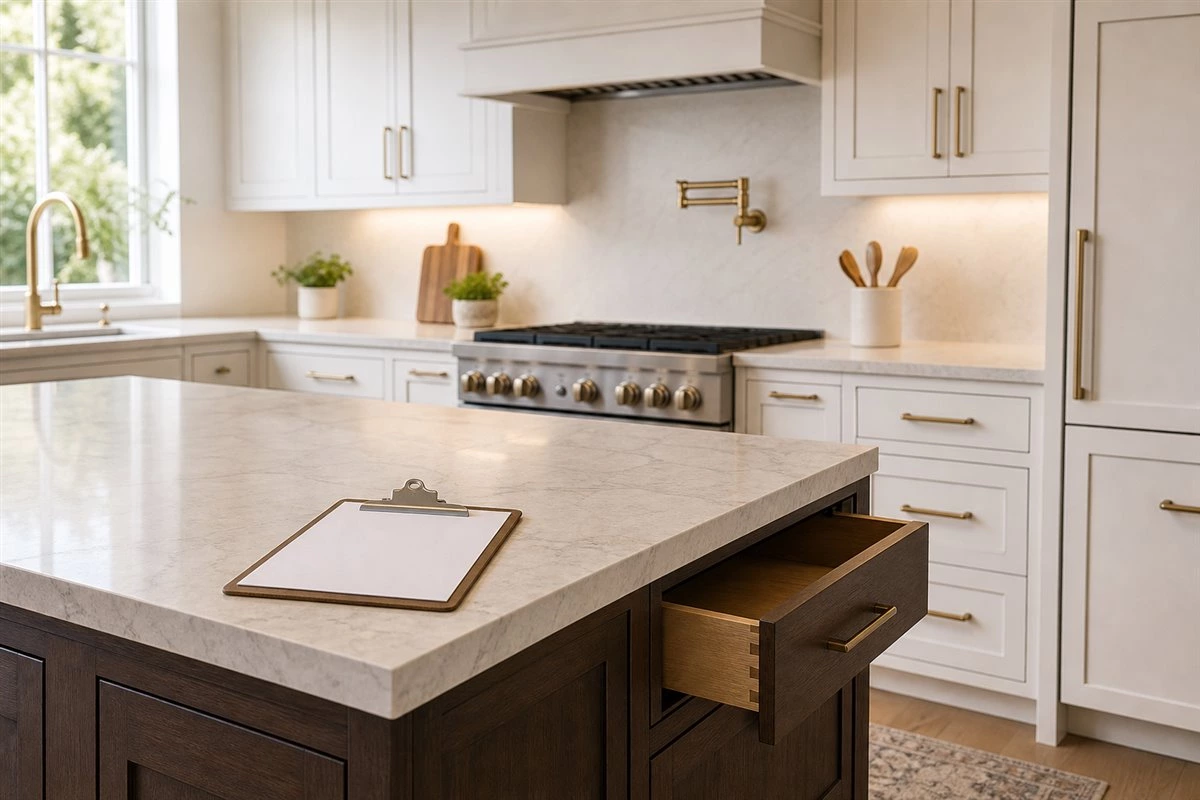
If you believe an issue may be covered, start with a calm and organized report. Contact the supplier or the party named in the warranty document. Include your order number, purchase date, photographs, a concise explanation of the issue, and any relevant installation or maintenance information.
A typical claim process may include an initial review, a request for additional photos or measurements, an inspection when appropriate, and a decision based on the written terms. Depending on the situation, the proposed resolution may involve adjustment, repair, replacement of a component, or another remedy specified by the warranty. Do not remove or modify the affected part unless the supplier instructs you to do so, as this may make assessment more difficult.
For broader purchasing preparation, our guide to 10 Mistakes to Avoid When Buying Custom Kitchen Cabinets can help you plan specifications, budget, and supplier questions before ordering.
Kitchen Cabinet Warranty FAQ
Does a kitchen cabinet warranty cover water damage?
Usually, water damage caused by plumbing leaks, flooding, standing water, or long-term moisture exposure is excluded. Always review the supplier’s exact written terms, because coverage varies by product and provider.
Are hinges and drawer slides covered by a cabinet warranty?
They may be covered, but hardware often has separate terms from cabinet boxes and doors. Ask which hardware brand is included and request the applicable warranty information.
Does a warranty cover installation?
A manufacturer’s cabinet warranty and an installer’s workmanship warranty are often separate. Confirm who is responsible for installation-related adjustments, alignment issues, and service visits.
Should I inspect cabinets before installation?
Yes. Inspecting visible items at delivery and documenting any concern promptly helps distinguish shipping damage from later installation or use-related issues.
Choose Cabinets With Clear Long-Term Support
A strong kitchen cabinet warranty is not simply a marketing phrase. It is a practical document that explains what is covered, what is excluded, who is responsible, and how to request support. Reviewing it before ordering helps you compare suppliers more carefully and protect your investment after installation.
When selecting custom cabinets, combine warranty review with accurate measurements, durable materials, quality hardware, a clear installation plan, and realistic maintenance expectations. That complete approach gives your kitchen a better foundation for long-term function and visual appeal.