A strategically crafted kitchen can profoundly shape the future happiness of everyday home living. If a new kitchen or remodeling is in your future, here are 4 features that reliably add value and provide a return on your investment.
The most useful kitchen features that add value are not necessarily the most expensive ones. They are the features that improve everyday workflow, keep surfaces organized, make small spaces work harder, and help the kitchen feel more integrated with the rest of the home. While property value can vary by location and market conditions, thoughtful kitchen upgrades can improve long-term usability and overall appeal.
How to Prioritize Kitchen Upgrades That Add Value
Start with the way the household uses the kitchen. Consider the number of people who cook at once, the appliances that need a permanent home, the amount of pantry storage required, and whether the kitchen is also a place for dining, working, or entertaining. These practical questions often reveal the upgrades that will make the biggest difference.
For a balanced renovation, plan the cabinet layout, power points, storage zones, and circulation space before selecting decorative details. A beautiful finish is more valuable when it is supported by a kitchen that feels comfortable and efficient to use every day.
Built-in Appliance
In today's culinary landscape, where attention to detail reigns supreme, kitchen appliance design spans a plethora of options and champions a surge in small home appliances. When space is limited, there's no room for these appliances to call their own, ending up a cluttered kitchen.
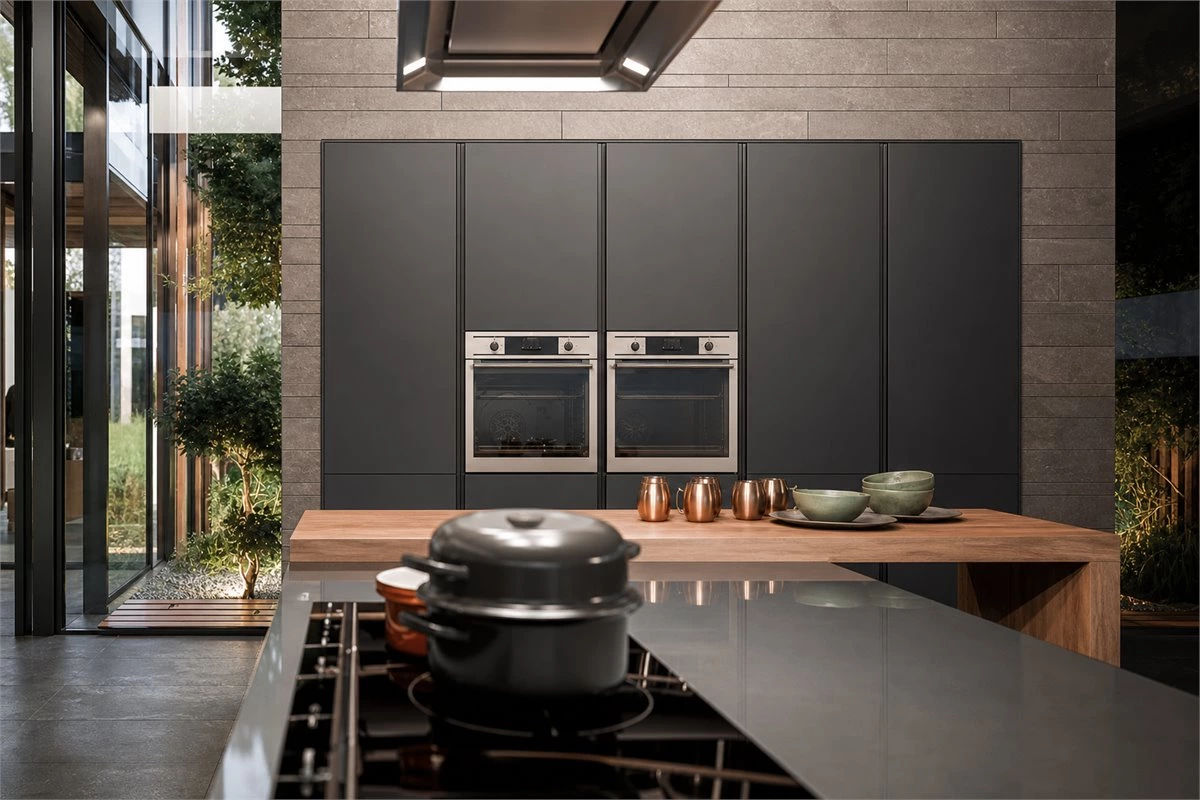
Things can get easier when you integrate appliances into tall cabinets. Built-in design offers powerful practicality as it saves counter space and labor, which contributes to a clutter-free kitchen look. Moreover, it can lower the risk of water splashing and electrical leakage.
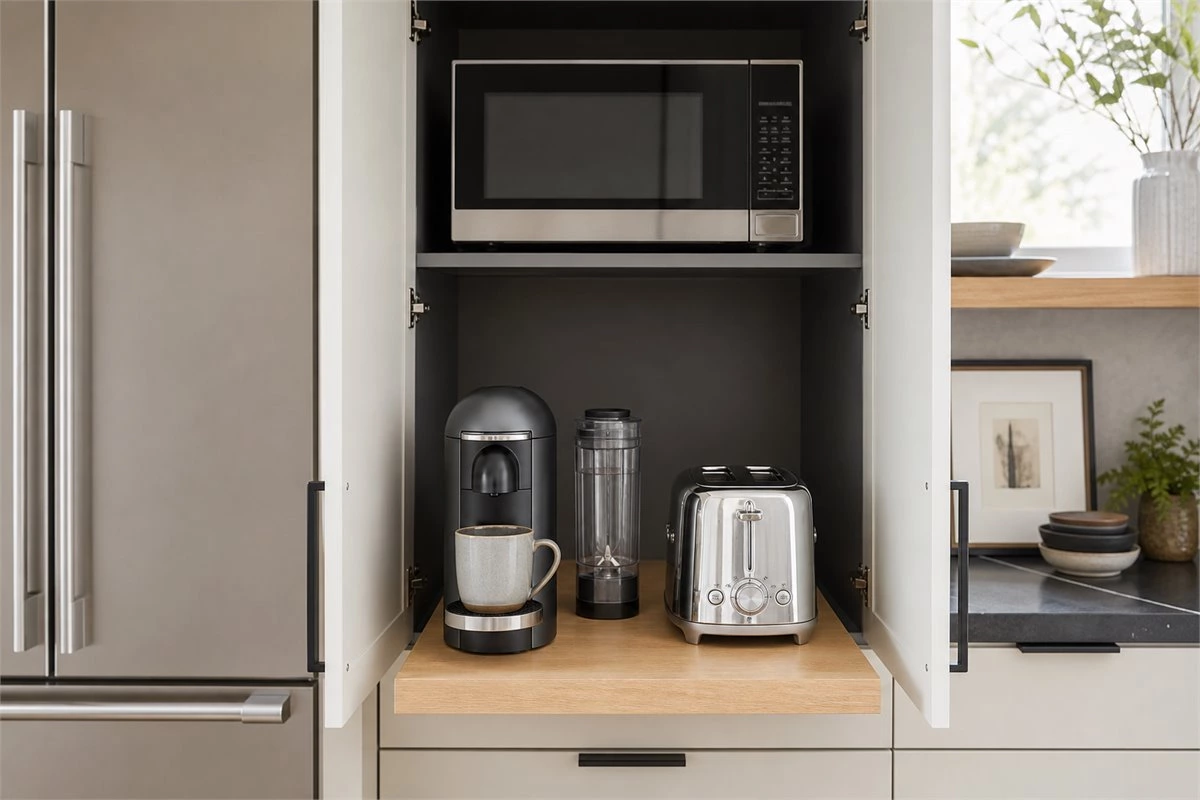
Built-in kitchen appliances can make a room look more cohesive while freeing up valuable countertop space. A tall appliance cabinet can accommodate an oven, microwave, coffee machine, or pantry storage in one vertical zone. For the best experience, plan appliance heights around the user, allow for ventilation requirements, and make sure doors can open without blocking the main walking route.
An appliance garage is another useful option for frequently used small appliances such as blenders, toasters, and coffee makers. It keeps the counter visually calm while allowing appliances to remain ready for use. For related inspiration, see our guide to kitchen design trends with built-in appliances and storage.
Spice Storage
Spice organization is a unique challenge in the kitchen. You need to balance accessibility during cooking and maintain an orderly look. To address this, utilize overlooked nooks and crannies within your kitchen space for tailored condiment storage solutions.
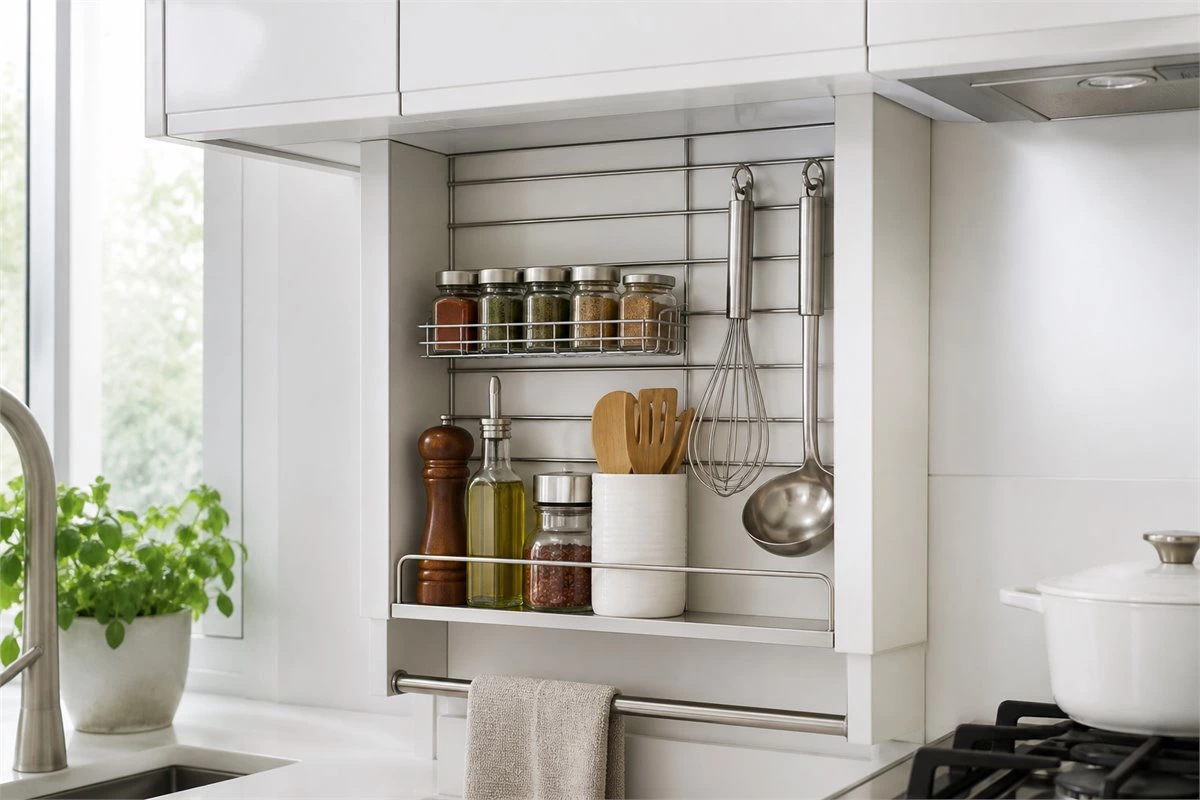
With kitchen cabinets segmented into upper, middle, and lower sections, the upper cabinets are ideal for storing items less frequently used. Pull-out spice cabinets can utilize the space between upper and lower cabinets to store cooking bottles, spices, and bulk ingredients.
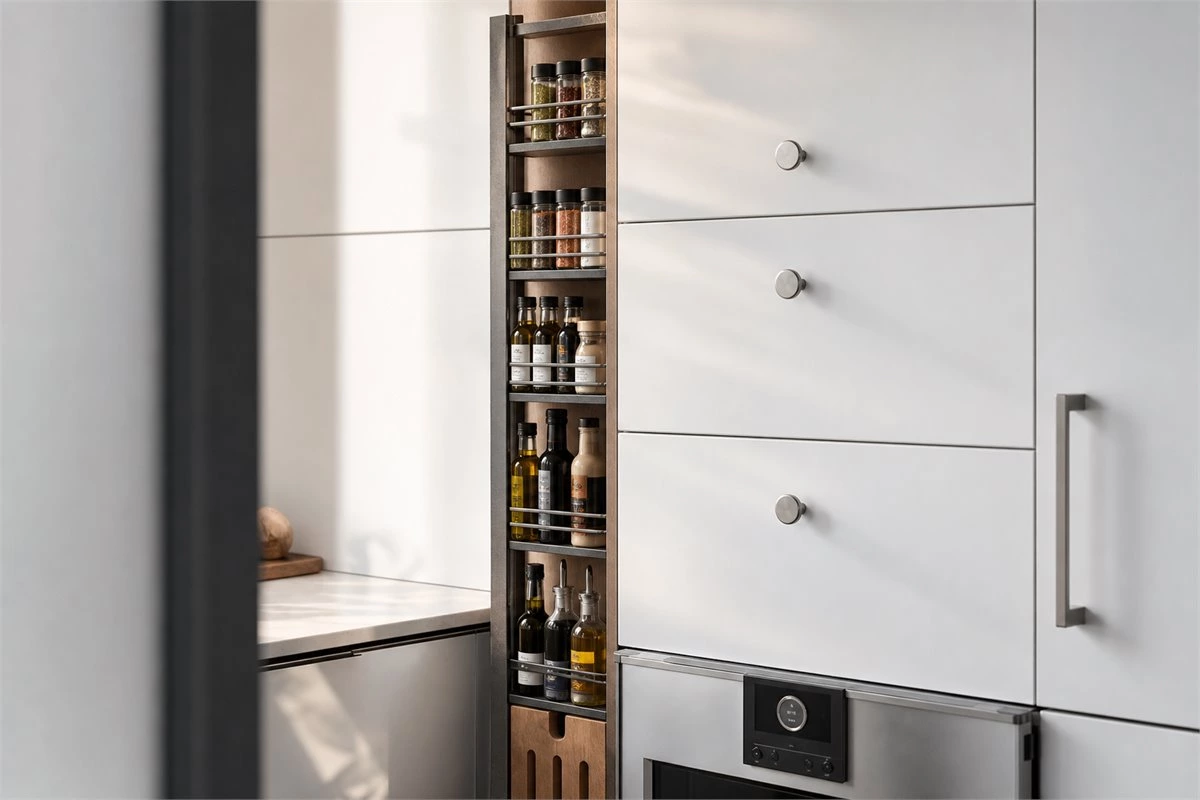
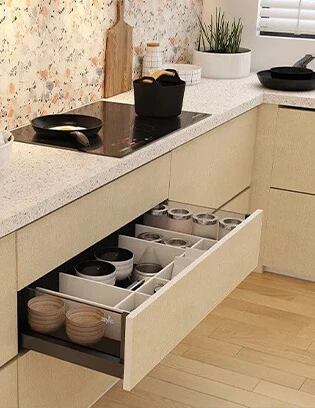
Effective kitchen spice storage places small, frequently used items close to the cooktop or preparation area without crowding the work surface. Slim pull-out racks, drawer inserts, door-mounted organizers, and open niches can all work well when selected according to the available cabinet width and the types of bottles used at home.
Consider a dedicated zone for oils, sauces, dry spices, and baking ingredients rather than storing everything together. This makes cooking faster and reduces duplicate purchases. For more practical storage ideas, explore these base cabinet organization tips.
Bar Counter
Traditionally, kitchens served as hubs for storage, preparation, cooking, and cleaning. However, in contemporary settings, they have evolved into multifunctional spaces for relaxation, entertainment, and social interaction.
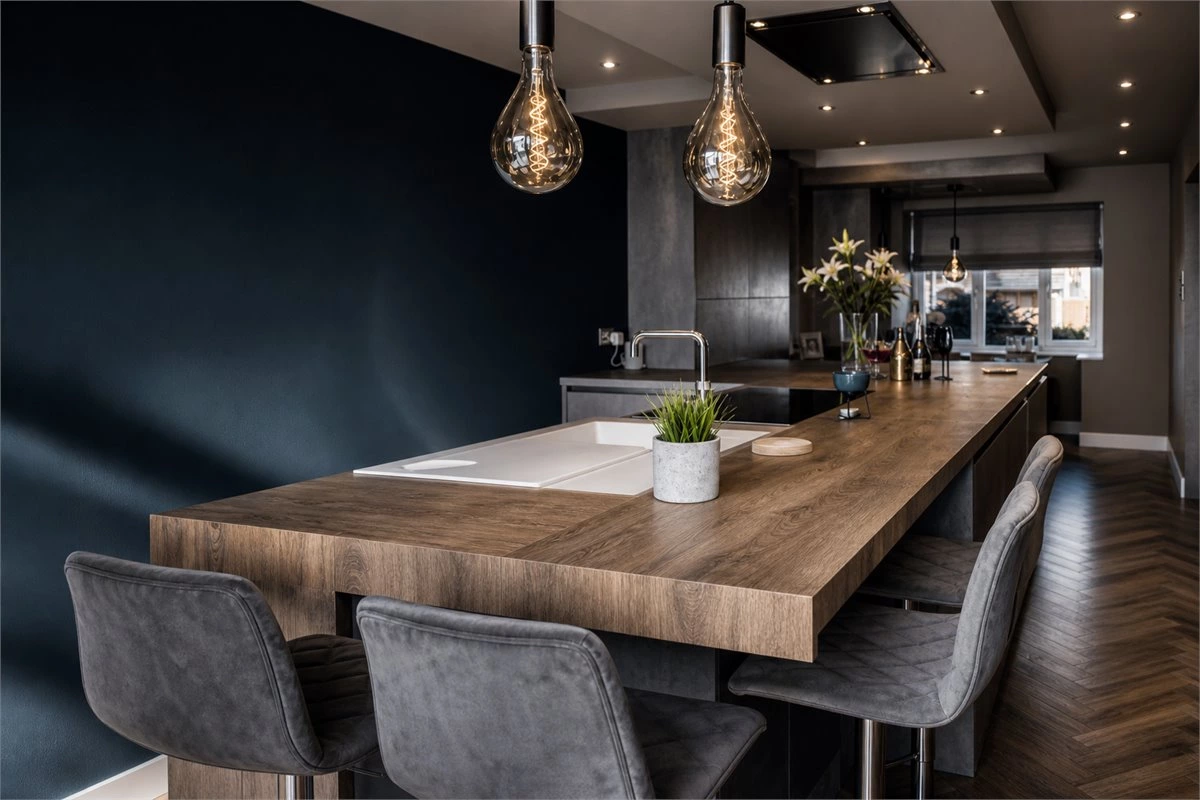
In compact living spaces, a bar counter serves as a connector and extender, providing additional countertop space and storage areas, enhancing functionality while adding a touch of charm.
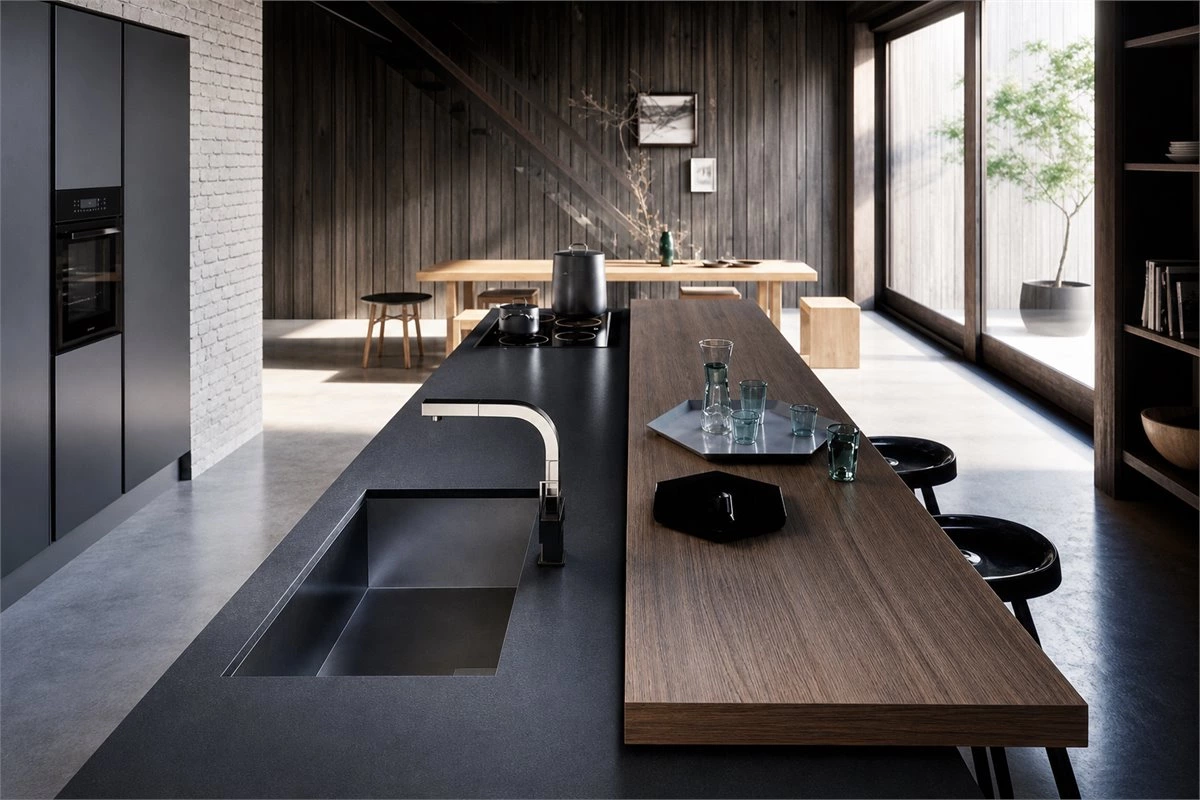
In larger spaces, the bar counter serves more defined purposes, alleviating visual monotony and creating spatial hierarchy. It also delineates functional zones, serving as an unobtrusive partition in open-plan kitchens.
A kitchen bar counter can be used for breakfast, homework, casual work, serving, and conversation during meal preparation. In a small kitchen, a slim peninsula or countertop extension may offer the same benefits as a full island while preserving circulation. In a larger open-plan home, it can become a soft divider between the kitchen and living area.
Plan enough knee space, comfortable seating height, and clear pathways around the counter before finalizing the cabinet layout. Read our practical kitchen bar design guide or explore this kitchen island planning guide for more layout ideas.
Concealed Power Outlets
Given the plethora of appliances in the kitchen, incorporating switch-equipped power outlets is essential. Failure to do so may lead to frequent plugging and unplugging, damaging both appliance motors and outlet receptacles.
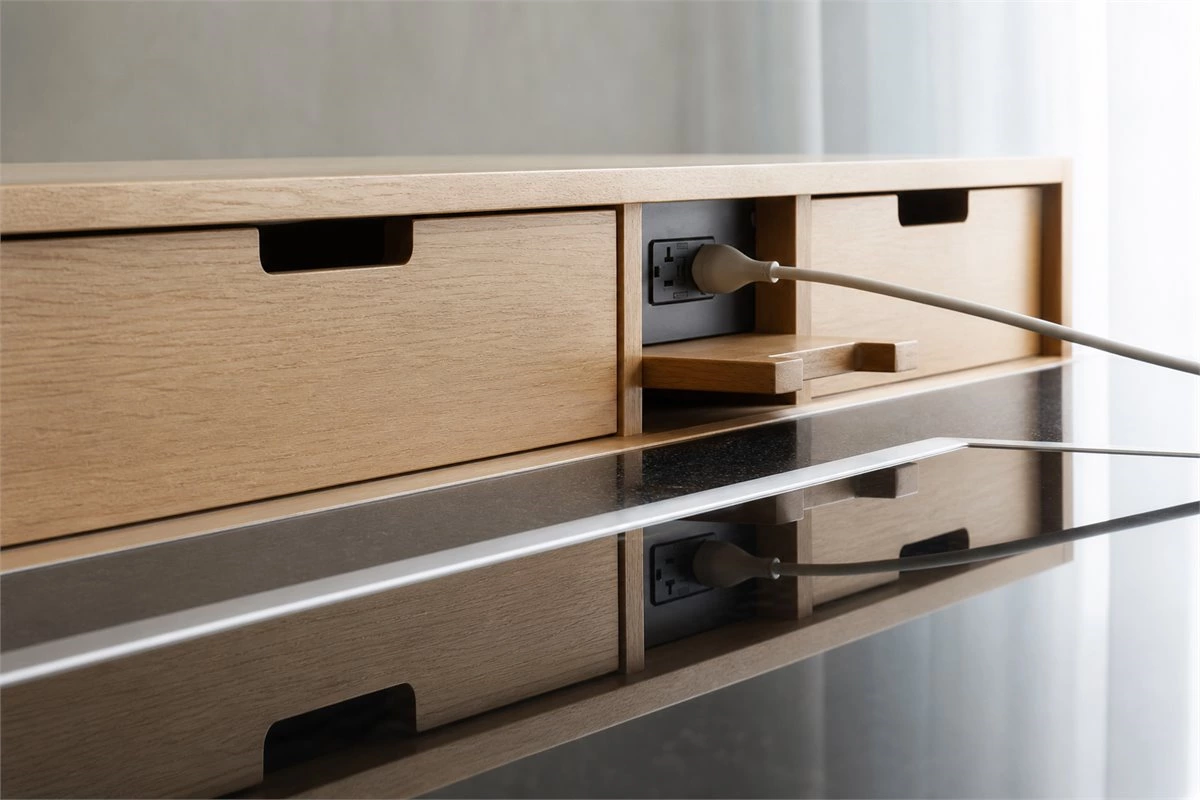
Moreover, considering the moisture-rich environment of kitchens, installing dedicated cabinet outlets or concealing outlets beneath countertops not only exudes sophistication but also enhances kitchen safety and neatness.
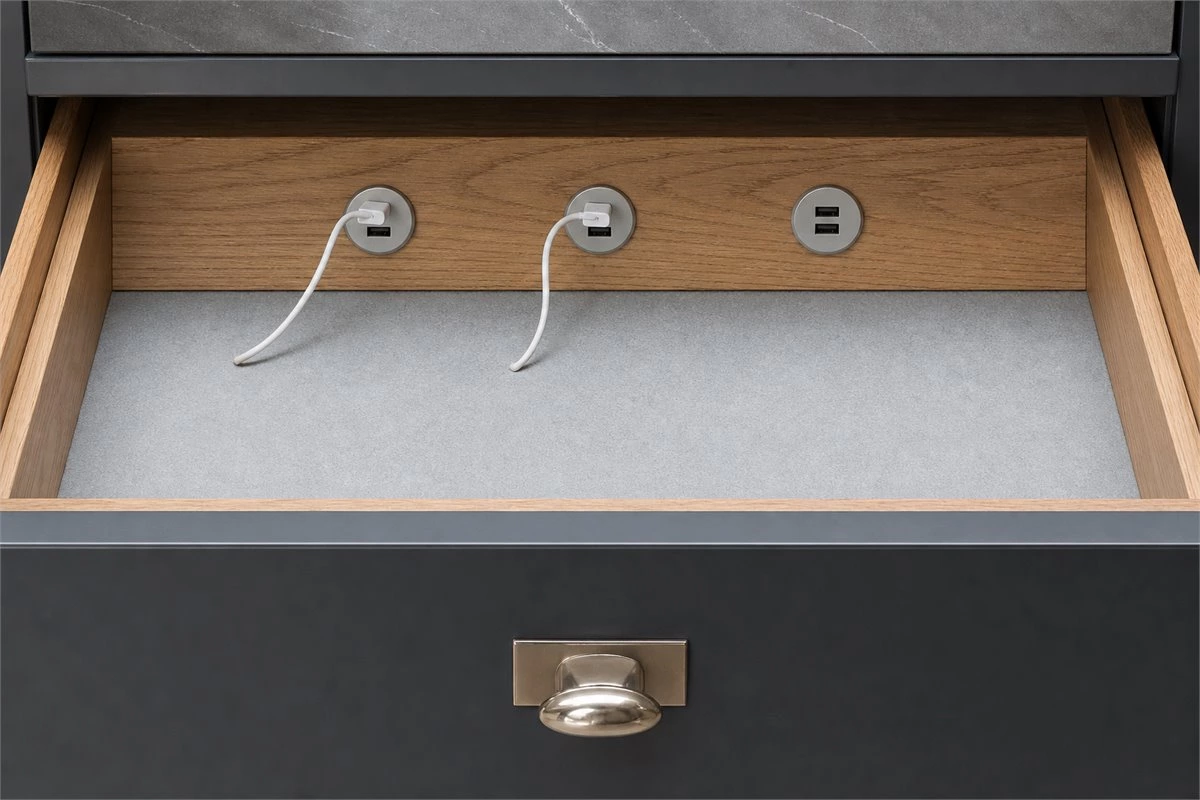
Concealed kitchen power outlets help keep the backsplash and countertop visually tidy, especially in a minimalist kitchen. Options include pop-up outlets on an island, outlets hidden beneath upper cabinets, outlets inside appliance garages, and dedicated power points inside tall cabinets. Each should be planned around the actual appliances that will be used, rather than added as an afterthought.
Electrical requirements and safety rules vary by location. Work with a qualified local electrician and follow applicable codes, especially around sinks, cooktops, and wet zones. For additional safety information, review the U.S. Consumer Product Safety Commission’s GFCI safety guidance.
Final Thoughts: Adding Value Through Better Kitchen Planning
The strongest kitchen upgrades combine function and design. Built-in appliances can reduce visual clutter, organized spice storage can improve daily workflow, a bar counter can create a more social room, and concealed power outlets can make appliance use safer and more convenient.
When choosing kitchen features that add value, focus on details that suit your household now while remaining flexible for the future. A well-planned custom cabinet layout can bring these elements together into one cohesive kitchen. Explore Allure custom kitchen cabinet solutions for more design possibilities.
FAQs About Kitchen Features That Add Value
Which kitchen upgrades add the most everyday value?
Built-in appliances, efficient storage, usable countertop space, well-planned lighting, and accessible power outlets are valuable because they make the kitchen more practical every day.
Is a kitchen bar counter suitable for a small kitchen?
Yes. A compact peninsula or countertop extension can provide prep space, casual seating, and storage without requiring the footprint of a large island.
Where should spice storage be located in a kitchen?
Keep frequently used spices close to the cooking zone, preferably in a pull-out rack, shallow drawer, or narrow cabinet organizer that allows labels and bottles to remain visible.
Are concealed kitchen power outlets safe?
They can be safe when installed correctly and selected for the intended location. Always use a qualified electrician and follow local electrical codes, particularly in areas close to water.