Thinking About Melamine Cabinets? Read This First
If you're planning a kitchen remodel, apartment project, or full-house cabinetry system, there's a high chance you've come across melamine cabinets.
On the surface, they seem like the perfect solution:
- affordable
- modern-looking
- easy to maintain
But after working on international projects across the USA, Australia, and the Middle East, I can tell you this:
👉 Melamine is one of the most commonly used—and most misunderstood—cabinet materials.
I’ve seen:
- Developers successfully use melamine to control large project budgets
- Homeowners regret using it in high-end kitchens after just a few years
So instead of asking:
❌ “Is melamine good or bad?”
You should be asking:
✔ “Is melamine the right material for my specific project?”
=> Related Articles:
- HPL vs. Melamine: Choosing the Right Surface for Your Cabinets
- Particle Board vs OSB: Choosing the Right Core for Your Cabinets
- Quartz vs. Sintered Stone Countertops: A Detailed Look at Two
- Melamine vs. Wood Veneer Finishes: Which is Better for Your Kitchen Cabinets
- Lacquer vs. PET Kitchen Cabinet Finishes: Which One is Right for You
What Are Melamine Cabinets?
The Material Explained (Simple but Accurate)
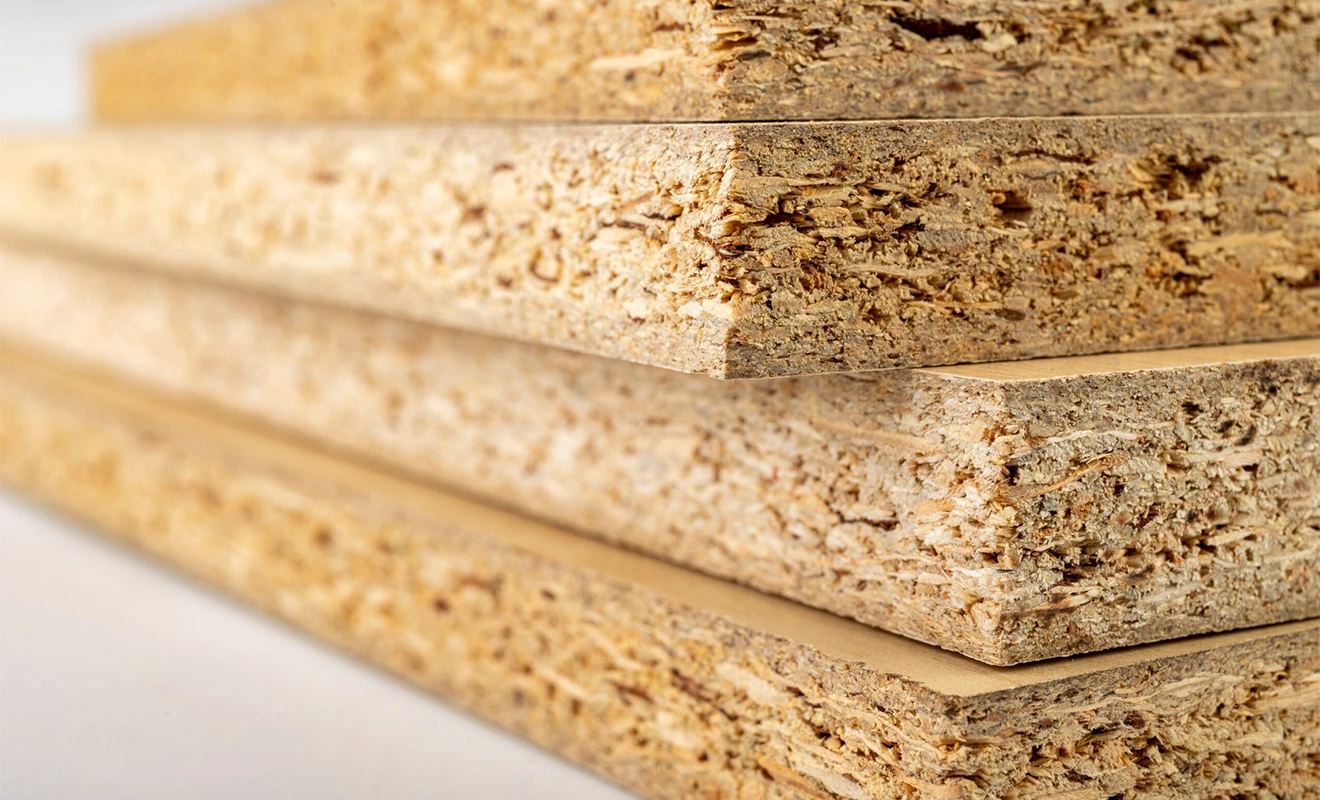
Melamine is not solid wood. It is a resin-infused decorative paper layer that is thermally fused onto a core board under heat and pressure.
This core board is typically:
- particleboard
- MDF (medium-density fiberboard)
- sometimes plywood (higher-end option)
The result is a cabinet panel with:
- a hard outer surface
- a structural inner core
Important distinction:
- Surface = appearance & basic protection
- Core = real strength & durability
How Melamine Is Manufactured
Melamine panels are produced using low-pressure laminate (LPL) technology:
- Pressure: approx. 300–500 PSI
- Heat-fused bonding process
- Resin creates a sealed outer layer
This process gives melamine its:
- smooth finish
- resistance to stains
- relatively low production cost
Compared to high-pressure laminate (HPL), melamine is:
- less durable
- but significantly more cost-effective
Where Melamine Cabinets Are Commonly Used
Residential Applications
Melamine is widely used in:
- budget kitchens
- wardrobes
- storage cabinets
It’s especially popular in:
- starter homes
- rental properties
Because it offers a clean look at a lower cost.
Commercial & Project Applications
In large-scale projects, melamine is often the preferred choice for:
- apartment developments
- student housing
- office cabinetry
- retail display systems
Why developers choose it:
- consistent finish
- faster production
- better cost control
Where Melamine Is NOT Recommended
Based on real project experience, melamine is not ideal for:
- luxury villa kitchens
- high-heat zones (near ovens/stoves)
- long-term premium residential use
In these cases, clients typically upgrade to:
- plywood + veneer
- laminate (HPL)
- lacquer finishes
Advantages of Melamine Cabinets
Cost-Effective Material
Melamine is one of the most affordable cabinet materials available.
Typical project pricing:
- Melamine: $120 – $250/m²
- Plywood: $250 – $400/m²
- Solid wood: $400 – $800+/m²
This makes melamine ideal for budget-controlled projects.
Surface Durability
Melamine’s outer layer is resistant to:
- scratches
- stains
- minor impacts
This makes it suitable for:
- everyday household use
- rental properties with frequent turnover
Easy Maintenance
Unlike natural wood, melamine:
- does not require sealing
- does not need polishing
- is easy to clean with a damp cloth
Very practical for busy households.
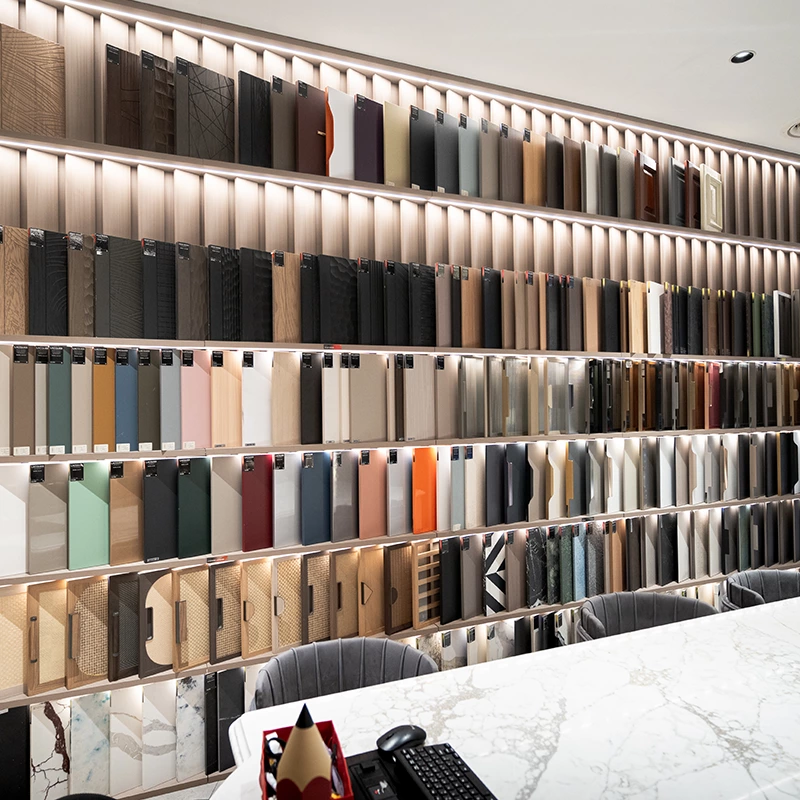
Wide Design Options
Melamine is highly versatile in design:
- wood grain finishes
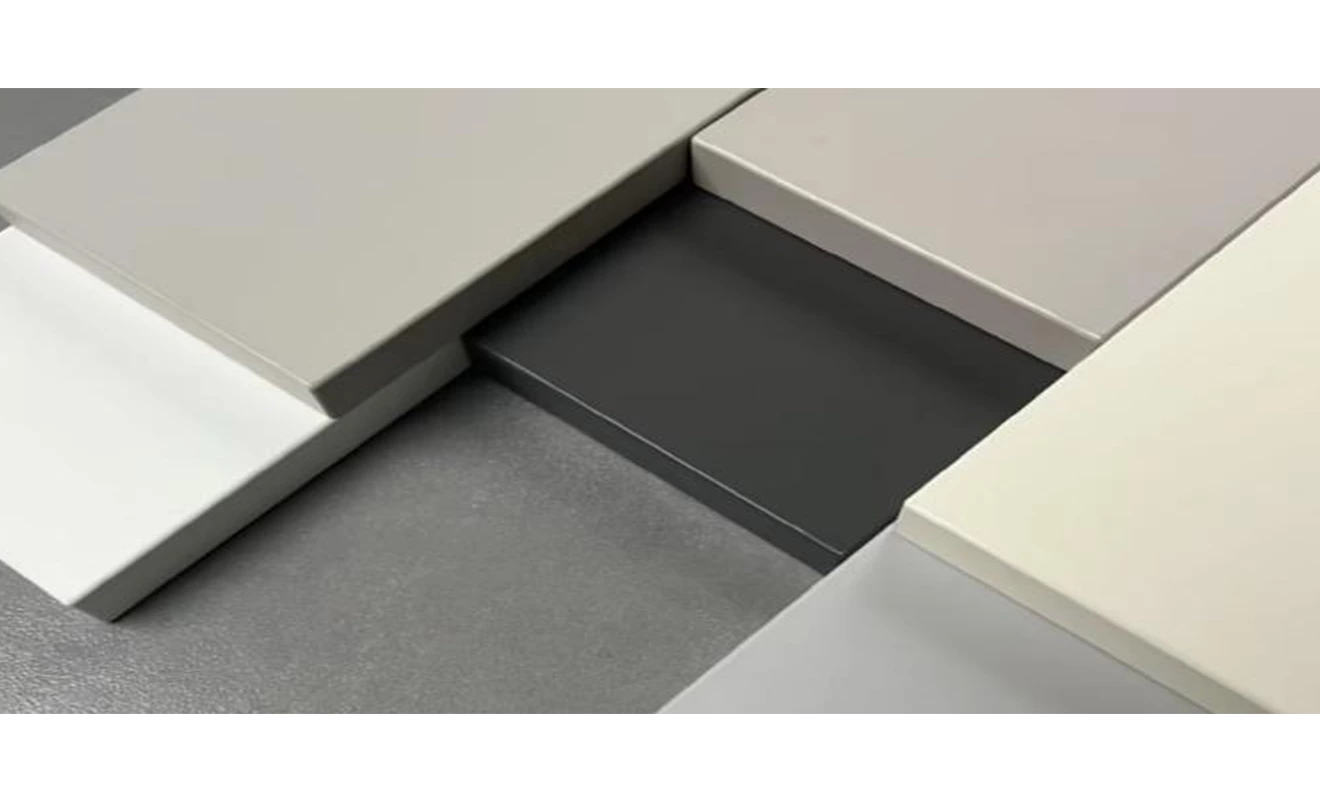
- matte colors
- glossy options
Modern manufacturing allows it to mimic:
- oak
- walnut
- concrete textures
At a fraction of the cost.
Disadvantages of Melamine Cabinets
Edge Chipping Risk
While the surface is durable, the edges are vulnerable.
If chipped:
- The inner core is exposed
- Moisture can enter
- damage spreads over time
👉 This is one of the most common complaints.
Moisture Damage (Core Issue)
Melamine resists surface moisture—but not internal exposure.
If water penetrates:
- swelling occurs
- panels deform
Especially common in:
- kitchens
- bathrooms
Limited Repair Options
Unlike wood:
- Melamine cannot be sanded
- Refinishing is not practical
Once damaged, replacement is usually required.
Weak Screw Holding Strength
Because of the particleboard/MDF core:
- screws may loosen over time
- Repeated adjustments cause damage.
This affects:
- hinges
- installation stability
Heat Sensitivity
Melamine is not suitable for high-heat exposure.
Possible issues:
- warping
- discoloration
Avoid placing near ovens or direct heat sources.
UV Yellowing Over Time
In strong sunlight environments:
- white melamine may yellow
- Color fading can occur.r
Quality varies significantly between suppliers.
Melamine vs Laminate vs Plywood
Melamine (LPL)
- Low pressure (300–500 PSI)
- Affordable
- Medium durability
Laminate (HPL)
- High pressure (1400+ PSI)
- Stronger and more impact-resistant
- Higher cost
Plywood + Veneer
- Premium structure
- High durability
- Natural appearance
Quick Decision Guide
- Budget project → Melamine
- Mid-range → Laminate
- High-end → Veneer/lacquer
Real Cost vs Long-Term Value
Many buyers focus only on the initial price.
But the real project cost includes:
- maintenance
- repairs
- lifespan
Example:
A cheaper melamine system may:
- Save $5,000 upfront
- cost, $10,000+ in replacements later
The goal is not the lowest price—it’s the best value.
Common Mistakes Buyers Make
Mistake 1: Choosing Based on Price Only
Low price often means compromised core materials.
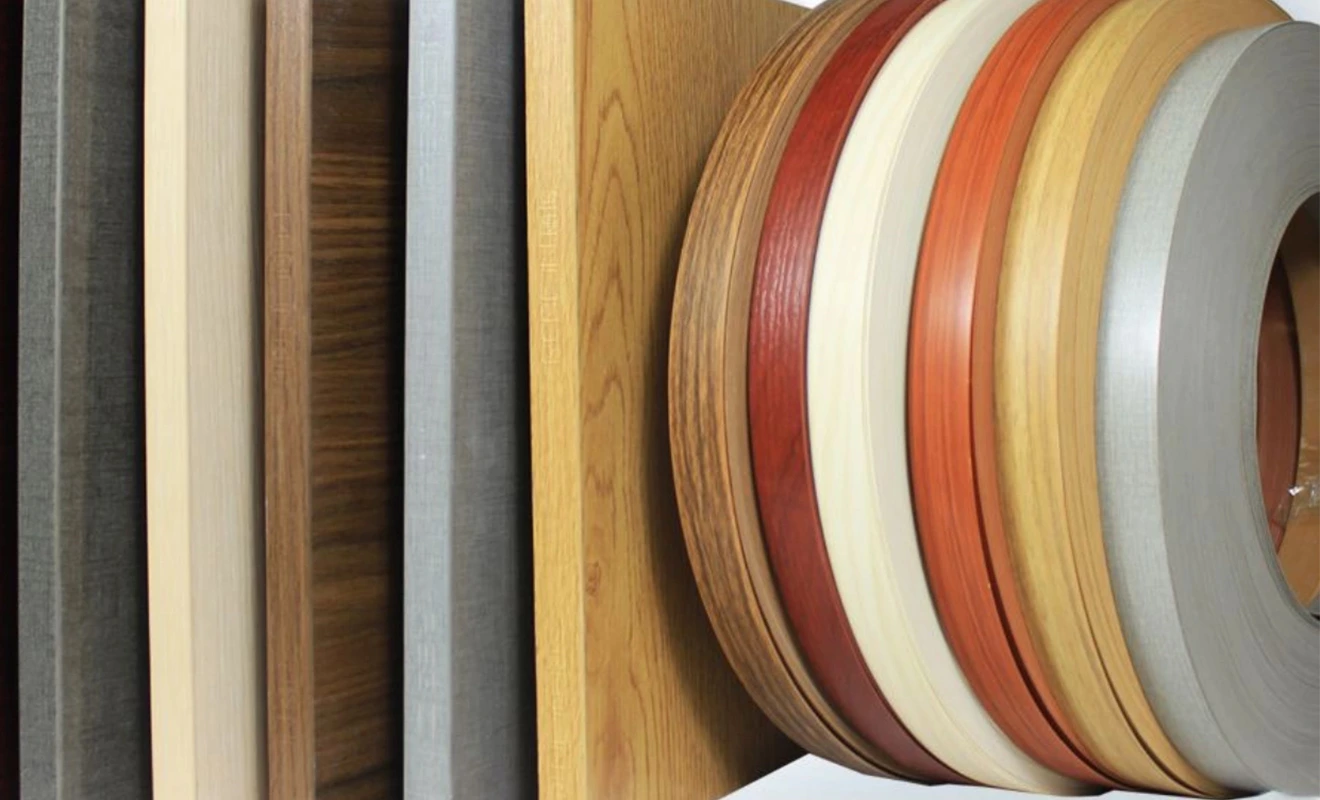
Mistake 2: Ignoring Edge Banding Quality
Poor edge sealing leads to early failure.
Mistake 3: Assuming All Melamine Is the Same
Quality varies significantly between manufacturers.
Mistake 4: Using Melamine in the Wrong Area
Not suitable for high-end or high-heat applications.
How to Choose High-Quality Melamine Cabinets
Before selecting a supplier, check:
- Edge banding (ABS preferred)
- Core board density
- Moisture resistance
- Hardware quality
- Production capability
Always verify real project experience—not just samples.
When We Recommend Melamine at ALLURE
We recommend melamine when:
- Budget is a key factor
- project scale is large
- Usage is moderate
We do NOT recommend it for:
- luxury villas
- long-term premium homes
In those cases, we guide clients toward higher-grade materials.

Final Verdict — Is Melamine Worth It?
Melamine is not a “low-end material.”
It is a cost-efficient material with specific limitations
When used correctly:
- excellent value
- modern look
- practical performance
When used incorrectly:
- higher long-term costs
- shorter lifespan
Get Expert Advice Before You Decide
If you're planning:
- a kitchen renovation
- apartment development
- or full-house cabinetry
We can help you:
- Choose the right material for your project
- optimize cost vs durability
- provide factory-direct pricing
Contact ALLURE today for a professional consultation and quotation.