The Problem No One Tells You About Custom Cabinets
Most homeowners—and even many developers—focus on what they can see:
- door style
- color
- finish
- price
But after working on villa and apartment projects across the USA, Australia, and the Middle East, I can tell you this:
👉 Cabinets don’t fail because of design.
👉 They fail because of what’s hidden behind the surface.
I’ve seen projects where:
- Cabinets looked perfect in the showroom
- But after installation:
- The doors became misaligned
- The panels started swelling
- drawers stopped closing properly within months
In some cases, clients ended up redoing entire kitchen systems within 1–2 years.
The frustrating part?
Most of these problems were completely avoidable.
Why Custom Cabinets Go Wrong (The Industry Reality)
There is a common assumption:
“Custom cabinets = better quality.”
That is not always true.
In reality, custom cabinets introduce more variables, increasing the risk of error if the supplier lacks system control.
From my experience, failures usually come from:
- Poor or missing engineering drawings
- Weak production standards
- Lack of material consistency control
- Miscommunication between the designer, supplier, and factory
Customization without structure is not precision—it’s risk.
Hidden Problem #1: Material Substitution Without Notice
This is more common than most buyers realize.
What happens:
- You approve a high-quality sample
- During mass production, a lower-grade material is used
Why?
- Cost pressure
- Lack of strict production control
- No material verification system
Risks:
- Reduced lifespan
- Moisture swelling (especially in kitchens)
- Potential indoor air quality issues
What I recommend:
- Clearly define material standards (E0 / CARB2 / plywood type)
- Lock specifications in the contract
- Request batch-level confirmation before production
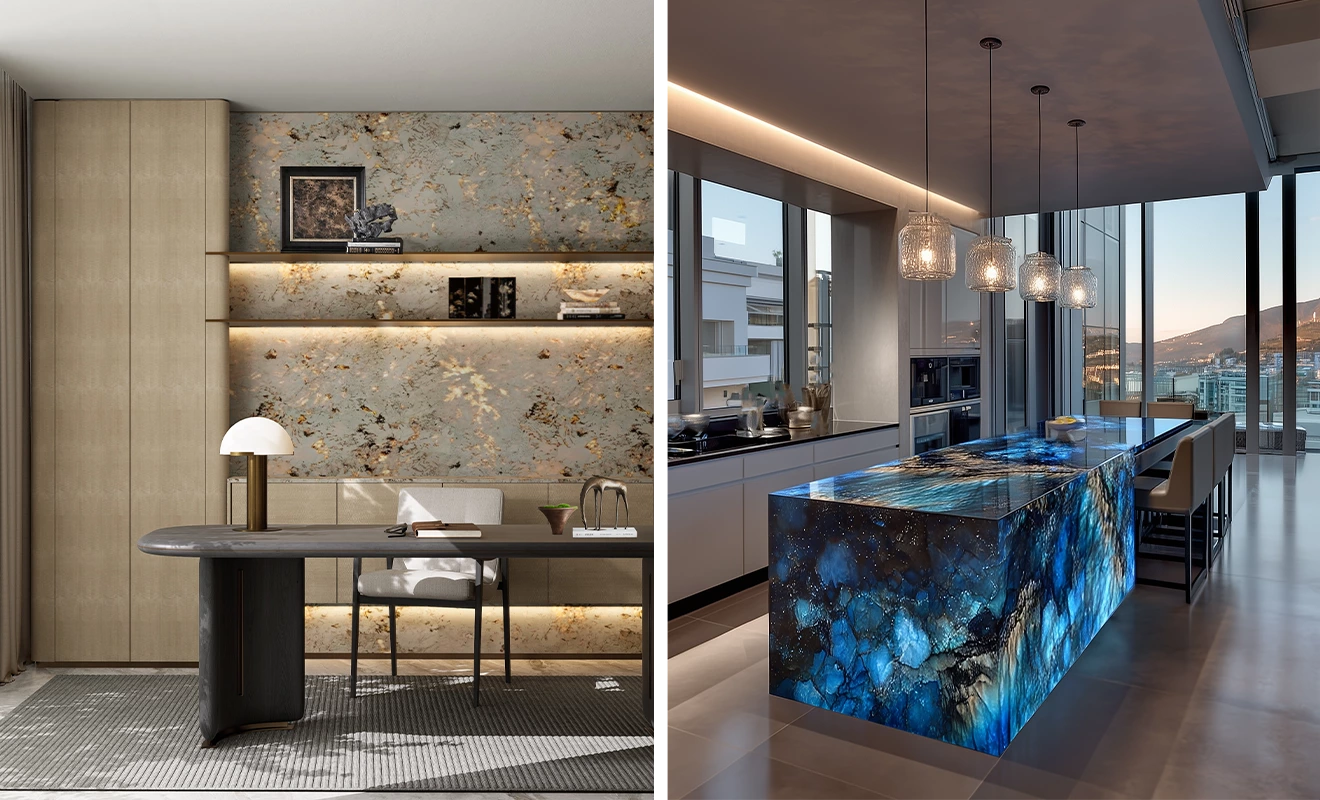
Hidden Problem #2: Color & Finish Inconsistency
This issue shows up especially in:
- matte lacquer finishes
- wood veneer cabinets
A common scenario:
- First shipment looks perfect
- Second and third shipments have a slight color variation
In large villa or apartment projects, this becomes very obvious.
I once worked on a project where three batches of cabinets arrived in three slightly different tones. The result? Full replacement of one batch.
How to avoid it:
- Approve a physical sample (not just photos)
- Lock the sample as the production standard
- Ensure batch production consistency control
Hidden Problem #3: Weak Internal Structure
Many cabinets look premium on the outside but are built cheaply inside.
Common issues:
- Thin panels (12mm instead of 18mm)
- Weak joinery systems
- Poor structural support
Results over time:
- Shelves start bending
- Cabinet boxes lose shape
- Doors no longer align
Professional checkpoints:
- Panel thickness (18mm is standard for durability)
- Back panel strength
- Joinery method (not just cam locks)
Hidden Problem #4: Low-Quality Hardware
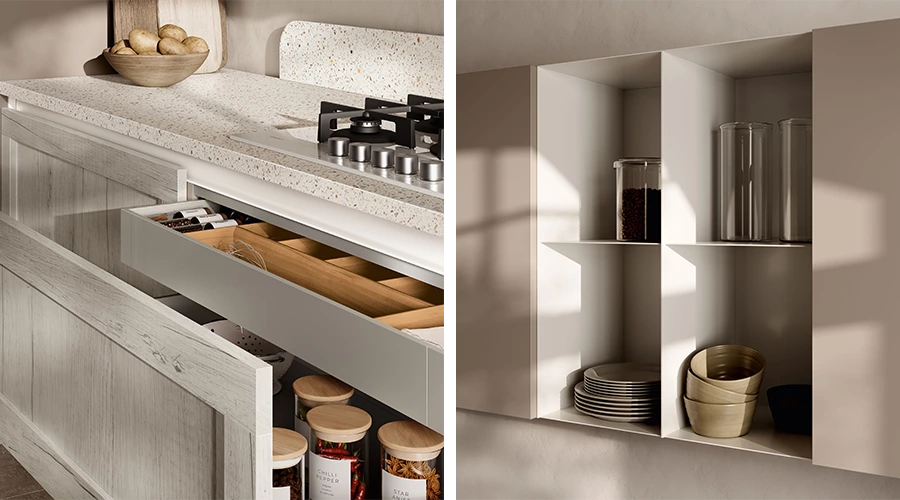
Hardware is the most used part of any cabinet system.
And also the most underestimated.
Cheap hinges and drawer slides will fail quickly—even if everything else is good.
Typical problems:
- Doors drop or shift
- Soft-close stops working
- Drawers become noisy or stuck
What experienced buyers do:
- Specify brands like Blum or Hettich (or tested equivalents)
- Require lifecycle testing (50,000+ cycles)
Because once cabinets are installed, replacing hardware is costly and disruptive.
Hidden Problem #5: Inaccurate Measurements & Fit Issues
This is especially common in:
- villas
- renovation projects
- non-standard layouts
If measurements are even slightly off, you’ll see:
- gaps between cabinets
- uneven alignment
- on-site cutting (which should never happen in high-end projects)
Solution:
- Professional shop drawings
- Verified site dimensions
- Coordination between design and production
Precision at this stage determines everything later.
Hidden Problem #6: No Engineering Drawings (Major Risk)
This is one of the biggest red flags in cabinet projects.
If a supplier cannot provide detailed shop drawings, you are taking a huge risk.
Without drawings:
- There is no clear agreement
- No production accuracy
- No accountability
In international projects, drawings are not optional—they are the foundation.
They define:
- dimensions
- structure
- materials
- installation logic
No drawings = no control.

Hidden Problem #7: Weak Packaging & Shipping Damage
For overseas projects, this is critical.
Cabinets go through:
- long transit times
- humidity changes
- multiple handling points
Without proper packaging, damage is almost guaranteed.
Common issues:
- chipped edges
- cracked doors
- warped panels
Professional standard:
- export-grade packaging
- foam protection + corner guards
- palletized loading
Good packaging is not an extra cost—it’s insurance.
Hidden Problem #8: No Installation Support
Many suppliers stop at delivery.
But real challenges happen during installation.
Typical issues:
- missing components
- unclear assembly instructions
- incorrect alignment
A professional supplier provides:
- installation drawings
- labeled components
- remote or on-site support
Without this, even good cabinets can be installed poorly.
Hidden Problem #9: Hidden Costs During Production
This is where many budgets go out of control.
Initial quotation looks competitive, but later:
- Glass doors cost extra
- Internal accessories are added
- Finish upgrades, increase pricing
Final cost can increase by 15%–30%.
How to avoid this:
- Request a detailed quotation breakdown
- Confirm all specifications before production
- Avoid vague pricing structures
Transparency is everything.
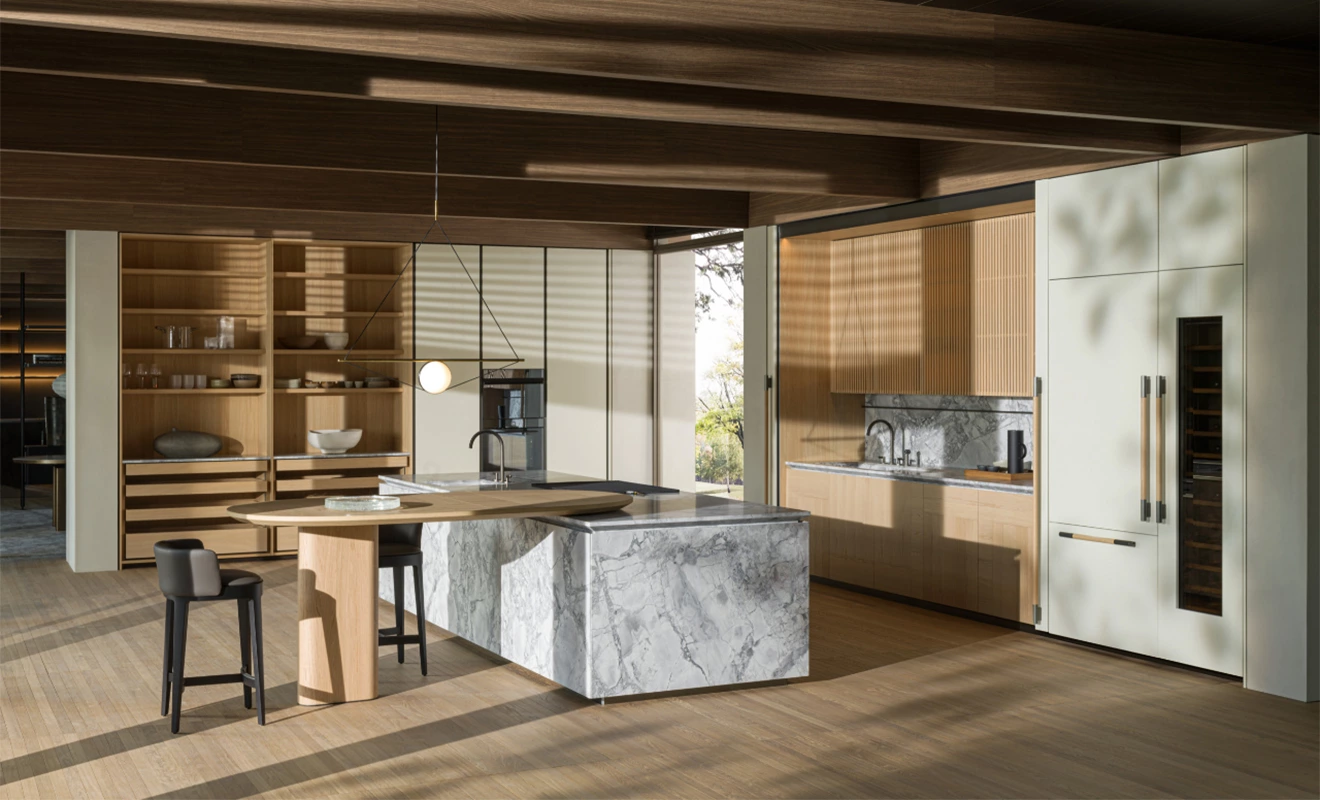
Cost Reality — Cheap Cabinets Are Often Expensive
Let’s look at the real difference:
| Option | Initial Price | Real Outcome |
|---|---|---|
| Cheap supplier | Low | High repair & delay cost |
| Professional supplier | Medium | Stable & predictable |
In one project, a client saved about $8,000 upfront—but spent over $25,000 fixing issues later.
👉 The real cost of cabinets is not the purchase price.
👉 It’s the total project risk.
How to Avoid These Problems (Practical Checklist)
Before choosing a supplier, make sure you:
- Lock material specifications
- Approve physical samples
- Confirm detailed shop drawings
- Verify hardware quality
- Evaluate factory capability (not just showroom)
- Ensure export packaging standards
- Clarify the full pricing structure
This checklist alone can eliminate most major risks.
Why do many international projects choose ALLURE
At ALLURE, we approach cabinetry differently.
We don’t just sell cabinets—we manage them as a complete project system.
Our process includes:
- Engineering-driven drawings
- Material and sample locking system
- Stable batch production control
- Export-standard packaging
- International project coordination
We have delivered projects across:
- USA residential developments
- Australian apartment projects
- Middle East luxury villas
The focus is always the same:
👉 Consistency
👉 Reliability
👉 Long-term performance
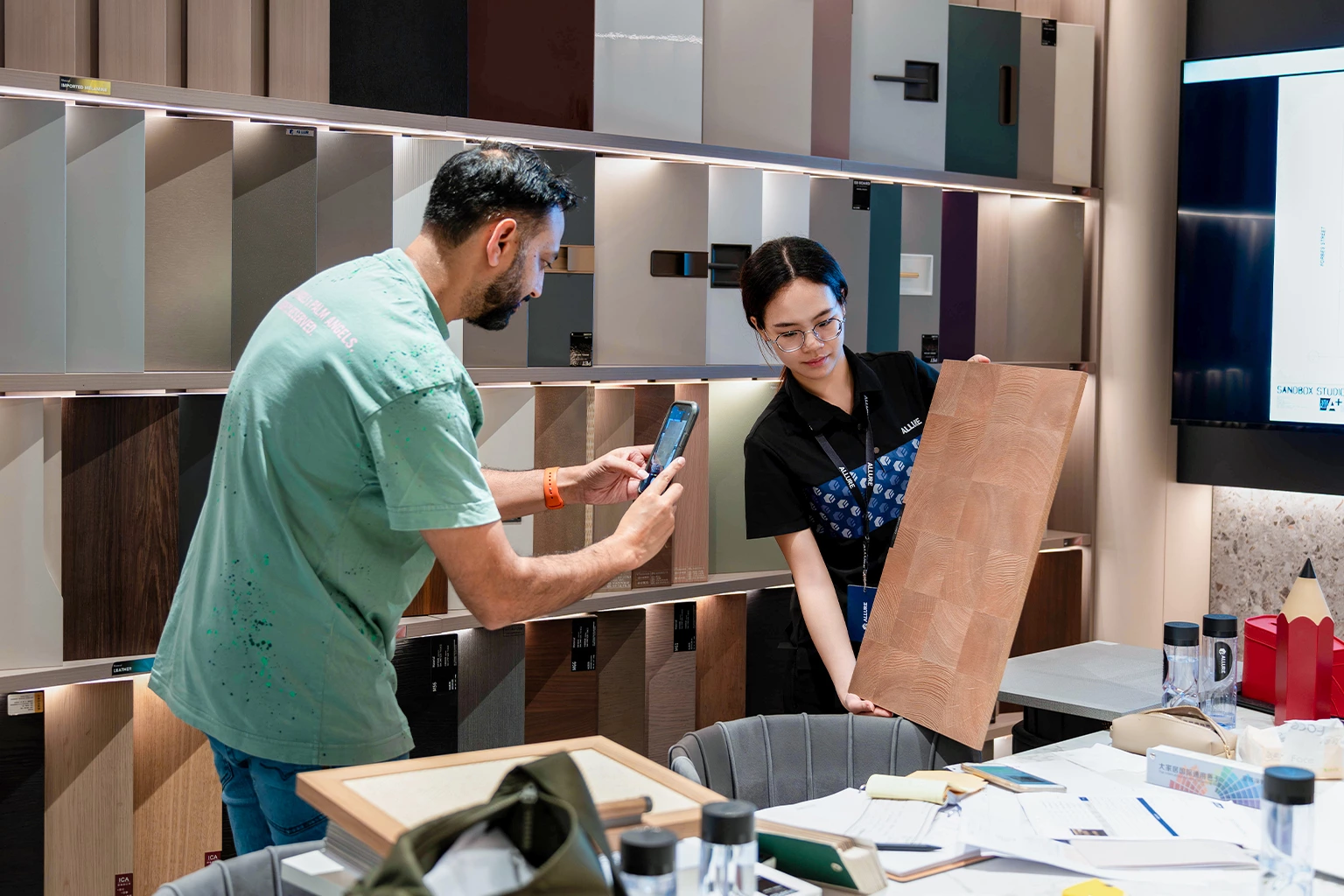
Final Thought — What Most Buyers Realize Too Late
Most cabinet problems don’t come from what you see.
They come from what you didn’t check.
And by the time the problem appears,
It’s already expensive to fix.
📩 Get Expert Help Before You Make a Costly Decision
If you are planning:
- a villa project
- an apartment development
- or full-house custom cabinets
We can help you:
- Identify hidden risks before production
- Optimize your cabinet system
- Provide accurate factory pricing
👉 Contact ALLURE today for a professional consultation and quotation.