Lacquer vs. PET Kitchen Cabinet Finishes: Which One is Right for You
In any kitchen, the first thing that catches your eye isn’t the storage system or the drawer hardware—it’s the cabinet surface. The finish defines the style, reflects the light, and invites your touch. It’s the visual language of the entire room. But while the finish may look similar from a distance, what it's made of—and how it performs—makes all the difference in daily use.
Two of the most widely used cabinet surface finishes today are Lacquer and PET (Polyethylene Terephthalate). Both offer a sleek, modern aesthetic—but with very different strengths when it comes to durability, design flexibility, and upkeep.
What Are Lacquer and PET Kitchen Cabinet Finishes?
Lacquer and PET are two popular kitchen cabinet finishes used in modern custom kitchen cabinets. Lacquer creates a smooth, sprayed surface with high design flexibility, making it suitable for luxury kitchens, curved cabinet doors, and custom colors. PET is a durable laminate finish applied to flat cabinet panels, offering better scratch resistance, easier cleaning, and lower maintenance for busy family kitchens.
For homeowners, designers, and renovation projects, the right finish should not only match the kitchen style but also support daily use, cleaning habits, storage needs, and long-term durability.
Let’s figure out what truly sets them apart—and how to choose the one that fits your kitchen, your habits, and your expectations.
Lacquer Cabinet Finishes: Premium Look, Precision Appeal
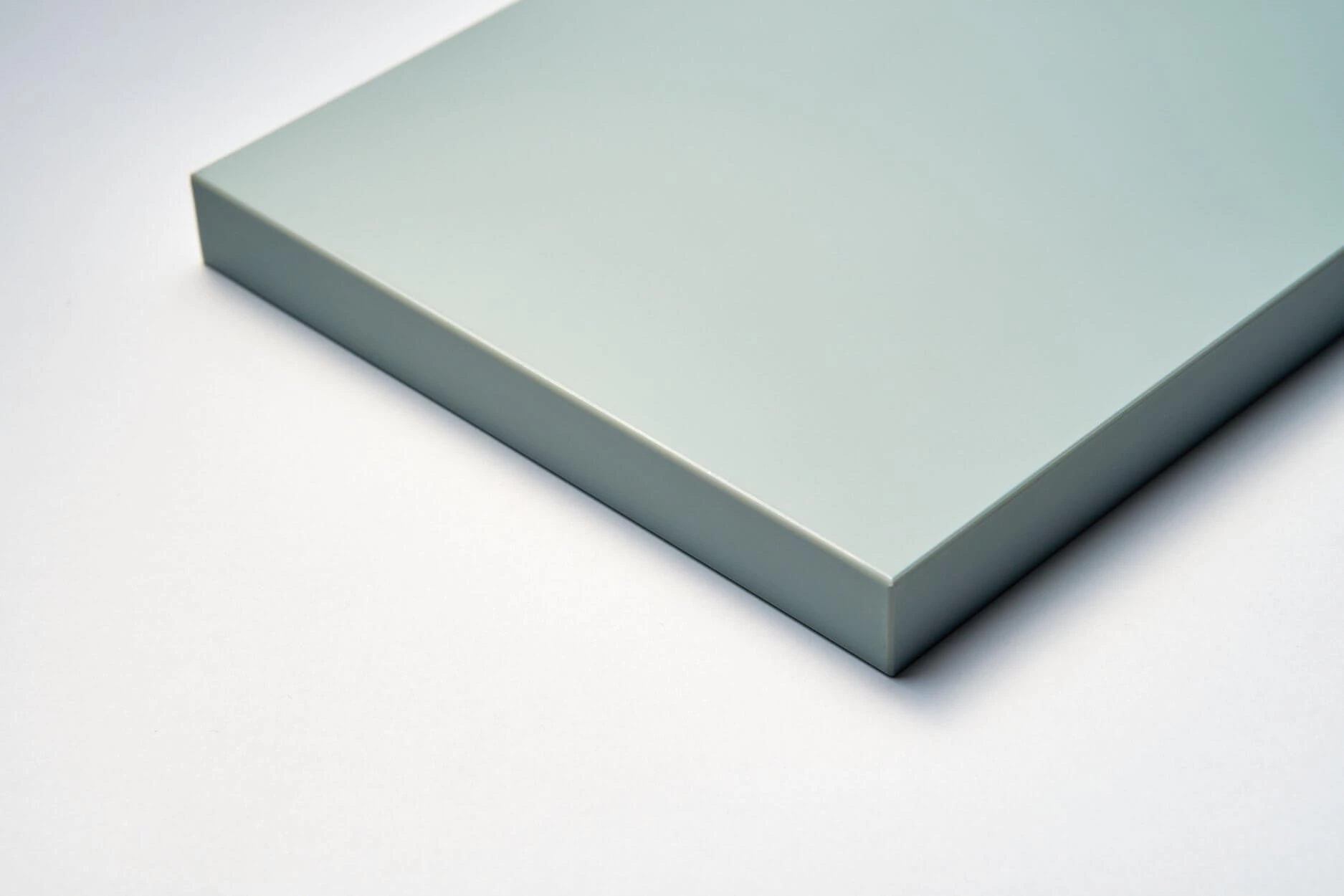
Lacquer is a sprayed-on, layered finish often used in high-end cabinetry. Multiple coats of pigmented resin are applied and polished to produce a seamless surface in any color or sheen—from soft matte to high gloss.
Pros of Lacquer
Elegant Customization: Virtually any color or gloss level is possible, ideal for achieving a tailored, designer look.
Seamless Finish: No visible edge banding, even on curved or detailed profiles. Perfect for minimalist or European-style kitchens.
Smooth Touch Feel: The surface feels refined and high-end, enhancing the tactile experience in your kitchen.
Flexible for Detailed Designs: Sprayed application allows use on routed panels, shaker doors, or curved elements.
Best Uses for Lacquer Kitchen Cabinets
Lacquer is a strong choice for homeowners who want a refined, custom-made kitchen with a premium visual effect.
- Luxury apartments
Lacquer cabinet doors create a smooth, seamless look that works well with modern interiors, hidden handles, and built-in kitchen layouts. - Villa and high-end residential projects
Custom lacquer finishes allow designers to match wall panels, kitchen islands, wardrobes, and whole-house customization themes. - Feature kitchens and open-plan spaces
When the kitchen is connected to the living or dining area, lacquer helps create a more polished and furniture-like appearance. - Curved or detailed cabinet designs
Because lacquer is sprayed onto the surface, it is better suited for curved doors, routed panels, and decorative cabinet profiles than PET.
Lacquer is ideal when the client values design flexibility, visual impact, and a highly customized finish more than ultra-low maintenance.
Cons of Lacquer
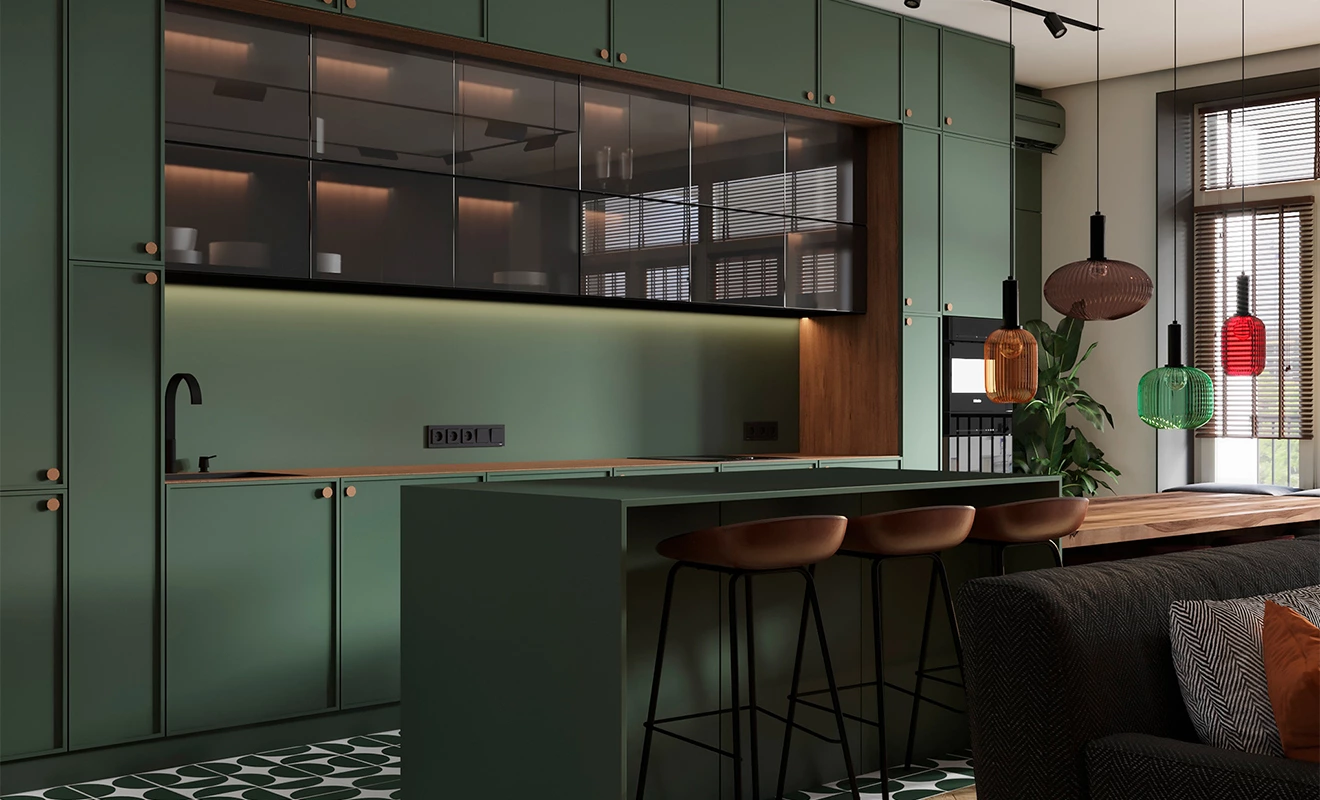
Surface Sensitivity: Prone to scratches and chips, especially in high-traffic areas or homes with kids and pets.
Cleaning Care Required: Needs soft cloths and non-abrasive cleaners to prevent dulling or damage.
Shows Smudges Easily: High-gloss finishes can highlight fingerprints, grease, and dust.
Longer Production Time: Requires controlled drying environments and multiple curing stages.
PET Cabinet Finishes: Durable, Family-Friendly, and Low Maintenance
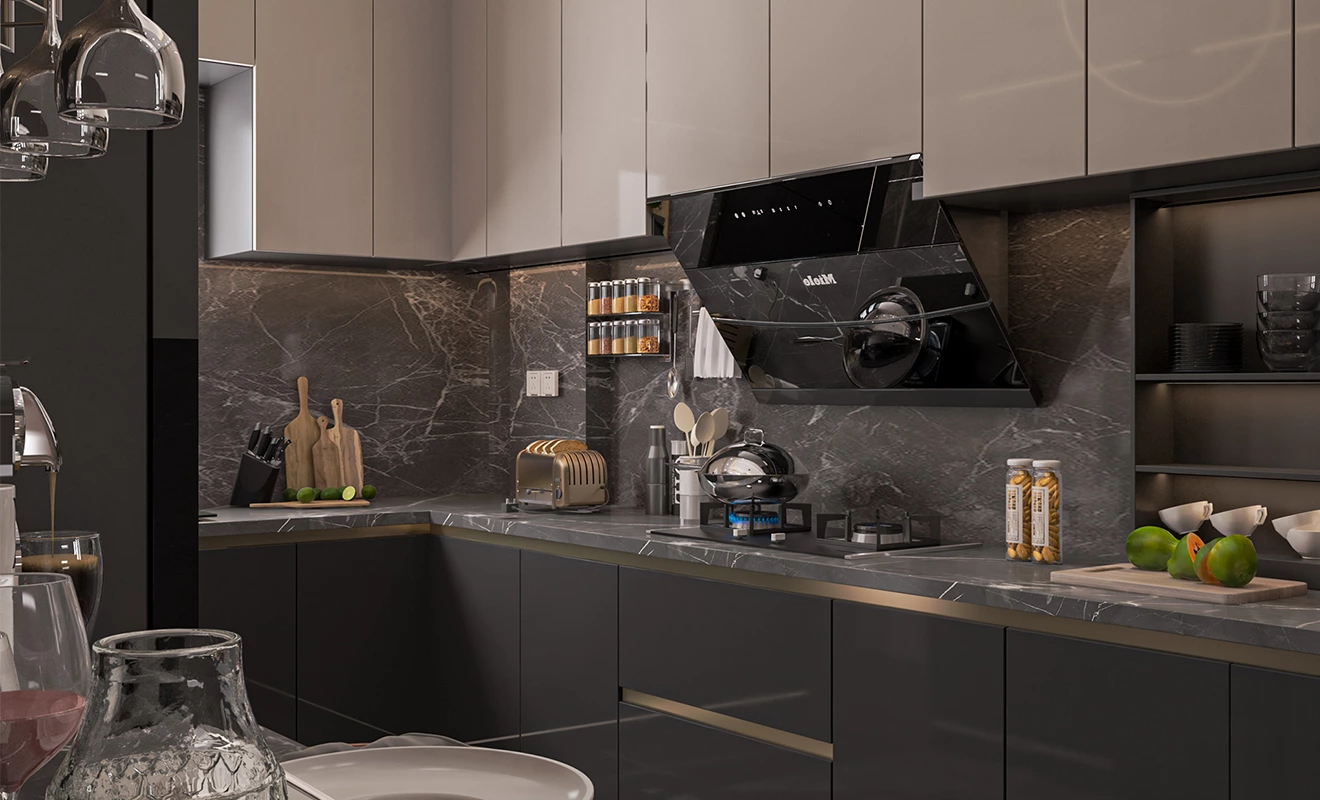
PET (Polyethylene Terephthalate) is a type of plastic laminate applied to cabinet panels under heat and pressure. It offers a consistent look with strong day-to-day durability, making it a smart option for hardworking kitchens.
Pros of PET
Highly Resistant to Wear: Excellent scratch and impact resistance for daily use, even in busy family homes.
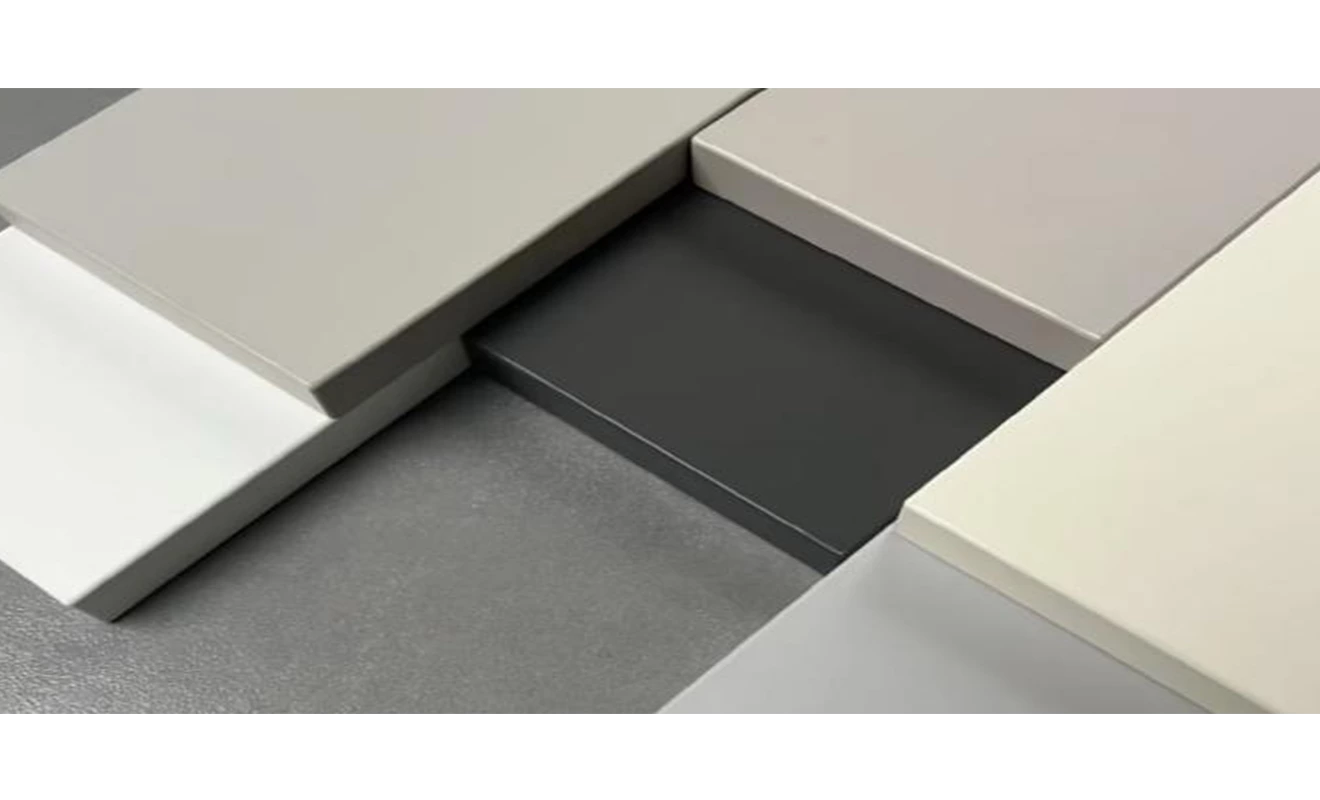
Uniform Color and Texture: PET film is factory-produced, ensuring consistent surface quality with no color variation.
Easy to Clean: A damp cloth and mild detergent are usually all that’s needed; no special care products required.
Eco-Friendly Options: Many PET laminates are made from or are recyclable as post-consumer plastics.
Cons of PET
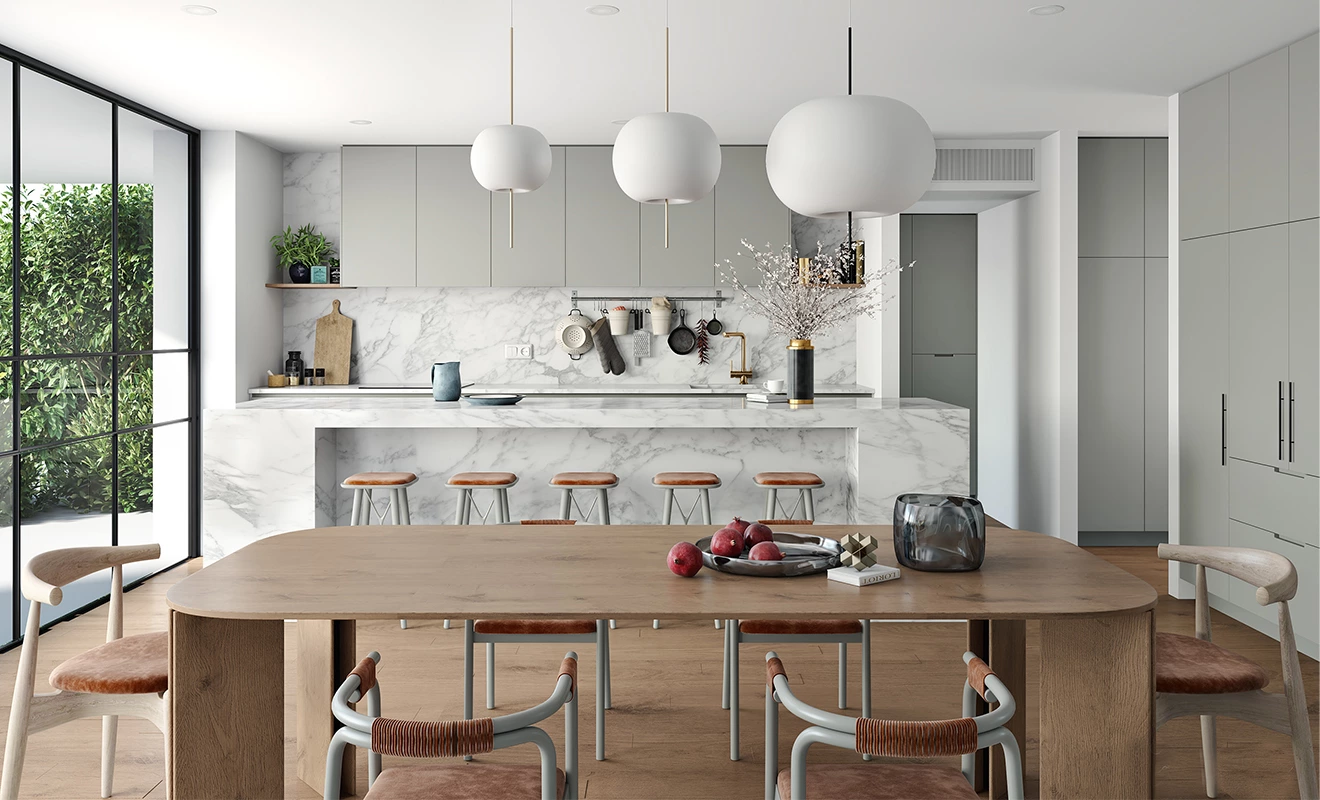
Limited Color Flexibility: Compared to lacquer, the color and texture range is more standardized.
Visible Seams: Requires edge banding, which may be noticeable depending on execution quality.
Not for Complex Shapes: Can’t be used on routed or curved panels—better suited for flat, modern designs.
Sensitive to Heat: Extreme heat exposure (e.g., next to ovens without proper insulation) may risk warping.
Best Uses for PET Kitchen Cabinets
PET is a practical option for kitchens that need strong daily performance, easy cleaning, and a clean, modern look.
- Family kitchens
PET surfaces are easier to clean and more forgiving against daily scratches, making them suitable for homes with children, frequent cooking, and heavy cabinet use. - Rental apartments and investment properties
PET cabinets offer a modern appearance with lower maintenance requirements, helping property owners reduce long-term upkeep. - Small kitchens and compact apartments
Flat PET cabinet panels create a clean visual effect, making the space feel more organized and less visually crowded. - Fast renovation projects
PET finishes are more standardized than lacquer, which can help simplify production planning and shorten project timelines.
PET is especially suitable for clients who want modern kitchen cabinets with reliable durability, easy maintenance, and practical value.
| Feature | Lacquer Finish | PET Finish |
| Appearance | high-end, fully custom | uniform, modern look |
| Scratch Resistance | moderate | high |
| Stain & Smudge Resistance | low (especially glossy) | high |
| Cleaning & Maintenance | requires care | easy and forgiving |
| Design Flexibility | full (colors, curves, detailing) | limited to flat panels |
| Seamless Look | yes | no (edge-banded) |
| Eco-Friendliness | variable | often recycled/recyclable |
| Ideal Use Case | luxury or feature cabinets | everyday kitchens, family use |
How to Choose Between Lacquer and PET Kitchen Cabinet Finishes
Choosing between lacquer and PET depends on how the kitchen will be used every day.
- Choose lacquer if design freedom is your priority
Lacquer is better for custom colors, curved panels, detailed profiles, and high-end kitchen designs where the surface finish is part of the overall visual statement. - Choose PET if daily durability matters more
PET is better for busy kitchens, rental homes, family apartments, and projects where easy cleaning and scratch resistance are more important than full color customization. - Choose lacquer for statement areas
Lacquer can work well on upper cabinets, island panels, display cabinets, or feature walls where visual impact matters most. - Choose PET for high-traffic cabinet zones
PET is often practical for base cabinets, pantry doors, utility areas, and frequently touched cabinet fronts. - Combine both for a smarter kitchen design
For many custom kitchen cabinet projects, mixing PET and lacquer can balance beauty, durability, and budget. PET can be used in high-use areas, while lacquer can highlight premium visual zones.
This approach helps homeowners achieve both modern design and long-term usability without forcing one finish to do everything.
Allure Helps You Choose the Right Cabinet Finish
At Allure, we know that finishes aren’t just about what looks good in a photo—they’re about how your kitchen performs in real life. That’s why we tailor every cabinet solution to your unique needs, preferences, and household routine.
For high-end kitchens with detailed design elements, lacquer offers unmatched precision, elegance, and flexibility. Whether you're going for deep matte tones or high-gloss showstoppers, lacquer helps you achieve a truly customized look.
For busy family homes, rental properties, or fast-paced renovations, PET finishes offer durability, ease of maintenance, and a modern aesthetic that lasts. It’s a great fit for clients who want the look of lacquer without the added upkeep.
Want curved cabinet doors or intricate profiles? Lacquer is the way to go; Need something easy to clean and tough against knocks? PET will serve you well.
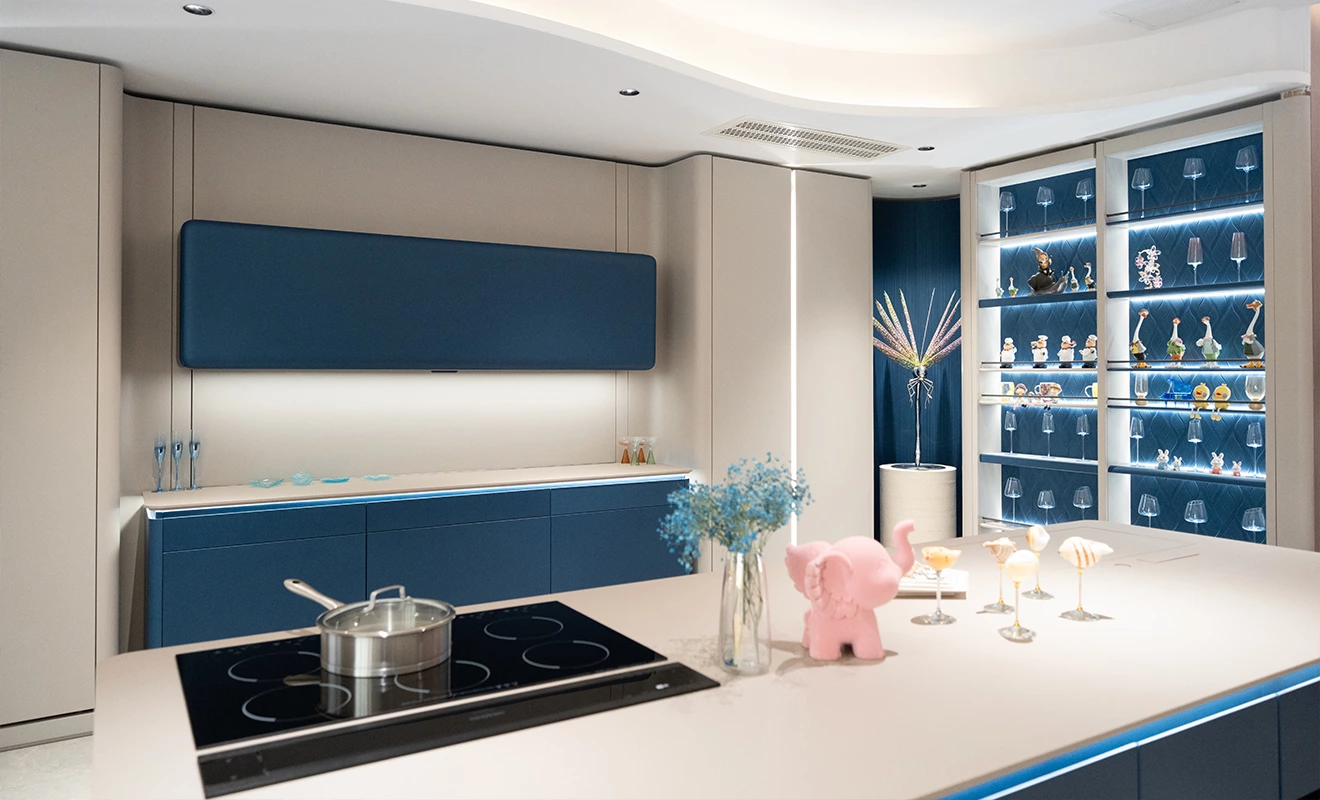
Allure offers both lacquer and PET finishes across our custom cabinetry range, allowing you to mix and match by function and style. Pair PET for high-traffic base cabinets with lacquered uppers for an elevated visual contrast—that’s where performance meets design intelligence.
Beyond Kitchen Cabinets: Matching Finishes Across the Whole Home
The right cabinet finish can also support a more consistent whole-house design. In modern homes, kitchens are often visually connected with dining areas, living rooms, wardrobes, bathroom vanities, and storage walls.
Allure can help clients coordinate lacquer and PET finishes across different custom furniture areas:
- Kitchen cabinets for cooking, storage, and open-plan living
- Wardrobes for bedrooms with matching matte or wood-grain finishes
- Bathroom vanities with moisture-conscious surface planning
- TV cabinets and storage walls for visual consistency
- Laundry cabinets and utility storage for durable daily use
This allows homeowners, designers, and developers to create a unified interior style while choosing the most practical finish for each space.
Conclusion
Choose Lacquer for its high-end, fully customizable look and design flexibility—ideal for feature walls, statement kitchens, and homes where every detail counts.
Choose PET for its practical durability, low maintenance, and value-driven appeal—perfect for hardworking kitchens and streamlined modern layouts.
And remember: at Allure, you don’t have to compromise. We’ll help you blend aesthetics with functionality by offering finish combinations that suit your space, your needs, and your vision. Whether you love a clean matte PET or a high-gloss lacquered accent, your dream kitchen starts with the right finish.
FAQ
Is lacquer better than PET for kitchen cabinets?
Lacquer is better for luxury kitchen cabinets that require custom colors, seamless surfaces, curved panels, or detailed profiles. PET is better for kitchens that need stronger scratch resistance, easier cleaning, and lower daily maintenance.
Which cabinet finish is easier to maintain, lacquer or PET?
PET is generally easier to maintain because it resists scratches, smudges, and daily wear better than lacquer. Lacquer requires more careful cleaning with soft cloths and non-abrasive products to avoid dulling or surface damage.
Are PET kitchen cabinet finishes suitable for family homes?
Yes. PET kitchen cabinet finishes are suitable for family homes because they are durable, easy to clean, and resistant to daily wear. They are a practical choice for busy kitchens, rental homes, and apartments with frequent cabinet use.
Can lacquer kitchen cabinets be customized in any color?
Yes. Lacquer kitchen cabinets offer strong color flexibility. They can be finished in matte, satin, or high-gloss effects and customized to match modern, luxury, minimalist, or whole-house interior design themes.
Can I combine lacquer and PET finishes in one kitchen?
Yes. Combining lacquer and PET finishes is a smart option for custom kitchen cabinets. PET can be used for high-traffic base cabinets, while lacquer can be used for upper cabinets, islands, or feature panels to create a premium visual contrast.
Which finish is better for modern custom kitchen cabinets?
Both lacquer and PET can work well for modern custom kitchen cabinets. Lacquer is ideal for a more premium, design-focused kitchen, while PET is ideal for a clean, practical, and low-maintenance modern kitchen.


