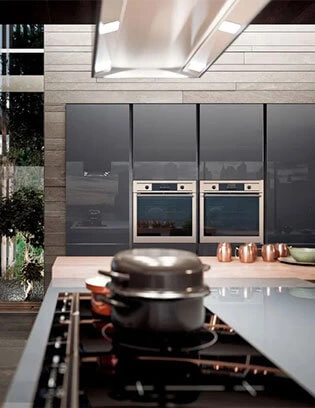
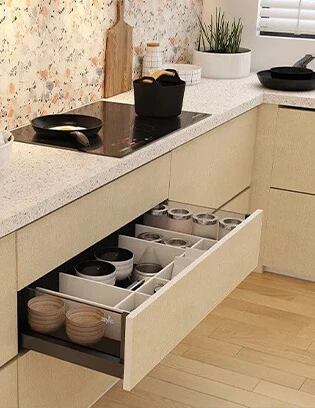
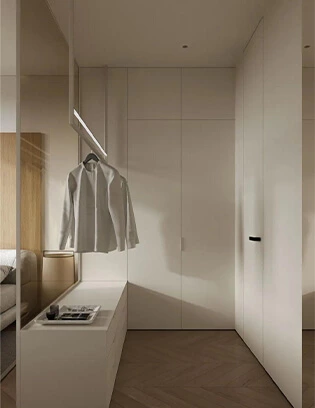
A well-organized kitchen is not defined only by how many cabinets it has. The most successful kitchen storage ideas make everyday items easy to find, keep worktops clear, and give each cooking zone a practical purpose. From a compact pantry cabinet to a dedicated coffee bar, the right storage plan can make a kitchen feel calmer, more efficient, and more enjoyable to use.
If you're looking for ideas to build a powerful storage or pantry for your kitchen, just keep reading and get more.
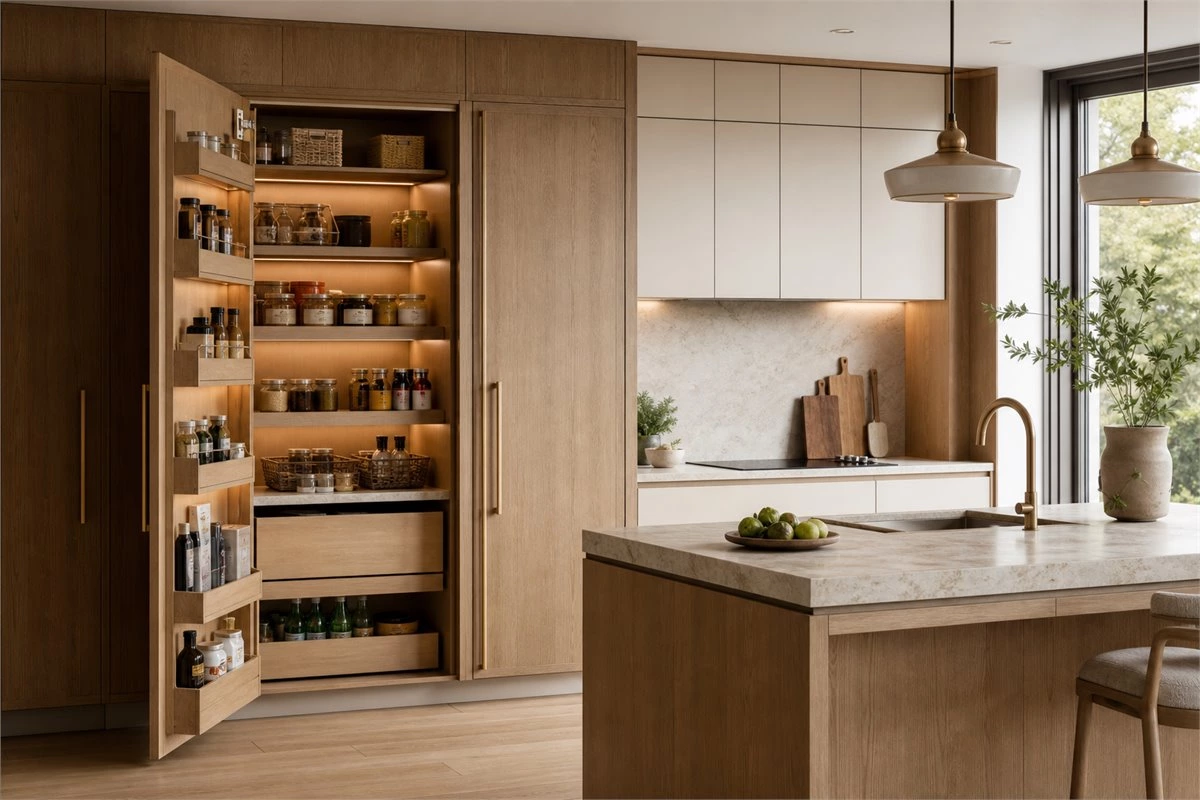
■ Design: Minutiae
Before choosing a cabinet system, identify what needs to be stored most often: dry goods, cookware, small appliances, tableware, cleaning supplies, or entertaining pieces. This simple step helps prevent deep cabinets from becoming hard-to-reach catch-all spaces. The most practical kitchen storage ideas place frequently used items close to the preparation, cooking, cleaning, or serving zone where they are needed.
Types of Kitchen Storage
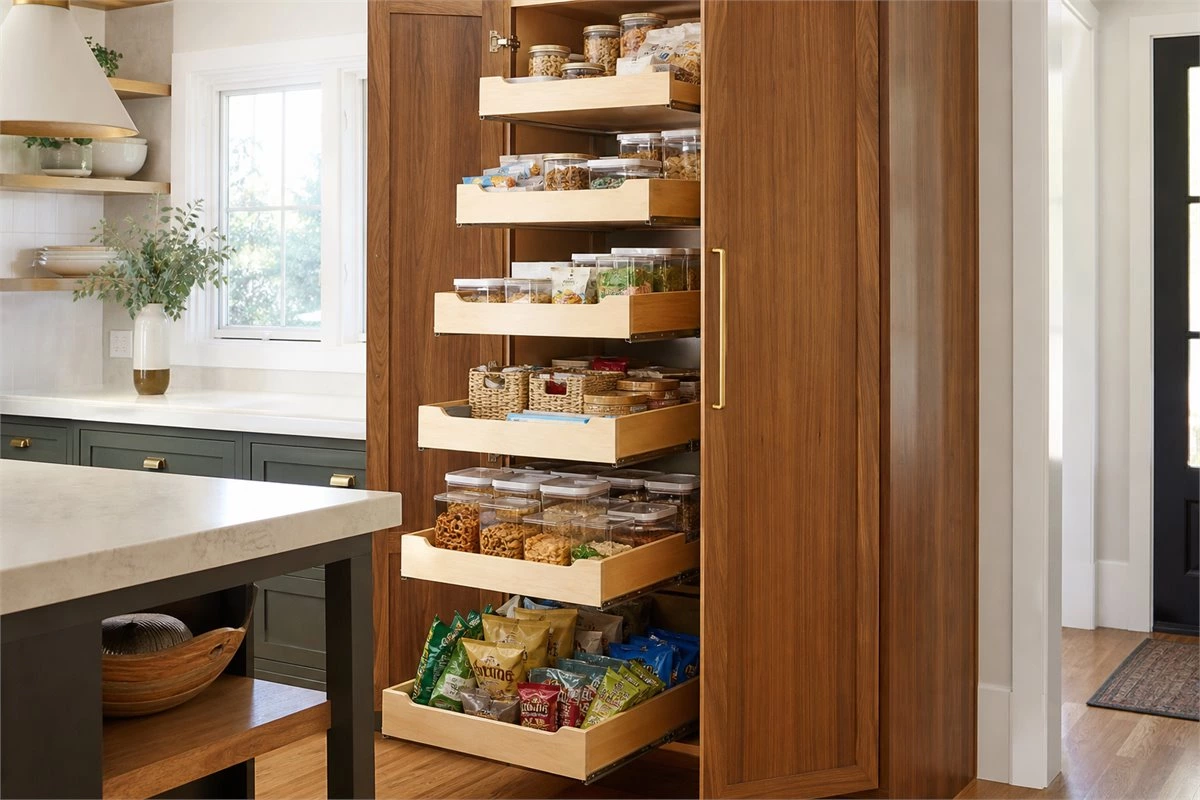
Wall-mounted Storage: Typically situated on kitchen walls, these are often crafted from tall woodwork to maximize storage space. Utilizing pull-out shelves makes it easy to access items. If used for storing snacks, consider placing them near the door for convenient access by every family member.
■ Design: Glamour Concept
Wall-mounted storage is especially useful in narrow kitchens because it makes use of vertical space without reducing the main working aisle. Tall pantry units can hold dry foods, serving ware, and small appliances, while internal pull-outs make items at the back easier to access. Adjustable shelves also allow the cabinet interior to evolve as household needs change.
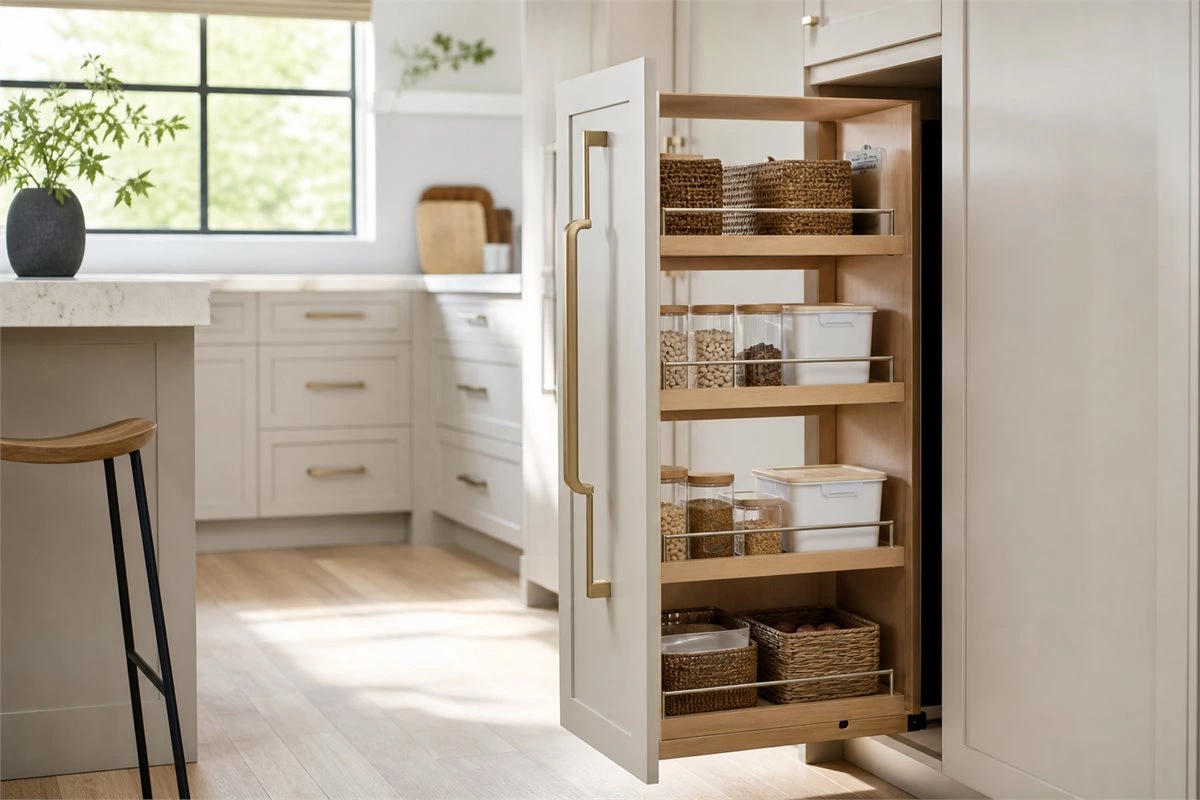
For elderly individuals, ensure that the handles are wide enough to allow them to grip and open the pull-out shelves comfortably.
■ Design: The Local Interior
Accessibility should be part of the storage design from the beginning. Smooth full-extension slides, comfortable pull profiles, and clear shelf spacing can make pantry storage easier for children, older adults, and anyone who cooks regularly. Avoid placing the heaviest containers on high shelves; reserve low, easy-access areas for everyday cookware and pantry staples.
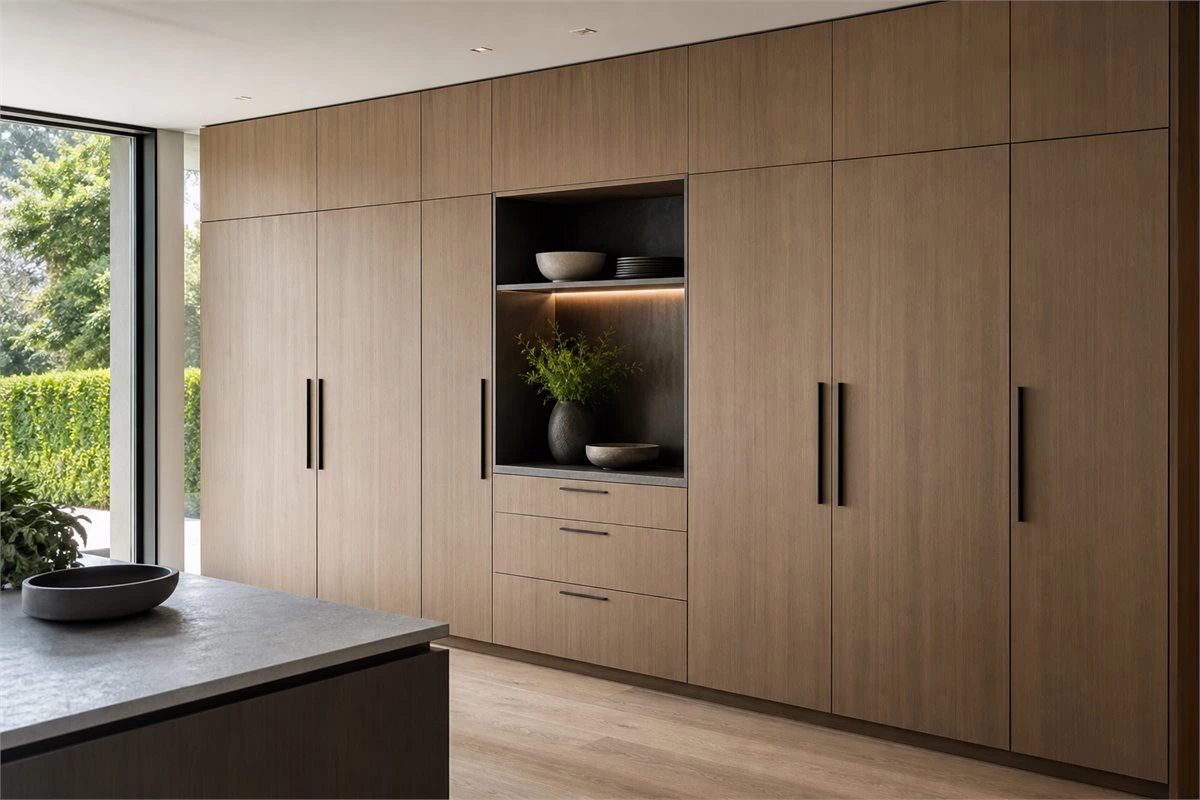
Built-in Storage: These storage units are typically integrated with cabinets, blending seamlessly with the overall aesthetic of the kitchen.
■ Design: Koze
Built-in storage gives a kitchen a clean, architectural look because pantry cabinets, appliance housings, and worktop storage can share the same finish and proportions. It is a strong option for open-plan homes where the kitchen remains visible from the dining or living room. Closed cabinet fronts help reduce visual clutter, while a small open niche can keep frequently used items within reach.
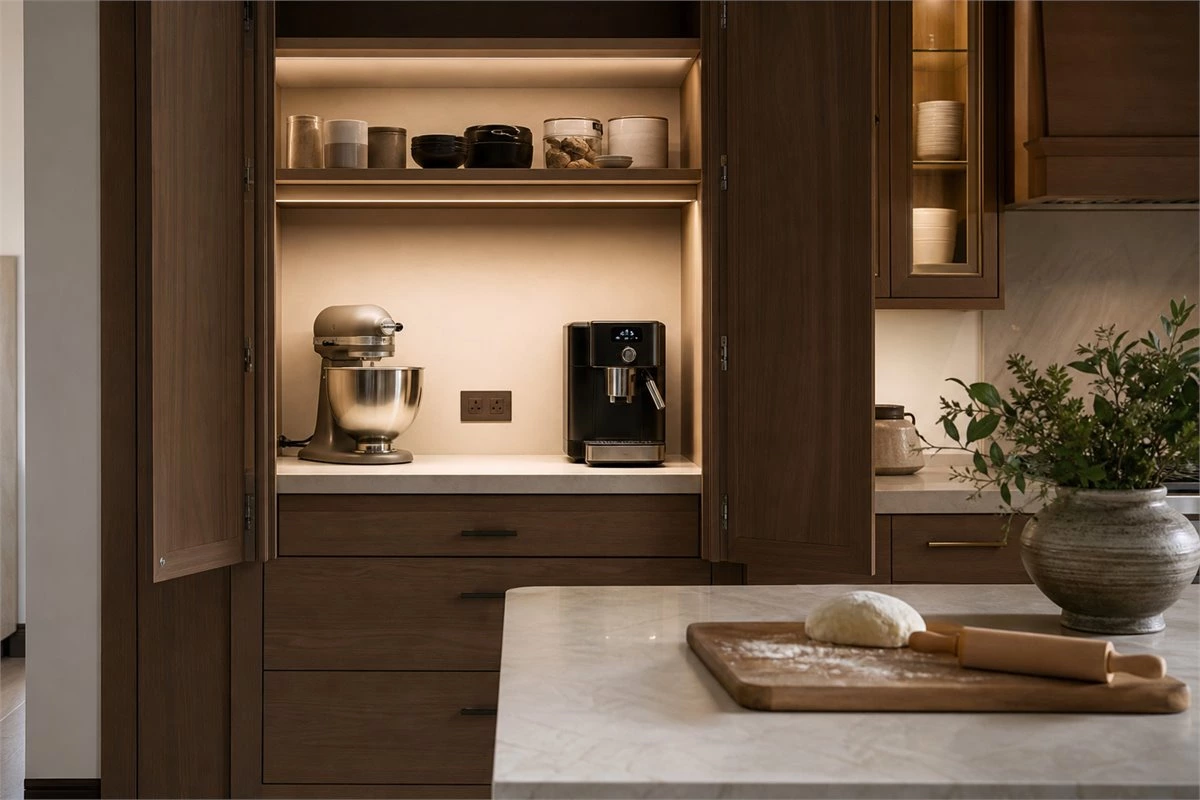
You can also incorporate appliances like ovens and microwaves into them to minimize countertop clutter. Some even conceal entire baking functionalities within, including a marble countertop for kneading dough.
■ Design: Chengyi Interior Design
An appliance garage or baking station is one of the most practical kitchen storage ideas for busy households. It can give coffee machines, mixers, toasters, and other countertop appliances a dedicated home while allowing the main work surface to remain clear. When planning this feature, confirm ventilation requirements, electrical outlet locations, appliance dimensions, and door-opening clearance before cabinet production.
Walk-in/Reach-in Storage: Ideal for avid cooks with numerous small appliances, dry goods, and spices to store, walk-in/reach-in storage is a great solution. With widths around 90 cm for walk-in storage and 60 cm for reach-in storage, equipped with open shelves to compartmentalize items, it helps maintain organization and tidiness.
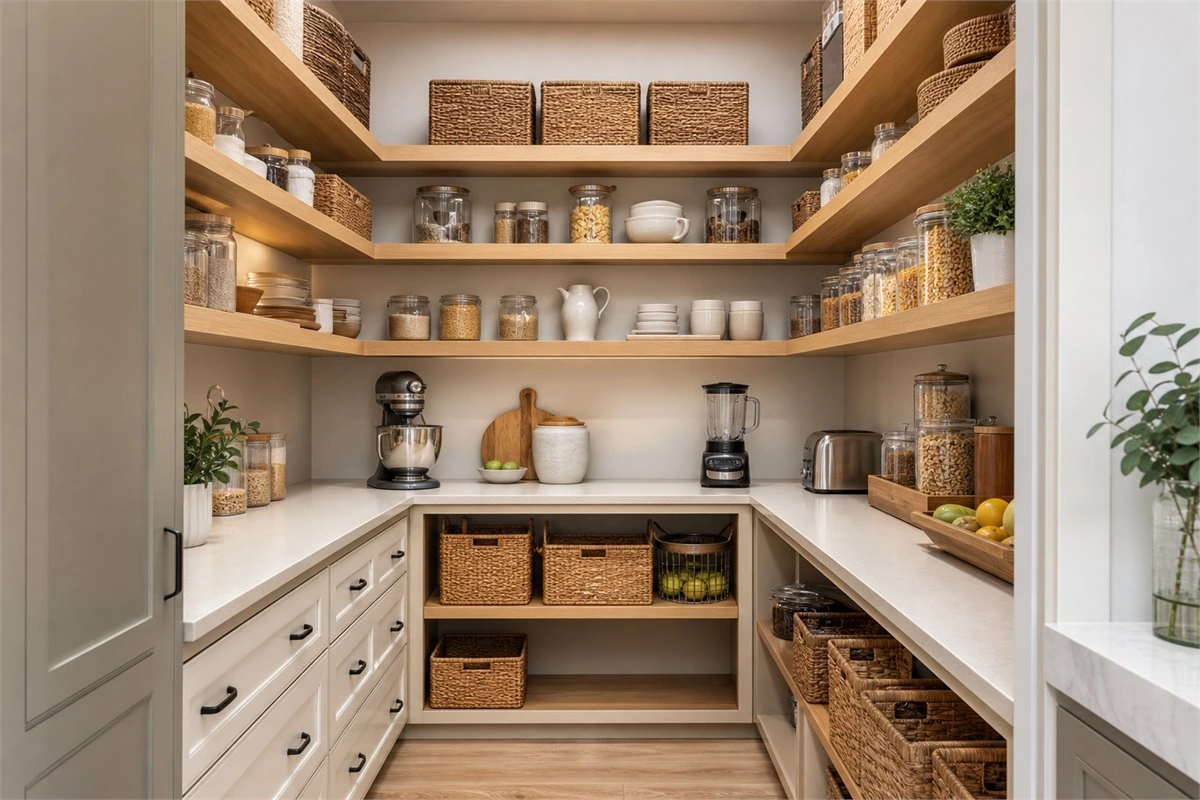
■ Design: Country Concept
A walk-in or reach-in pantry works best when it is organized by category. Keep daily breakfast foods, cooking oils, spices, and grains on the most accessible shelves. Reserve higher or deeper shelves for occasional serving pieces and bulk supplies. Clear containers, labels, and internal baskets can make the pantry easier to maintain without changing its overall design.
Prep-style Storage: Perfect for those who frequently entertain guests or own a large collection of china. Positioned between the kitchen and dining/living area, it can also serve as a display for showcasing collectible china, prioritizing functionality.
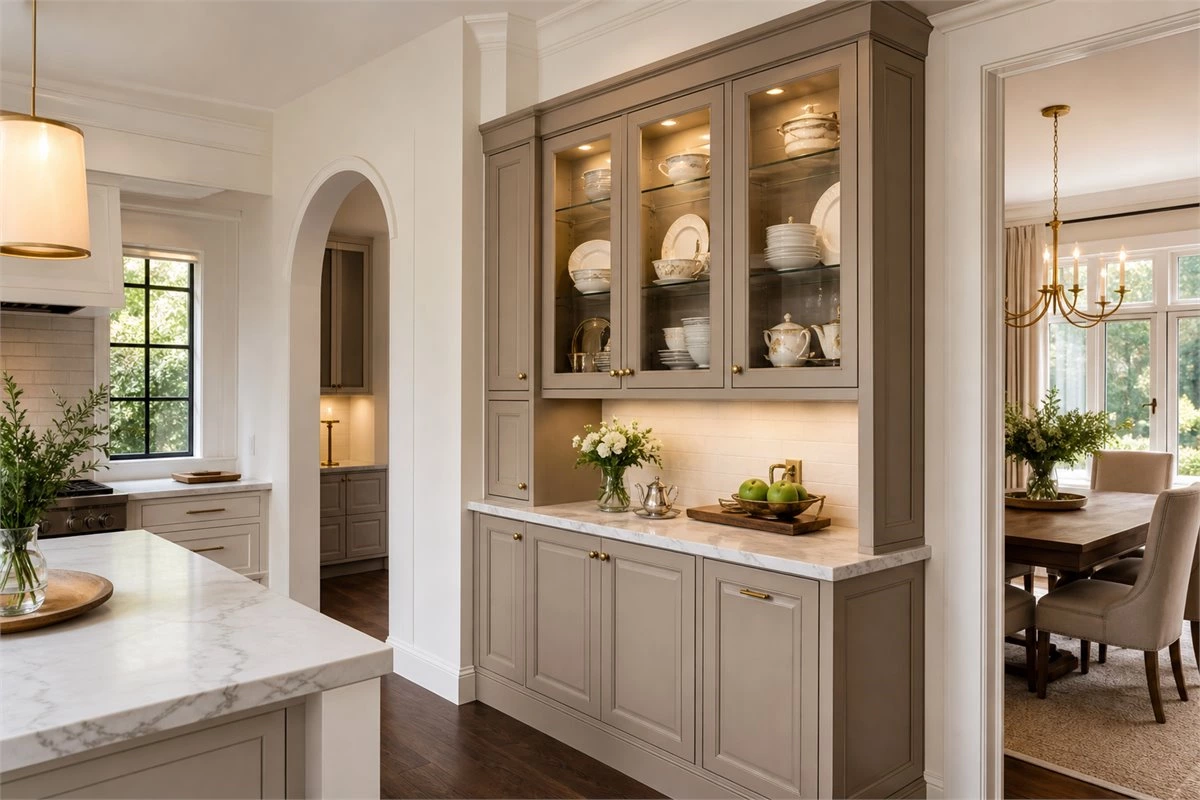
■ Design: The Orange Cube
Prep-style storage is useful when the kitchen needs to support both everyday meals and entertaining. A cabinet located between the kitchen and dining area can store plates, serving trays, glasses, linens, and drinks in one convenient place. It also creates a natural transition between cooking and hosting without interrupting the overall layout.
Display your finest china in the upper glass cabinets while using the lower enclosed cabinets to store miscellaneous items out of sight.
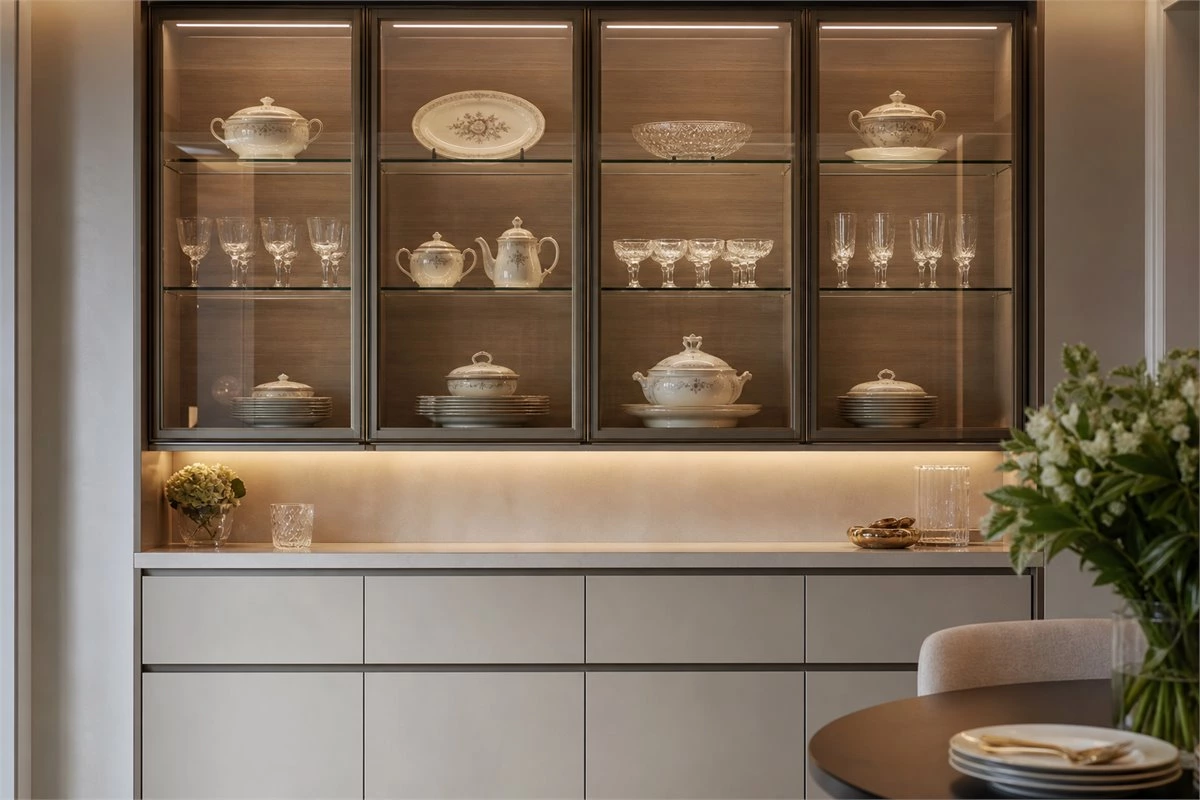
■ Design: The Interior Lab
Combining open display with concealed storage creates a useful visual balance. Glass cabinet doors keep special pieces visible and protected from dust, while lower cabinets hide items that do not need to be displayed. Integrated lighting can make a china cabinet feel more refined and improve visibility during evening meals or gatherings.
Bar Counter: For coffee aficionados or wine connoisseurs, you might need a space that serves both as storage and as a bar counter. Besides a coffee machine, the countertop provides space for cups and coffee accessories (grinders, milk frothers). The lower cabinets can accommodate a mini-fridge for milk or a water filter. For those in need of a home bar, slanted racks are suitable for storing wine, and hanging wine glasses are convenient. Integrated wine coolers can maintain optimal storage temperatures.
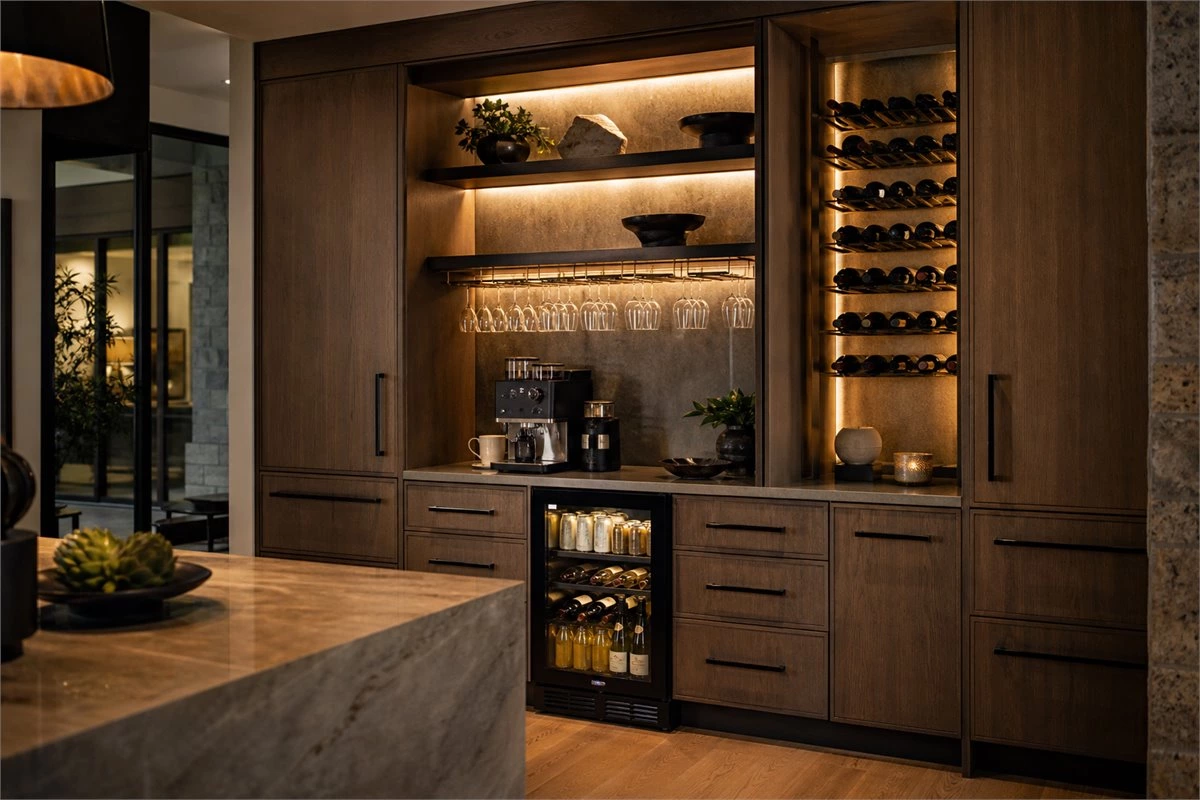
■ Design: The Alchemists Design
A coffee bar or home bar should be planned around a clear routine. Place cups, beans, tea, glassware, and accessories within easy reach of the counter, then use drawers or lower cabinets for less attractive but necessary items. If the area includes a wine cooler, mini-fridge, or water filter, confirm the required ventilation and service access in the cabinet drawings.
Practical Tips to Consider
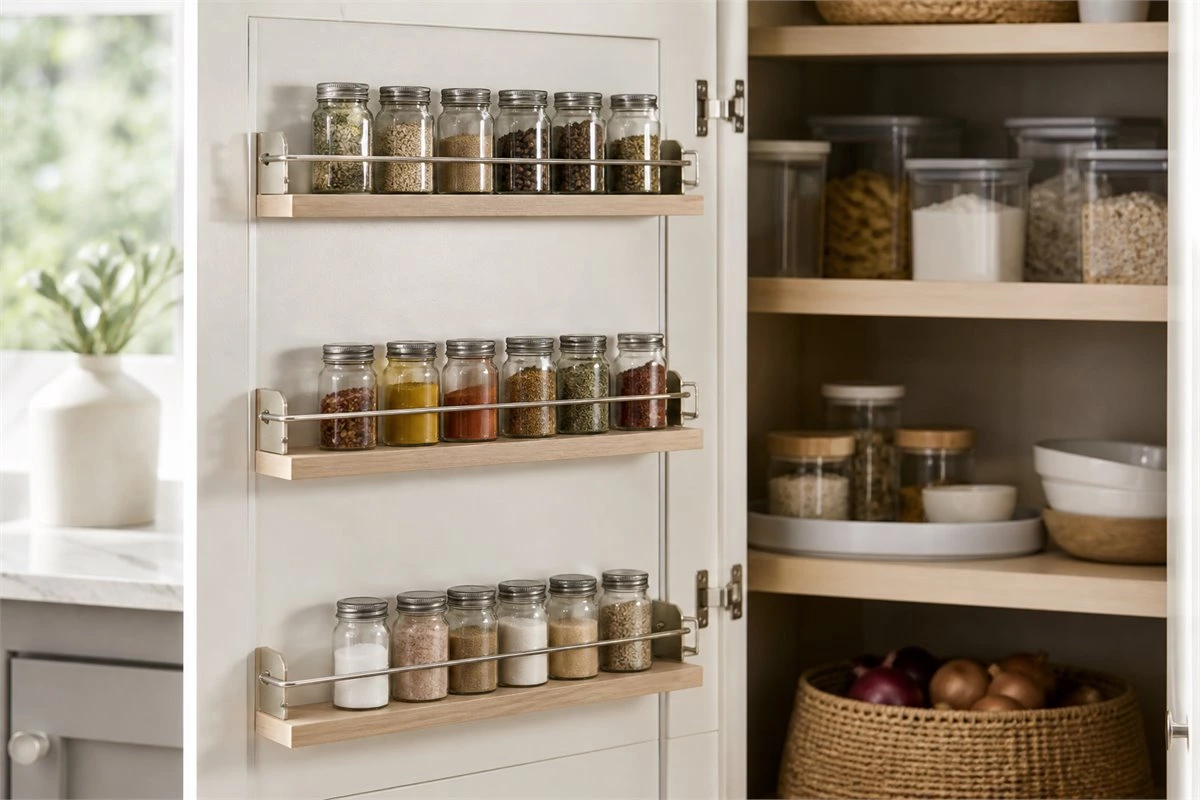
Door-mounted Storage: By adding storage units to your cabinet doors, make the most of your pantry space. Store lightweight items to avoid premature damage to door hinges.
■ Design: Koze
Door-mounted racks are ideal for lightweight spices, packets, wraps, and small cleaning supplies. Keep the load balanced and avoid storing heavy glass containers on the door itself. For a deeper look at drawer dividers, corner systems, cookware storage, and other base-cabinet solutions, read our base cabinet organization guide.
Sliding Shelves: Suitable for larger appliances you don't want to move frequently, sliding shelves offer convenient access to these appliances.
Sliding shelves are particularly helpful for heavy mixers, rice cookers, air fryers, and countertop appliances. They reduce lifting and make the back of a deep cabinet useful instead of forgotten. Make sure the slide system has a suitable load rating for the appliance and the shelf material.
Integrated Storage Baskets: Ideal for storing non-refrigerated fresh produce. Integrated baskets provide a unified, aesthetic appearance to your kitchen storage space.
Integrated baskets are a practical choice for onions, potatoes, and other produce that should remain visible and ventilated. Use removable liners or easy-to-clean basket inserts to simplify maintenance. Position them away from direct heat and avoid overcrowding so air can circulate.
Sliding Doors: These doors neatly tuck away on either side, saving some kitchen aisle space. Particularly useful if you need to keep the pantry door open for extended periods.
Sliding or pocket doors can conceal a pantry, appliance station, or coffee bar without projecting into a narrow aisle. They work especially well in compact kitchens, but the hardware and door thickness should be planned early so the system operates smoothly and the storage remains fully accessible.
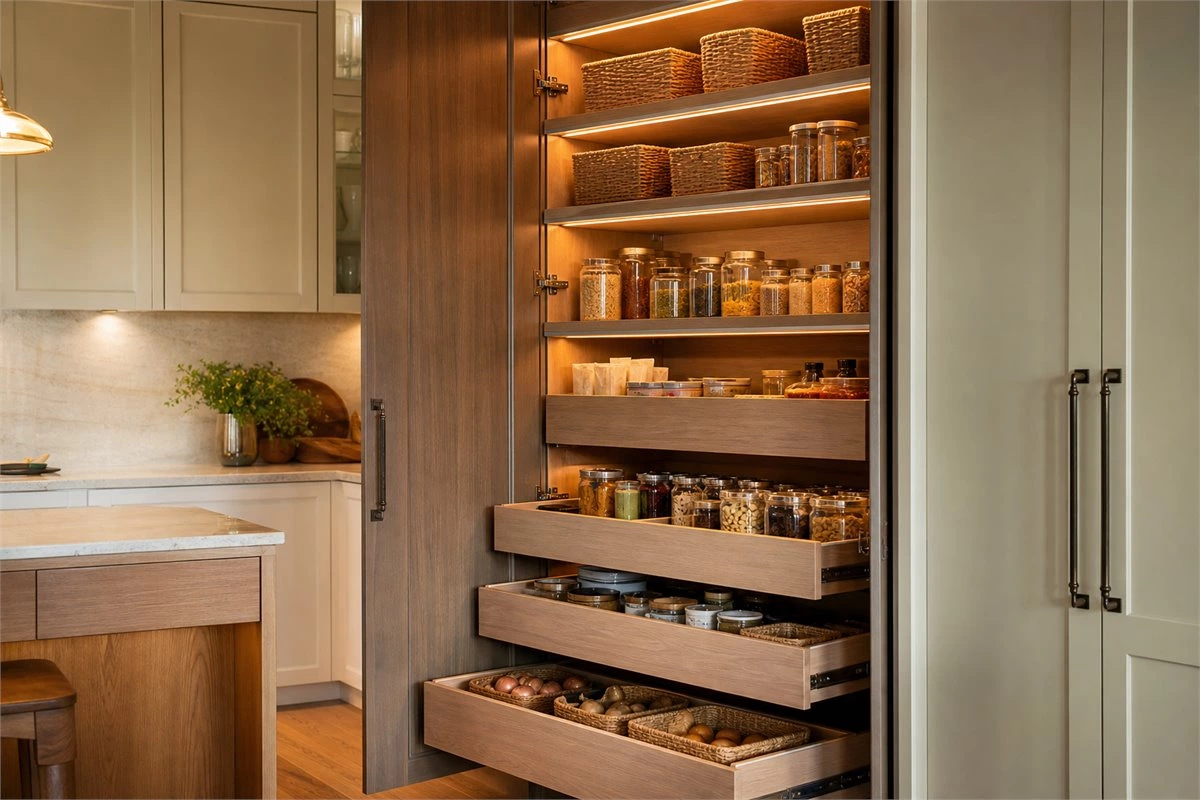
Concealed Lighting: Not only do they create ambiance, but they also illuminate dark corners, such as underneath shelves, making it easier for you to see what's inside without straining.
■ Design: The Alchemists Design
Good lighting makes kitchen storage easier to use every day. Add LED strips beneath shelves, inside tall cabinets, or within glass display units to illuminate dark corners. Motion-sensor lighting can be useful in pantries because it switches on automatically when a door or pull-out system is opened.
Plan Kitchen Storage by Work Zone
The most efficient kitchen storage ideas are based on how the kitchen is used rather than simply filling every empty cabinet. Keep knives, cutting boards, food containers, and prep bowls near the preparation area. Place pots, pans, cooking utensils, and spices close to the cooktop. Store waste bins, cleaning products, and dishwashing items near the sink. Dry goods and bulk supplies belong in the pantry zone.
- Preparation zone: knife drawers, cutting-board pull-outs, food containers, and utensils.
- Cooking zone: cookware drawers, spice pull-outs, oils, and heat-resistant organizers.
- Cleaning zone: pull-out bins, recycling storage, cleaning products, and dish towels.
- Pantry zone: dry goods, small appliances, serving ware, and adjustable shelving.
Storage hardware also affects how well each zone performs. Full-extension slides, soft-close drawers, pull-out baskets, and well-planned internal dividers can make deep cabinets much more accessible. For further guidance, see our kitchen cabinet hardware guide.
Frequently Asked Questions About Kitchen Storage Ideas
What is the best kitchen storage solution for a small kitchen?
For a small kitchen, use tall cabinets, full-extension drawers, internal organizers, wall-mounted storage, and pull-out pantry systems. Vertical storage and clearly defined cabinet zones usually work better than adding too many open shelves.
How deep should kitchen pantry shelves be?
The ideal depth depends on the type of storage. Shallow shelves make small jars and dry goods easier to see, while deeper shelves may work for appliances or larger containers. Pull-out shelves are useful when a cabinet is deep because they bring items at the back forward.
How can I keep kitchen cabinets from becoming cluttered?
Give each cabinet a defined purpose, group similar items together, and use dividers, baskets, or internal drawers where needed. Review pantry and drawer contents regularly so expired food, duplicate items, and unused tools do not take up valuable space.
Conclusion
Practical kitchen storage is about more than adding cabinets. It is about creating a logical place for every item, improving access to the things you use most, and keeping the kitchen comfortable for cooking and entertaining. From a tall pantry and appliance garage to a coffee bar or pull-out shelf, these kitchen storage ideas can help transform the kitchen into a more organized and efficient part of the home.