Handleless Cabinet Designs in Modern Homes
Cabinets are essential furniture in every household. There are small ones like sideboards and shoe cabinets, and larger ones like wardrobes and kitchen cabinets. With the rise of minimalism, cabinets, which are frequently found in everyday homes, are quietly changing. Cabinets are returning to their functional roots, becoming more simplistic. However, in pursuit of aesthetic appeal, handleless cabinets are becoming a popular trend.
Handleless cabinet designs can create a calm, continuous surface across an entire home, but the opening method should be planned as carefully as the door finish. A successful design balances a clean appearance with a comfortable grip, suitable hardware, easy cleaning, and reliable access to the items stored inside.
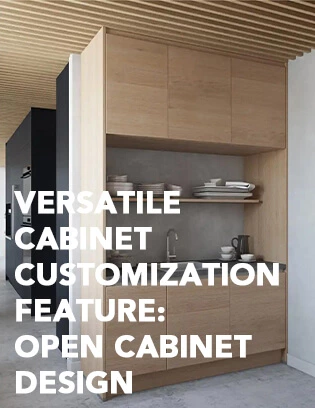
Handleless cabinets have clean and sleek facades without unnecessary decorations. They eliminate the hassle of choosing handles, and the integrated design easily creates a cohesive and impressive overall effect.
Entryway Handleless Cabinet
In the entryway, cabinets typically combine elements like wardrobes, shoe benches, and storage cabinets to meet the needs of storing temporary clothing, shoes, and other household items. By abandoning handle designs, the entrance hall appears cleaner and more organized.
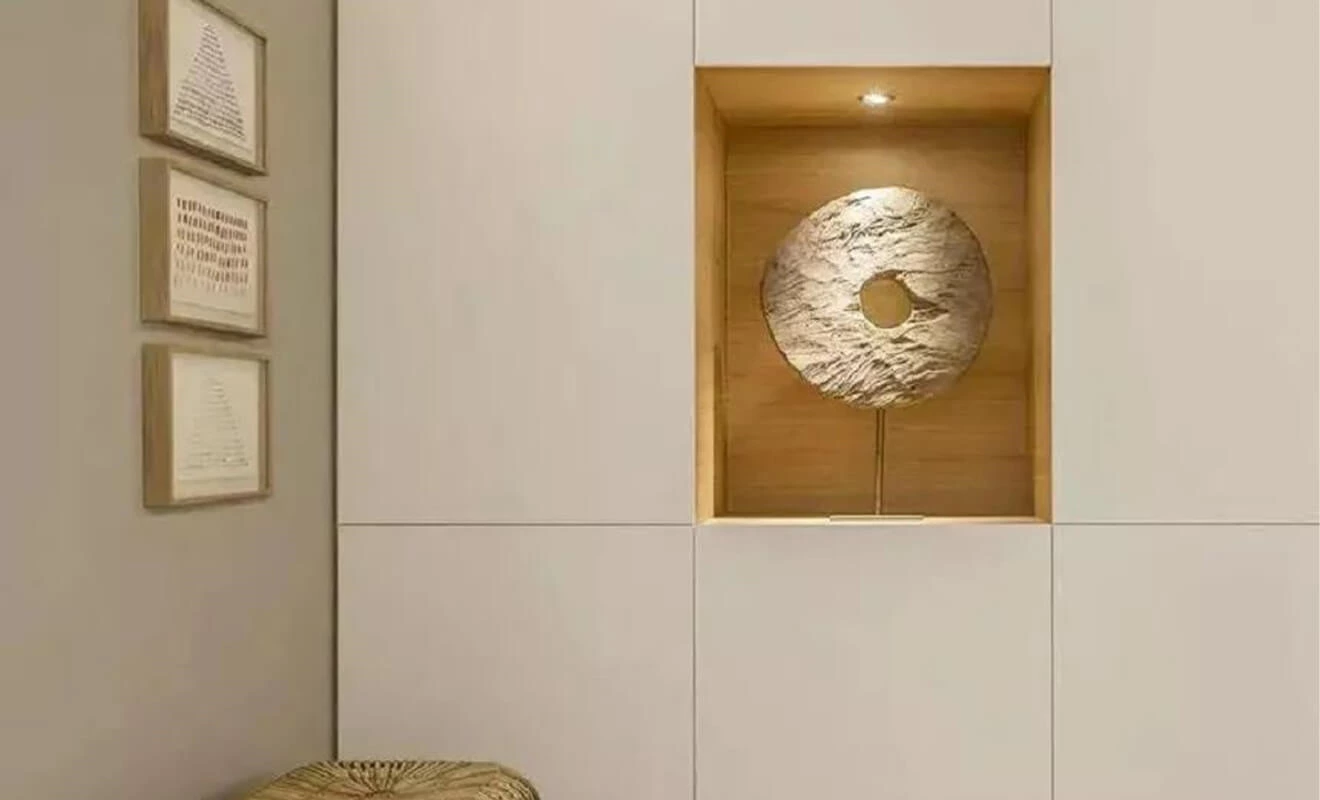
For an entry cabinet, recessed pulls, finger gaps, or concealed edge profiles can maintain a clean first impression while still allowing quick access to shoes, bags, and daily essentials. Consider which doors will be opened with full hands, and place frequently used storage at a comfortable height.
Living Room Handleless Cabinet
The living room is the face of a home, and proper storage can make it more spacious and tidy. Therefore, cabinets are indispensable for the living room.
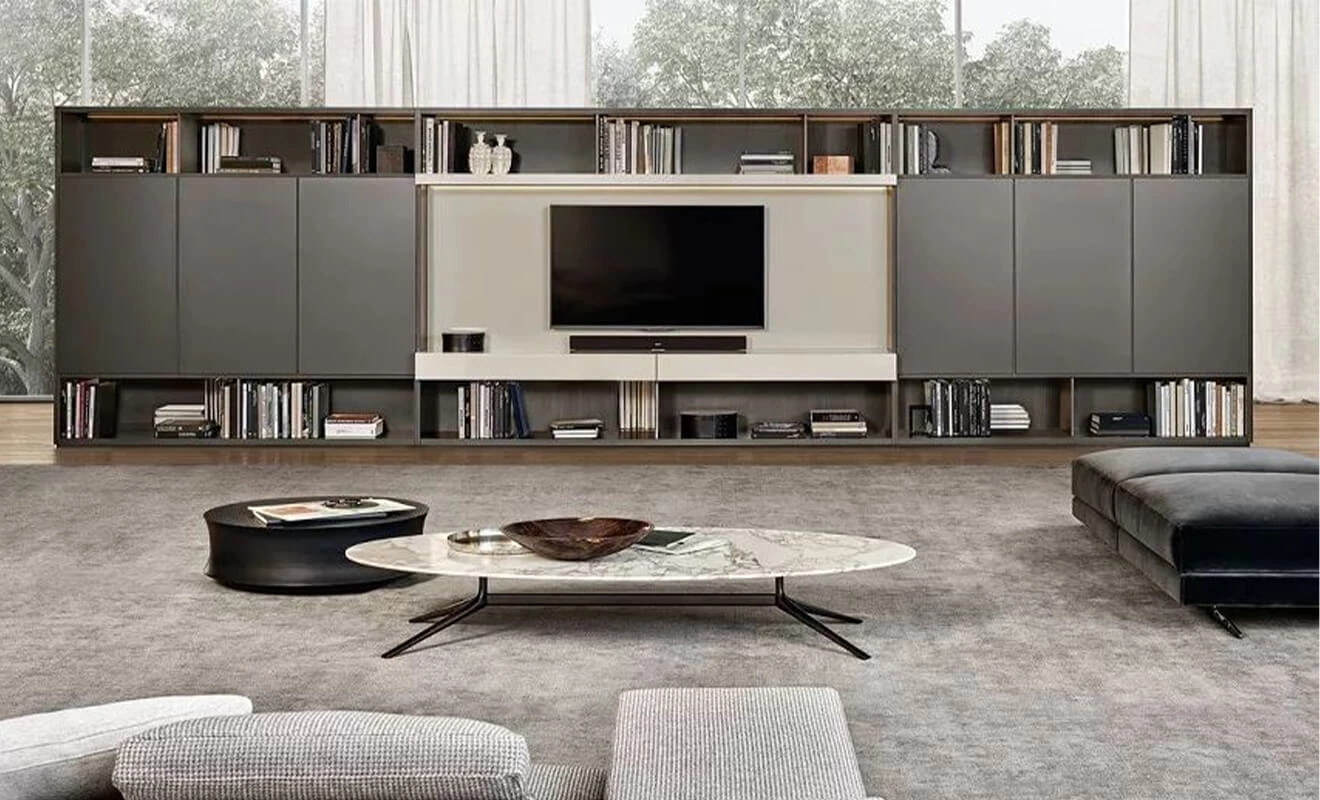
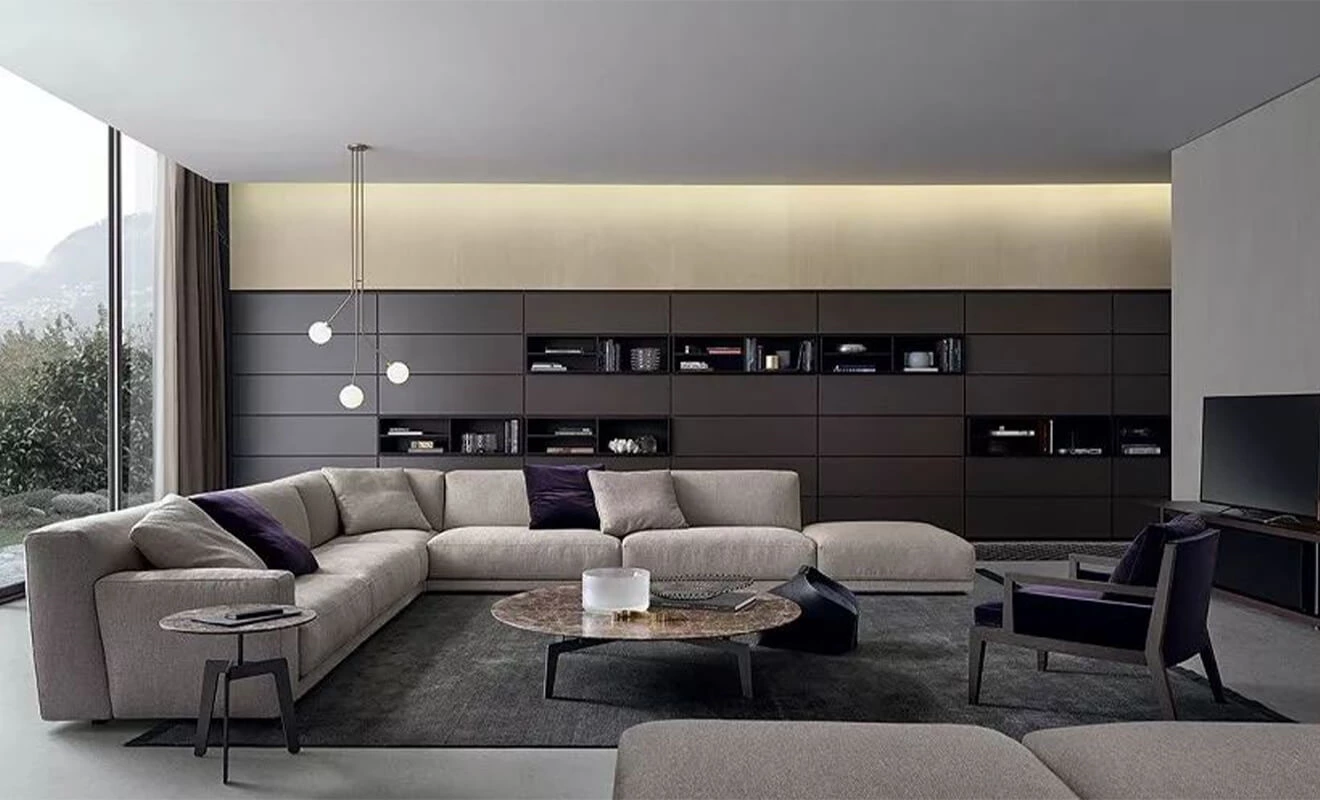
To maximize storage capacity, the TV wall and TV cabinet can be combined into one unit. Handleless TV cabinets not only accommodate small items but also make full use of every inch of wall space, effectively improving the utilization of the entire living room.
Living room handleless cabinet designs often work best with full-height panels, concealed media storage, and a consistent door rhythm. Confirm ventilation, cable access, remote-control use, and maintenance access before the TV wall is produced. A clean facade should not make everyday equipment difficult to reach.
Kitchen Handleless Cabinet
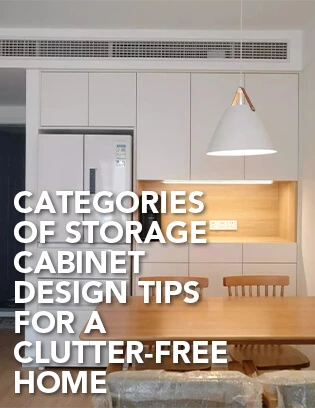
Handleless kitchen cabinet design has gained great popularity as it offers a sleek and modern aesthetic that will blend well with any home. Handleless kitchen cabinets get rid of traditional handles and present a clean and uncluttered appearance, which gives a sense of spaciousness and provides a smooth flow throughout the kitchen. The design also contributes to safety by minimizing the risk of accidentally bumping into protruding handles.
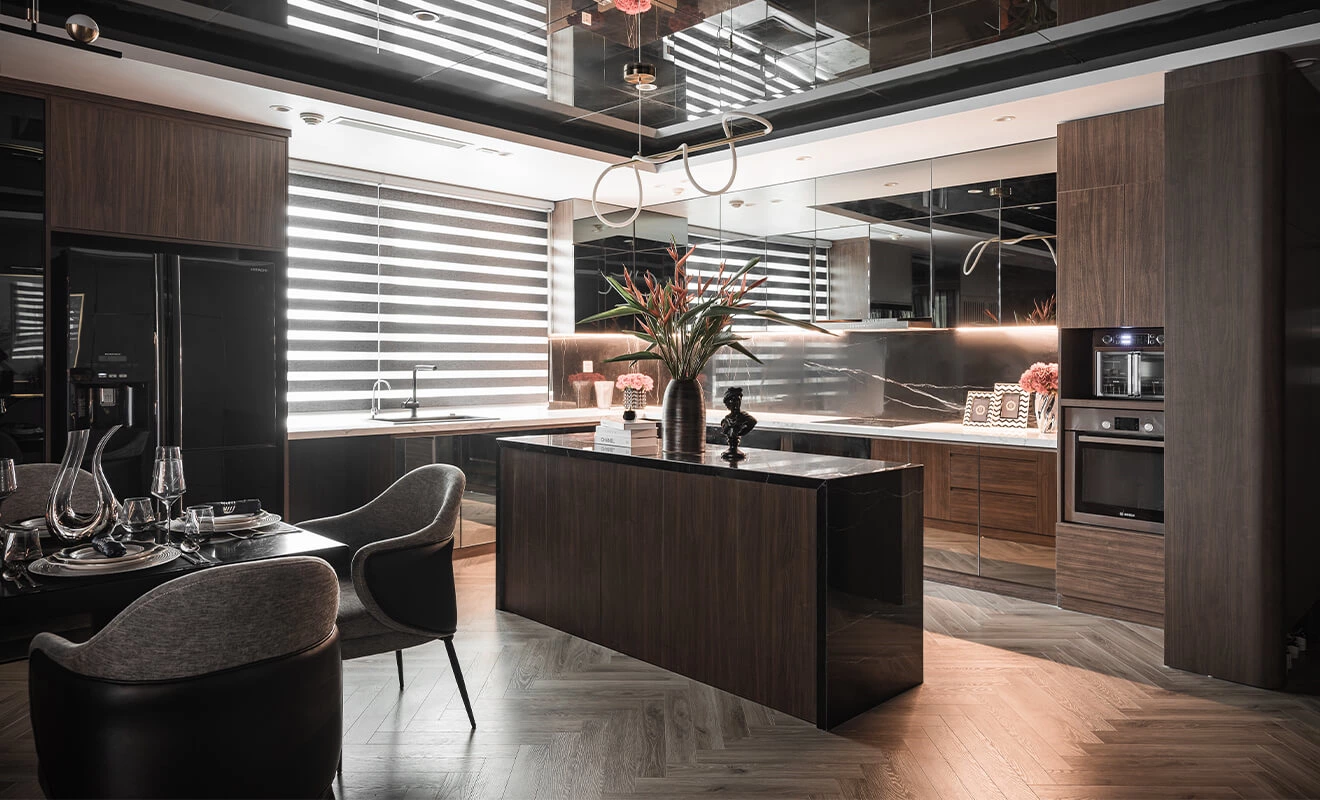
In a kitchen, the preferred opening method should reflect the cabinet function. Integrated rail profiles can provide a consistent grip for frequently used drawers, while push-to-open hardware may suit selected wall cabinets or a clean appliance surround. Avoid placing a purely touch-operated opening system where wet or heavily used hands may make it less practical.
For a broader comparison of visible handles, recessed pulls, and handleless options, see the handle or handleless cabinet design comparison.
Bedroom Handleless Cabinet
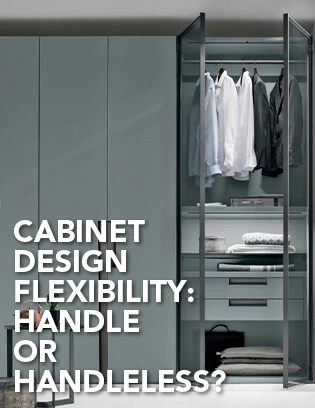
In the bedroom, cabinets mainly refer to wardrobes. A handleless wardrobe that combines functionality and aesthetics not only enhances the comfort of the sleeping space but also showcases taste and sophistication.
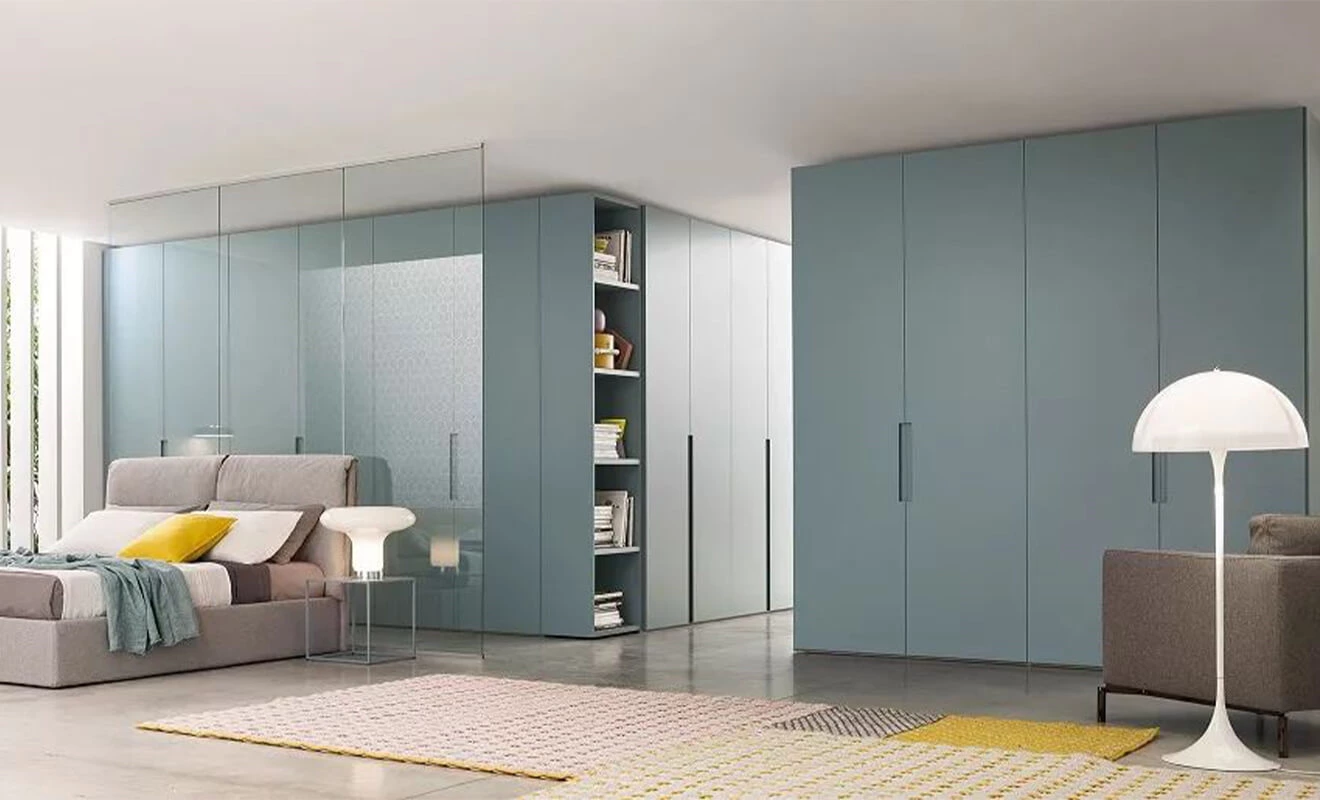
Ceiling-to-floor wardrobes, without handles, can seamlessly blend with the wall, creating a flatter and more comfortable visual effect.
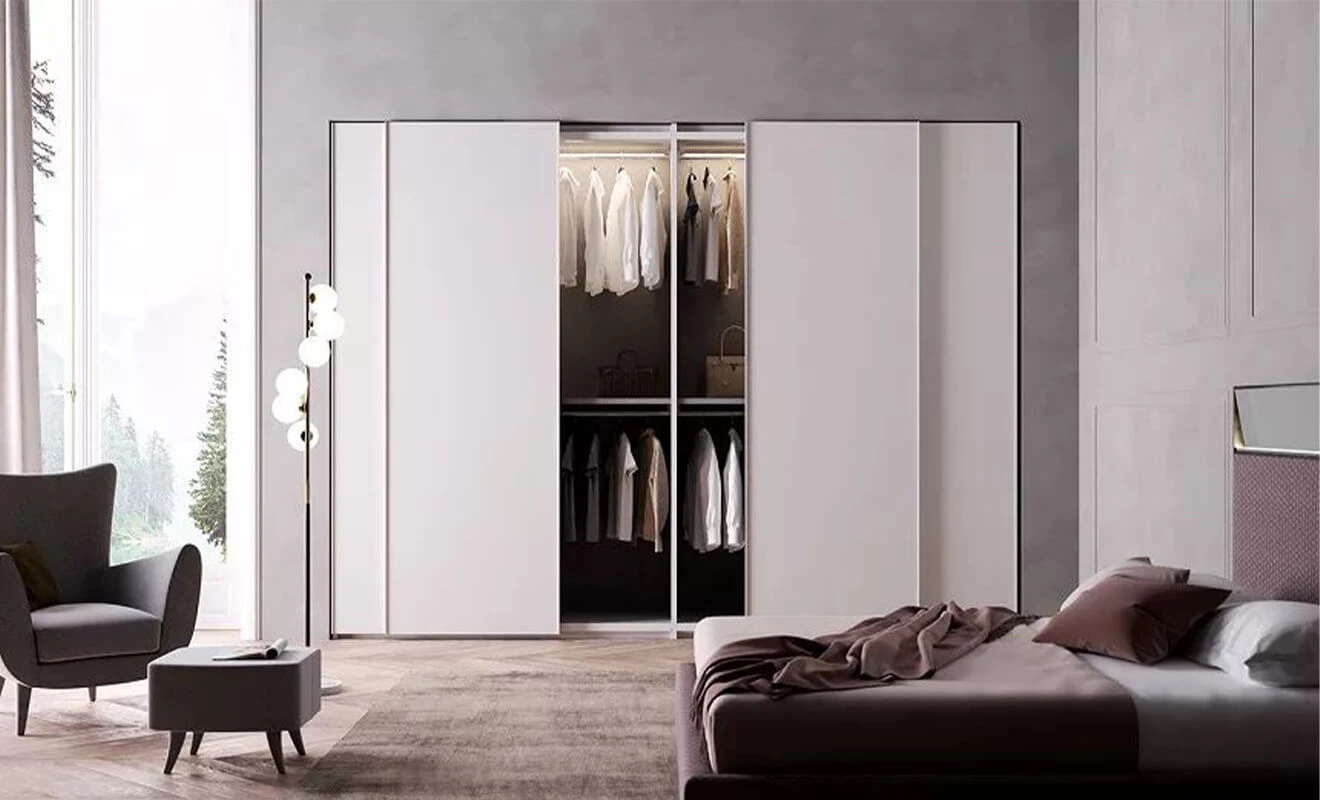
If handles are not desired, leaving a gap of about 2 centimeters between doors allows fingers to reach in and easily open the doors, solving this issue.
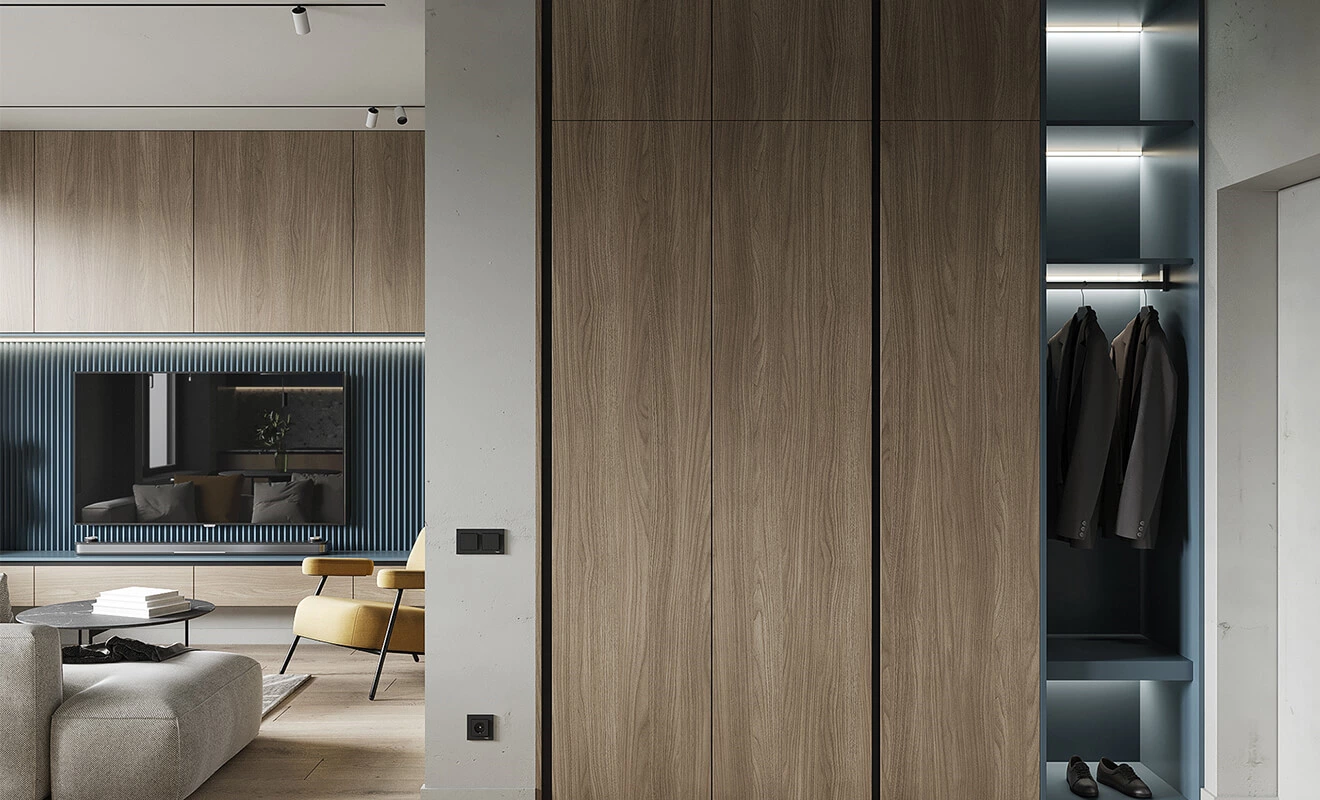
Rebound devices are also a popular approach. Instead of installing visible handles, corresponding hardware accessories are placed on the back of the cabinet doors. They automatically open and close with a simple press.
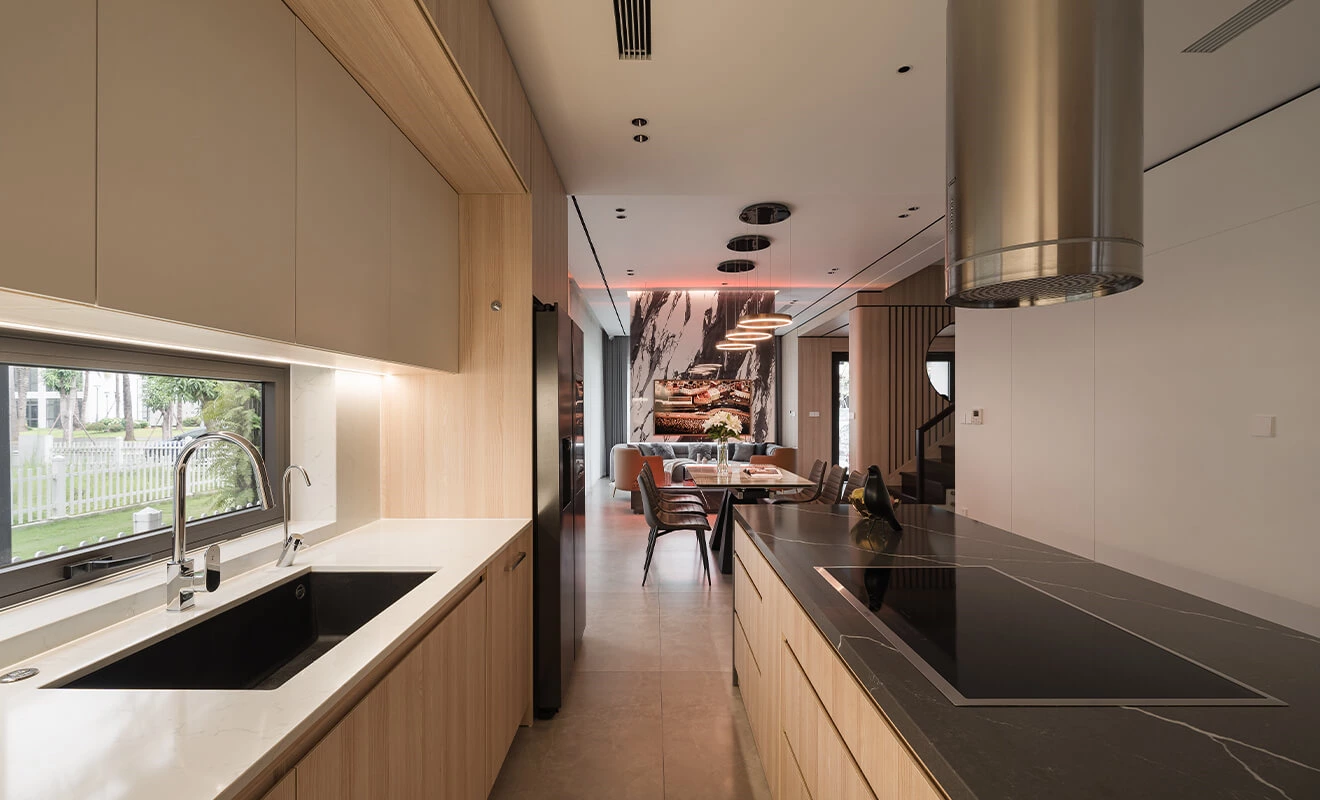
Many seemingly handleless cabinets cleverly hide or weaken the presence of door handles. For example, sculpting handle shapes on the door panels or chamfering the lower edge of the door panels. This not only facilitates opening the cabinet doors but also caters to minimalist enthusiasts.
How Handleless Cabinet Designs Open
There is no single opening method for all handleless cabinet designs. The best solution can vary between kitchen drawers, tall wardrobe doors, overhead cabinets, TV units, and shoe storage. Selecting the opening system early helps the designer coordinate door gaps, rail profiles, hardware, and internal cabinet layout.
- Finger gap: a visible or shadow-line gap between doors that provides a direct grip.
- Integrated rail profile: a continuous horizontal or vertical rail that creates a clean, linear look.
- Recessed or J-profile pull: a concealed groove formed in the door or drawer front.
- Push-to-open hardware: a press mechanism suited to selected doors where a completely flat facade is desired.
- Chamfered edge: an angled door edge that gives fingers a place to grip without a separate handle.
Large, heavy, or frequently used cabinet fronts need suitable opening support. Review cabinet hardware and opening accessories with the door size, expected load, and daily use before deciding on push-to-open fittings or concealed profiles.
Handleless Cabinet Planning Checklist
- Define which cabinet areas need the most frequent access.
- Choose the opening method for each zone rather than using one solution everywhere.
- Confirm door gaps, rail profiles, finger clearance, and opening direction on the cabinet elevations.
- Plan appliance, TV, lighting, cable, ventilation, and maintenance access before fabrication.
- Choose hardware suitable for the front size, weight, and expected use.
- Review door samples under the project lighting because matte and glossy finishes show touch marks differently.
- Approve the full-house material palette if handleless cabinets continue from the entryway to the kitchen and bedroom.
For larger renovation projects, whole-house customization solutions can help coordinate handleless cabinetry, door panels, storage, finishes, and visible details across different rooms.
Care and Practical Use
Handleless surfaces benefit from regular cleaning because the door fronts are touched directly. Select a finish that suits the household's cleaning routine, especially near cooking zones, entry storage, and children's rooms. Recessed channels and finger gaps should be easy to wipe, while push-to-open mechanisms should remain accessible for adjustment or replacement.
For a wider kitchen-layout and accessible-design context, the NKBA planning guidelines and the U.S. Access Board kitchen guidance are useful references. They do not replace final site measurements or applicable local requirements.
Handleless Cabinet Designs FAQ
Are handleless cabinets practical for everyday use?
Yes, when the opening method suits the cabinet function. Finger gaps, rail profiles, recessed pulls, and push-to-open fittings each have different strengths for daily access.
Do handleless cabinets show fingerprints?
Some finishes show touch marks more easily than others. Review the actual door sample, texture, color, and cleaning guidance before approving a finish.
Are push-to-open cabinets suitable for kitchens?
They can work well in selected kitchen zones, but frequently used or heavy drawers may benefit from a more direct grip profile. Choose hardware according to cabinet size and daily use.
What is the best handleless style for wardrobes?
Finger gaps, J-profile pulls, recessed channels, and chamfered door edges are common wardrobe solutions. The best option depends on door height, finish, interior layout, and user preference.
Can handleless cabinets be used in a small home?
Yes. Their continuous surfaces can make compact rooms feel calmer and less visually crowded, provided cabinet access and circulation remain comfortable.
Do handleless cabinet doors need special hardware?
Many systems use specialized rails, concealed pulls, or push-to-open mechanisms. Hardware should be selected for the cabinet front, door weight, opening frequency, and intended user.
How should handleless cabinets be cleaned?
Use a cleaning method suitable for the selected door finish. Pay attention to recessed channels, finger gaps, and frequently touched fronts so that dust and residue do not build up.
What should be confirmed before manufacturing handleless cabinets?
Confirm opening methods, door gaps, hardware, finish samples, cabinet elevations, internal storage, services, appliance access, and all visible panel details before production.
Conclusion: Keep the Minimal Look Practical
Handleless cabinet designs can create a refined, integrated appearance in entryways, living rooms, kitchens, and bedrooms. The strongest results combine a clean facade with an opening method that feels comfortable, durable hardware, practical storage, and a finish suited to everyday use.
By confirming the opening system, door details, hardware, and room-specific functions before production, homeowners and project teams can create handleless cabinetry that remains both minimal and easy to live with.