Cabinet Design Flexibility: Handle or Handleless
The usability of custom cabinets depends on various factors, but most people tend to focus more on the choice of materials while overlooking other aspects, such as cabinet door handles. Although it may seem like a small detail, personal taste often resides in the subtle details of one's home.
Cabinet handles vs handleless design is not only a visual decision. It affects the way a cabinet feels in the hand, how easily doors and drawers open, how the front is cleaned, and how the design will age under everyday use. A small pull, a recessed channel and a push-to-open mechanism can all create a clean elevation, but they do not offer the same access or maintenance experience.
In a cabinet handles vs handleless comparison, the right answer is usually room-specific. A handle-free display wall, a frequently opened pantry drawer and a tall wardrobe door may each need a different opening strategy within the same home.
Cabinet Handles vs Handleless: Quick Comparison
| Option | Visual Character | Daily-Use Strength | Planning Priority |
|---|---|---|---|
| Recessed Handle | Minimal and integrated | Reduced collision risk with a defined grip | Finger clearance, edge finish and cleaning |
| Short Handle | Classic and adaptable | Clear grip with a compact visual detail | Placement, projection and consistent spacing |
| Long Handle | Linear and architectural | Multiple grip points for tall doors | Alignment, scale and door-panel proportions |
| Invisible Edge Handle | Flush and understated | Good grip when the reveal is properly detailed | Panel projection, gap and neighboring clearances |
| Push-to-open | Completely handle-free | Clean appearance for selected cabinet fronts | Hardware quality, alignment and future replacement |
There is no universal winner. A kitchen used several times each day may benefit from an easy, obvious grip, while a feature wall or occasional-use cabinet may prioritize a flatter, quieter front. Review the cabinet's location, user, opening frequency and contents before choosing a handle type.
Differences in Cabinet Door Handles
Cabinet door handles, as inconspicuous details, can make a difference in both the visual appeal and the user experience when paired differently.
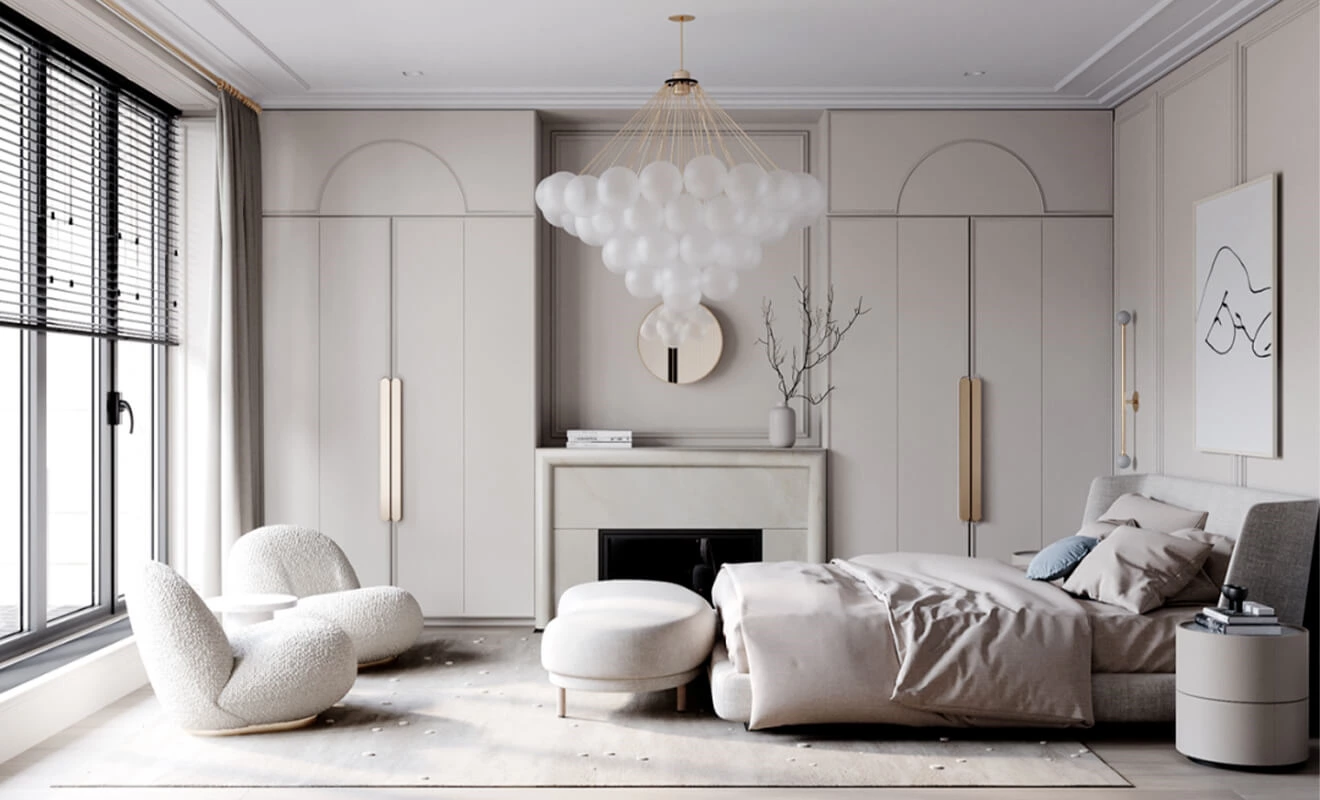
Aesthetics: The visible parts of a cabinet are the panel materials and the handles. Since the handles are installed on cabinet doors with uniform materials, they become a noticeable element in terms of appearance. Therefore, the choice of cabinet door handles can have an impact on the overall aesthetic effect of the space. For example, in a bedroom with a touch of luxury, using gold-colored handles on wardrobe doors can beautifully complement the overall decor style.
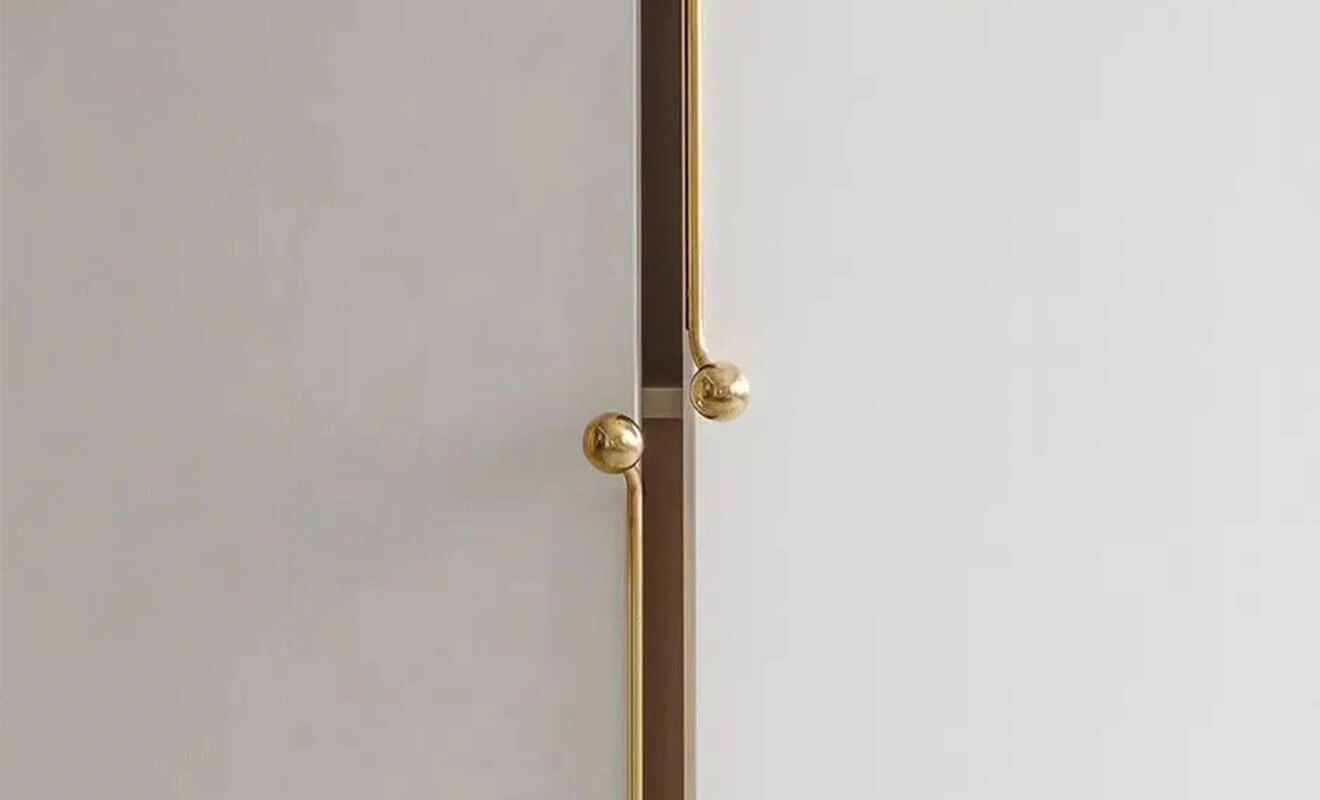
User Experience: Different styles of cabinet door handles can also offer slight differences in user experience. Generally, conventional exposed handles with larger dimensions provide a more comfortable and effortless grip when opening and closing.
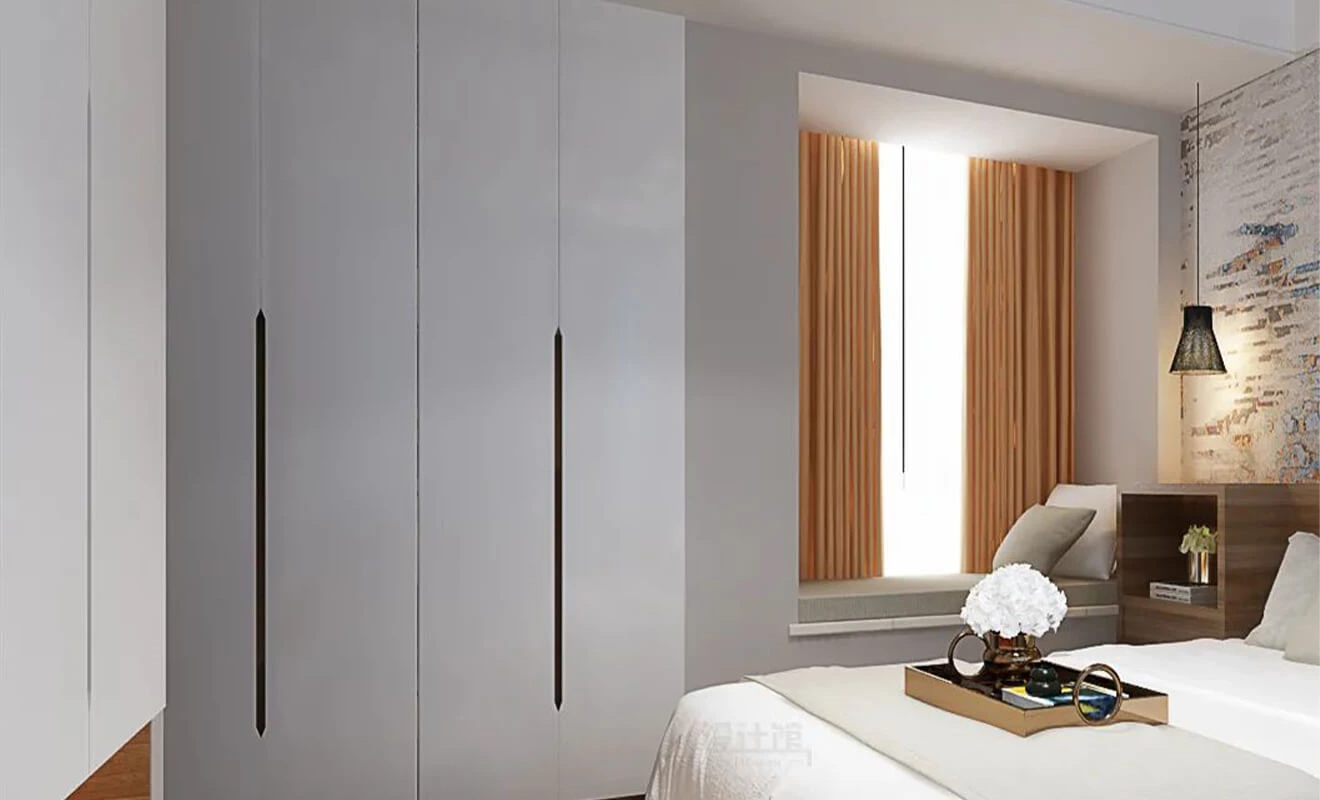
Recessed Handles
Recessed handles are designed to be embedded in the grooves of door panels, creating a flat surface where the handles and cabinet doors align. This design achieves a minimalist and visually appealing effect, seemingly downplaying the presence of the handles. However, they become the finishing touch that enhances the overall look of the cabinet.
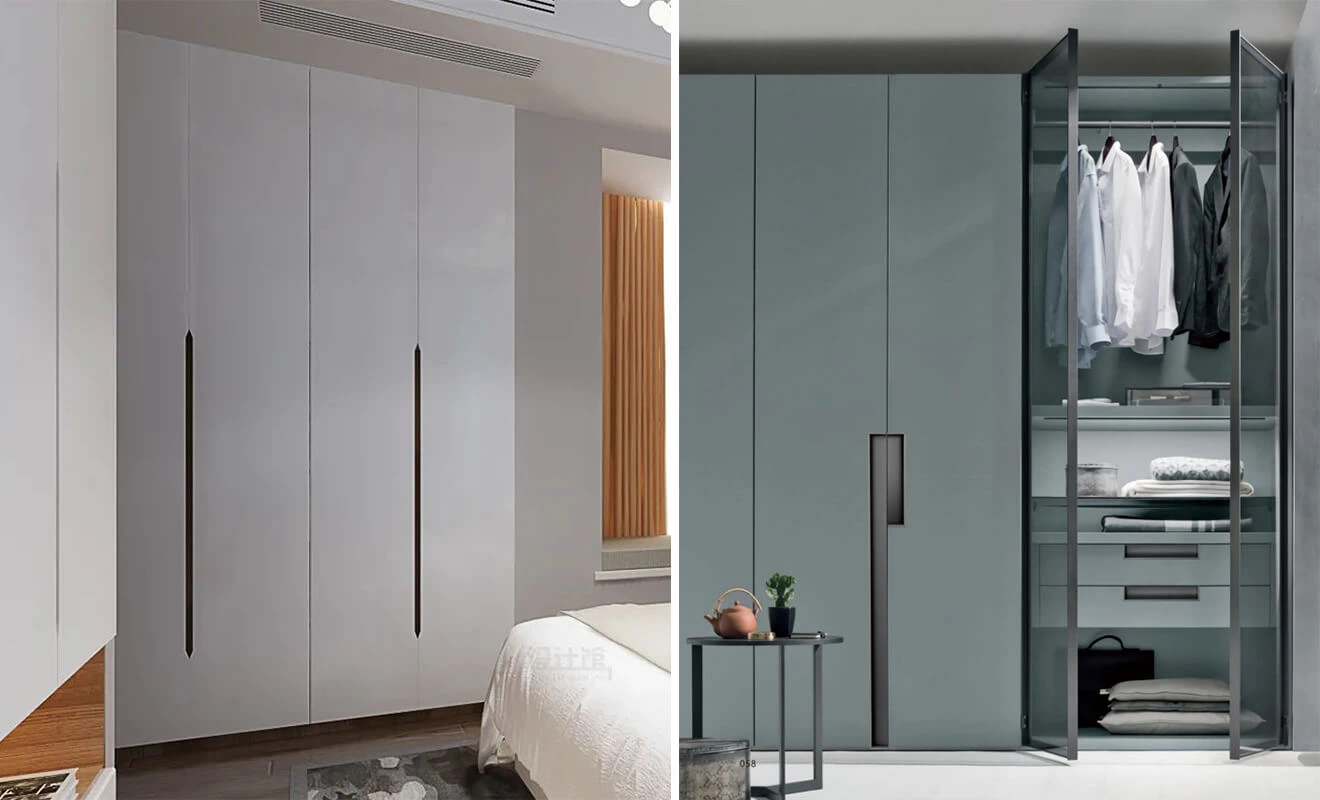
Recessed handles with a soft texture add a more exquisite and three-dimensional touch to the door panels. The inward design minimizes the risk of collision and presents a subtle yet sophisticated style, suitable for households with children and elderly individuals.
Recessed Handle Details to Confirm
Recessed handles should be planned together with the door thickness, panel material, edge treatment, and the size of the user's hand. Confirm that the groove offers a comfortable grip after the door is installed, and that the profile does not create a sharp edge or a difficult-to-clean channel. On long runs of cabinetry, align recessed details with drawer lines and vertical panels for a calm, intentional elevation.
Short Handles
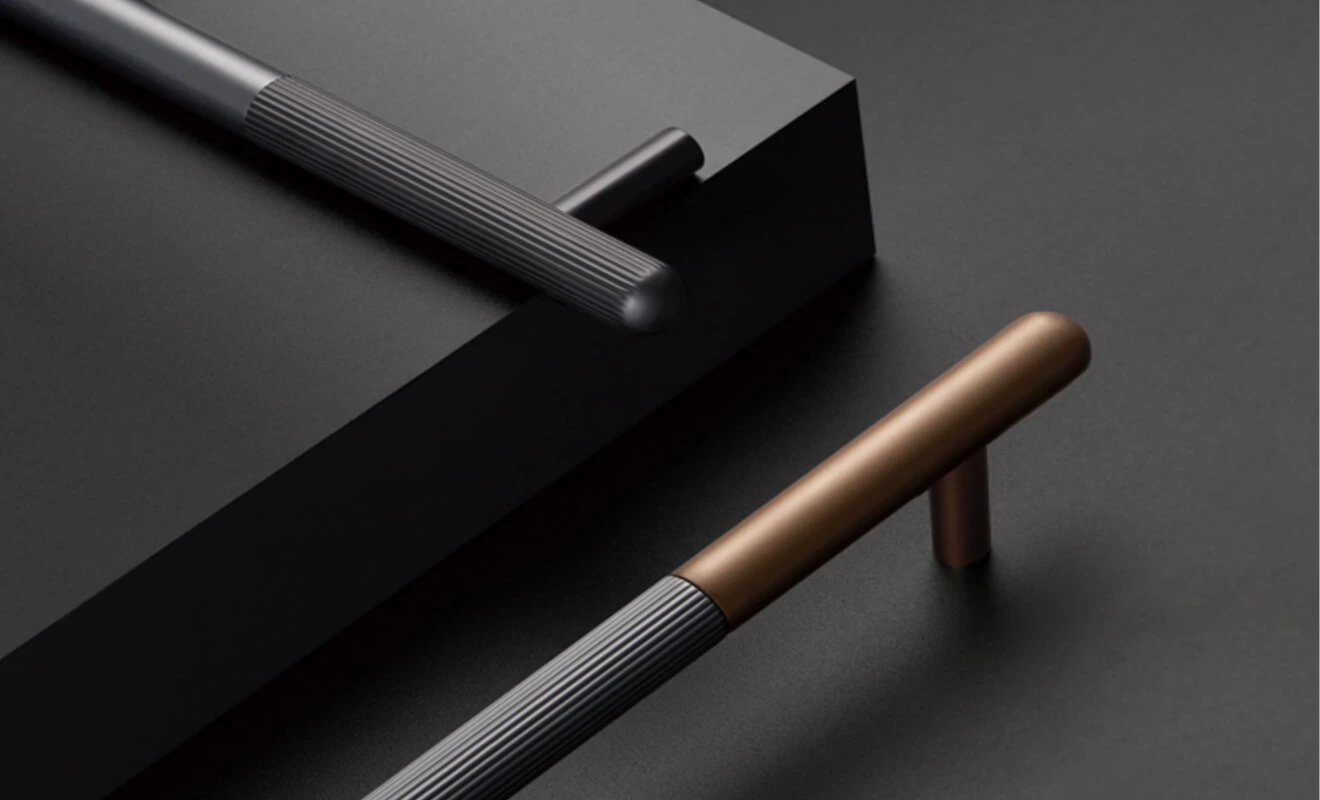
Short handles, including "ㅕ"-shaped and ")"-shaped handles, are quite common and are often included in the standard packages offered by custom cabinet vendors. They are considered a safe and conventional choice, minimizing the chances of making mistakes.
Short Handle Details to Confirm
Short handles can work across many interior styles when the finish and proportion support the cabinet panel. Position them consistently so that drawer pulls, tall-door pulls and upper-cabinet pulls form a readable pattern. Check the projection against passageways, adjacent walls and appliance doors, especially in compact kitchens or narrow wardrobes.
Long Handles
Long handles are highly popular in modern design. With clean lines and a slender profile, they not only accentuate the smoothness of the cabinet's exterior but also create a minimalist and stylish spatial effect. Additionally, long handles offer multiple grip points, making it easy and practical to open and close the cabinet doors.
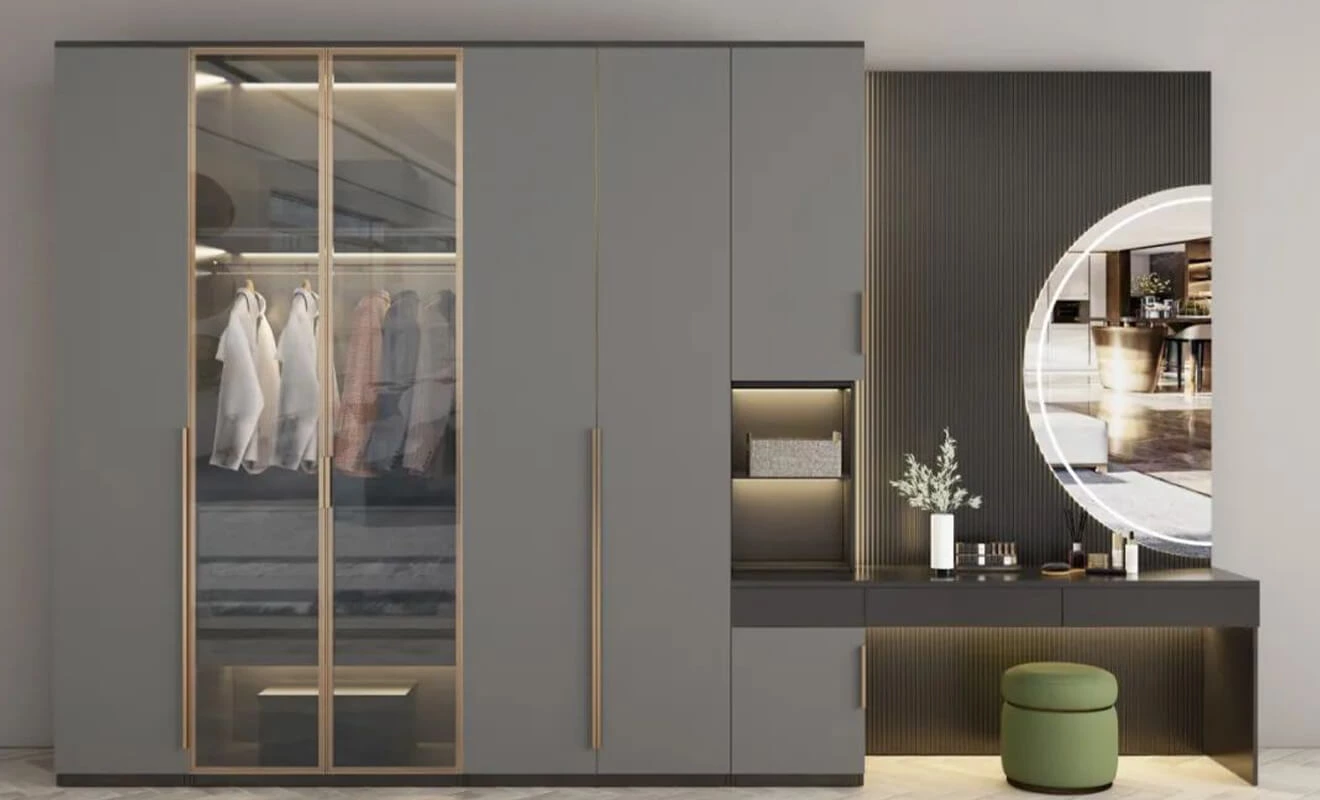
For floor-to-ceiling cabinet doors, pairing them with elongated handles that possess a strong visual presence will create a clean and refreshing cabinet, showcasing the essence of minimalism.
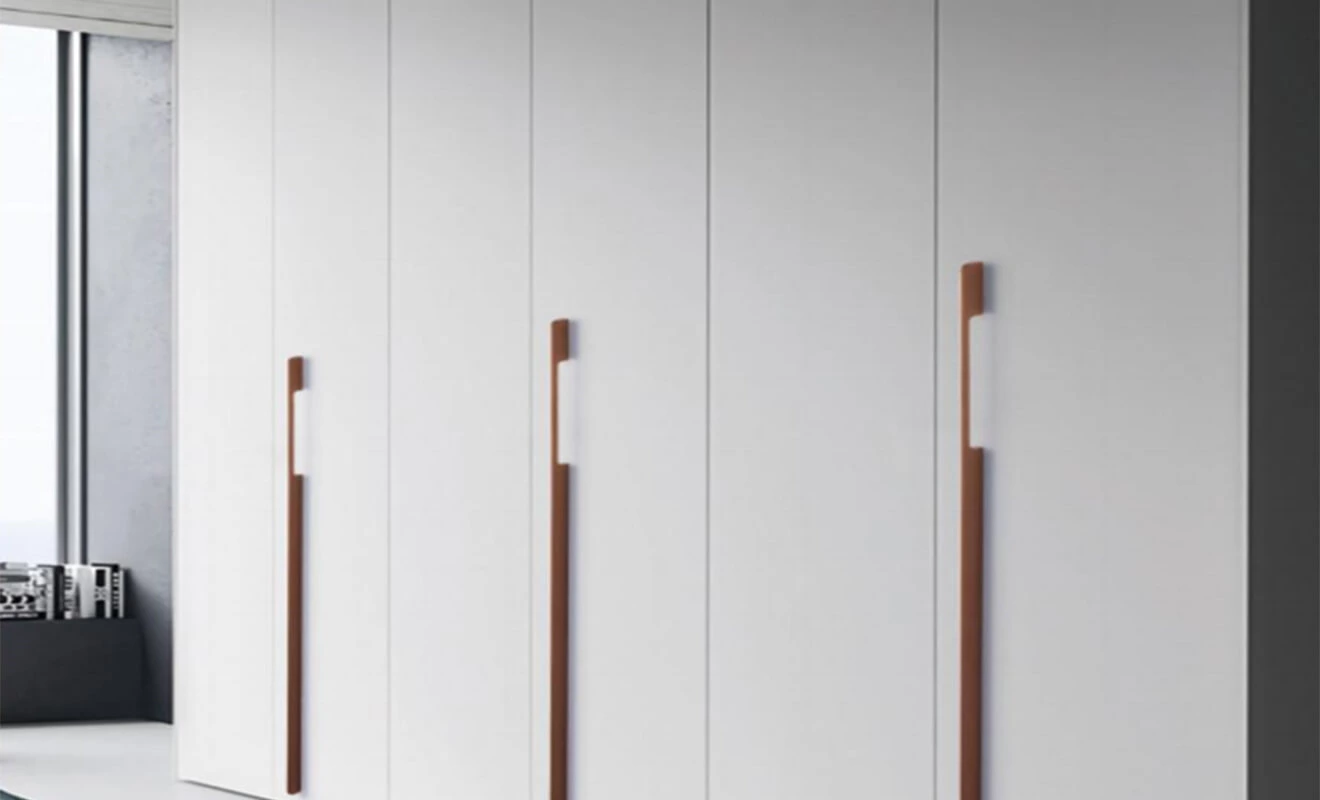
Long Handle Details to Confirm
Long handles can visually emphasize height and make tall doors easier to operate from more than one position. Their scale should relate to the door rather than being selected as a decoration alone. Confirm fixing positions, screw spacing, load, panel reinforcement and the clearance between parallel handles on adjacent doors or drawers.
Invisible Handles
Invisible handles are typically handle-less or designed to be embedded into the edges of the door panels. With no visible grooves on the front surface, they achieve an "invisible" effect that enhances the overall sense of space. This design is well-suited for the younger generation who appreciate minimalistic aesthetics.
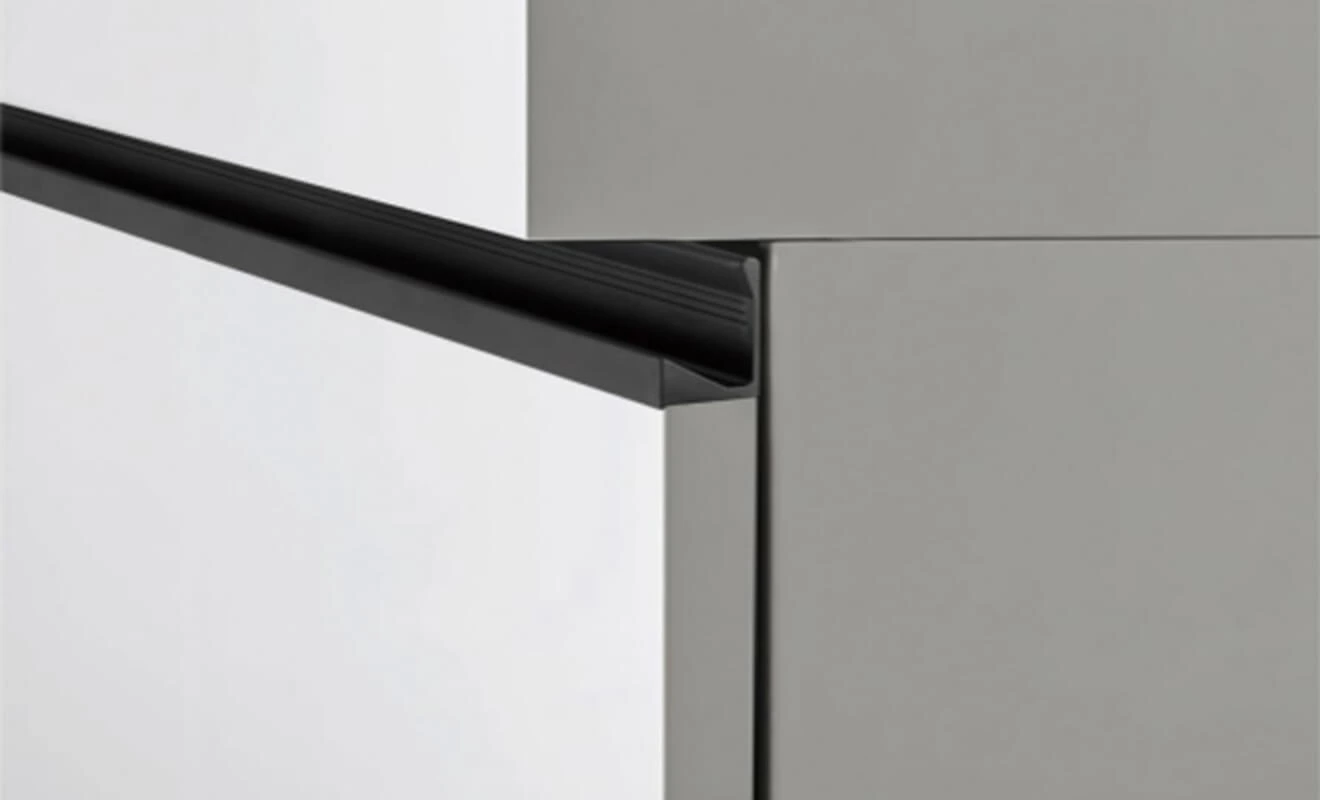
The 45-degree angled cut on the cabinet door edge, with a 3cm gap for your hand to reach in, ensures a comfortable grip without the risk of hand injuries.
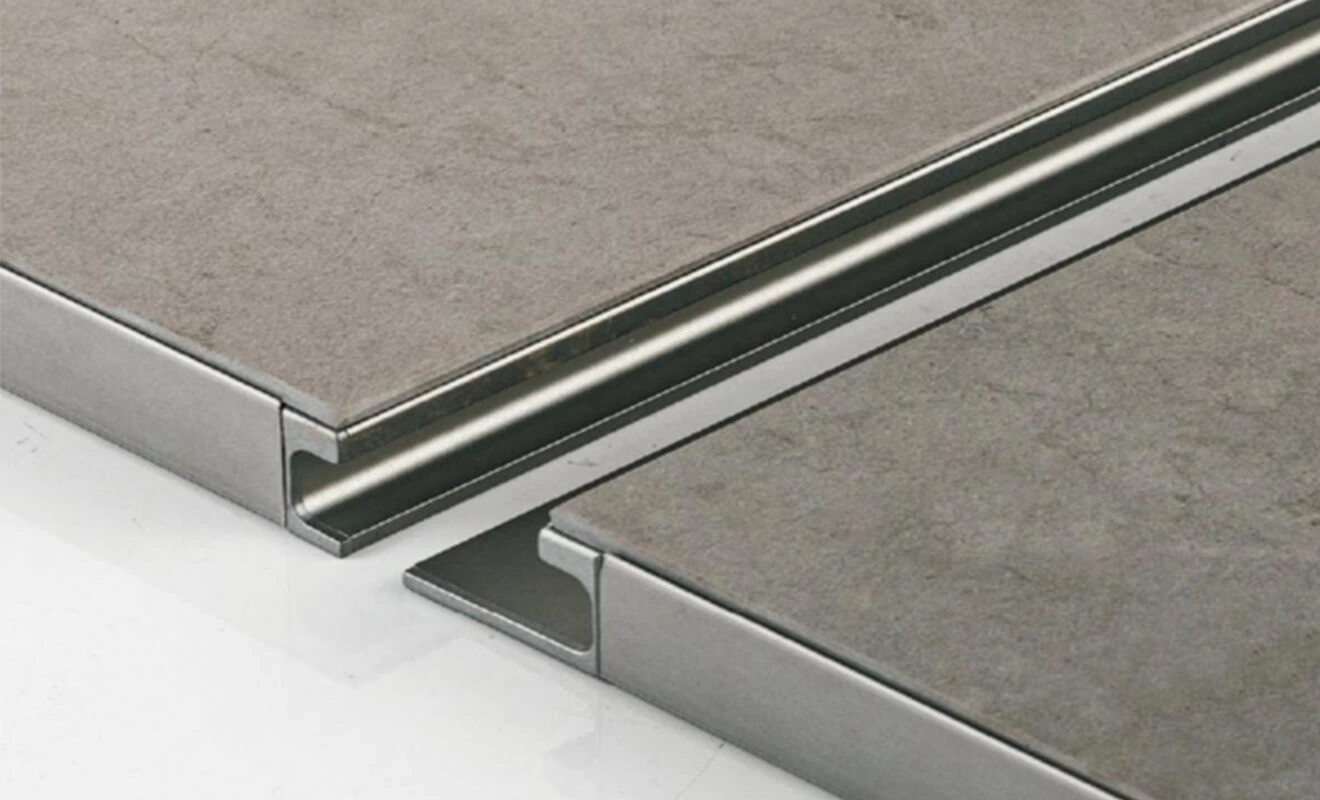
C-shaped handle-less designs are commonly used for wardrobes and drawers. The smooth curved grooves add a sense of design and are easy to clean. J-shaped handle-less designs not only possess a sense of design but also maintain the overall minimalistic style even when the cabinet doors are closed. Handles directly carved into the door panels save space and prevent accidental collisions while moving around.
Invisible Handle Details to Confirm
For an edge pull, J-profile, C-profile or angled cut, small dimensional decisions make a major difference. The reveal must be deep enough to use comfortably, yet the panel should remain visually aligned and easy to wipe. Coordinate the profile with hinge type, drawer runner, opening direction and nearby counters or wall returns before releasing fabrication drawings.
Handleless Design
The trending handle-less design raises the question of how to open the cabinet doors. The installation of a rebound device allows for effortless and convenient access, enhancing the aesthetic appeal of the cabinets. When incorporating handle-less designs, many designers opt for compact yet powerful rebound devices. No visible handles are required; simply press the door panel, and it will automatically open. The closing process is equally simple, requiring just a press on the door panel. This option is easy to install and offers a great user experience.
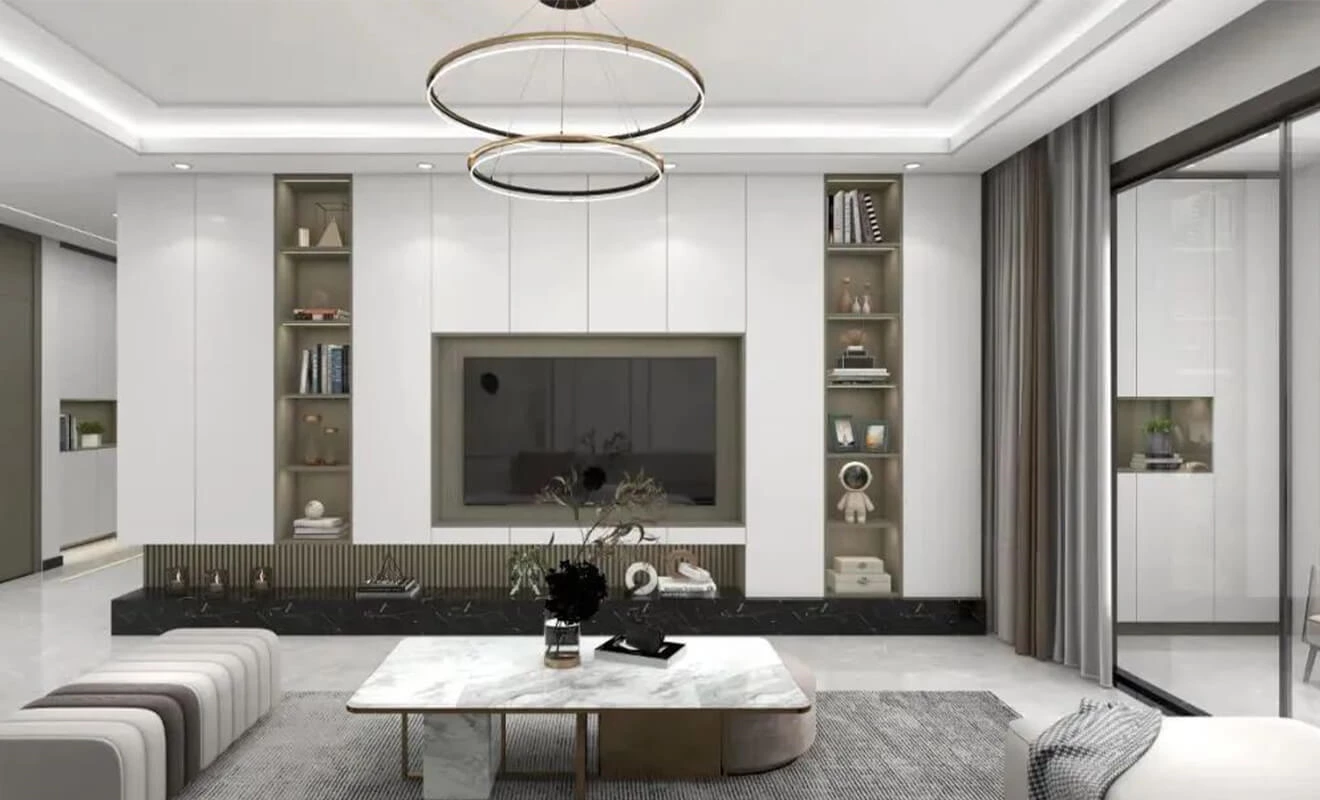
Rebound devices are small in size and occupy minimal space. They can be installed in base cabinets, tall cabinets, wall cabinets, and even range hood cabinets. By lightly pressing the door panel, the rebound device provides the necessary force to open the door automatically.
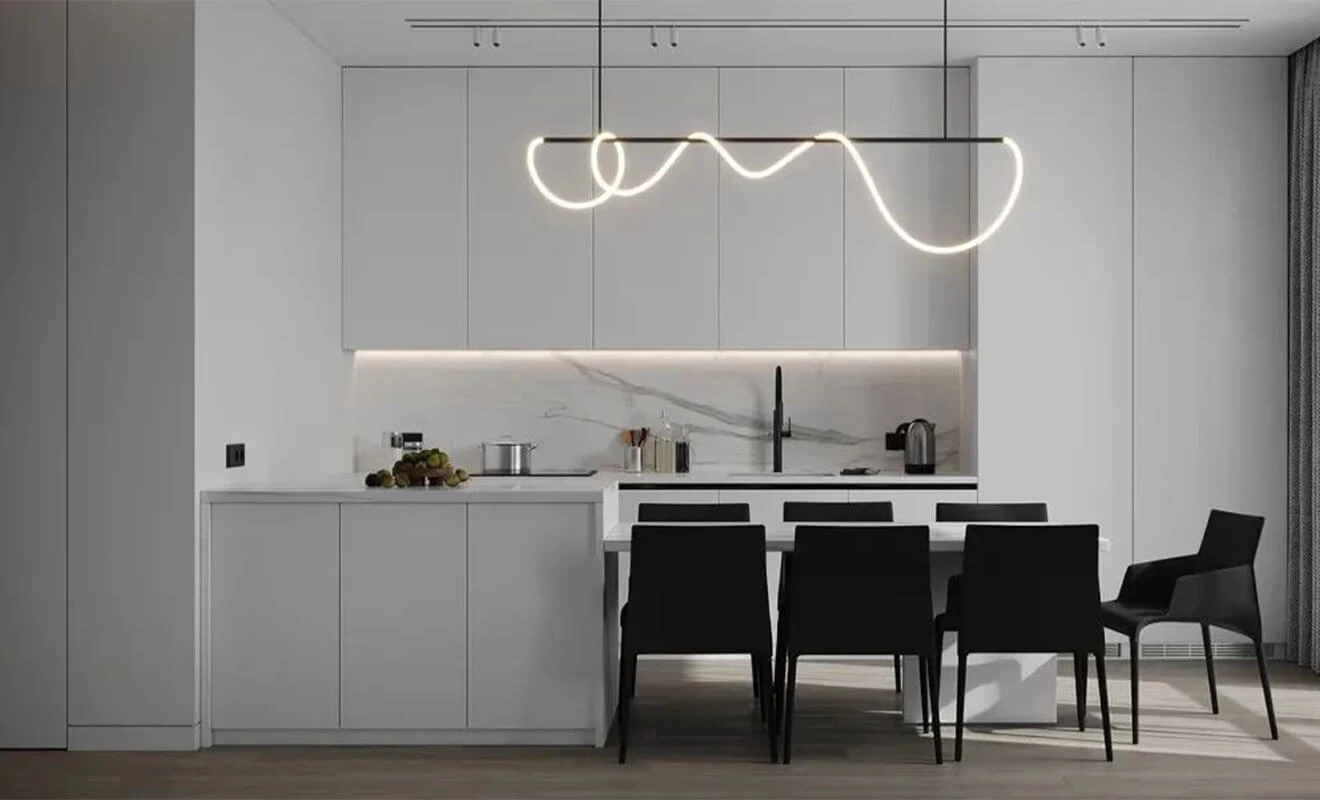
When it comes to custom cabinets, it is essential to prioritize meeting the requirements and consider a subtractive approach rather than an additive one. Customization should focus on fulfilling needs while paying attention to the details that truly matter, such as the choice of handles.
How to Choose Between Cabinet Handles and Handleless Doors
Start with real use rather than the trend. Record which doors and drawers are opened most often, which users need the easiest grip, and which fronts need to remain visually quiet. Handleless cabinet doors may feel ideal in a display area but be less convenient on heavy, frequently used doors if the opening system is not selected carefully.
- Opening frequency: Frequently used drawers, pantry doors and waste cabinets should be easy to identify and operate.
- Door or drawer weight: Heavier fronts may need a clearer grip or a hardware system designed for the load.
- Cleaning routine: Consider fingerprints on push-to-open panels and residue inside recessed channels or edge pulls.
- Family needs: Test reach, grip strength, projection and collision risks for the main users.
- Room style: Use a single handle language or a deliberate transition between rooms instead of mixing unrelated profiles.
- Service access: Ensure push-to-open mechanisms, hinges and drawers can be adjusted or replaced later.
Use a physical sample or a full-height mock-up for the final decision. A profile that appears balanced in a rendering may feel too shallow, too sharp or too prominent when used daily.
Apply the Handle Strategy by Room
In a high-use kitchen, practical opening and cleaning often guide the decision. Custom kitchen cabinets can combine handles on heavy drawers with handleless upper units where a quieter visual line is preferred. In bedrooms, long or recessed pulls can complement the vertical rhythm of custom wardrobes.
For media walls, entry cabinets, studies and other secondary spaces, custom cabinets for other rooms can use a handle profile that follows the wall-panel or furniture detail. Across a larger project, a whole-house customization plan helps repeat materials, colors and proportions while allowing the internal hardware to respond to each room.
Hardware, Accessibility and Safety
Handle design works together with hinges, slides, lift systems and push-to-open devices. Before production, verify load requirements, opening angle, adjustment range, soft-close function and maintenance access. Review suitable cabinet hardware and functional accessories with the cabinet configuration rather than choosing hardware after the elevations are fixed.
For projects that require accessible use, the U.S. Access Board's guidance on operable parts is a helpful reference for reach and usable controls. It does not automatically define requirements for every private home; the final arrangement should follow the user's needs and applicable local rules.
Tall or freestanding storage also needs stable installation. The U.S. Consumer Product Safety Commission's Anchor It! guidance covers furniture tip-over prevention. Handle choice does not replace appropriate wall anchoring, structural support or manufacturer installation requirements.
Cabinet Handle Selection Checklist
- Confirm panel sizes, material, finish, and door or drawer operation.
- List high-frequency and heavy cabinet fronts.
- Choose exposed, recessed, edge-pull, or push-to-open operation before finalizing panels.
- Check comfortable grip, hand clearance, reach, and operating force.
- Review projections and opening conflicts with walls, appliances, and circulation.
- Coordinate handle finish with hinges, appliances, lighting, and other metal details.
- Confirm cleaning access and likely fingerprint or dust locations.
- Verify hardware load, adjustment, and future replacement access.
- Approve sample doors, full elevations, and installation details before production.
Cabinet Handles vs Handleless FAQ
1. Are handleless cabinets better than cabinets with handles?
Neither is automatically better. Handleless cabinets create a clean front, while visible handles can provide a clearer and more comfortable grip. The best choice depends on use, panel weight, cleaning habits, and design goals.
How should I compare cabinet handles vs handleless options?
Compare cabinet handles vs handleless options using the same door size, material, user, and daily-use scenario. A physical sample makes it easier to judge grip comfort, opening force, cleaning, and the final visual effect.
2. Do handleless cabinet doors show fingerprints?
They can, especially when doors are opened by pressing the panel. The visibility depends on color, sheen, texture, and lighting. Test a material sample in the actual room before making a final selection.
3. Are recessed cabinet handles easy to clean?
They can be easy to maintain when the profile is smooth and accessible. Narrow or sharp grooves can collect dust and residue, so review the detail and cleaning method before production.
4. Which handles work best for tall cabinets?
Long handles, well-planned edge pulls, and some recessed profiles can work well on tall doors. Consider panel height, weight, opening force, and the user's usual grip position.
5. Can push-to-open be used on kitchen cabinets?
Yes, for selected doors or drawers. Choose a mechanism suitable for the front weight and expected use, and plan for alignment, cleaning, and future adjustment or replacement.
6. What is the difference between J-pull and C-pull cabinets?
Both are integrated handleless profiles. Their shape, finger access, panel construction, and visual line differ, so a physical sample is the best way to compare comfort and appearance.
7. Are long handles safe in small kitchens?
They can be, but check the projection and circulation. In a narrow aisle, a more recessed or shorter profile may reduce the chance of catching clothing or bumping into the cabinet front.
8. How should finishes be coordinated?
Coordinate finish tone and sheen with appliances, lighting, faucets, and other visible metal details. A repeatable finish family often looks more intentional than many unrelated metallic colors.
9. Can I mix handles and handleless doors?
Yes. Mixing can be practical when high-use or heavy fronts need a clear grip, while display or upper cabinets benefit from a flatter look. Keep the logic consistent by zone.
10. What should be approved before cabinet production?
Approve the elevations, panel sizes, handle type, finish, fixing positions, gaps, hardware, opening direction, clearances, sample doors, and installation requirements.
11. How do cabinet handles affect accessibility?
Handle shape, size, projection, reach, and operating force can affect who can use the cabinet comfortably. The final choice should be tested with the main users and relevant project requirements.
12. Which option is best for a minimalist interior?
Recessed, edge-pull, and push-to-open designs can all suit a minimalist interior. Select the one that provides the right balance of visual calm, reliable operation, and easy maintenance.
Conclusion: Choose the Detail That Supports Daily Use
Cabinet handles vs handleless design is a useful comparison because the handle is both a functional tool and a visible part of the room. Recessed, short, long, invisible, and push-to-open options each create a different relationship between the cabinet, the user, and the surrounding interior.
Choose the opening method after reviewing real use, panel proportions, material, hardware, cleaning, and long-term maintenance. This practical approach lets a custom cabinet look cohesive while remaining comfortable to use every day.