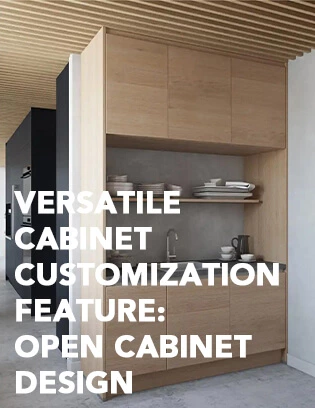
8 Popular Cabinet Doors for Kitchen Customization
Many households choose to install cabinets in their kitchens, as it greatly enhances the kitchen's functionality and aesthetic appeal. Cabinet doors are an integral part of the cabinets, and their construction requires careful consideration to achieve a better decorative effect. Here, we will introduce several popular materials for cabinet doors available in the market.
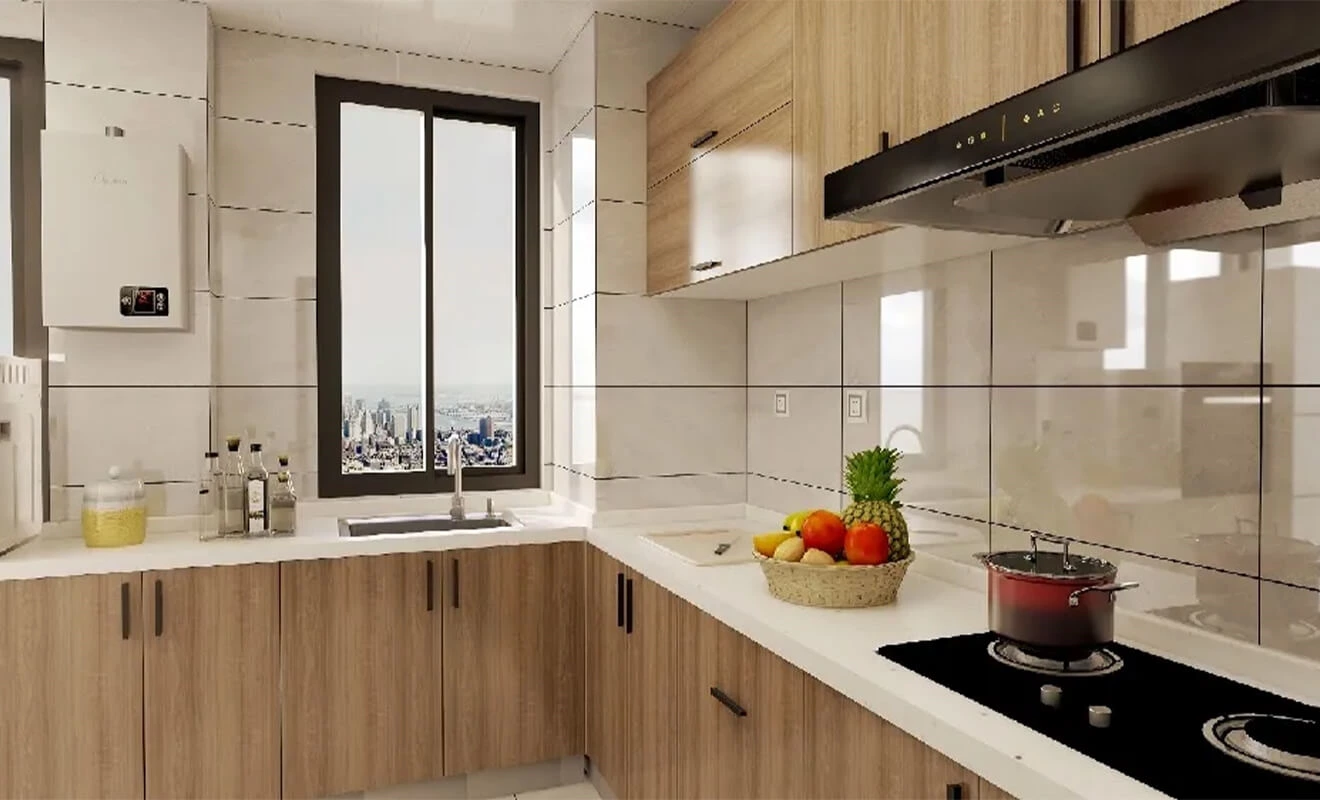
Kitchen cabinet door materials determine more than color and style. They influence how a door feels, how it handles moisture and daily cleaning, what edge details are possible, how hardware is fitted and how the kitchen will look after years of normal use. The best choice depends on the desired finish, cabinet construction, room conditions, budget and maintenance expectations.
Quick Comparison of Kitchen Cabinet Door Materials
| Door Type | Visual Character | Planning Priority | Best-Suited Direction |
|---|---|---|---|
| Lacquered MDF | Smooth, painted, and often high-gloss or matte | Finish quality, color consistency, and care | Contemporary kitchens and color-led designs |
| Fire-resistant/decorative laminate | A wide range of colors and patterns | Substrate, edge treatment, and surface texture | Practical family kitchens and project work |
| Solid Wood | Natural grain and material depth | Species, finish, humidity, and movement | Warm, classic, or premium interiors |
| Melamine | Versatile wood-look, solid-color, or textured surface | Panel quality, edge banding, and joint details | Value-focused custom cabinetry |
| Vacuum-formed / molded | Shaped doors and wrapped profiles | Film quality, substrate, and profile design | Decorative doors with integrated contours |
| Crystal or similar glossy finish | Bright and reflective appearance | Wear resistance, edge quality, and maintenance | Gloss-forward interior schemes |
| Double-finished panel | Durable decorative surface on both faces | Surface specification and edge protection | High-use, practical cabinet fronts |
| Acrylic | Clean, luminous, and often high-gloss | Surface protection, color, and cleaning method | Modern kitchens seeking a polished front |
This comparison is a starting point rather than a promise that every product performs the same way. The exact core, surface layer, edge treatment, adhesive, hardware, fabrication method, and installation conditions should be confirmed for the specific door being ordered.
Lacquered Door
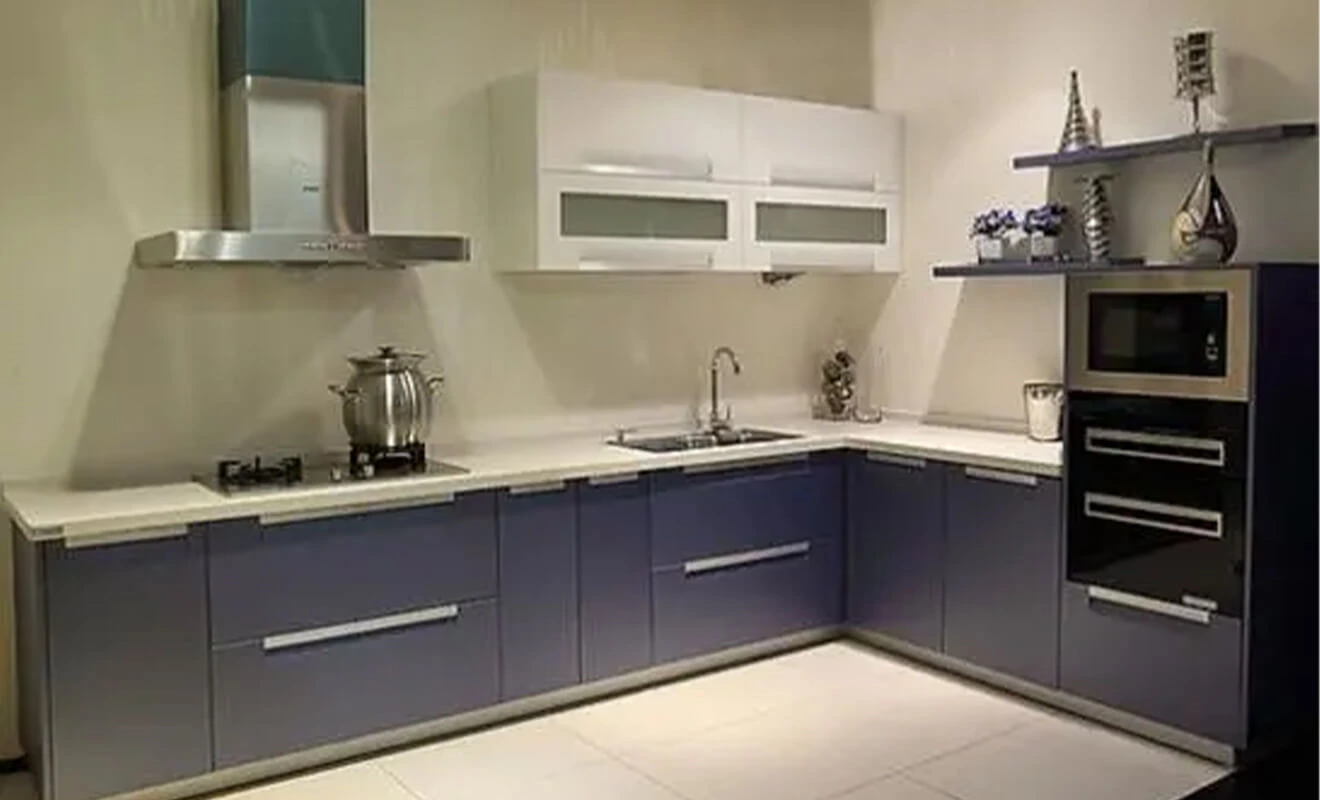
Lacquered MDF doors are made from medium-density fiberboard (MDF) and undergo multiple layers of paint and high-temperature baking. These doors offer strong decorative qualities, with a smooth and glossy surface. They also have advantages such as fire resistance, moisture resistance, and easy cleaning. However, they tend to be relatively expensive.
Lacquered Door Selection Notes
For lacquered kitchen cabinet doors, review a physical sample under the kitchen's actual lighting. Gloss level, color depth, and reflection can look very different in daylight, under warm lighting, and beside a countertop. Confirm the door edge profile, handle or handleless detail, cleaning method, and the finish standard before production. A painted finish can be visually refined, but it should be specified with the same care as the cabinet structure behind it.
Fire-resistant Door
Fire-resistant doors are a common choice for cabinet materials. They are vibrant in color, resistant to fading, durable, easy to clean, and moisture-resistant. However, the three-dimensional effect of fire-resistant doors is comparatively poor.
Solid Wood Door
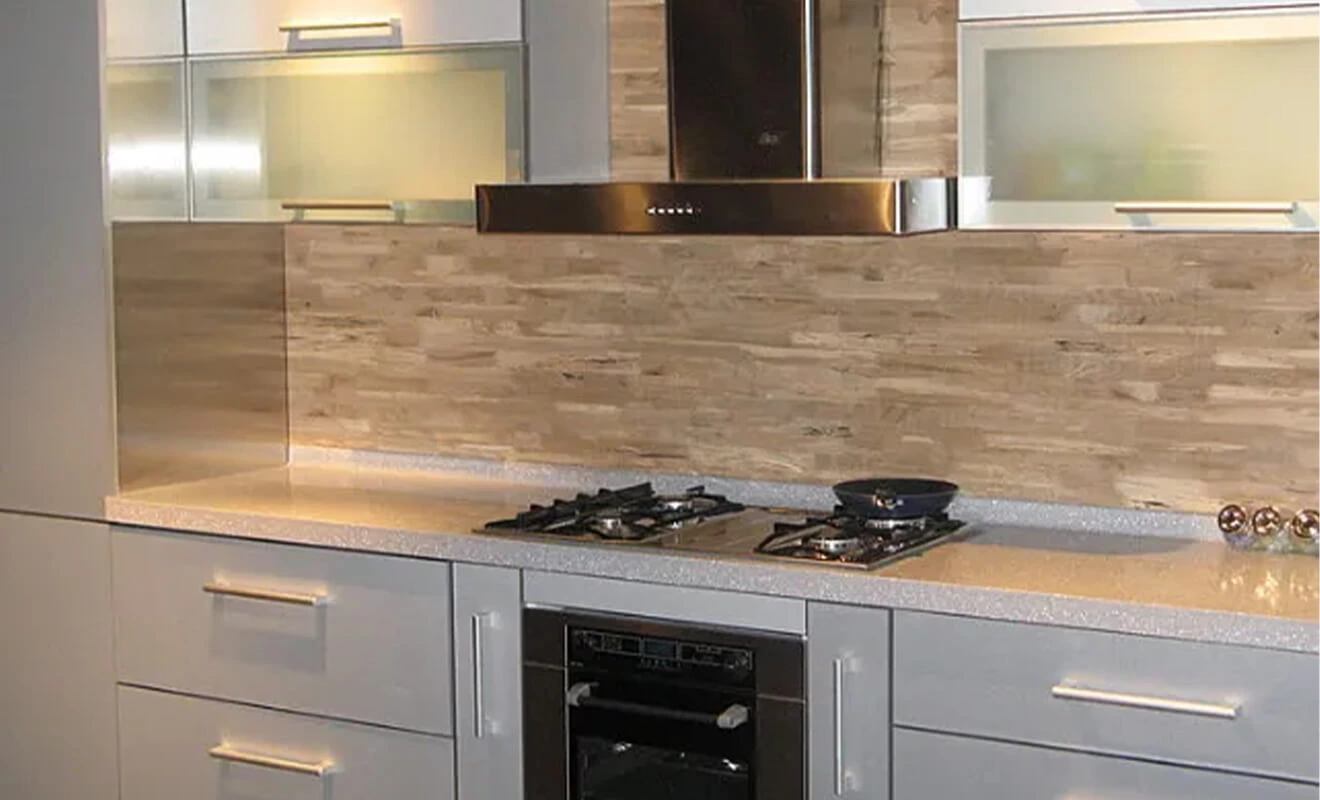
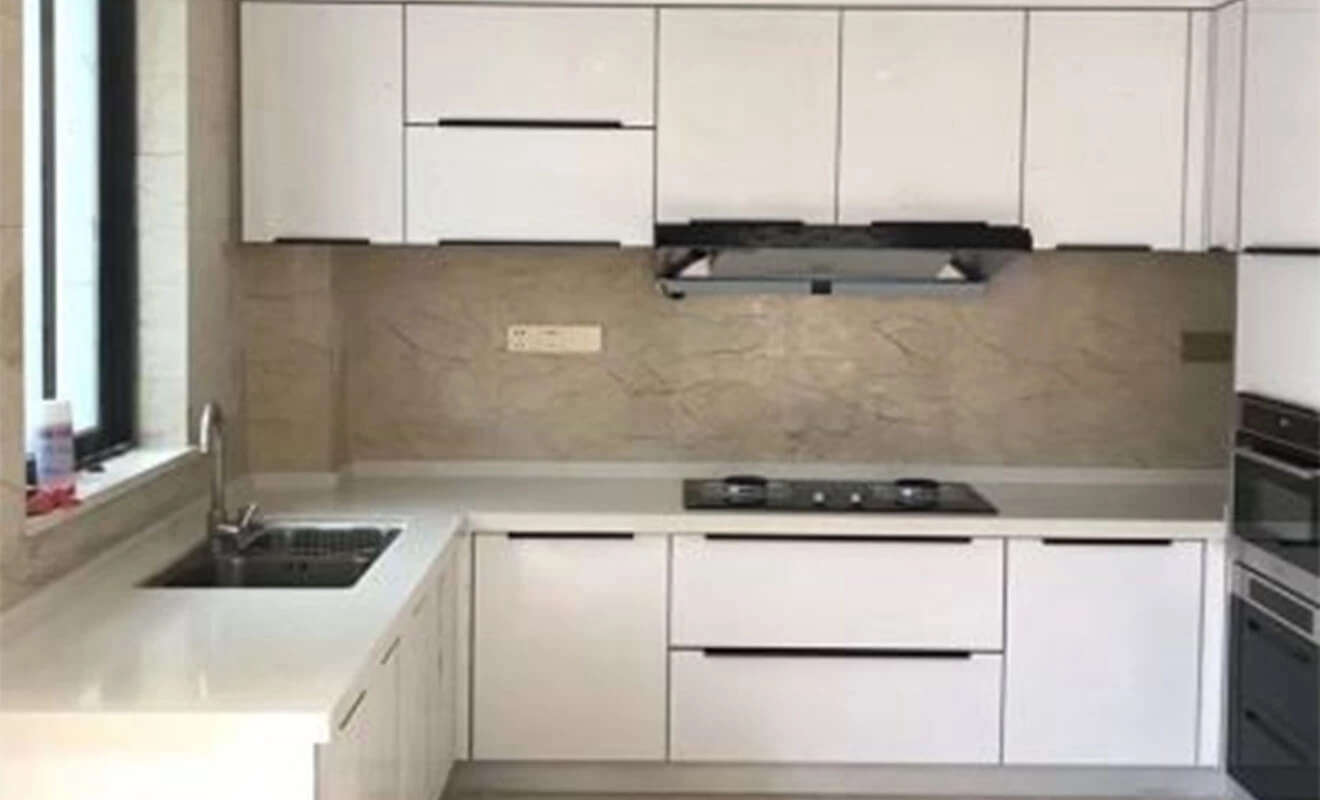
Solid wood doors are made primarily from natural timber, processed through a series of craftsmanship. They exhibit natural wood grain patterns, diverse styles, sturdy durability, resistance to corrosion, and excellent sound insulation.
Solid Wood Door Selection Notes
Wood species, grain pattern, stain, door construction, and protective finish all influence the final result. Because wood is a natural material, variation should be expected and reviewed as part of the design rather than treated as a defect. Coordinate wood doors with room humidity, ventilation, cabinet location, and the desired grain direction. Where sustainability or chain-of-custody claims are important, use the Forest Stewardship Council as a general reference and verify the documentation for the actual material supplied.
Melamine Door
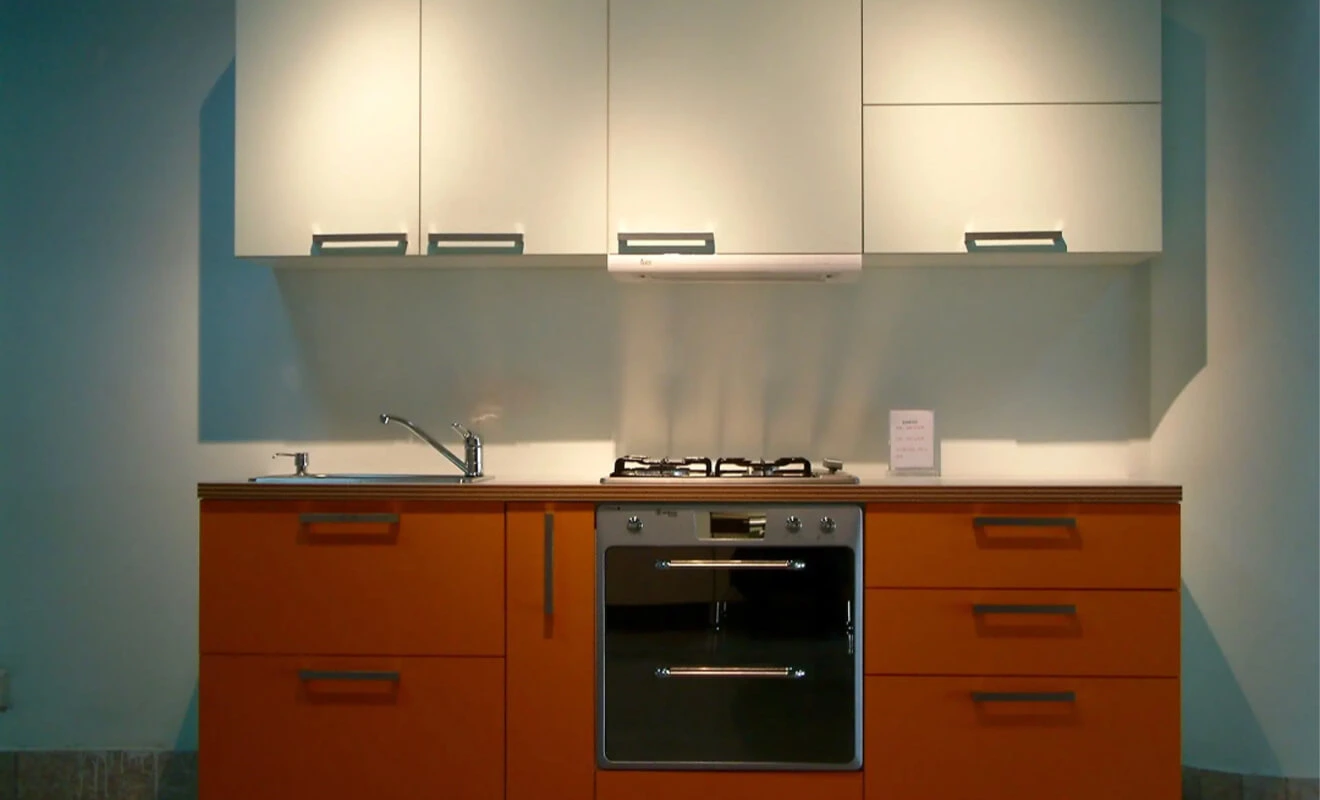
Melamine door features a smooth surface, vibrant colors, diverse patterns, excellent decorative effects, wear resistance, heat resistance, and easy cleaning. However, the edging of these panels is prone to chipping.
Melamine Door Selection Notes
Melamine performance depends heavily on the panel, decorative paper or surface system, edge banding, and fabrication quality. Inspect edge joints, corners, handle cutouts, and transitions around appliances or wet areas. A well-chosen texture can reduce the appearance of fingerprints and everyday marks, while good edge details help the door remain visually consistent over time.
Vacuum-formed Door
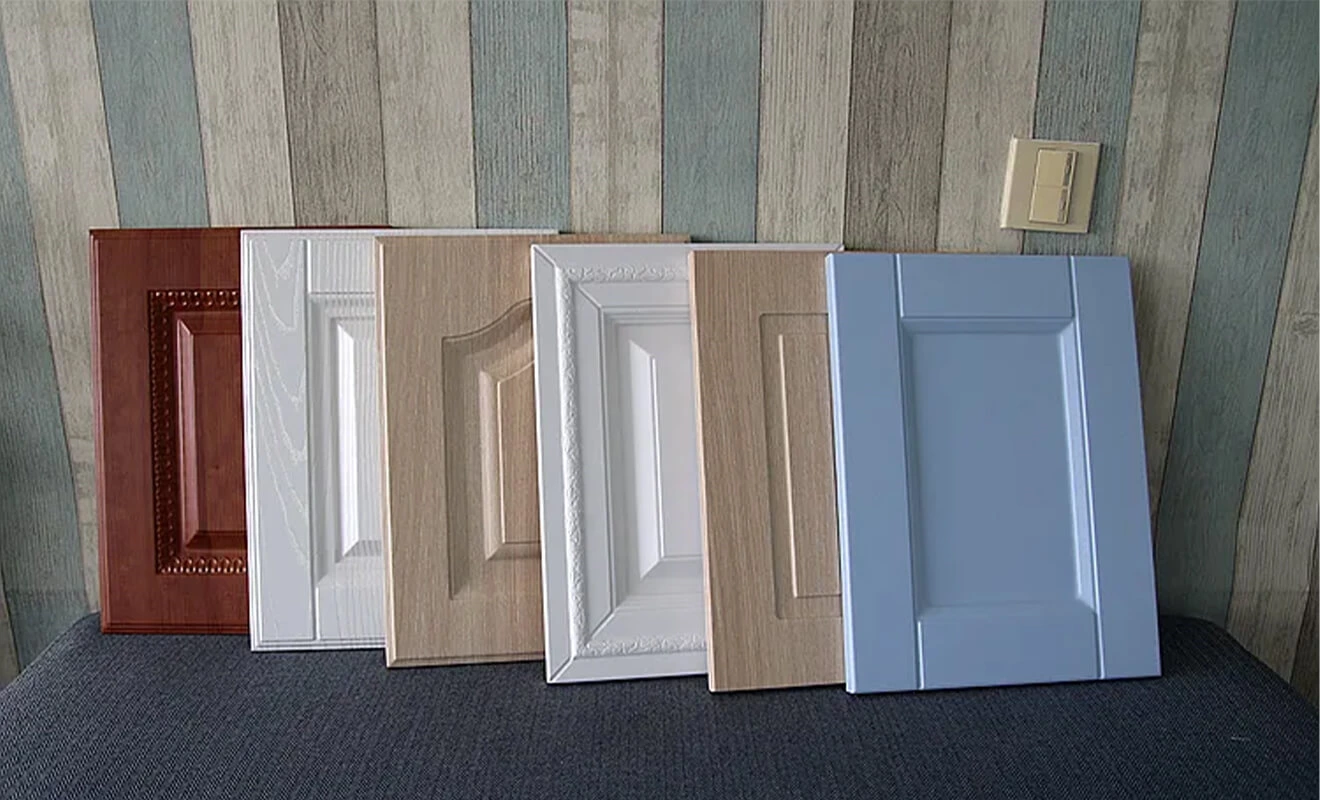
Vacuum-formed doors, also known as molded doors, undergo a series of processing steps to seal the edges of the door panels, effectively resolving issues such as edge delamination and moisture absorption. Additionally, these doors offer advantages such as wear resistance, scratch resistance, high-temperature resistance, and minimal deformation.
Vacuum-formed Door Selection Notes
Molded or vacuum-formed doors are useful when the design needs profiled details without separate edge banding on every visible contour. Review the shape carefully at corners, grooves, and handle areas. The sample should show the final surface, profile, color, and backing treatment, not only a flat swatch.
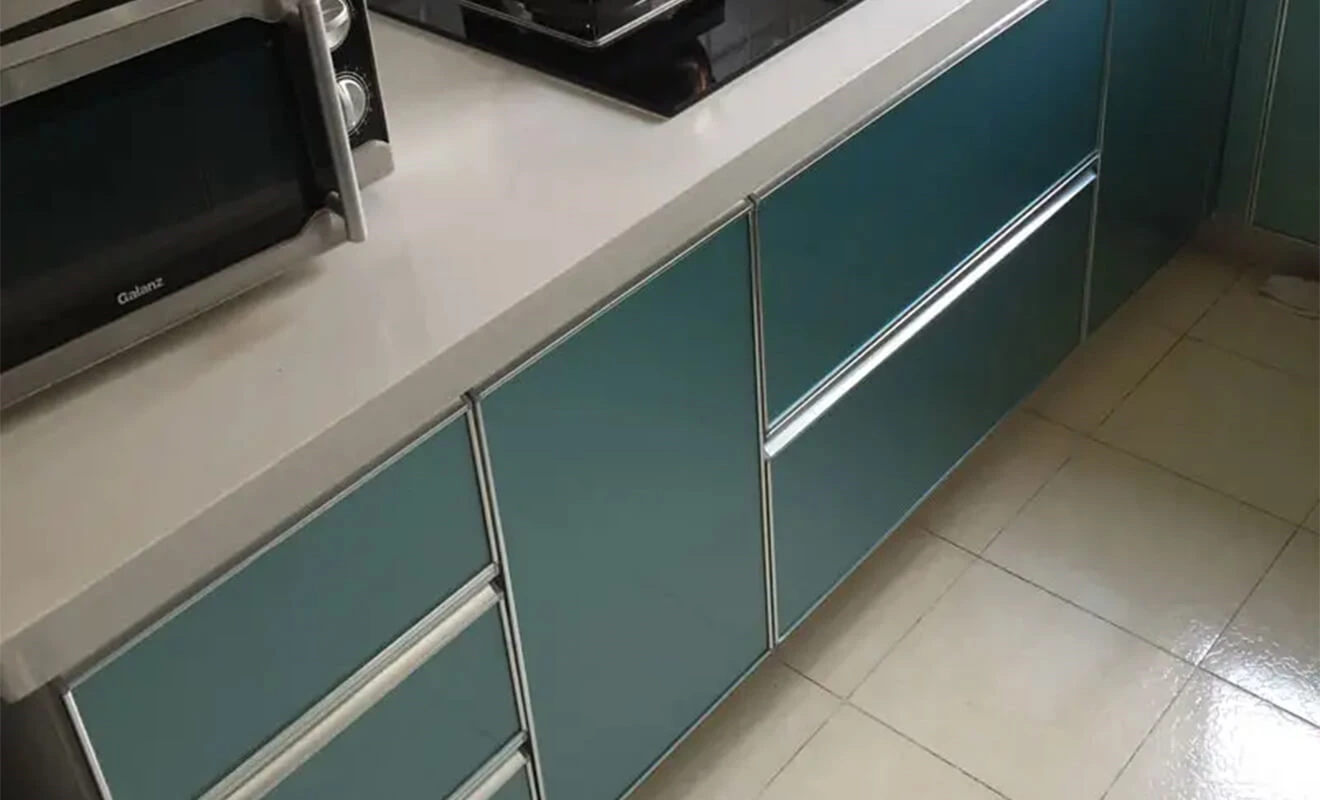
Crystal Door Crystal doors
have a smooth and three-dimensional appearance, with advantages such as high temperature resistance, corrosion resistance, and easy cleaning. However, they are less resistant to wear and may experience surface peeling over time.
Crystal Door Selection Notes
Glossy door finishes can make a kitchen feel brighter but also reveal reflections, fingerprints, and surface scratches differently from textured or matte finishes. Check the door next to the planned countertop, backsplash, lighting, and appliance fronts. Use cleaning products that are suitable for the supplied finish, and avoid assuming that one glossy material performs identically to another.
Double-finished Door
Opting for a double-finished door provides several benefits. The surface of these panels is protected by a film, making them resistant to wear and contamination. They have strong corrosion resistance, a relatively hard surface, and even if sharp objects are scraped across, they won't leave noticeable marks. These panels also offer a wide range of colors and texture patterns, allowing them to complement various interior design styles and meet the needs of different consumers.
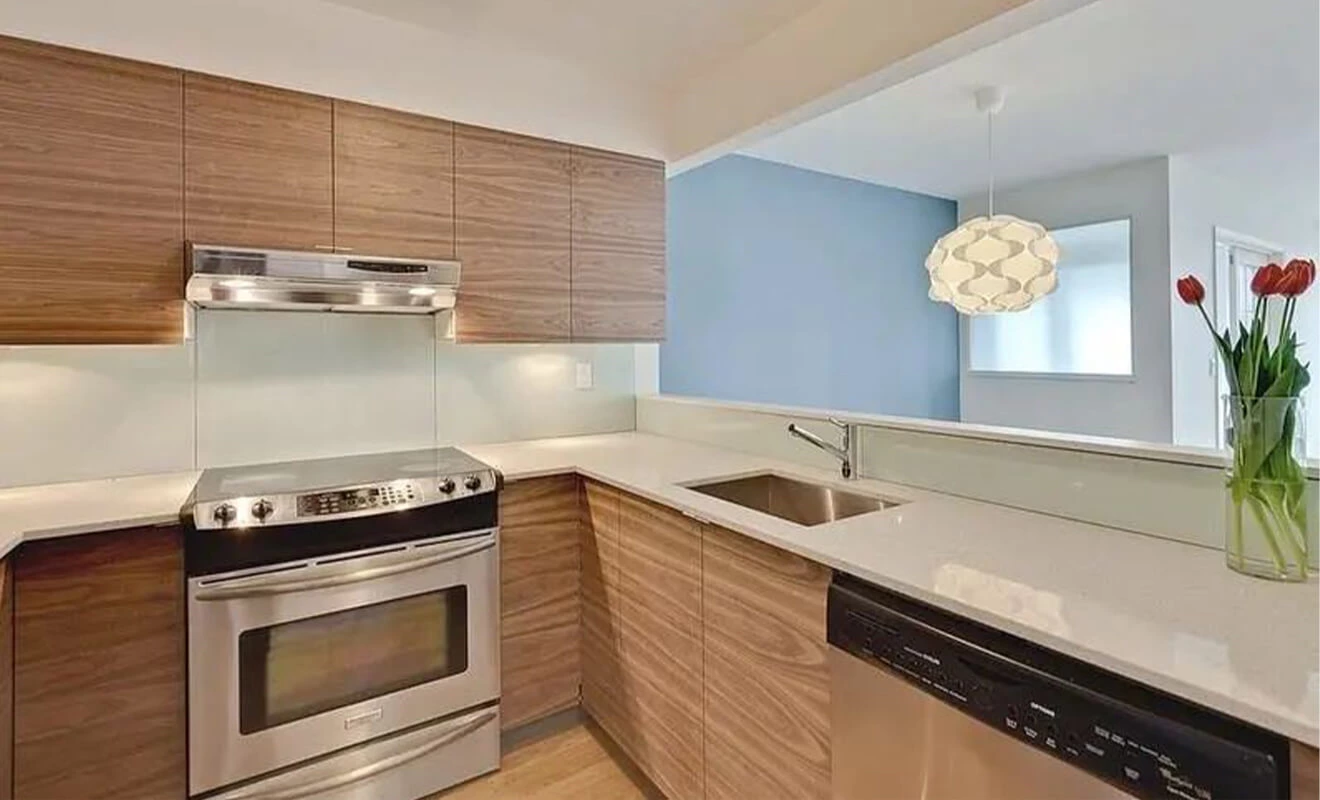
Acrylic Door
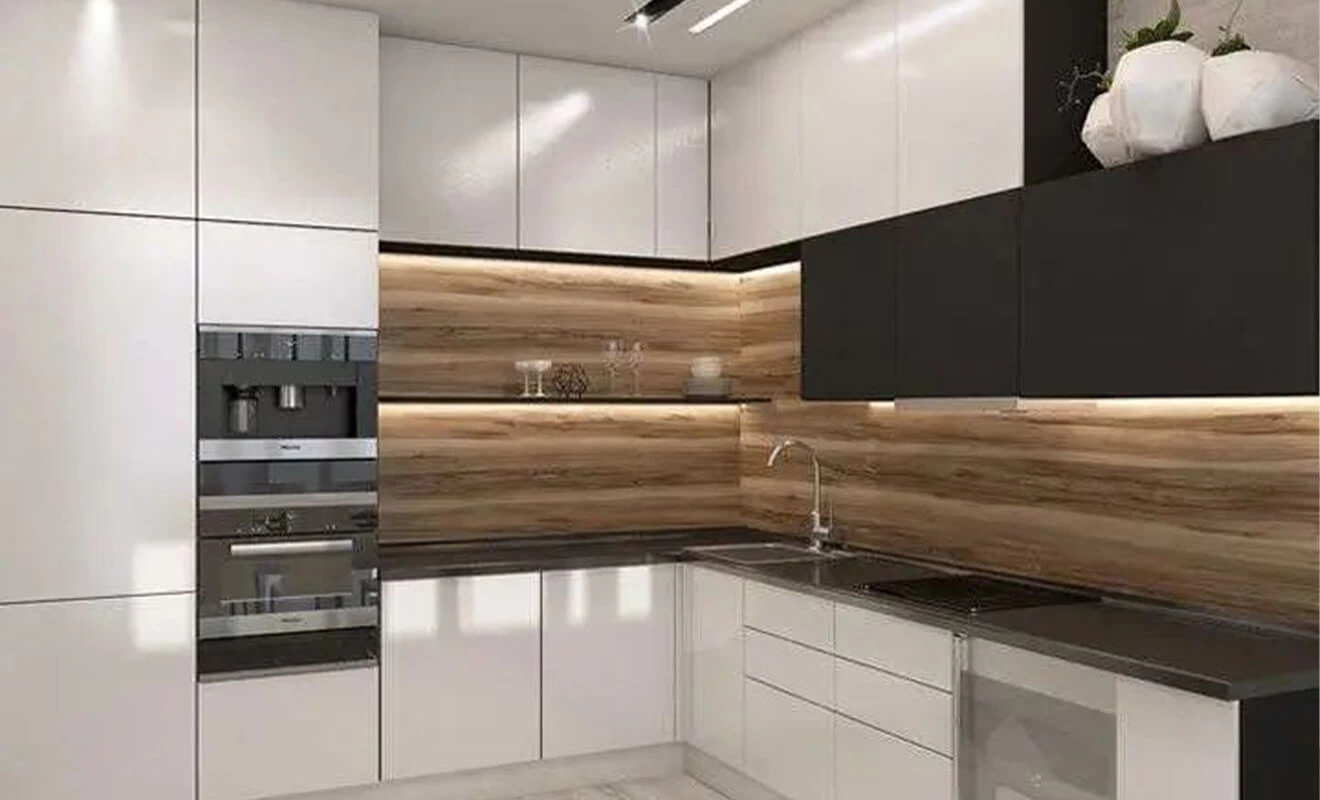
Acrylic cabinet doors have an exquisite appearance, are clean and transparent, and are reasonably priced. They are highly regarded for their environmental friendliness and high-gloss effect. Acrylic doors represent a new and eco-friendly type of cabinet door, following the likes of lacquered, UV, and crystal steel cabinet doors. Acrylic doors possess high transparency, with a light transmittance of up to 92%, earning them the reputation of "plastic crystal." They also exhibit excellent weather resistance, making them particularly suitable for outdoor use. Even after prolonged exposure to sunlight, they won't fade or deteriorate. Acrylic doors are resistant to alkalis, easy to clean (requiring only a gentle wipe with a soft cloth), and offer exceptional surface hardness, smoothness, and brightness. Furthermore, they have excellent high-temperature resistance and do not exhibit problems like delamination, blistering, or deformation.
How to Choose Kitchen Cabinet Door Materials
When comparing kitchen cabinet door materials, first decide what the kitchen must withstand every day. A family kitchen with frequent cooking and cleaning may prioritize an easy-care surface and durable edge treatment. A display-focused kitchen may place more value on color, grain, gloss or a sculpted profile. Most successful projects balance several criteria instead of choosing only by appearance.
- Finish and style: Choose a finish that works with the countertop, backsplash, floor, lighting, and overall home style.
- Daily cleaning: Confirm how the surface responds to fingerprints, grease, water marks, and the cleaning products likely to be used.
- Edges and details: Review edge banding, wrapped corners, cutouts, handle fixing and handleless profiles.
- Room conditions: Consider moisture, heat, ventilation, direct sunlight, and proximity to the sink, dishwasher, or cooktop.
- Hardware and door size: Large or heavy doors need suitable hinges, pull-outs, lift systems, and mounting details.
- Samples and approvals: Approve the actual door sample, not only a catalog image or small color chip.
Material names can vary between suppliers and markets. Ask for the product specification, substrate, surface construction, finish, edge treatment, cleaning guidance, and available documentation for the exact item you will order.
Coordinate Doors with the Full Kitchen System
Cabinet doors should be selected as part of a complete kitchen, not separately from the cabinet box, countertop, handles, and internal storage. Explore custom kitchen cabinet designs alongside door panel options, cabinet raw materials, and kitchen countertops.
Door weight, opening action, and storage needs also influence the hardware. Review cabinet hardware and functional accessories before finalizing tall doors, wide drawers, lift-up fronts, pull-outs, or handleless cabinet systems.
Indoor Air and Material Documentation
For projects that use composite wood products, panel and adhesive documentation can be important, especially when a destination market has formaldehyde-emission requirements. The U.S. Environmental Protection Agency's formaldehyde information provides general regulatory and consumer background. This reference does not mean that every material on this page is automatically certified or compliant; confirm applicable requirements and product documents for the project location.
Kitchen Cabinet Door Material Checklist
- Confirm the exact substrate, surface finish, color, texture, and gloss level.
- Review a full-size or representative door sample under actual lighting.
- Check door size, thickness, edge treatment, panel joints, and handle details.
- Coordinate the door with countertop, backsplash, appliances, floor, and wall colors.
- Identify heat, steam, water, and sunlight exposure near each cabinet zone.
- Confirm cleaning advice, maintenance expectations, and suitable hardware.
- Request the applicable material specification and project documentation before production.
- Approve final drawings, samples, and installation details before releasing the order.
Kitchen Cabinet Door Materials FAQ
1. What are the best kitchen cabinet door materials?
The best material depends on the desired finish, budget, cleaning routine, kitchen conditions, and cabinet construction. Common options include lacquered MDF, decorative laminate, solid wood, melamine, vacuum-formed doors, and acrylic.
2. Is MDF good for kitchen cabinet doors?
MDF is often used as a stable substrate for painted or lacquered doors. Its suitability depends on the finish system, edge protection, door construction, room conditions, and the supplier's specification.
3. Are melamine cabinet doors durable?
Melamine doors can be a practical choice when the panel, surface, edge banding, and fabrication quality are suitable for the project. Inspect the edge details and select a finish that matches the expected use and cleaning routine.
4. Are acrylic cabinet doors easy to clean?
Many acrylic finishes have a smooth surface that can be wiped clean with suitable methods. Follow the supplied cleaning guidance and avoid abrasive products that may damage the specific surface.
5. Are solid wood cabinet doors suitable for kitchens?
They can be, especially when the wood species, finish, construction, and room conditions are planned appropriately. Natural grain and color variation are part of the material's character.
6. What is the difference between lacquered and acrylic doors?
Lacquered doors use a painted finish over a substrate, while acrylic doors use an acrylic surface system. Both can create a clean, polished look, but their construction, repairability, color options, and maintenance should be compared using actual samples.
7. Which cabinet door finish shows fewer fingerprints?
Textured, matte, or patterned finishes may show fingerprints differently from high-gloss surfaces. The result depends on color, sheen, lighting, and how the kitchen is used, so test samples before deciding.
8. Do kitchen cabinet door materials affect hardware choice?
Yes. Door weight, thickness, size, and opening style affect hinge, lift, handle, and pull-out selection. Hardware should be matched to the final door specification.
9. How do I choose cabinet doors for a humid kitchen?
Review the surface, edge treatment, substrate, ventilation, and the position of sinks, dishwashers, and cooktops. Ask the supplier for guidance specific to the selected product and project conditions.
10. What should I check on a cabinet door sample?
Check color, texture, gloss, edge details, handle or handleless machining, cleaning response, and how the door looks beside the countertop, backsplash, and appliances.
11. Are all “eco-friendly” cabinet doors the same?
No. Environmental claims can refer to different materials, standards, regions, and documents. Request project-specific product information and verify the requirements for the destination market.
12. What should be approved before kitchen cabinet production?
Approve measurements, elevations, door materials, finishes, samples, handles, hardware, countertop coordination, appliance clearances, and installation details.
Conclusion: Choose Kitchen Cabinet Doors by Real Use
Kitchen cabinet door materials should support the way the kitchen is used, not only the style of a sample board. Lacquered, laminate, solid wood, melamine, vacuum-formed, crystal, double-finished, and acrylic doors each offer a different combination of appearance, detailing, and maintenance needs.
Start with the complete kitchen system, compare actual samples, and confirm the exact material specification before production. This gives a custom kitchen a more cohesive finish and a cabinet door solution that remains practical for daily life.