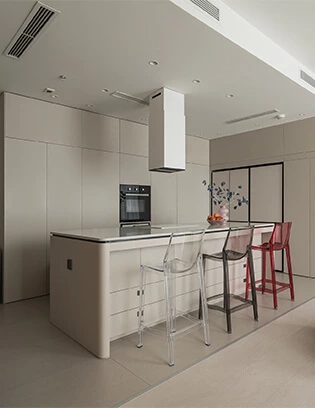
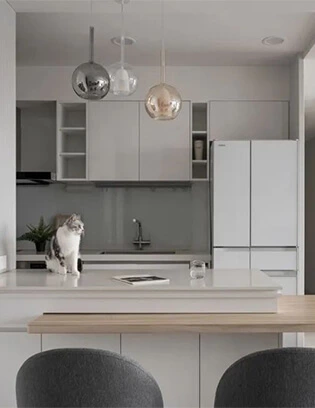
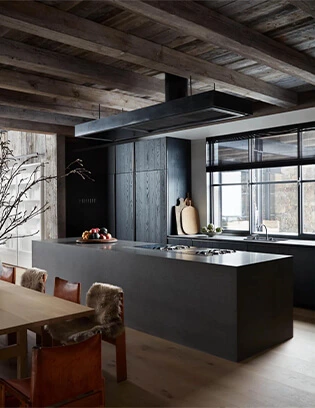
In contemporary interior design, flat and flawless no longer feel fulfilling. Designers are rediscovering the expressive power of lines—lines that give surfaces movement, dimension, and emotion.
As a result, the fluted panel is not a passing trend, but a design language rooted in rhythm, repetition, and refinement. It softens hard surfaces, adds poetry to structure, and makes quiet statements in bold ways. Whether it’s a subtle ripple on a wall or a concealed detail on a cabinet door, fluted textures carve out a space that feels tactile, thoughtful, and alive.
You may have noticed this element in elegant homes or showroom interiors, even if you didn’t know what it was called. So what exactly is a fluted panel? Why is it so loved in modern design? And how can it enhance the spaces we live in? Let’s take a further look.
Fluted interior panels are especially effective when a room needs more texture without adding excessive color or decoration. They can turn a simple surface into an architectural focal point while still allowing the wider material palette, furniture, and lighting to feel calm and cohesive.
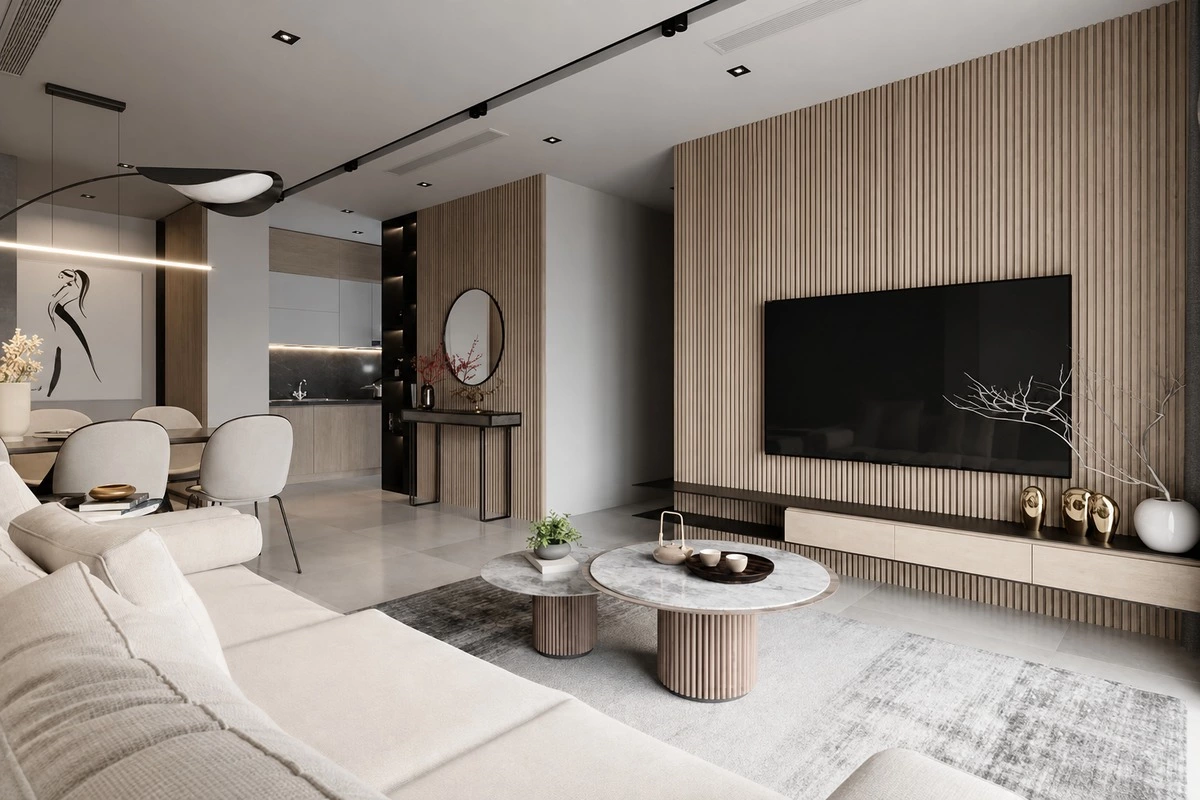
What Is a Fluted Panel?
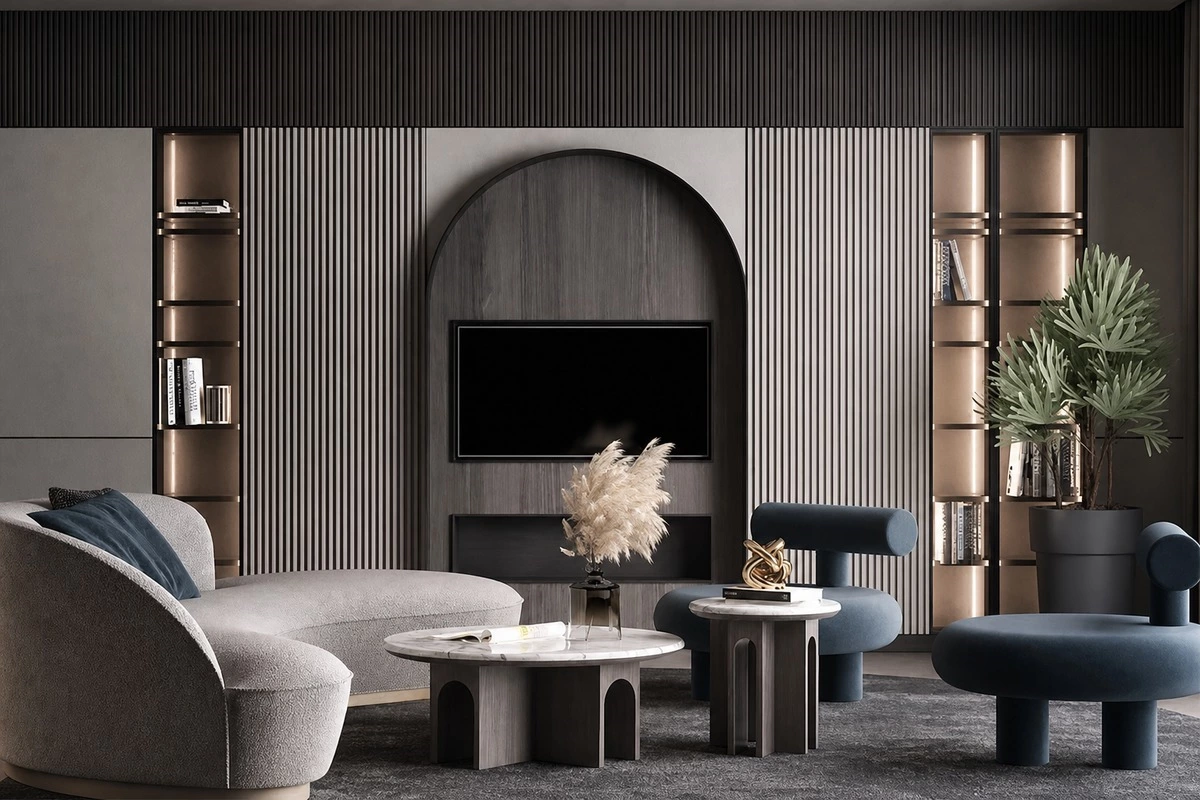
Fluted panels are architectural surfaces characterized by evenly spaced vertical grooves or ridges. These elements add rhythm, structure, and depth to flat surfaces, and are commonly used in walls, cabinetry, doors, and ceilings. Whether concave or convex, flutes introduce both texture and elegance to a space. Originally derived from the grooves found in classical architectural columns, fluted patterns have evolved into a versatile decorative language in contemporary interiors—combining historical inspiration with modern sensibility.
Key Advantages of Fluted Panels
Adds Depth and Rhythmic Beauty: The vertical grooves create a consistent rhythm that breaks visual monotony and brings a three-dimensional, architectural quality to flat surfaces.
Softens Spaces and Adds Warmth: Compared to sleek or glossy surfaces, fluted finishes soften the overall look. When crafted from warm materials like wood, they enhance the natural, cozy ambiance of the space.
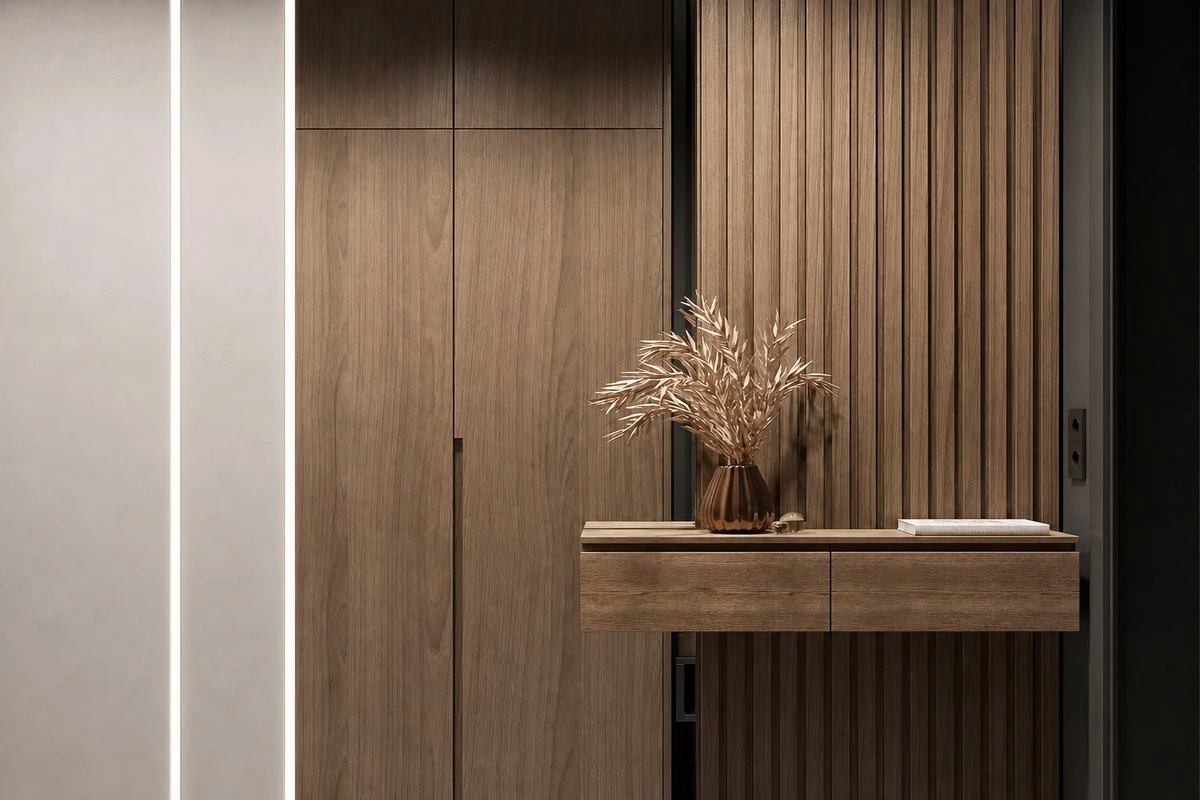
Balances Privacy with Lightness: It offers partial concealment without full opacity, providing visual privacy while preserving openness and airflow—perfect for doors, partitions, and entryways.
Creates Dynamic Light and Shadow: Light interacting with fluted surfaces produces elegant shadow patterns, enriching the ambiance with subtle, ever-changing visual depth.
Highly Versatile in Style: Fluted panels adapt well to a range of aesthetics—from minimalist and modern luxury to new oriental and Japandi—offering either subtle harmony or a bold focal point.
To keep the result balanced, use fluting as a considered design element rather than applying it to every surface. Repeating the detail in one or two connected zones—such as a TV wall and cabinet front, or an island base and bar unit—usually creates a stronger visual rhythm than competing textures throughout the room.
Applications of Fluted Panels
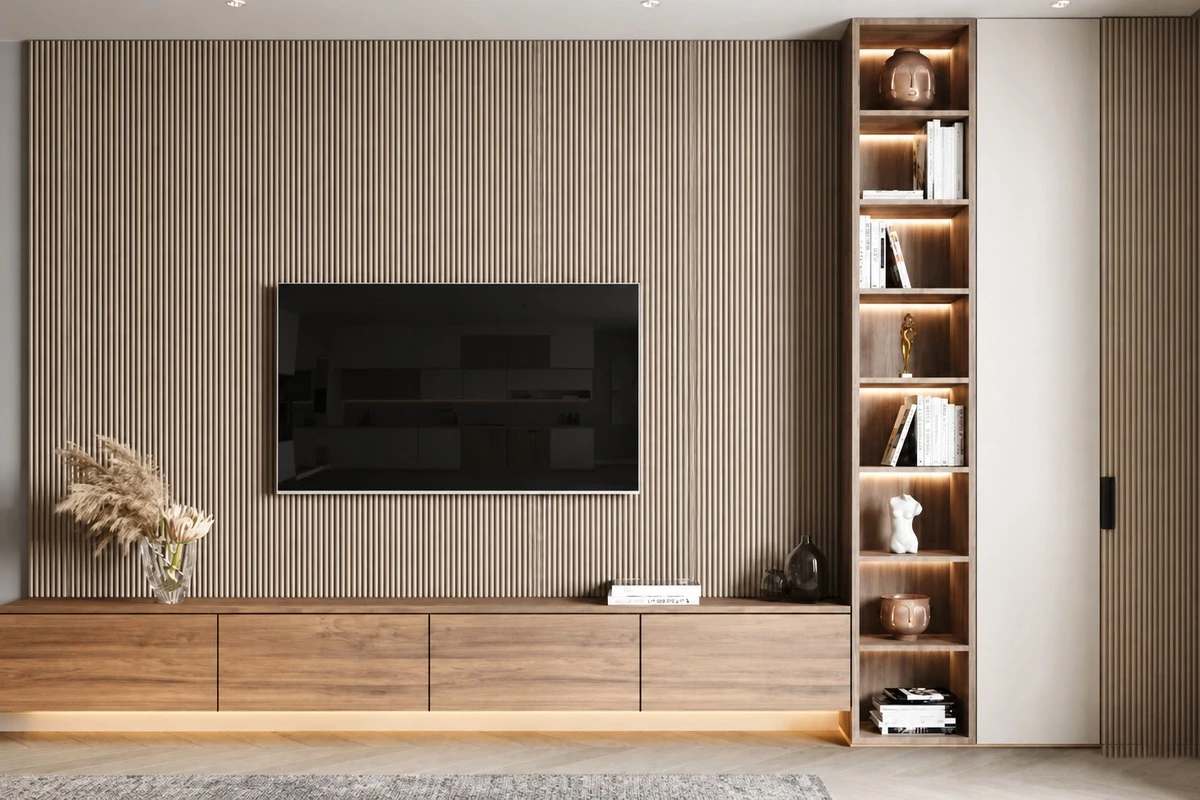
Wall Panels: From entryway statements to feature TV walls, fluted panels create a sense of rhythm and harmony across large surfaces. In open-concept layouts, they also help unify adjacent areas through visual continuity and architectural repetition.
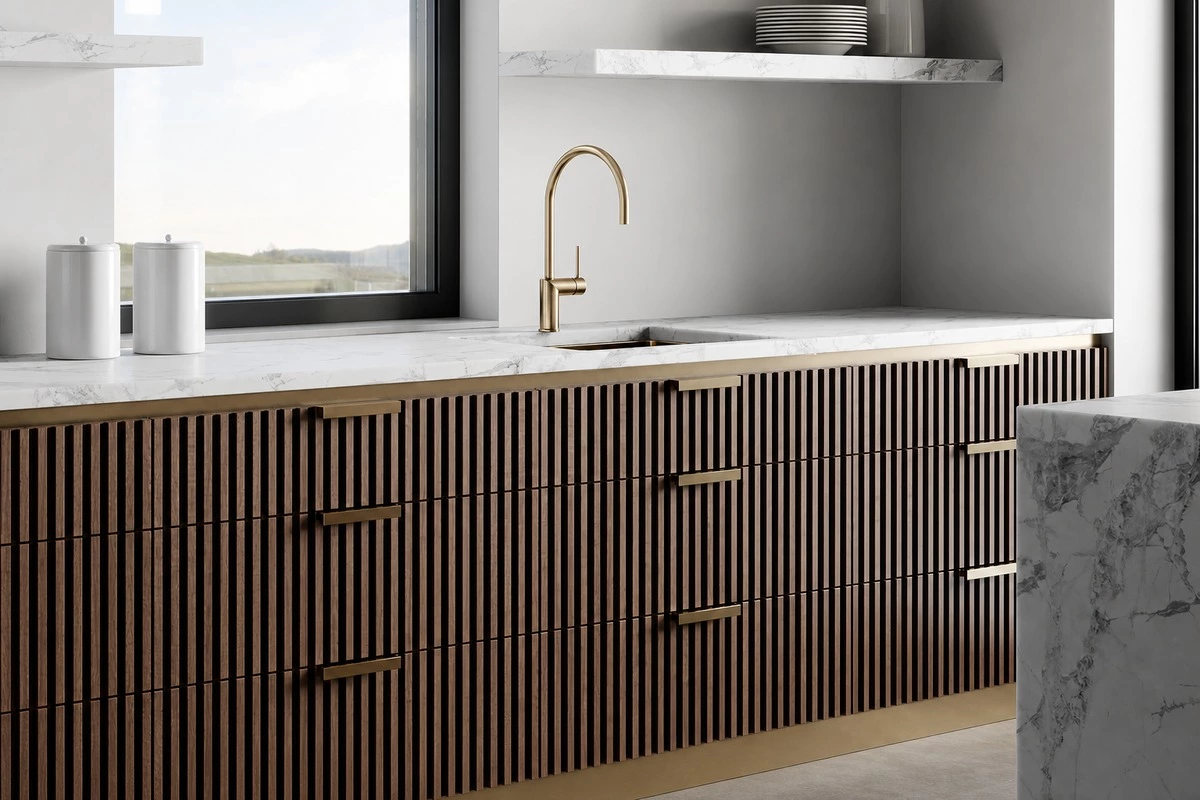
Cabinetry Fronts: Fluted cabinet doors are popular across wardrobes, bar units, vanities, and buffets. They visually lighten bulky storage and elevate the look with refined texture. Paired with recessed or handleless systems, they offer a minimalist, uninterrupted appearance.
Hidden Doors: Vertical grooves create a visual camouflage, allowing door seams to dissolve into the wall. This technique is ideal for concealing doors to pantries, closets, or bathrooms—maintaining clean sightlines without compromising accessibility.
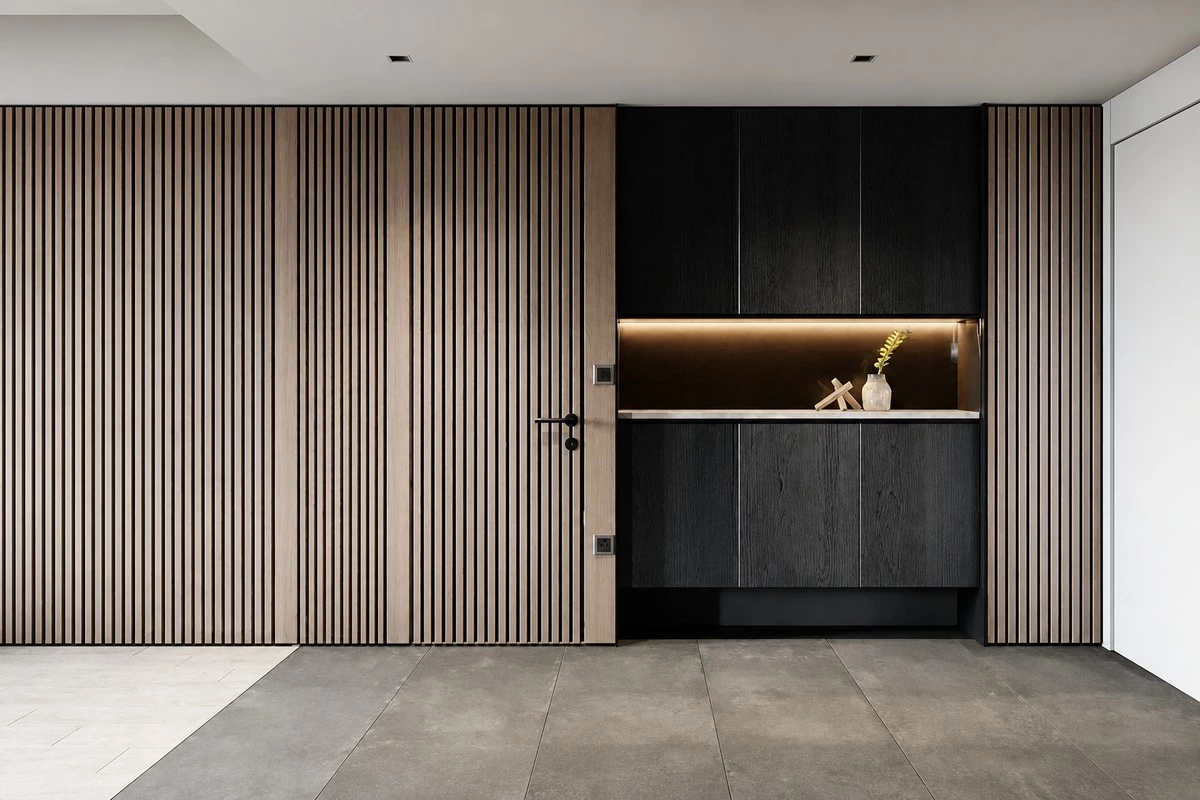
Partitions & Entry Screens: Used as open dividers, fluted panels delineate space while maintaining brightness and ventilation. When designed with gaps between slats, they strike a perfect balance between privacy and openness—offering both form and function.
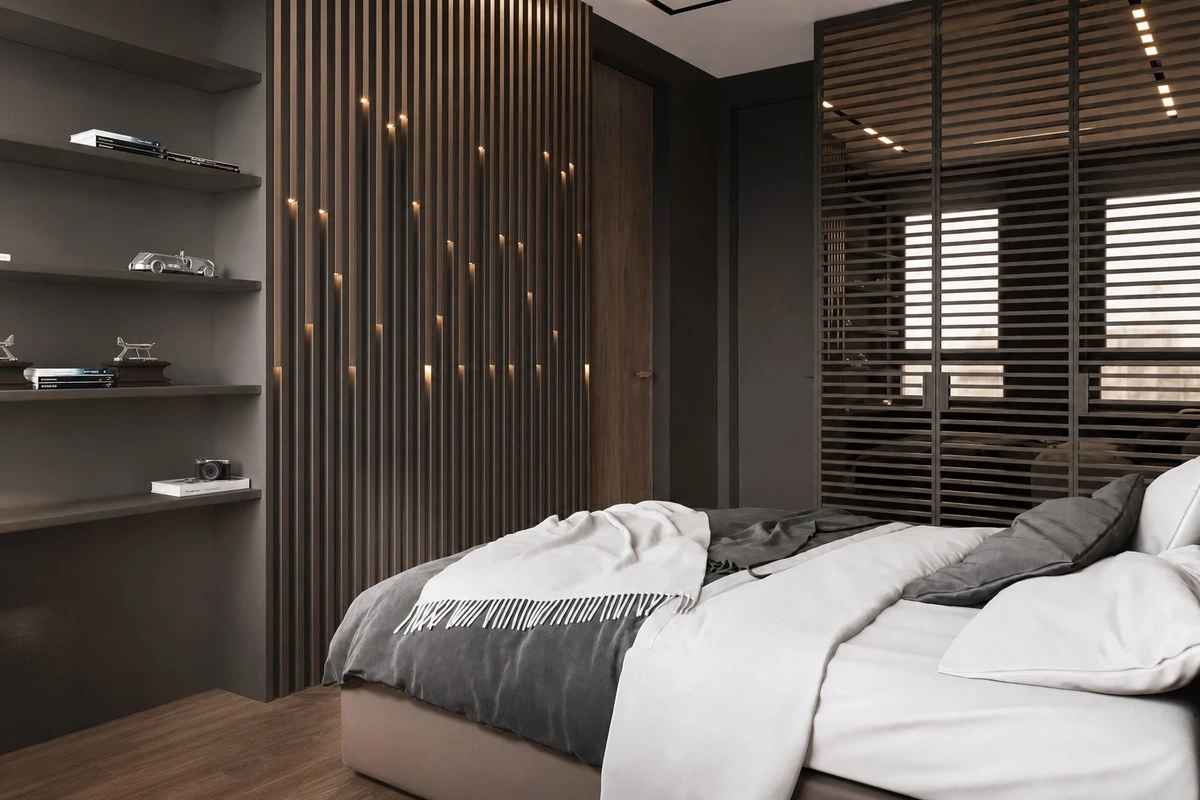
Ceilings: In retail and high-ceilinged residential interiors, fluted ceilings add rhythm and guide visual flow. Combined with hidden lighting or acoustic panels, they deliver both aesthetic and performance benefits.
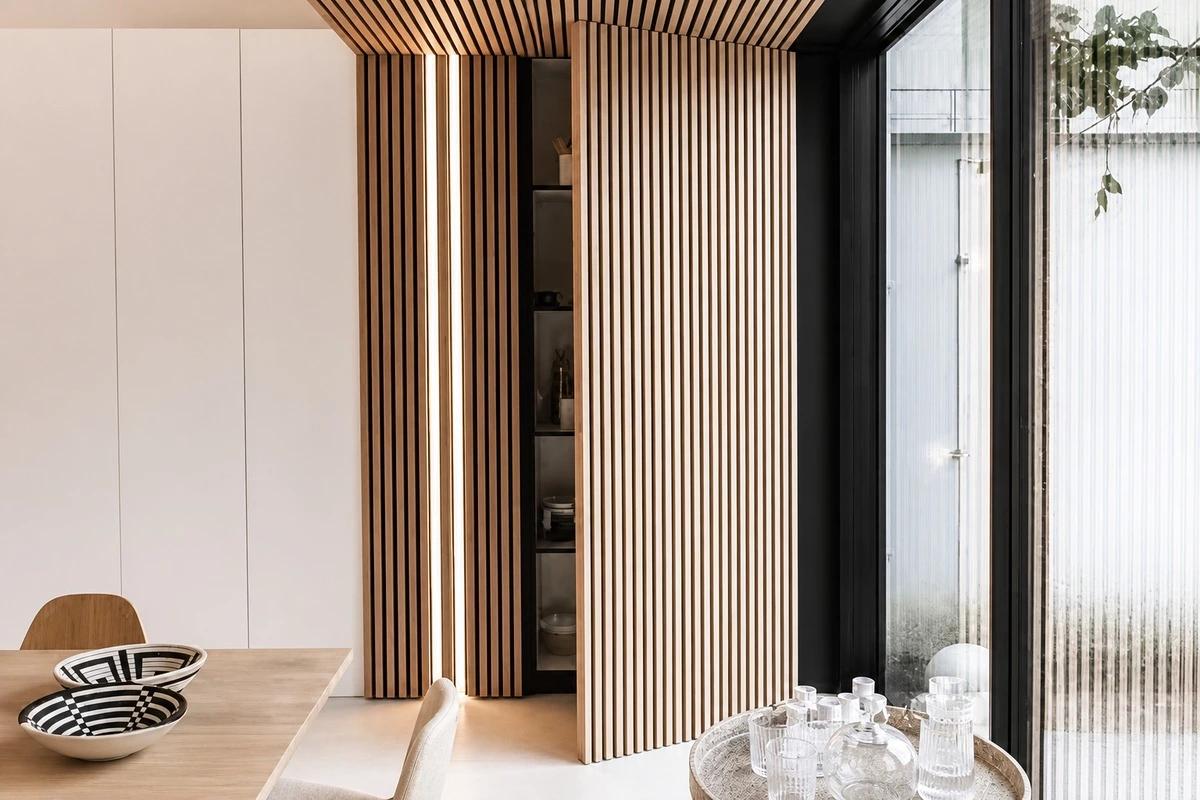
Furniture Accents & Island Bases: Applied to furniture surfaces or kitchen island bases, fluted accents add dimension and elegance. On islands in particular, vertical textures elongate the base and reduce perceived bulk, enhancing the sculptural form.
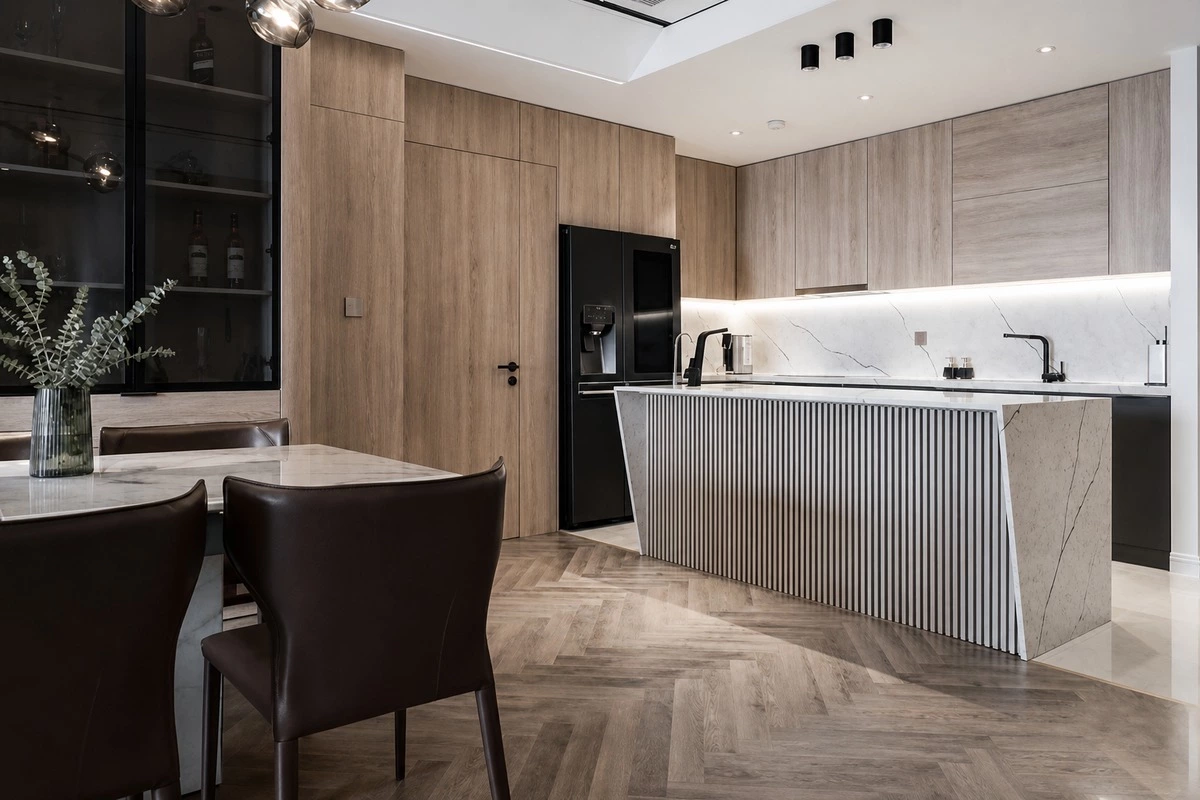
How to Plan Fluted Interior Panels
Before choosing a fluted profile, consider how the panel will be viewed, touched, cleaned, and connected to the rest of the room. These details help the finished surface look intentional rather than decorative for its own sake.
- Choose the right scale: Wider grooves can feel bold and architectural, while finer fluting creates a more delicate and refined effect.
- Use lighting deliberately: Grazing light from a side wall, ceiling detail, or concealed LED strip can reveal the panel’s depth and shadow.
- Match the material to the location: Select finishes according to moisture exposure, daily use, cleaning needs, and the required structural performance.
- Coordinate seams and edges: Align panel joints, door gaps, and grain direction so the rhythm continues cleanly across the full elevation.
- Balance textured and smooth surfaces: Pair fluting with calm, flat cabinetry, stone, glass, or painted walls to avoid visual overload.
For additional application inspiration, explore our earlier guide to fluted paneling for full-house customization. If your fluted cabinetry uses handleless fronts, see our guide to handleless cabinet door opening systems.
Choosing Materials for Fluted Panels
The best panel material depends on the intended finish and location. Painted decorative panels often need a smooth, stable substrate, while wood veneer, laminate, glass, or metal treatments can create different visual effects. For cabinetry and wall detailing, material selection should also account for humidity, edge treatment, maintenance, and the method used to form the grooves.
For a practical comparison of common cabinet substrates and decorative applications, read our MDF vs plywood cabinets guide. For official information about composite wood product emissions, refer to the U.S. Environmental Protection Agency’s composite wood standards.
Fluted Interior Panels FAQs
What are fluted interior panels?
Fluted interior panels are decorative surfaces with repeated grooves or ridges. They add texture, depth, and visual rhythm to walls, doors, cabinetry, partitions, ceilings, and furniture.
Where can fluted panels be used in a home?
Fluted panels can be used on feature walls, TV walls, cabinet doors, wardrobe fronts, bathroom vanities, hidden doors, partitions, ceilings, furniture accents, and kitchen island bases.
Do fluted panels work in small rooms?
Yes. In a small room, use fluting selectively on one focal surface or a limited cabinet section. Vertical grooves can draw the eye upward and add depth without requiring strong color contrast.
Are fluted cabinet doors difficult to clean?
Grooved surfaces require more attention than completely flat doors because dust can settle in the profile. Selecting an appropriate finish and using the detail in a practical location can make maintenance easier.
Can fluted panels be used with handleless cabinetry?
Yes. Fluted doors can be paired with recessed pulls, profile handles, or selected push-to-open systems. The opening method should be planned carefully so the decorative rhythm and daily usability both remain intact.
Bring Rhythm to a Modern Interior
Fluted interior panels offer a way to introduce texture without overwhelming a space. Whether applied to a wall, cabinet front, concealed door, partition, ceiling, or island base, the right profile and material can make a modern home feel more layered, tactile, and memorable.