While the kitchen primarily serves a functional purpose, those who seek a high-quality lifestyle also desire an exterior beauty in their kitchen design. Who wouldn't want their home to be aesthetically pleasing in every corner? A good kitchen design should possess enduring visual appeal and offer comfort and convenience through years of use. Overly extravagant designs may appear dazzling, but they often lead to chaos in practical daily life. Here, we present a summary of visually pleasing kitchen design trends that stand the test of time.
The best kitchen cabinet design ideas begin with the way a household actually cooks, stores, cleans, and gathers. A beautiful finish matters, but it should work alongside a clear workflow, accessible storage, properly planned appliances, and lighting that supports daily tasks. When these details are considered together, a kitchen can feel visually calm while remaining practical for years of everyday use.
Start with Function Before Selecting Finishes
Before choosing cabinet colors, door styles, or decorative details, map the kitchen around its daily routine. Identify where groceries enter, where food is washed and prepared, where cookware is stored, and where serving or dining takes place. This simple process helps determine the most useful positions for tall cabinets, base drawers, appliances, pantry storage, and an island.
Custom cabinetry is particularly valuable when the room has an awkward corner, a compact layout, high ceilings, or integrated appliances. Explore custom kitchen cabinet solutions to see how storage, layouts, materials, and hardware can be planned around the actual space rather than a standard cabinet module.
Invisible Handle Design
In the past, intricate cabinet door styles and delicate handle designs were popular. However, in smaller kitchens, such complex styles can make the space feel cramped and cluttered. The current trend favors invisible handles with clean, unadorned shapes. These handles not only create a visually streamlined effect but also exude simplicity and modernity. They are undoubtedly the top choice for cabinets.

In addition to their harmonious and unified visual appeal, invisible handles also prevent the accumulation of grease, making cleaning simpler and more convenient. They combine external aesthetics and practicality seamlessly.
For a handleless kitchen, choose the opening system according to the door size and daily use. Options can include recessed finger pulls, integrated channel handles, beveled door edges, or push-to-open hardware. The most suitable solution should feel comfortable to use, be easy to maintain, and match the cabinet material. For more examples, see our handleless cabinet design guide.

Embedded Cabinet Design
When a kitchen is filled with pots, pans, appliances, and various items, it can quickly become chaotic, creating a crowded atmosphere. Choosing cabinets that can accommodate all these items and embedding kitchen appliances, spices, and condiments can save space while maintaining aesthetics. This approach ensures a pleasant cooking experience and keeps the kitchen tidy.

Built-in appliance cabinets help create one continuous elevation instead of scattering visual focal points around the room. When planning them, confirm appliance specifications, ventilation requirements, door-opening clearance, electrical points, and access for future servicing before production. A dedicated appliance garage or tall pantry can also keep small countertop appliances available without leaving them permanently on display.
Mixed Lighting
In a well-designed kitchen, lighting serves multiple functions and can also be a decorative element. Pendant lights can illuminate the entire space, while wall sconces or LED sources can focus on specific areas. Features like under-cabinet lighting, interior cabinet lighting, shelf lighting, drawer lighting, and toe-kick lighting provide dedicated illumination for each part of the kitchen. This not only addresses the issue of insufficient lighting caused by cabinet panels but also adds a sense of style and display. Clever lighting combinations create ambiance and enhance the overall space.

Layered lighting works best when each source has a clear job. General ceiling lighting supports overall visibility, under-cabinet lighting brightens the food-preparation surface, and interior cabinet lighting helps users find items in tall units or glass displays. Dimmable LEDs provide flexibility between focused prep time and a softer evening atmosphere. The U.S. Department of Energy also identifies under-cabinet lighting as a useful form of kitchen task lighting; its guidance is available in this LED kitchen lighting resource.
Open Shelving with Deep Drawers
The disappearance of wall cabinets is a kitchen design trend. Storing cups, glasses, and glass jars filled with spices and ingredients on open shelves not only enhances accessibility but also serves as decorative accessories, adding personality to the kitchen.

To compensate for the loss of upper cabinet storage, deep drawers in the base cabinets provide exceptional storage capacity. Drawers optimize space utilization and help maintain order, and they can be customized based on individual needs by working with a cabinet designer.
Open storage looks its best when it is intentional rather than overcrowded. Display everyday glassware, neatly grouped ceramics, cookbooks, or a small selection of pantry jars, while using deep drawers for heavier cookware and concealed storage. Drawer dividers, internal pull-outs, and adjustable organizers prevent the space from becoming difficult to maintain.
For a broader view of storage planning, read our cabinet storage organization guide. It explains how to combine accessible storage with closed storage according to daily habits.
Creative Color Schemes
While traditional color schemes are versatile, they may lack individuality. Vibrant color choices can add vitality and a touch of fashion to the kitchen, making cooking a more enjoyable experience. Selecting lively and bright colors can express the kitchen's fashionable attitude and elevate it from being mundane to captivating.

Color should support the size, lighting, and overall mood of the room. Warm wood, cream, grey, and soft neutral shades are easy to combine with long-lasting countertop materials, while stronger colors can be used on an island, a tall cabinet section, or selected door panels. A two-tone scheme can also separate functional zones visually, such as a darker base cabinet paired with lighter wall cabinets.
When reviewing kitchen cabinet design ideas, test samples beside the chosen countertop, backsplash, flooring, and wall finish. Daylight and evening lighting can make the same cabinet color appear very different, so viewing samples in the actual room helps create a more confident final selection.
Cabinet Island
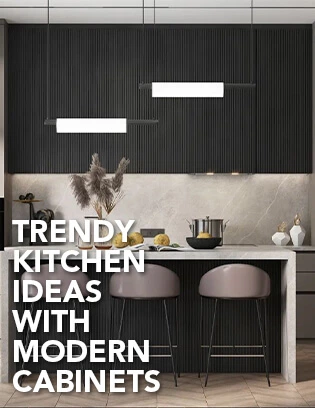
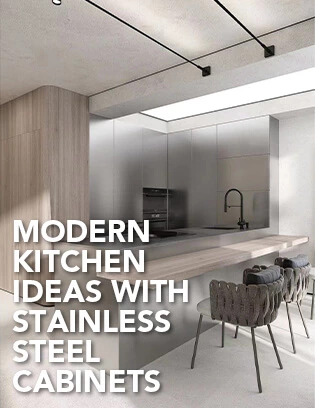
In addition to experimenting with color, combining cabinets and islands is a significant trend in kitchen design. With ample countertop space and storage, this arrangement makes cooking, whether it's for Chinese or Western cuisine, more efficient. In open kitchens, islands not only serve as soft dividers but also provide assistance during cooking, reduce storage pressure, and maximize limited space.

An island should be designed around circulation before appearance. Consider whether it needs additional drawers, a sink, a cooktop, seating, a wine display, or simply uninterrupted preparation space. The remaining aisle should allow people to move comfortably past open drawers and appliances. If your layout is still being planned, use our kitchen cabinet sizes guide together with the floor plan before finalizing cabinet production.
A Practical Checklist for Kitchen Cabinet Design Ideas
- Workflow: Keep washing, preparation, cooking, and storage zones logically connected.
- Storage: Allocate space for cookware, dishes, small appliances, pantry goods, waste sorting, and cleaning supplies before selecting door styles.
- Appliances: Confirm exact appliance models and installation requirements before cabinet drawings are approved.
- Hardware: Select hinges, drawer slides, and opening systems that suit door weight, frequency of use, and maintenance needs.
- Materials: Coordinate cabinet finishes with the countertop, backsplash, flooring, and lighting instead of choosing each element separately.
- Future use: Plan for changing household needs, additional storage, and access for appliance servicing.
The kitchen is the heart of the home, and a well-designed kitchen brings joy. It turns every meal into a shared experience filled with laughter and warmth. Allure offers various ideal kitchen design solutions, bringing families together to enjoy precious moments in a beautiful setting.
Frequently Asked Questions
What makes a kitchen cabinet design functional?
A functional kitchen cabinet design supports a smooth workflow, places frequently used items within easy reach, provides enough countertop space, and includes storage suited to the household’s cookware, appliances, groceries, and cleaning supplies.
Are handleless kitchen cabinets practical?
Yes. Handleless cabinets can create a clean appearance and make cabinet fronts easier to wipe down. The best opening method depends on the design, including recessed pulls, integrated channels, beveled edges, or push-to-open hardware.
Should I choose drawers or doors for base cabinets?
Deep drawers are highly useful for pots, pans, dishes, and food containers because they bring contents forward for easier access. Door cabinets can still work well for larger items, under-sink storage, or specialized pull-out systems.
Is under-cabinet lighting worth adding?
Under-cabinet lighting can improve visibility on worktops, reduce shadows during food preparation, and create a softer atmosphere when the main ceiling lights are not needed.
Does every kitchen need an island?
No. An island should only be included when there is sufficient room for comfortable circulation. In smaller kitchens, an efficient L-shaped, U-shaped, or galley layout with well-planned drawers may deliver better daily performance.
Final Thoughts
The most successful kitchen cabinet design ideas combine visual character with practical decisions that support real routines. Handleless doors, built-in appliances, layered lighting, deep drawers, thoughtful color schemes, and well-planned islands can all contribute to a kitchen that feels contemporary without sacrificing comfort, storage, or ease of use.