Choosing the right kitchen cabinet sizes is one of the most important steps in creating a kitchen that looks clean, stores more, and works comfortably every day. Cabinet height, depth, and width affect countertop space, appliance placement, storage capacity, walking clearance, and final installation quality.
Standard cabinet dimensions are useful for many kitchens, but custom kitchen cabinet sizes are often the better choice for small apartments, high ceilings, luxury villas, open-plan kitchens, and projects with built-in appliances. This guide explains base, wall, tall, island, and custom cabinet dimensions so you can plan a better kitchen before production.
Quick Answer: What Are Standard Kitchen Cabinet Sizes?
Standard kitchen base cabinets are usually 34.5 inches high without a countertop, 24 inches deep, and available in common widths from 9 to 48 inches. Wall cabinets are usually 12 inches deep and available in heights from 12 to 42 inches. Tall cabinets are commonly 84, 90, or 96 inches high and often used for pantry storage, appliance towers, or full-height organization.
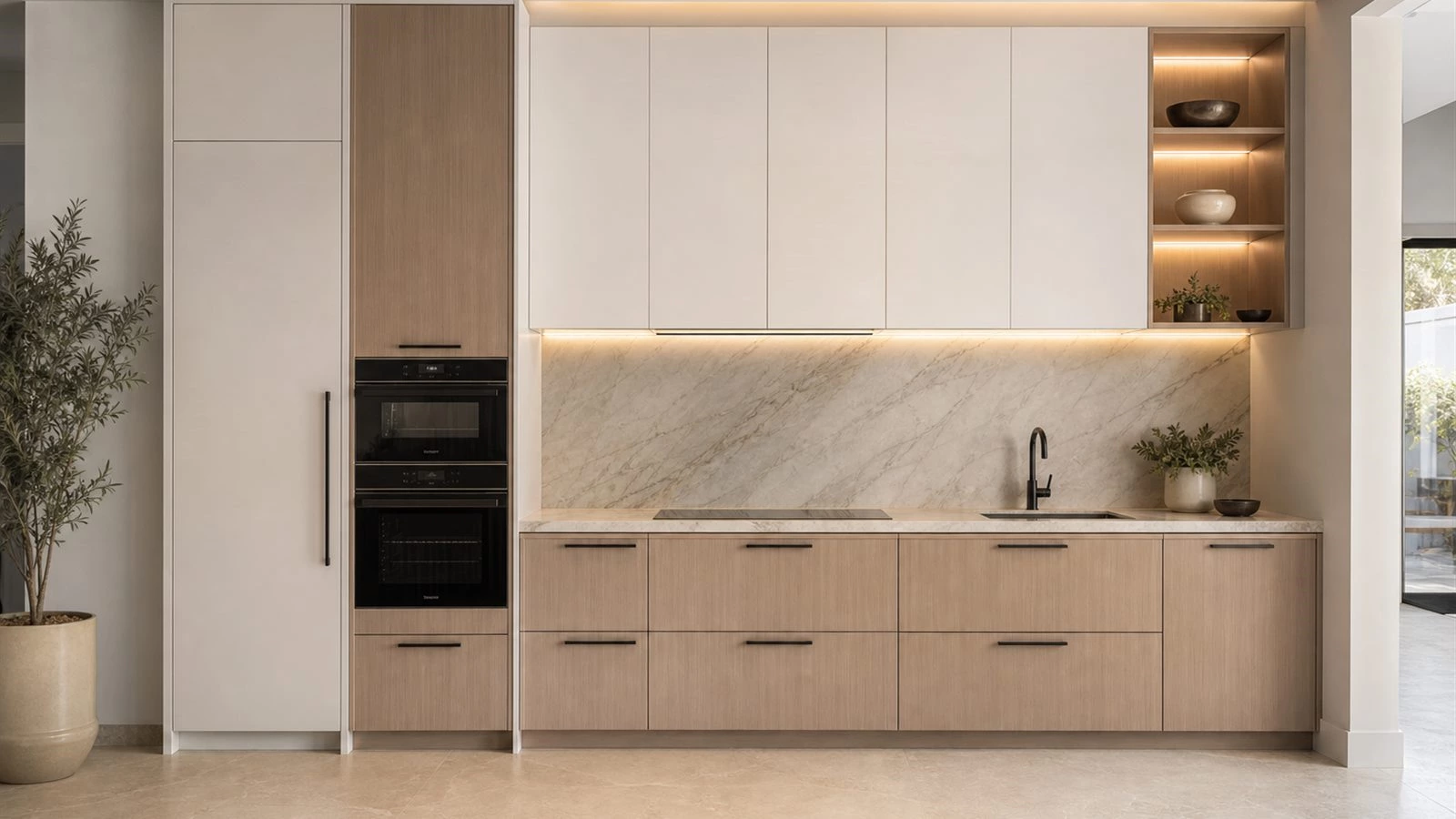
Kitchen Cabinet Sizes Chart
| Cabinet Type | Standard Height | Standard Depth | Common Widths | Best Use |
|---|---|---|---|---|
| Base Cabinets | 34.5 in without countertop | 24 in | 9-48 in | Cooking, sink, drawers, cookware storage |
| Wall Cabinets | 12-42 in | 12-24 in | 9-48 in | Dishes, glasses, dry food, display storage |
| Tall Cabinets | 84-96 in | 12-24 in | 18-36 in | Pantry, oven tower, broom storage |
| Kitchen Island Cabinets | 34.5 in without countertop | 24-48 in | Custom | Preparation, seating, storage, sink, cooktop |
Why Kitchen Cabinet Sizes Matter
- Better storage efficiency: Correct cabinet dimensions help every drawer, shelf, and pull-out system fit the items you use daily.
- More comfortable workflow: Proper cabinet height and depth make cooking, washing, and preparation easier.
- Cleaner appliance integration: Accurate cabinet sizes help ovens, refrigerators, dishwashers, sinks, and range hoods fit neatly.
- Less wasted space: Custom sizing can eliminate awkward gaps beside walls, corners, columns, and appliances.
- Higher installation quality: Precise measurements reduce filler issues, on-site cutting, and cabinet alignment problems.
Standard Base Cabinet Dimensions
Base cabinets form the lower storage system of the kitchen. They support countertops, sinks, cooktops, drawers, pull-outs, and many built-in appliances.
Base Cabinet Height
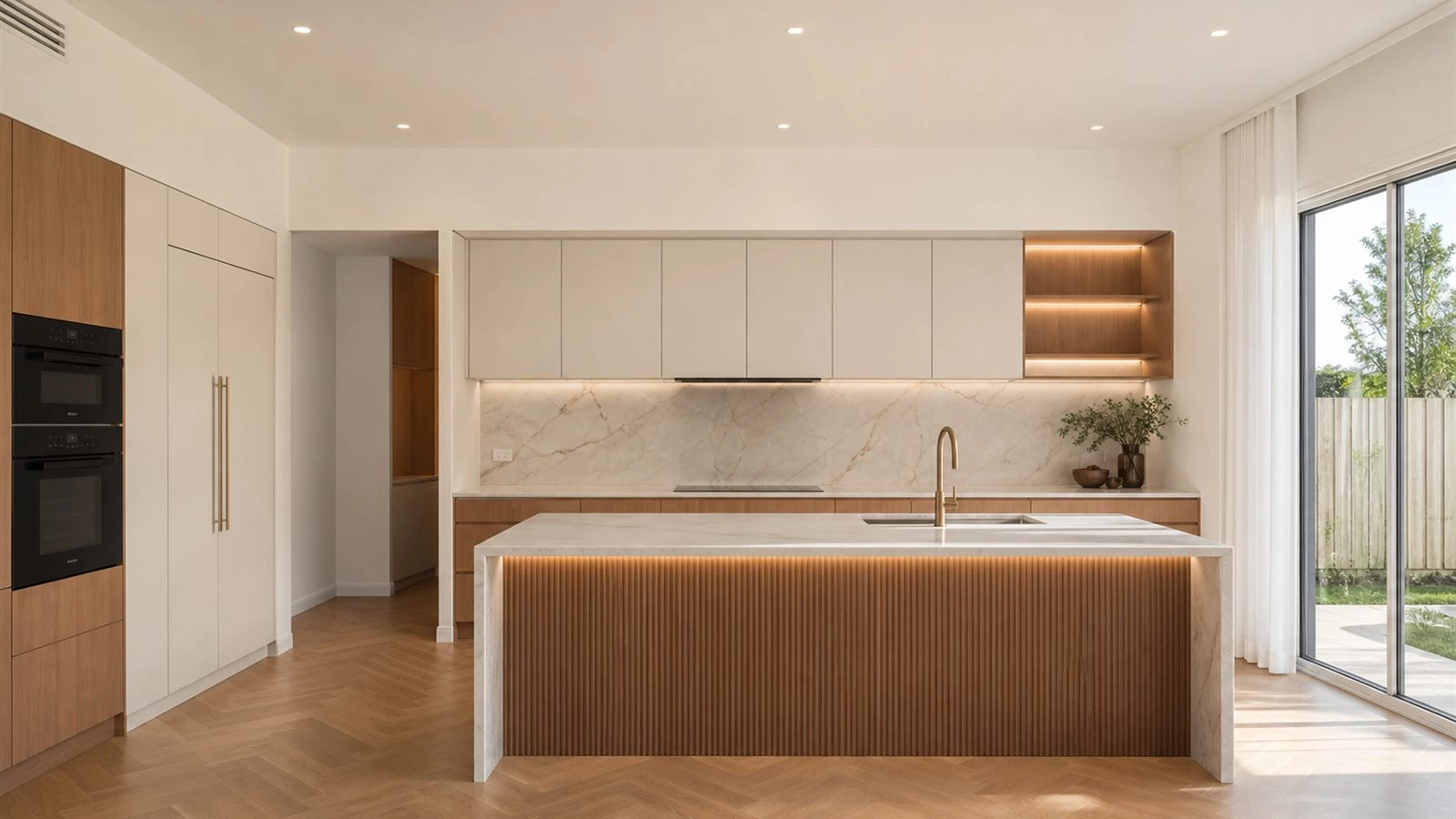
Standard base cabinet height is usually 34.5 inches before the countertop is installed. With a countertop, the finished working height is usually about 36 inches. This height is comfortable for most cooking and preparation tasks.
Base Cabinet Depth
Standard base cabinet depth is usually 24 inches. This depth works well with most countertops, sinks, drawers, dishwashers, and built-in kitchen appliances. For kitchen islands, deeper cabinets may be used to add seating, extra storage, or back-to-back modules.
Base Cabinet Width
Common base cabinet widths include 9, 12, 15, 18, 21, 24, 30, 33, 36, 42, and 48 inches.
- 9-12 inch cabinets: Best for spice pull-outs, tray dividers, and narrow filler storage.
- 15-18 inch cabinets: Suitable for small drawers, pull-out baskets, or compact storage.
- 24 inch cabinets: Common for standard drawer bases, doors, and small appliance storage.
- 30-36 inch cabinets: Ideal for sink bases, cookware drawers, and wider storage zones.
- 42-48 inch cabinets: Useful for large drawers, wide islands, or oversized storage areas.
Standard Wall Cabinet Dimensions
Wall cabinets provide upper storage without using floor space. They are commonly used for plates, bowls, glasses, dry food, and display items.
Wall Cabinet Height
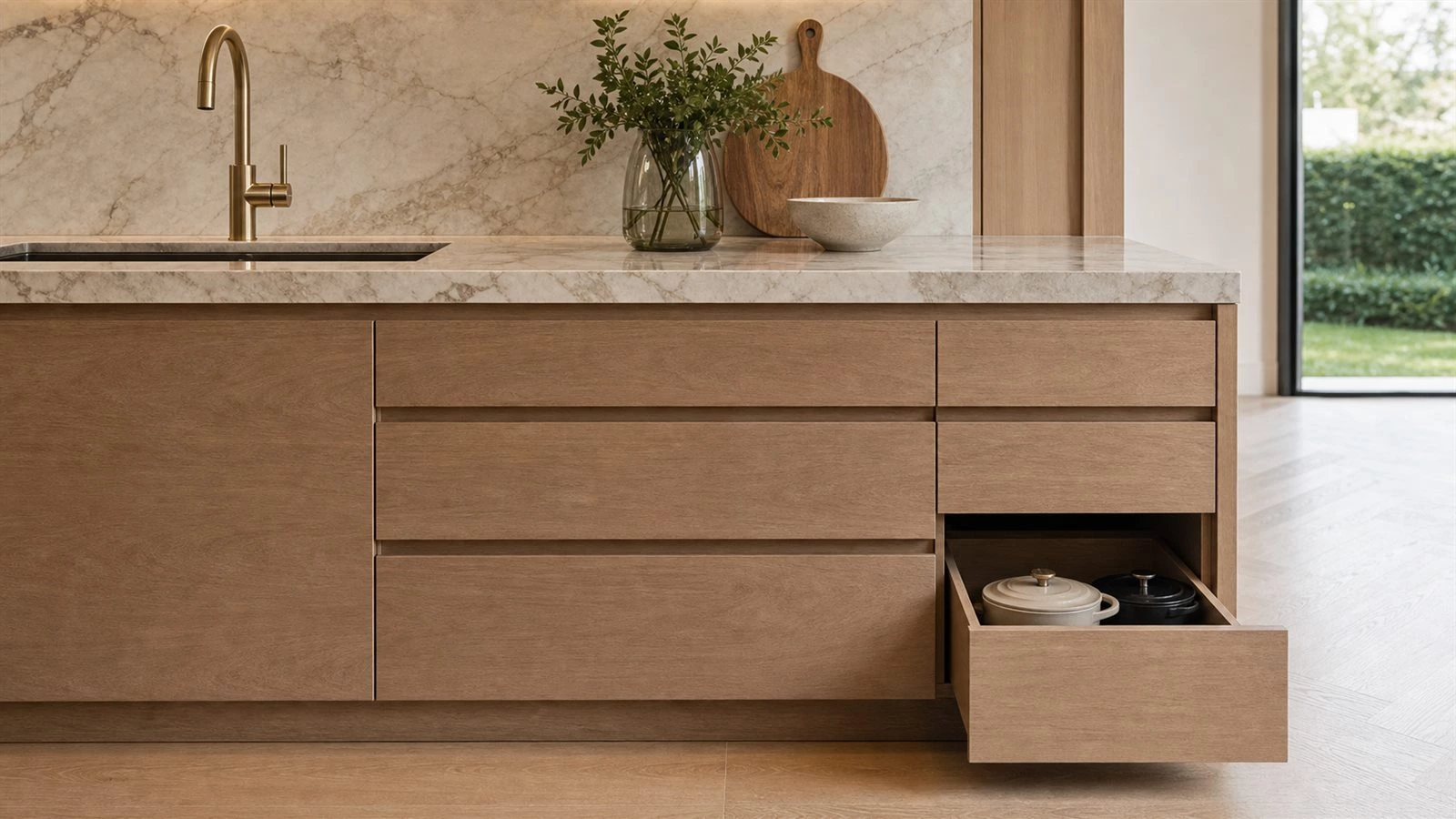
Common wall cabinet heights include 12, 15, 18, 24, 30, 36, and 42 inches. Shorter wall cabinets are often used above refrigerators, range hoods, or windows, while taller wall cabinets are better for high ceilings and larger storage needs.
Wall Cabinet Depth
Standard wall cabinet depth is usually 12 inches. This keeps stored items accessible and prevents upper cabinets from feeling too heavy. Deeper wall cabinets, such as 15, 18, or 24 inches, may be used above refrigerators, ovens, or special storage zones.
Standard Tall Kitchen Cabinet Sizes
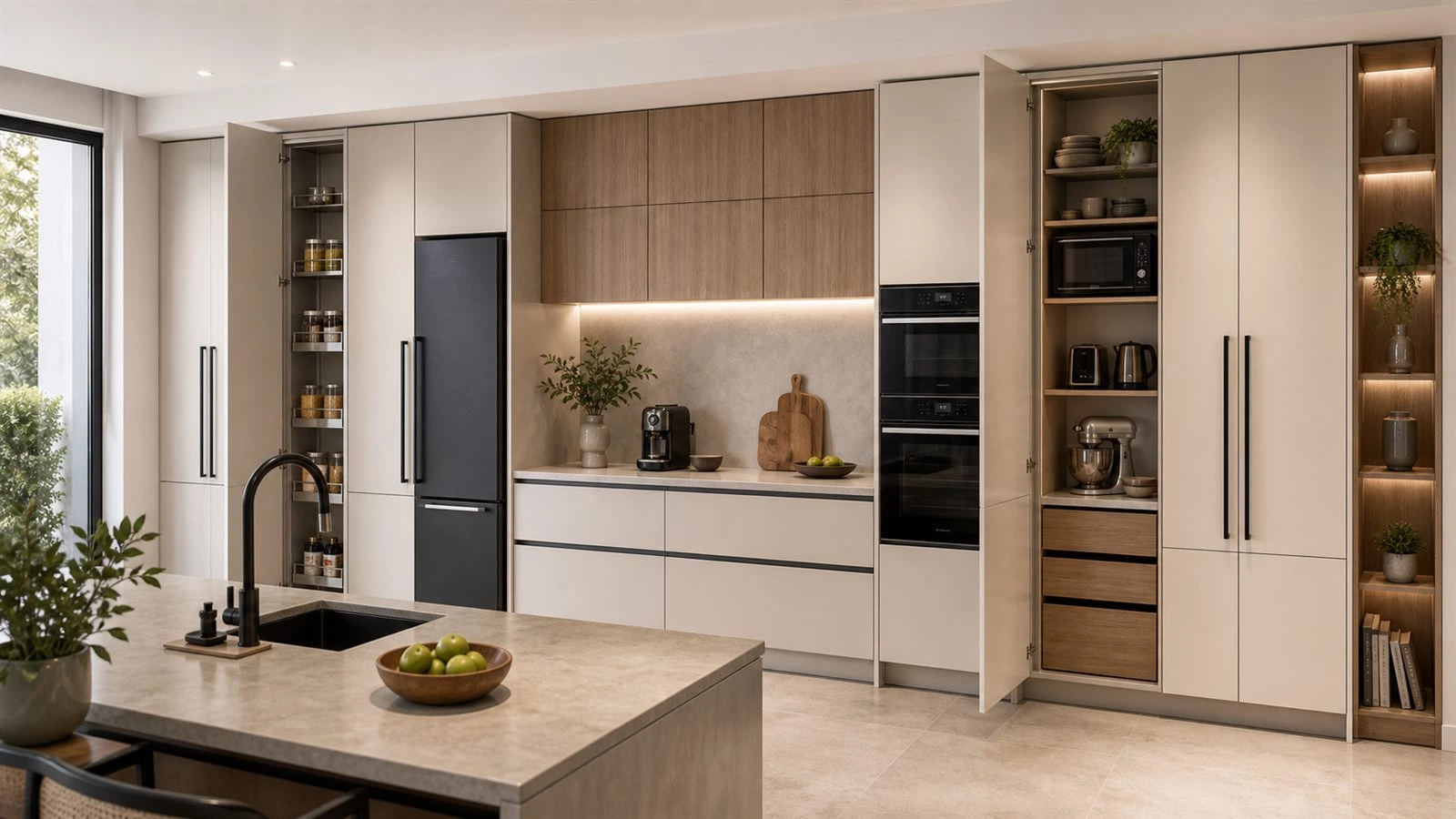
Tall kitchen cabinets are used for pantry storage, appliance towers, refrigerator panels, broom storage, and full-height organization.
- 84-inch tall cabinets: Suitable for many standard ceiling kitchens.
- 90-inch tall cabinets: A good option for slightly higher ceilings and more storage.
- 96-inch tall cabinets: Ideal for high-ceiling kitchens or luxury full-height cabinet walls.
Tall cabinets are often 24 inches deep when used for pantry storage or appliances. Shallow tall cabinets, such as 12 inches deep, can be used for compact pantry storage or narrow rooms.
Kitchen Island Cabinet Sizes
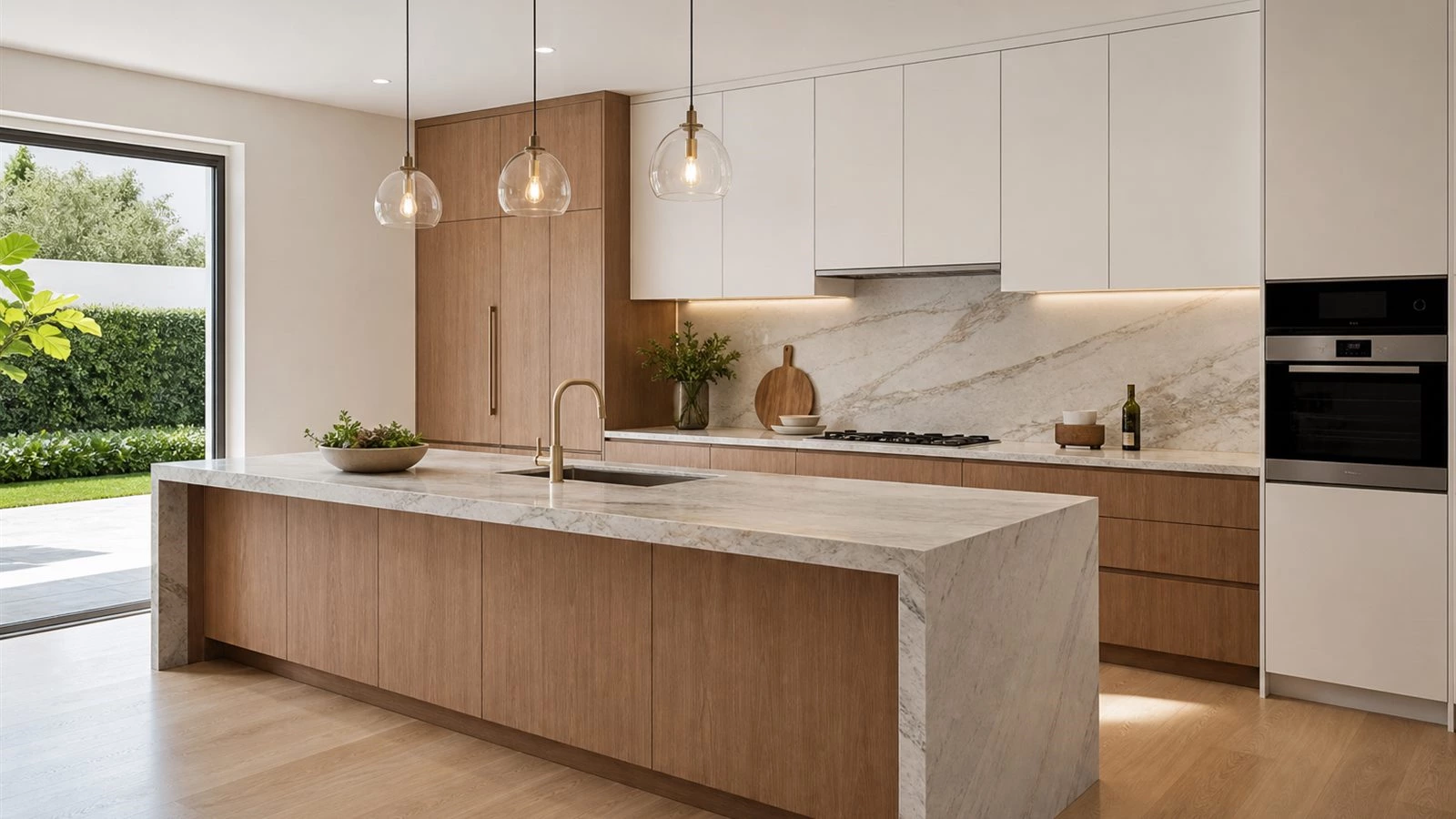
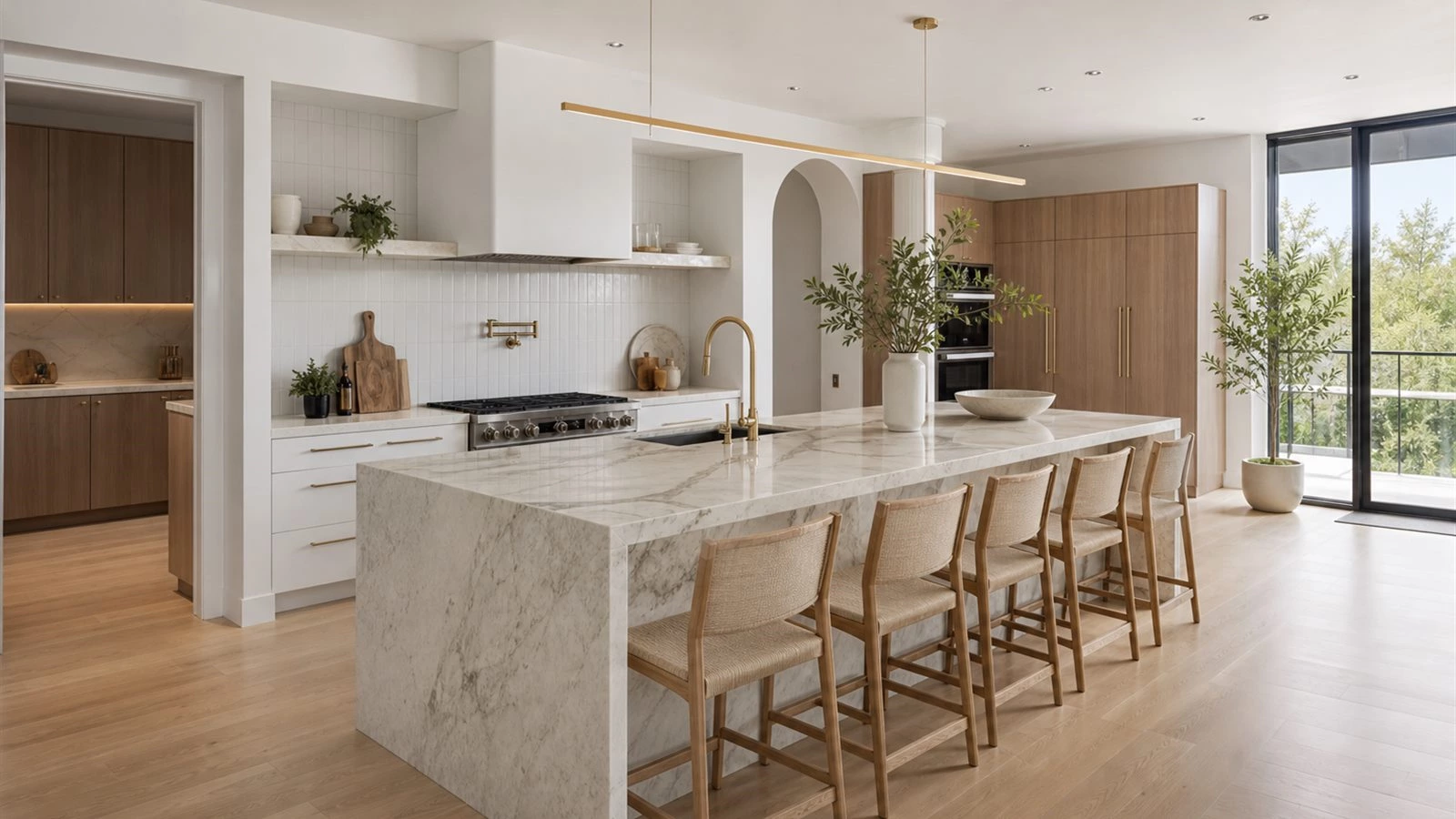
Kitchen island cabinets are often customized because every kitchen has different traffic flow, seating needs, appliance locations, and storage goals.
- Island height: Most kitchen islands are about 36 inches high with a countertop.
- Island depth: A simple island can be about 24 inches deep, while seating islands are often 36-48 inches deep.
- Island clearance: Most kitchens need 36-48 inches around the island for walking, drawer access, and appliance use.
Custom Kitchen Cabinet Sizes
Standard sizes are useful, but they do not solve every kitchen layout. Custom kitchen cabinet sizes are designed according to the actual wall dimensions, ceiling height, appliance sizes, plumbing points, storage habits, and interior style.
When Do You Need Custom Cabinet Sizes?
- Small kitchens: Custom narrow pull-outs, tall storage, and corner solutions help maximize limited space.
- High ceilings: Full-height cabinets use vertical space and create a more premium built-in look.
- Luxury villas: Custom sizing supports large islands, appliance towers, display cabinets, and whole-house design consistency.
- Irregular walls: Custom fillers, panels, and cabinet widths help solve uneven walls, columns, and special corners.
- Built-in appliances: Ovens, refrigerators, wine coolers, dishwashers, and microwaves often require precise cabinet openings.
Benefits of Custom Kitchen Cabinets
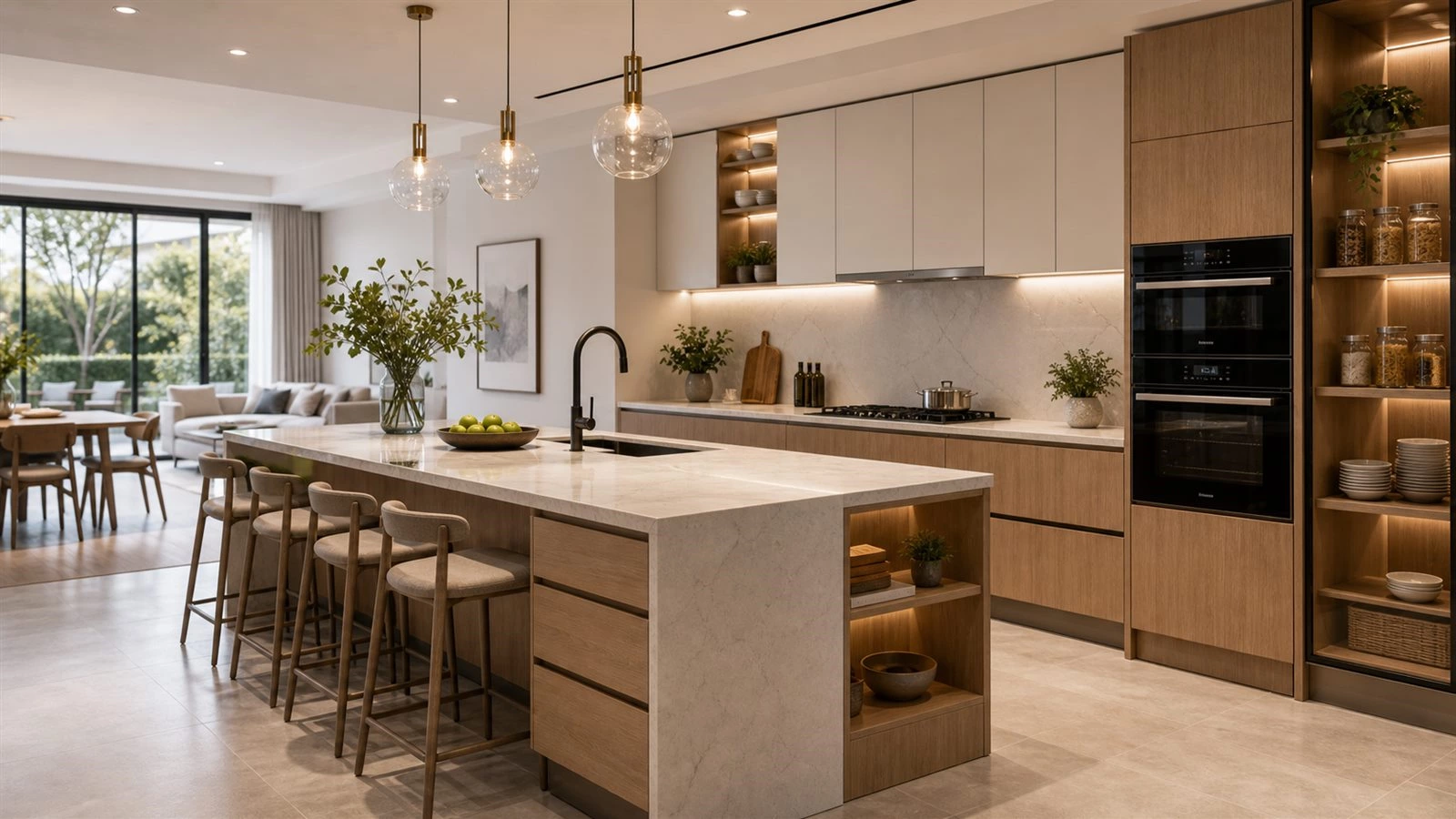
- Wall-to-wall fit: Custom cabinet sizing eliminates unnecessary gaps and improves the final installation effect.
- Flexible storage: Drawer height, shelf spacing, pull-outs, and internal modules can be designed around cookware and food storage.
- Better design consistency: Cabinet dimensions, door panels, countertops, and hardware can match the whole home style.
- Improved daily comfort: Cabinet height, island size, and appliance positions can be adjusted for better workflow.
- Premium project value: Custom cabinets make kitchens look more built-in, organized, and high-end.
Kitchen Cabinet Size Planning by Layout
L-Shaped Kitchen
L-shaped kitchens use two connected cabinet walls. Use base cabinets along both walls, add corner storage solutions, and keep upper cabinets balanced so the kitchen feels open.
U-Shaped Kitchen
U-shaped kitchens provide excellent storage and countertop space, but they need careful corner cabinet planning and enough aisle clearance between cabinet runs.
Galley Kitchen
Galley kitchens have two parallel cabinet runs. Cabinet depth and aisle width are critical. Full-height storage can maximize vertical space, but overly deep wall cabinets may make the kitchen feel narrow.
Open-Plan Kitchen
Open-plan kitchens connect with living or dining areas, so cabinet size affects both function and visual balance. The island often becomes the main working and social center.
How to Measure for Kitchen Cabinets
- Measure wall length: Record each wall from corner to corner.
- Check ceiling height: Measure several points because floors and ceilings may not be perfectly level.
- Mark doors and windows: Include width, height, and distance from nearby walls.
- Record appliance sizes: Measure refrigerators, ovens, dishwashers, sinks, cooktops, and range hoods.
- Confirm plumbing and electrical points: Sink, gas, outlets, and lighting positions affect cabinet design.
- Check opening clearance: Make sure drawers, cabinet doors, dishwashers, and ovens can open comfortably.
Common Kitchen Cabinet Size Mistakes
- Ignoring appliance dimensions: Appliances must be confirmed before cabinet production.
- Making the island too large: Oversized islands can block walking space and appliance access.
- Forgetting filler panels: Walls are rarely perfect, so fillers are often needed for clean installation.
- Using too many deep wall cabinets: Deep upper cabinets can make small kitchens feel heavy.
- Not planning internal storage: Cabinet size should match the items inside, not only the wall space.
- Ignoring ceiling height: Tall cabinets must be planned with crown molding, ceiling gaps, or top panels.
Standard vs Custom Kitchen Cabinet Sizes
| Option | Best For | Advantages | Limitations |
|---|---|---|---|
| Standard Cabinets | Budget-friendly kitchens | Faster production, common sizes, lower cost | Less flexible and may leave unused gaps |
| Semi-Custom Cabinets | Most home renovations | More finish and size choices | Still limited by preset structures |
| Custom Cabinets | Villas, apartments, projects, unusual layouts | Perfect fit, flexible storage, premium design | Needs more planning and design confirmation |
Materials and Hardware for Custom Cabinet Sizes
- Plywood cabinets: Strong structure supports long-term use in busy family kitchens.
- MDF cabinets: Smooth surface works well for painted, matte, or lacquer finishes.
- Solid wood panels: Natural texture adds warmth for luxury and classic kitchen styles.
- E0/E1 panels: Better material choices support safer indoor living.
- Soft-close hinges: Reduce noise and improve daily comfort.
- Drawer systems: Make deep storage easier to access.
- LED lighting: Improves visibility inside shelves, drawers, glass cabinets, and display areas.
Learn more about ALLURE custom kitchen cabinets, countertops, cabinet hardware, and eco-friendly cabinet materials.
Helpful External References
For additional kitchen planning references, you can also review general cabinet size guidance from The Home Depot, cabinet dimension explanations from This Old House, and kitchen planning clearance guidance from NKBA kitchen planning guidelines.
Why Choose ALLURE for Custom Kitchen Cabinet Sizes?
ALLURE Cabinetry helps homeowners, builders, designers, and project buyers create custom kitchen cabinets based on real room measurements, appliance sizes, storage needs, material preferences, and project budgets.
- Custom layout planning: Cabinet sizes are designed around your floor plan, not forced into fixed dimensions.
- Flexible material options: Choose plywood, MDF, wood grain, PET, lacquer, melamine, glass, stone surfaces, and more.
- Smart storage design: Pull-outs, drawers, pantry systems, corner storage, and appliance towers improve daily use.
- Project support: ALLURE provides drawings, material suggestions, production, packing, shipping, and installation guidance.
- Whole-house consistency: Kitchen cabinets can be matched with wardrobes, vanities, TV cabinets, and full-house customization.
Explore more: whole-house customization, custom wardrobes, and project cases.
FAQ About Kitchen Cabinet Sizes
What is the standard size of kitchen base cabinets?
Standard base cabinets are usually 34.5 inches high without a countertop, 24 inches deep, and available in widths from 9 to 48 inches. With a countertop, the finished height is usually about 36 inches.
What is the standard depth of wall cabinets?
Most wall cabinets are 12 inches deep. Deeper wall cabinets, such as 15, 18, or 24 inches, can be used above refrigerators, ovens, or special storage areas.
Are custom kitchen cabinet sizes worth it?
Yes. Custom sizes are worth it when your kitchen has high ceilings, small space, unusual walls, built-in appliances, or special storage needs. They help maximize space and improve the final design.
How much space should be left around a kitchen island?
Most kitchens need 36-48 inches of clearance around the island. This helps people move comfortably and allows drawers, ovens, dishwashers, and refrigerators to open properly.
Can kitchen cabinets be customized for small kitchens?
Yes. Small kitchens can use narrow pull-outs, full-height cabinets, compact drawers, corner solutions, and custom appliance planning to improve storage without making the room feel crowded.
Conclusion
Understanding kitchen cabinet sizes helps you plan a kitchen that stores more, works better, and looks more professional after installation. Standard cabinet dimensions are useful for basic planning, but custom kitchen cabinet sizes provide better results when the space, ceiling height, appliances, or storage needs are more specific.
Whether you are planning a small apartment kitchen, a family home, a luxury villa, or a project development, the best cabinet size is the one that fits your space, your lifestyle, and your long-term use.
Start Your Custom Kitchen Cabinet Project
Send your kitchen layout, room measurements, appliance list, and preferred style. ALLURE will help you design custom kitchen cabinets with smart storage, durable materials, and turnkey project support.