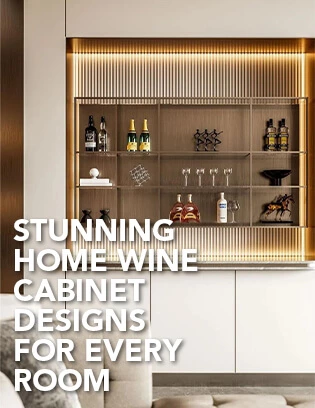
Wall cabinets, which often play an important role in storage in small spaces, are versatile and practical. They have good load-bearing capacity, allowing for vertical storage without taking up floor space. Moreover, they are easy to clean and maintain, making them both functional and aesthetically pleasing. Read on to explore different designs for wall cabinets in various spaces, and you'll discover just how innovative they can be!
Wall cabinet designs are a practical way to use vertical space while keeping the floor open and easy to clean. From an entryway drop zone to a kitchen storage wall or a compact bathroom mirror cabinet, a well-planned wall cabinet can make a room feel calmer, more organized, and more personal. The key is to match the cabinet depth, door style, hardware, and material to the activities that happen in each room.
How to Plan Wall Cabinet Designs for Different Rooms
Before choosing a style, consider what will be stored, who will use the cabinet, and how often the items need to be reached. Frequently used objects should be placed at a comfortable height, while higher sections can store seasonal or less-used items. Open shelving can make a room feel lighter, but closed cabinet doors are better for visual calm and dust control.
Custom wall cabinet designs also make it easier to work around doors, windows, columns, and awkward corners. A consistent finish can help cabinets blend into the wall, while contrasting wood, glass, or metal details can turn them into a focal point. For more whole-home storage inspiration, explore our custom cabinet solutions and modern minimalist cabinet ideas.
Entry Wall Cabinet Design
In the home entry, you can opt for integrated wall cabinet designs, creating a suspended area that combines both open and closed storage, offering flexibility based on your needs and available space. Wall cabinets with hooks for coats and hats are excellent storage solutions, keeping jackets, keys, and bags organized and giving your home entry a clean and orderly look.

An entry wall cabinet works best when it creates a simple arrival routine. Leave an open niche for daily bags or mail, add hooks for coats, and reserve closed cabinets for shoes, cleaning supplies, or seasonal accessories. A suspended bench below the cabinet can make the entry feel lighter and provide a convenient place to sit while putting on shoes.
Living Room Wall Cabinet
Living room wall cabinets are commonly used on TV walls, enhancing the overall aesthetic appeal of the room. These cabinets come in various shapes and can hold a variety of decorative items. While they serve a storage purpose, they also function as exquisite decorations, adding depth and character to the living space.

For a balanced TV wall, combine concealed storage with a limited number of display niches. Closed sections can hide media devices, cables, and everyday clutter, while open shelves can display books, art, or decorative objects. Integrated LED lighting adds depth at night and can help the wall cabinet feel more like part of the interior architecture than a separate piece of furniture.
Dining Room Wall Cabinet
In the dining room, wall cabinets or open shelving units can extend space visually and elevate the overall sense of organization. The space between wall cabinets and countertops offers a combination of storage and decoration, making it convenient to access items during meals.

In a dining space, wall storage can function as a sideboard without using valuable floor area. Store tableware, serving pieces, and linens behind cabinet doors, then use an open shelf for glassware or a small coffee station. Glass-front doors are a good option when you want the cabinet to feel lighter while still protecting items from dust.
Bedroom Wall Cabinet
Practicality is key in bedroom wall cabinet design. Integrated wardrobes, wall cabinets, and dressing tables offer a seamless solution, with wall cabinets serving as display cases for cherished items. For book enthusiasts, wall cabinets can double as small bookshelves, adding functionality without compromising bedroom space.

Bedroom wall cabinet designs should support a restful atmosphere. Match the cabinet finish to the wardrobe or wall panels so that storage feels integrated rather than bulky. A shallow wall cabinet above a desk or dressing table can hold books and personal items, while deeper sections should be reserved for clothing or larger storage needs. Explore more ideas in our custom bedroom cabinets and wardrobe storage collection.
Kitchen Wall Cabinet
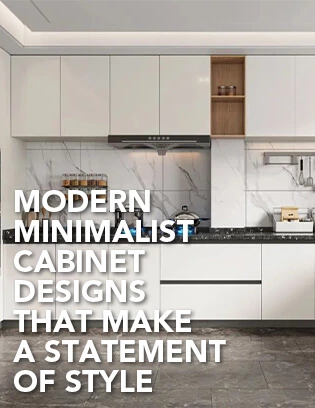
In space-constrained urban environments, kitchen wall cabinets are commonly included in cabinet designs. They effectively expand storage capacity and maintain an organized layout in compact kitchens.

Kitchen wall cabinets should be planned around the cooking routine. Place dishes and glasses near the dishwasher or dining area, keep spices near the cooktop, and use lift-up doors or pull-down organizers for high cabinets where appropriate. A mixture of standard cabinets, glass doors, and open niches creates a useful rhythm without making the kitchen appear crowded. Browse our custom kitchen cabinets for more layout and storage options.
The NKBA Kitchen and Bath Planning Guidelines are also a useful professional reference when considering storage access, cabinet support, clearances, and overall kitchen functionality.
Balcony Wall Cabinet
Installing wall cabinets on the balcony is a space-saving strategy, increasing storage space while optimizing the area. The depth of these wall cabinets should strike a balance, neither too deep nor too shallow, to maximize utility.

Balcony storage should be selected according to the enclosure and humidity conditions of the space. In an enclosed balcony, wall cabinets can store laundry products, household tools, and seasonal goods. Keep the cabinet depth modest so it does not reduce circulation or block daylight. If the balcony is exposed to heat or humidity, select moisture-resistant panels and hardware designed for that environment.
Bathroom Wall Cabinets
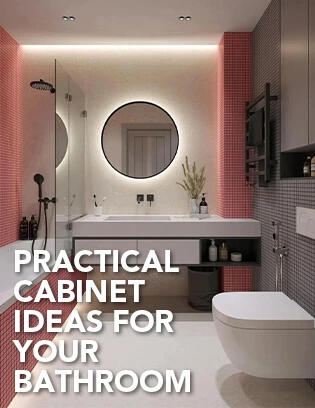
Choosing mirror cabinets or installing wall cabinets above the toilet are excellent choices for bathrooms. These cabinets enhance storage capacity and elevate the overall aesthetics of your home. They also offer advantages in terms of moisture resistance and waterproofing.

Bathroom wall cabinets should combine enclosed storage with materials that suit a humid room. A mirrored cabinet over the vanity is ideal for daily toiletries, while a cabinet above the toilet can hold spare towels and paper products. Use moisture-resistant boards, sealed edges, and suitable ventilation to help protect the cabinet over time. The U.S. EPA’s moisture guidance also highlights the importance of controlling moisture and ventilation in bathrooms.
Hallway and Study Wall Cabinet Ideas
Incorporating wall cabinets into hallways and study areas can make small spaces look clean, tidy, and well-organized, with easy access to essentials.

In a hallway, a slim wall cabinet can keep keys, chargers, books, and small household items out of sight. In a study, a mix of closed cabinets and open bookshelves supports both focused work and display. Floor-to-ceiling wall cabinet designs are especially effective in narrow spaces because they use vertical height while keeping the walkway clear.
Materials, Hardware, and Installation Tips
Beautiful wall storage depends on more than the cabinet face. The wall structure must be suitable for the cabinet weight, especially when storing books, tableware, or appliances. Use properly specified brackets, fixing points, and hardware, and confirm that the installation method matches the wall type. Soft-close hinges, lift-up systems, and integrated handles can make daily use quieter and more comfortable.
For a cohesive look, repeat finishes across nearby elements. For example, use the same wood tone on a TV wall cabinet and sideboard, or match a bathroom cabinet handle to the faucet finish. In kitchens and bathrooms, choose easy-clean surfaces and durable edge treatment. In bedrooms and living rooms, veneer, matte lacquer, glass, or textured panels can create a warmer decorative effect.
Frequently Asked Questions
What are the best wall cabinet designs for small rooms?
The best wall cabinet designs for small rooms usually combine shallow closed storage with a few open niches. Suspended cabinets keep the floor visible, making the room feel more open, while full-height units can use vertical space without expanding the footprint.
How deep should wall cabinets be?
The ideal depth depends on the room and what will be stored. Kitchen wall cabinets are generally deeper than hallway or bedroom display cabinets, while balcony and bathroom cabinets should be planned carefully so they do not restrict movement. Always measure doors, windows, and circulation before finalizing the depth.
Are wall cabinets safe for heavy storage?
Wall cabinets can safely store heavier items when the cabinet construction, wall fixing points, brackets, and hardware are specified for the expected load. Heavy cookware, books, and tableware should be placed only in cabinets installed with suitable structural support.
Which wall cabinet materials are best for bathrooms?
For bathrooms, use moisture-resistant cabinet materials, sealed edges, corrosion-resistant hardware, and adequate ventilation. Mirror cabinets and wall-mounted storage units are practical because they add storage without taking up limited floor space.
Final Thoughts
Wall cabinet designs can bring order and style to almost every room in the home. Whether you need a compact entry storage wall, a kitchen upper cabinet system, a bedroom display cabinet, or a moisture-resistant bathroom mirror cabinet, custom planning helps you use the available space more effectively while keeping the overall interior cohesive.