A bathroom vanity is rarely just a countertop with drawers—the core of daily life, where routines unfold efficiently or become frustratingly chaotic. The difference between a high-end vanity and an ordinary one often comes down to understanding how the space is used, how items are stored, and how the design anticipates human behavior.
Well-planned bathroom vanity storage supports the way a household actually gets ready, cleans up, and stores daily essentials. From the internal drawer layout to the lighting, plumbing clearance, and materials, every detail can help a vanity feel calmer, easier to use, and more connected to the bathroom as a whole.
Observe the Flow of Use
The first step in designing a functional vanity is to watch how the space is actually used. In a shared bathroom, mornings can be hectic: one person brushing teeth, another applying skincare, while someone else reaches for a towel. Placement of sinks, faucets, and storage zones can make or break these routines. Double basins with well-spaced countertops prevent collisions, while shallow pull-out drawers beneath mirrors keep everyday items—razors, toothbrushes, and skincare—within easy reach. Even in smaller layouts, an elongated single basin with dual faucets creates a shared zone without crowding, ensuring the routine flows smoothly.
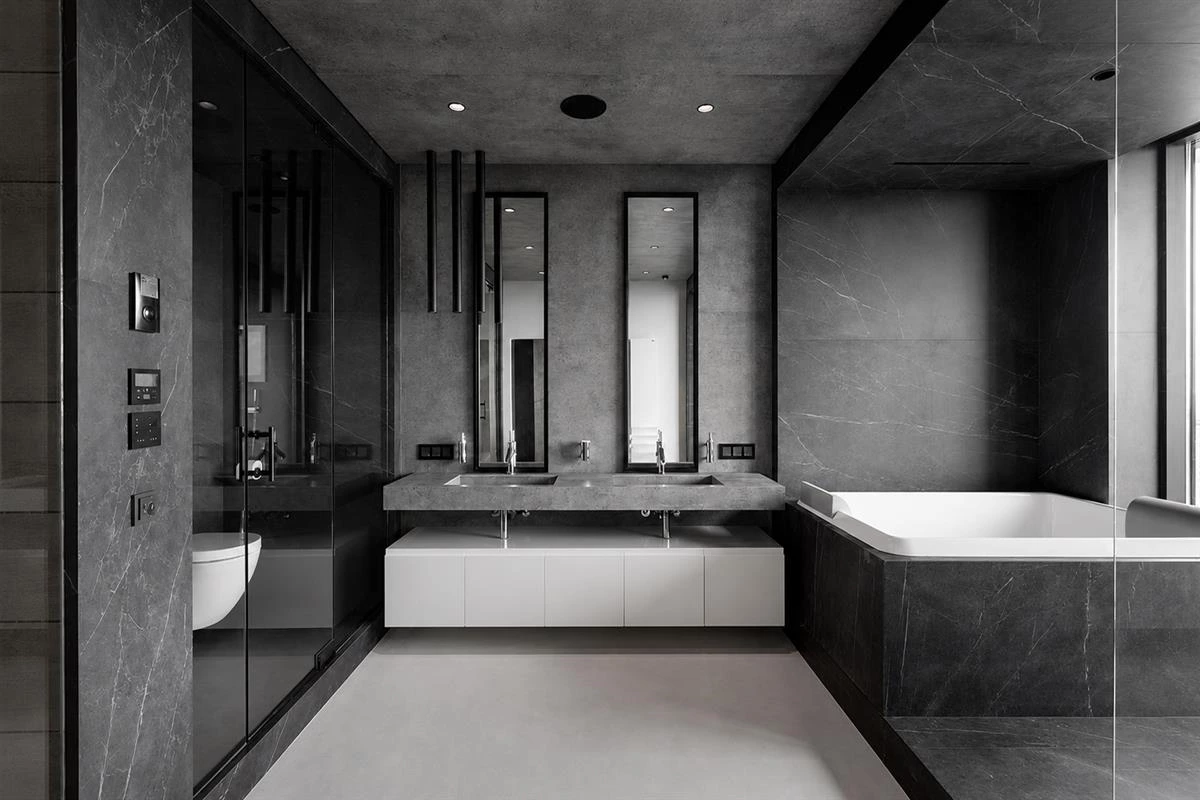
Map the daily routine before finalizing the cabinet layout. Keep frequently used items close to the sink, allow enough counter space around each basin, and avoid door or drawer openings that interrupt the main circulation path.
Design Storage with Intent
High-end vanities excel because every item has a home. Shallow drawers beneath the countertop are ideal for items used multiple times a day, while deeper base cabinets hold spare toiletries, cleaning supplies, and infrequently accessed items. Tall side towers can house towels, robes, or seasonal linens, making use of vertical space often overlooked in smaller bathrooms.
Within drawers, modular inserts and pull-out trays provide dedicated spots for hairdryers, straighteners, and small electronics, eliminating the common problem of lost or tangled tools. Organizing zones in this way creates a visual roadmap—everything belongs somewhere, making maintenance simple and keeping the countertop uncluttered.
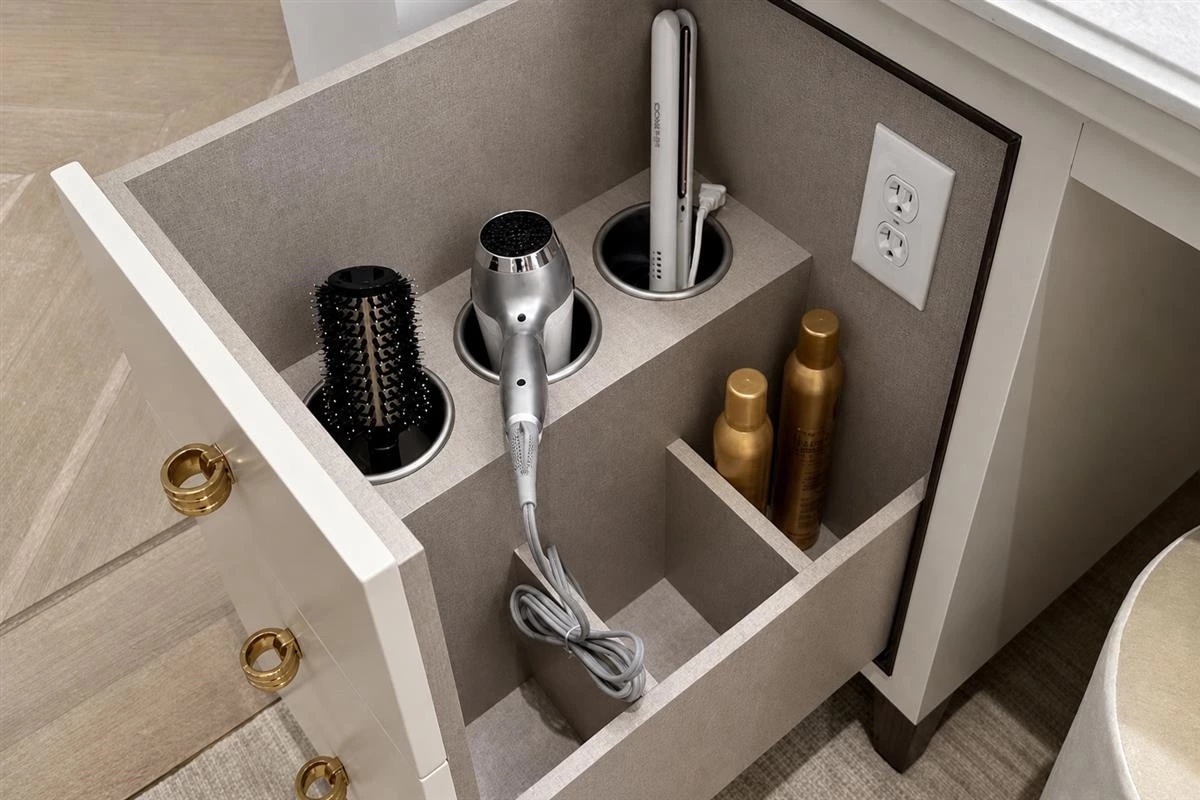
Separate daily items, backup toiletries, cleaning products, and linens into distinct zones. This is one of the most practical bathroom vanity storage ideas because it improves access without requiring a larger bathroom.
Work Around Plumbing Constraints
Plumbing often dictates storage more than homeowners realize. Under-sink traps, water lines, and waste pipes create obstacles that ordinary cabinetry ignores. High-end vanities reclaim these spaces through U-shaped drawers, stepped shelving, and recessed compartments. Removable inserts allow cleaning behind pipes without dismantling the entire drawer system. Adjustable shelves can adapt to changing storage needs, making even awkward spaces fully usable. These subtle solutions transform underutilized corners into effective storage.
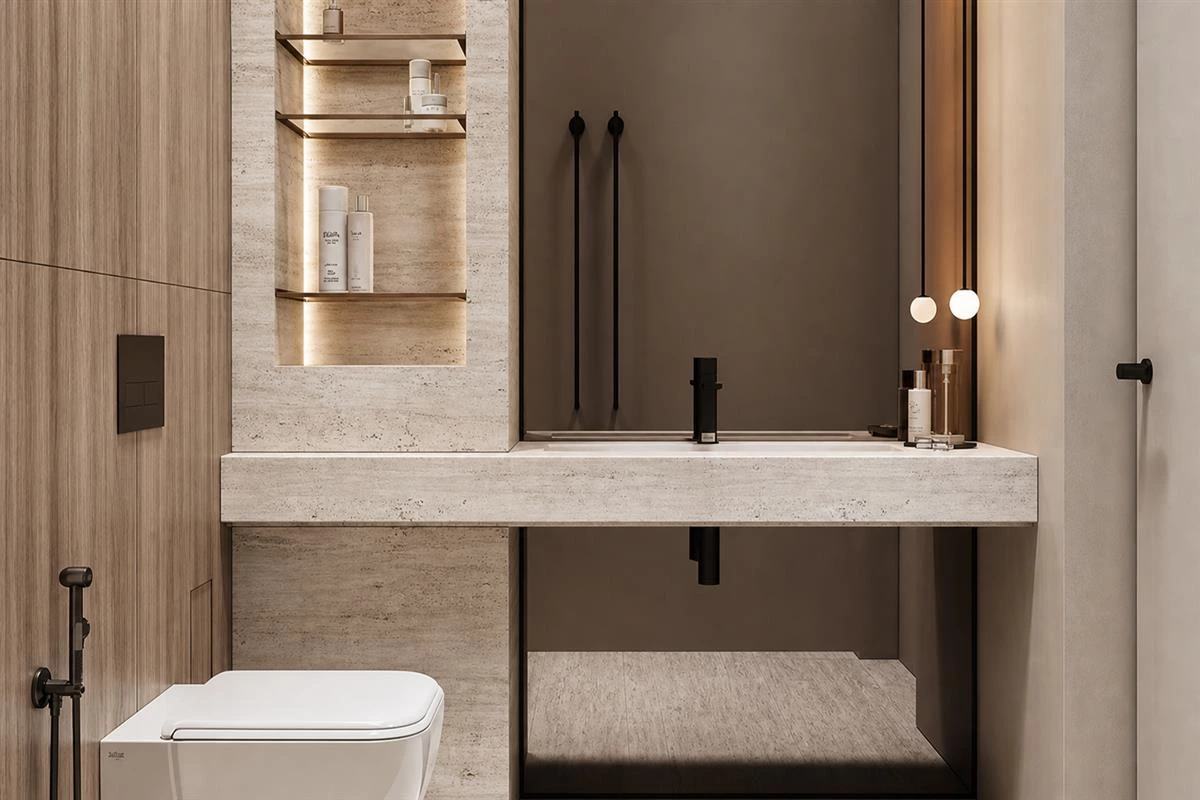
Confirm pipe locations and access requirements before cabinet production. A planned cutout, U-shaped drawer, or removable tray is much more useful than leaving the entire under-sink area unused.
Layered, Task-Oriented Lighting
Lighting in a premium vanity is rarely purely decorative—it anticipates activity. Integrated LEDs beneath drawers, along shelves, or behind mirrors illuminate grooming areas, function as night lights, and showcase decorative items. Motion sensors activate under-cabinet lighting when someone approaches, while backlit mirrors with adjustable warmth ensure precise application of skincare or makeup. Layering light in this way not only enhances usability but also contributes to a calming and refined ambiance.
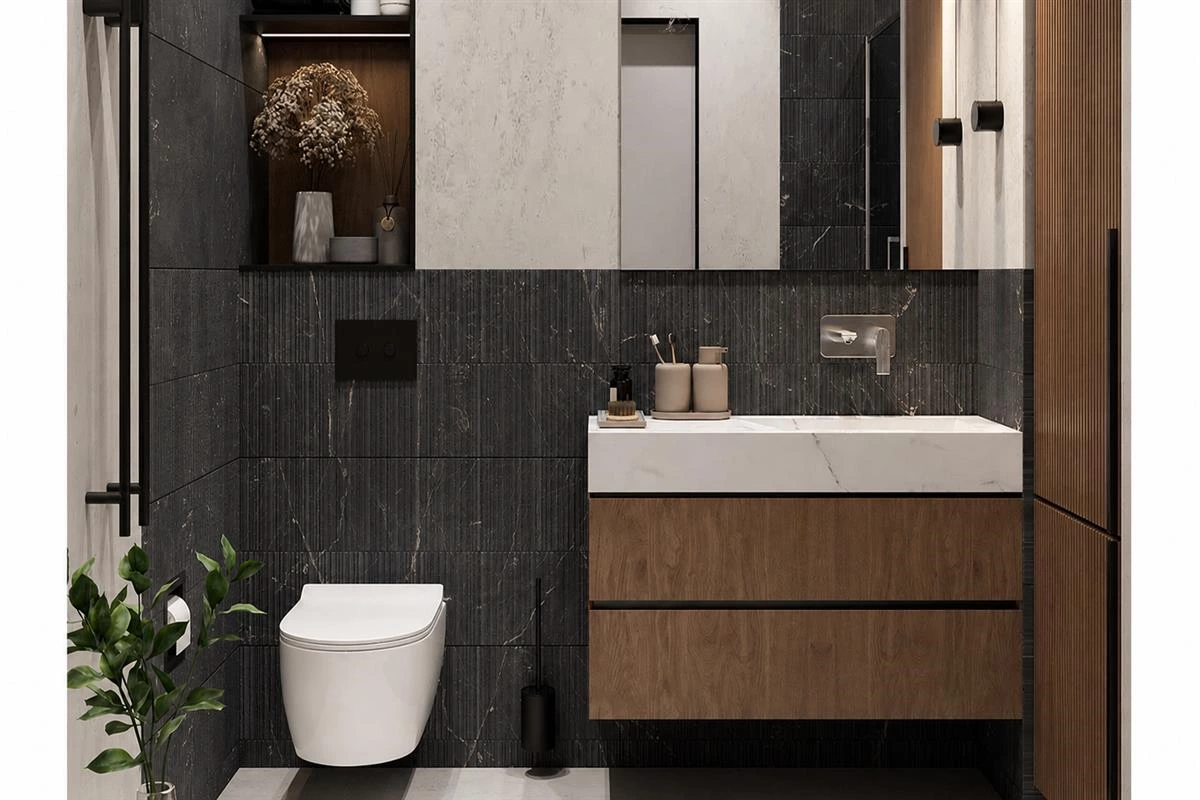
Use one layer for general room light, one for mirror and grooming tasks, and one lower-level layer for nighttime movement. This makes the vanity more comfortable to use at different times of day.
Ventilation and Linen Care
Towels, robes, and linens need airflow to remain fresh. Ventilated cubbies, open niches, or louvered doors allow circulation while maintaining a clean aesthetic. Some high-end designs include gentle warming drawers, ensuring towels are cozy and ready after a shower. This kind of thoughtful detailing is functional luxury: it’s subtle, but directly improves the daily experience.
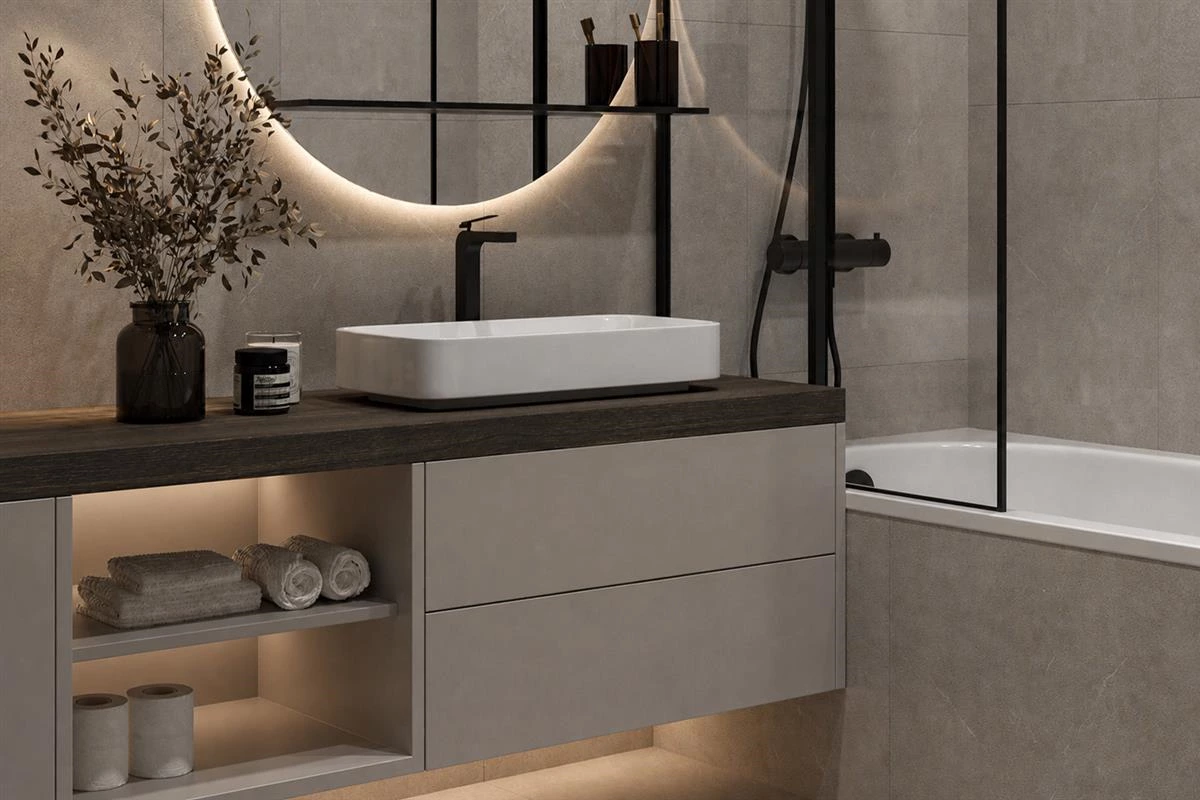
Reserve ventilated or open sections for items that benefit from airflow, and use enclosed drawers for products that need a tidier, more protected home. Appropriate ventilation is an important consideration in any moisture-prone room.
Material Choices That Endure
Materials must balance luxury and resilience. Sintered stone or solid-surface countertops with integrated sinks prevent water from seeping into seams, while lacquered or fluted glass fronts provide tactile sophistication. Even drawer interiors benefit from moisture-resistant fabrics or leather, protecting items and elevating the tactile experience. Hardware—soft-close hinges, carefully designed pulls, and flush-mounted handles—enhances both functionality and the sense of refinement.
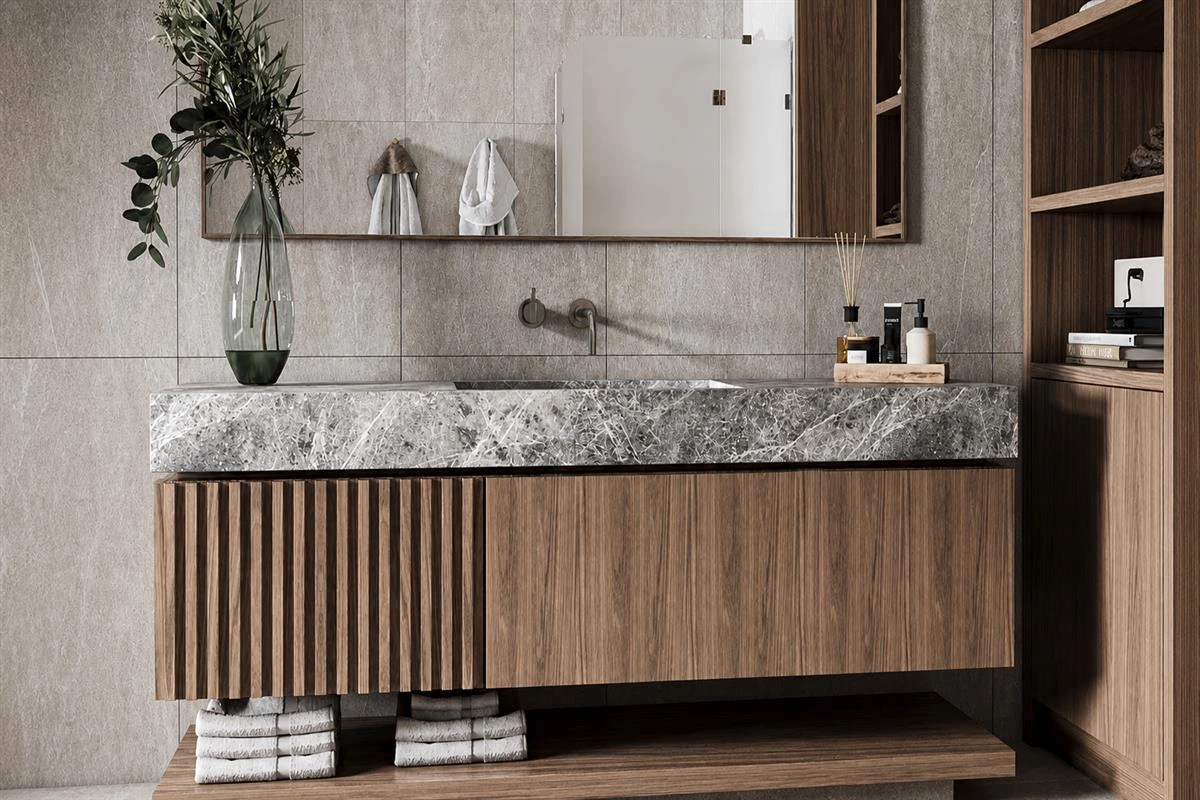
Choose finishes according to the actual splash zones, cleaning routine, and ventilation conditions of the bathroom. Samples should be reviewed beside the selected tile, flooring, mirror frame, and lighting before the final choice is made.
Accessibility and Movement
High-end vanities anticipate human movement. Drawers and doors open without obstructing pathways, tall towers are reachable without strain, and mirrored storage along double vanities allows simultaneous use without interference. Rounded edges and unobstructed clearance enhance safety, while careful layout ensures that multiple users can complete routines efficiently and comfortably.
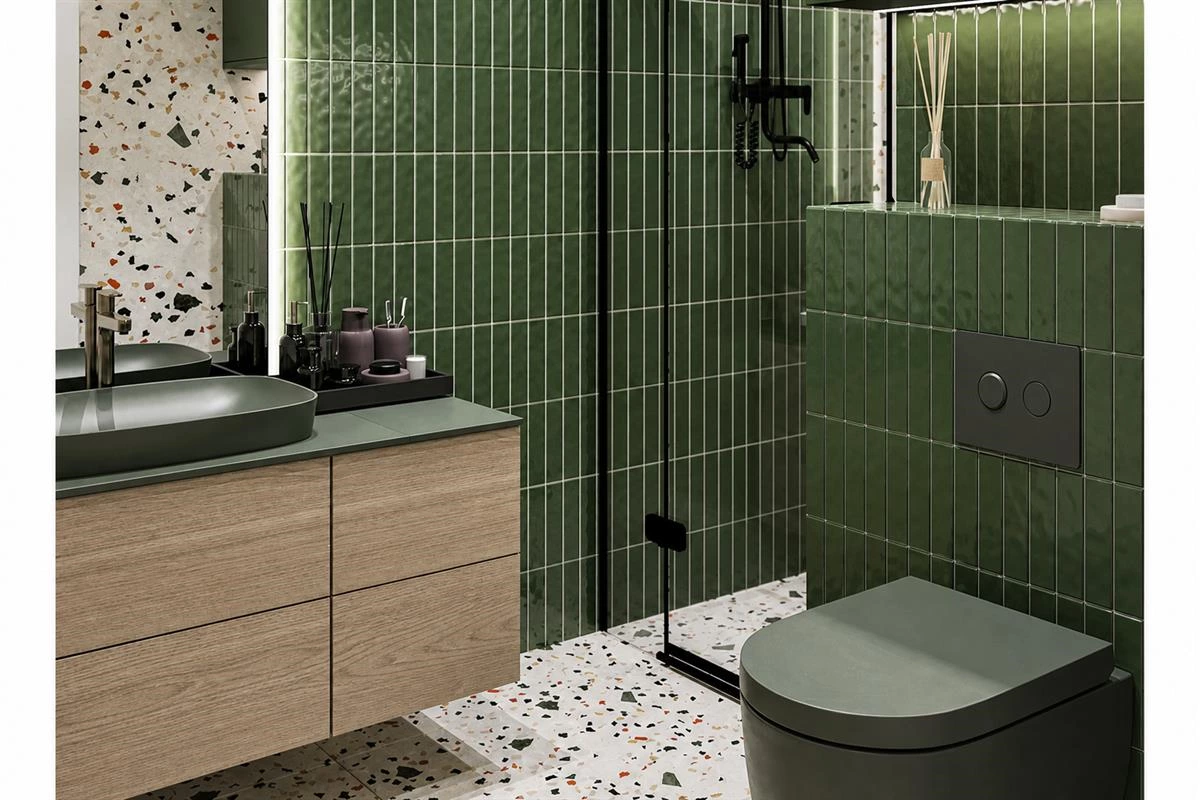
Consider who will use the room, how many people use it at the same time, and whether drawers, cabinet doors, and mirrors can operate without creating conflicts in the aisle.
Integrated Smart Features
Modern luxury vanities often include subtle technology. Hidden electrical outlets and USB ports provide convenient charging, while motion-sensor faucets, under-cabinet lighting, and mirror defogging improve efficiency. Temperature-controlled towel drawers or mini-fridges for skincare products demonstrate that high-end cabinetry can integrate seamlessly into daily routines without adding clutter.
Plan electrical points and service access early so charging outlets, lighting controls, and other features can be integrated cleanly into the cabinet design instead of becoming visible afterthoughts.
Visual and Spatial Cohesion
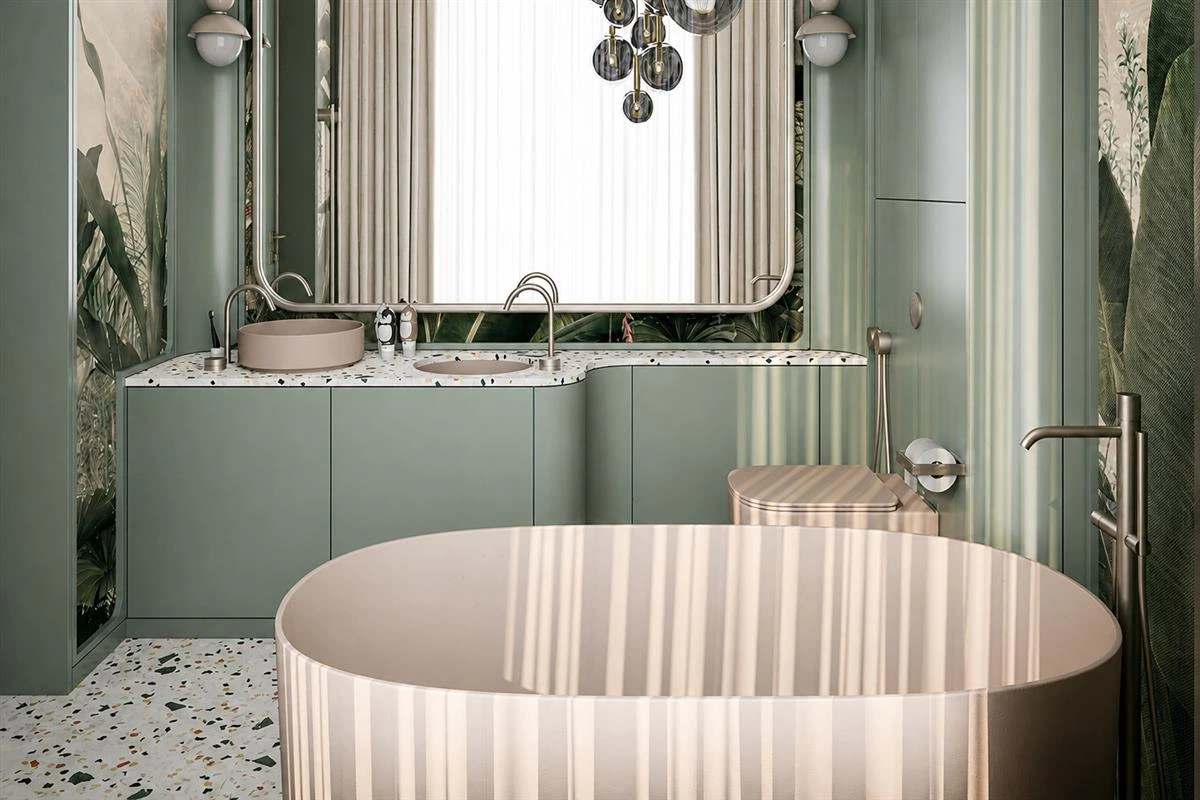
High-end vanities are designed to integrate harmoniously into the bathroom. Color, texture, and proportion align with tiles, flooring, and wall finishes. Recessed niches or display shelves allow decorative objects without interfering with daily use. Proportions and line work—vertical, horizontal, or mixed—expand perception of space and contribute to a feeling of calm.
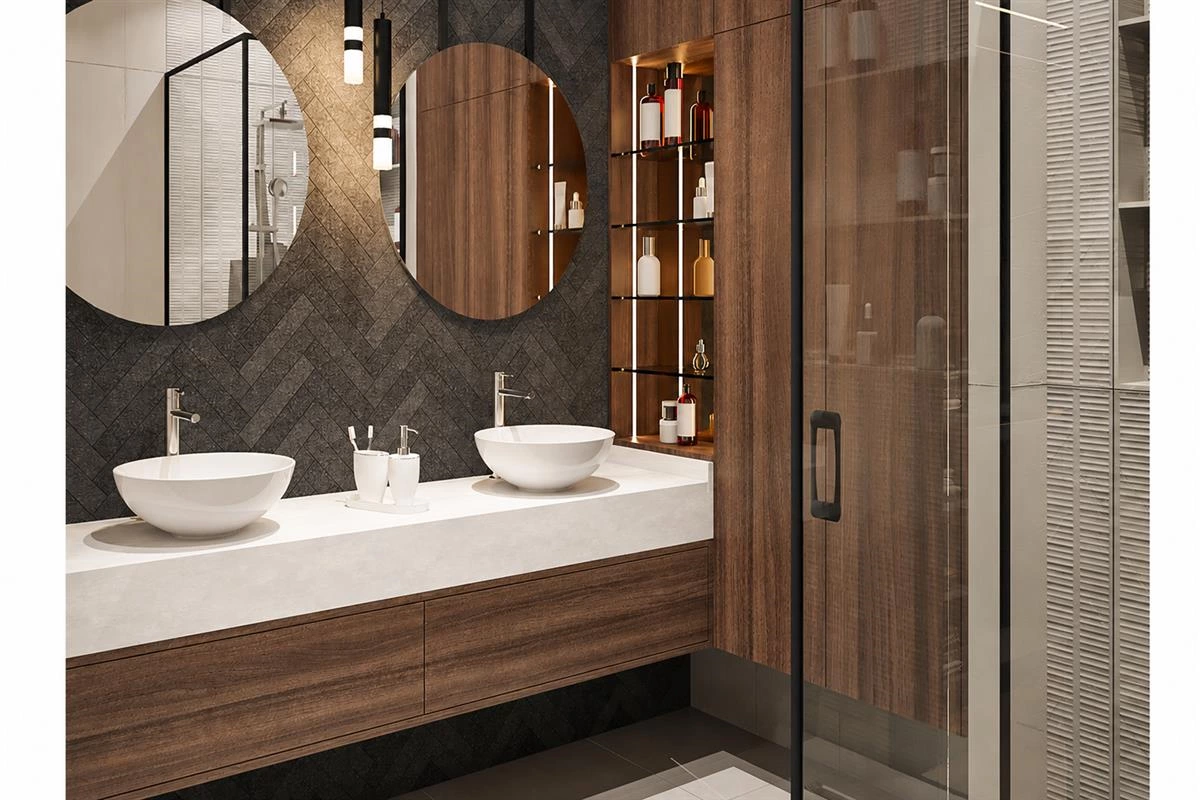
Repeat selected materials or colors across the vanity, wall finish, and storage tower to make the bathroom feel composed. A controlled palette often makes even a compact room feel more restful.
Flexibility and Personalization
Finally, a high-end vanity is adaptable. Drawer depth, shelf height, and hardware placement can be customized to suit family habits. Modular inserts allow for reconfiguration as needs evolve, ensuring that the vanity grows with its users. Personalization ensures that the space works efficiently for all household members, regardless of size, age, or routine.
A high-end bathroom vanity is a synthesis of flow, storage intelligence, materials, lighting, and adaptability. Thoughtful zoning, plumbing-smart drawers, layered illumination, ventilated storage, and durable materials create a space that is both functional and quietly luxurious. By anticipating daily routines and optimizing every inch, designers transform vanities from simple storage units into integral parts of life—elevating everyday habits into seamless, organized, and enjoyable experiences.
Bathroom Vanity Storage Planning Checklist
- Zone by use: Keep daily grooming items, backup products, linens, cleaning supplies, and electronics in separate storage zones.
- Plan around plumbing: Confirm the position of traps, pipes, and shut-off valves before finalizing drawers and shelves.
- Use internal organizers: Drawer dividers, trays, and pull-outs prevent small items from becoming difficult to find.
- Layer the lighting: Combine mirror lighting, internal cabinet lighting, and low-level night lighting where appropriate.
- Protect circulation: Ensure cabinet doors and drawers can open comfortably without blocking the main pathway.
For more custom storage inspiration, explore our bathroom cabinet solutions and these home storage ideas. The NKBA planning guidelines can also be a useful general reference when reviewing bathroom circulation and storage access.
Frequently Asked Questions
What should be stored in bathroom vanity drawers?
Shallow drawers are useful for daily grooming items such as skincare, toothbrushes, razors, cosmetics, hair accessories, and small electrical tools. Drawer dividers help keep these items visible and organized.
How do you add storage around bathroom plumbing?
Use U-shaped drawers, stepped shelves, recessed compartments, or removable trays designed around the pipe locations. This allows the under-sink cabinet to remain useful while retaining access for maintenance.
Are drawers better than cabinets for bathroom vanity storage?
Drawers often make smaller items easier to see and reach, while deeper cabinets can be useful for larger supplies, towels, and cleaning products. A combination usually provides the most flexible storage system.
What lighting is best around a bathroom vanity?
A layered approach works well: clear lighting at the mirror for grooming, internal cabinet lighting for storage visibility, and lower-level ambient lighting for comfortable nighttime use.
How can a small bathroom vanity feel more organized?
Use vertical storage, drawer dividers, plumbing-smart under-sink storage, mirrored cabinets, and a clear separation between daily and backup products. Keeping the countertop free of unnecessary items also makes a compact vanity feel more spacious.
What materials are suitable for bathroom vanities?
Choose materials based on moisture exposure, cleaning requirements, visual preference, and the wider bathroom palette. Countertops, cabinet fronts, hardware, and internal materials should all be selected with the room’s daily use in mind.