Key Takeaways
- Wall panel materials should be selected based on room conditions, substrate, visible finish, edge treatment, and installation details—not appearance alone.
- A decorative surface is only one layer of a wall panel system; the core, backing, joints, and wall-fixing method affect the final result.
- Before ordering, approve physical samples, panel-joint drawings, service locations,s and a room-specific material schedule.
Wall panel materials can make an interior feel coordinated, durable, and deliberately designed. However, a wall finish that looks excellent on a small sample can become a problem if the substrate, wall condition, panel joints, moisture exposure,e or installation method are not considered. A wood-look panel may not suit every wet area. A high-gloss finish may reveal wall unevenness. A fluted feature wall may look refined in a rendering but become difficult to clean if its scale and lighting are not planned.
This guide is for homeowners, designers, builders, and project buyers selecting wall panel materials for interior projects. It explains how to compare surfaces, understand panel construction, match materials to room conditions,s and review the details that affect long-term appearance. The recommendations are intended for planning and procurement; final specifications must be verified against the approved drawings, local requirements, supplier documents and finished site conditions.
Start With Room Conditions Before Selecting Wall Panel Materials
Dry Living Areas, Bedrooms,s and Hallways
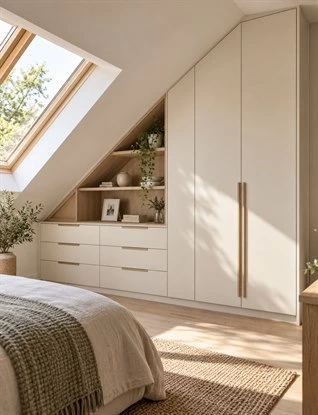
Living rooms, bedrooms, and dry hallways usually allow more freedom in material selection, but the finish still needs to suit daily use. Consider visual scale, lighting direction, expected cleaning, furniture contact, act, and how the wall panels connect with interior doors, wardrobes,s or TV cabinets. In these rooms, the main risk is often not moisture; it is poor alignment, inconsistent grain direction, excessive glare, or panel joints that were never planned as part of the design.
Entryways and High-Traffic Areas
Entryways, corridors,rs and circulation zones face bags, shoes, furniture movement, fingerprints, and frequent cleaning. A delicate surface can still work, but it should be selected with realistic maintenance expectations. Check edge protection, scratch visibility, cleaning method, and whether panel corners sit where they can receive direct impact. A practical finish with controlled texture often performs better than a visually dramatic surface that requires constant care.
Bathrooms, Laundry Rooms, and Humid Areas
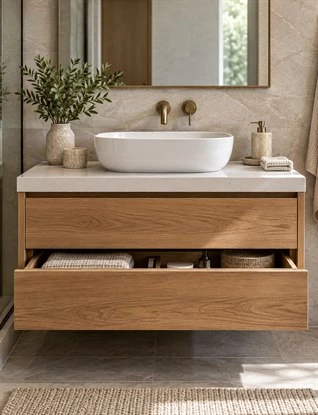
Not every decorative wall panel is appropriate for a wet or humid location. A panel behind a bathroom vanity has different conditions from a panel inside a shower enclosure or beside a poorly ventilated laundry appliance. Define the moisture exposure first, then review the substrate, edge sealing, wall backing, ventilation,n and waterproofing boundary. Do not use a decorative finish as a substitute for a project-specific waterproofing system.
Sunlight, Heat, and Air-Conditioned Spaces
Strong sunlight, high surface temperature, and major changes between air-conditioned and unconditioned conditions can affect how a finish appears and performs over time. Review samples under daylight and nighttime lighting, especially for wood veneer, lacquer, dark colors,s and textured surfaces. Ask where the panel will be installed, whether it receives direct sun,un and how the room is ventilated before approving a final material.
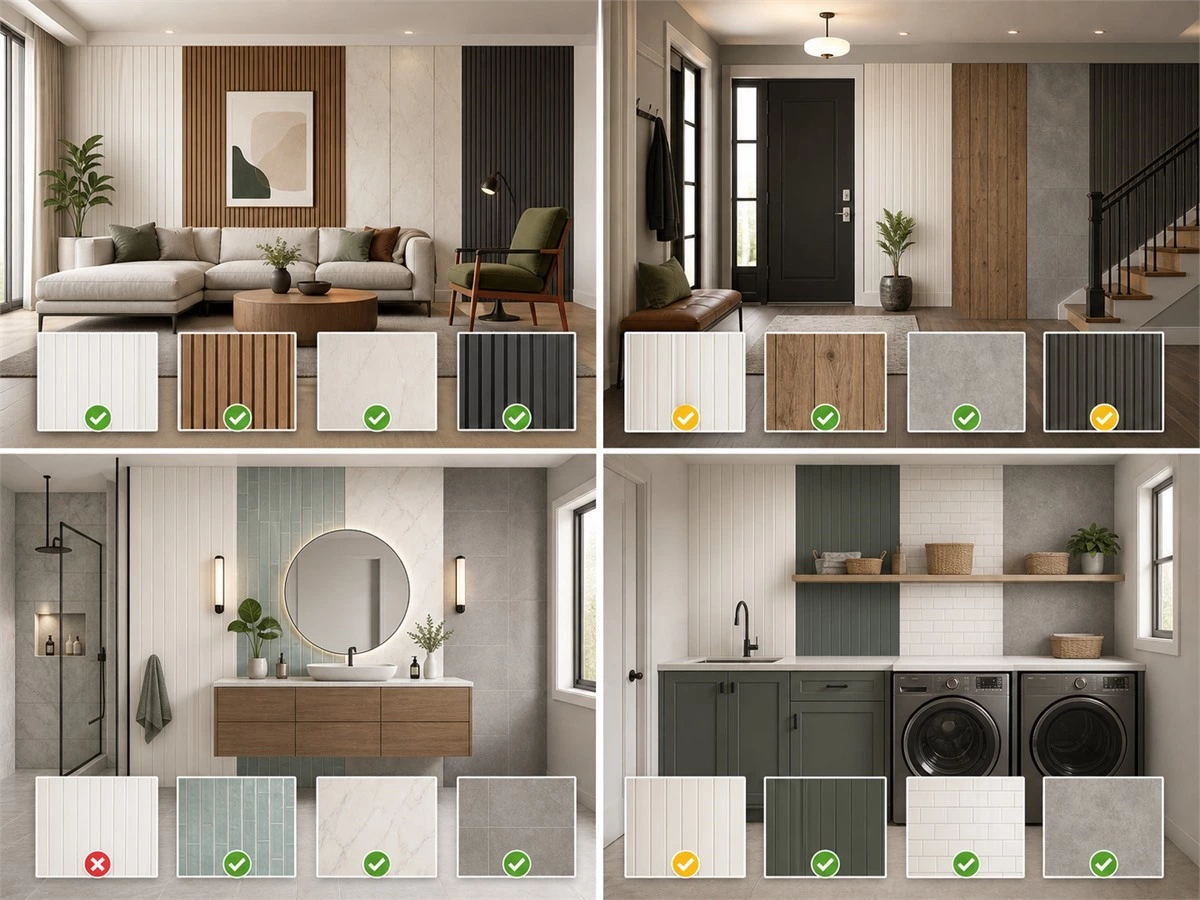
Best for: Buyers comparing one wall-panel finish across several rooms in a whole-home project.
Check: Moisture exposure, traffic, sunlight, maintenance needs, and service access in each location.
Risk: Using one attractive material everywhere without reviewing different room conditions can create maintenance problems or late changes.
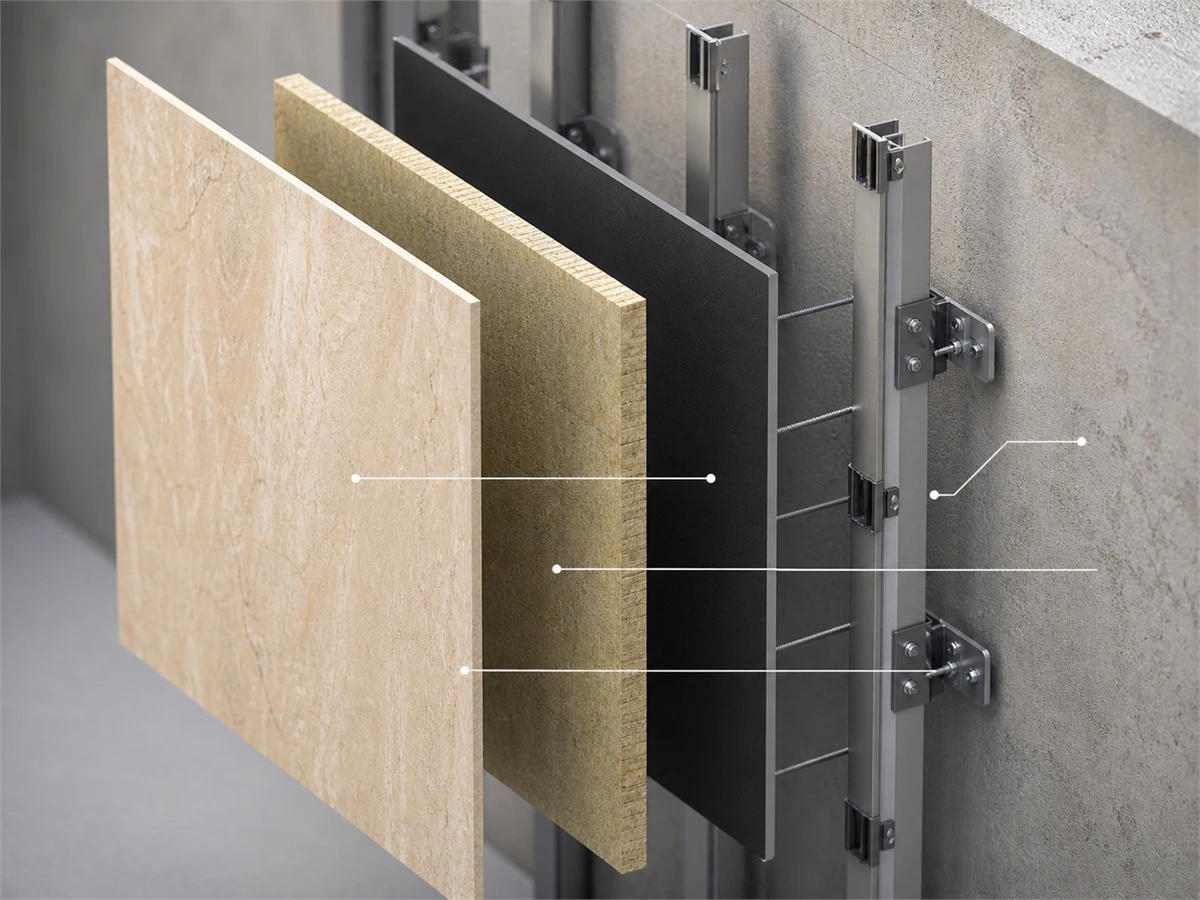
Understand the Three Layers of a Wall Panel System
The Visible Surface Finish
The surface finish is the part people see and touch. It can be wood veneer, melamine, HPL, lacquer, PET, glass, metal, or another decorative facing. It determines color, grain, sheen, texture,e and much of the maintenance experience. However, the same visual surface can behave differently depending on the core material, edge construction, and method of installation.
The Core or Substrate
The substrate provides the panel’s structure. Common options can include plywood, MDF, particleboard, composite boards, or metal-supported assemblies. The right choice depends on panel size, fixing approach, screw-holding needs, weight, moisture exposure, budget, and the project’s documentation requirements. There is no universal “best” core: a suitable panel for a dry feature wall may not be suitable for a humid room or a large-format installation.
The Backing, Framework,k and Wall Connection
A wall panel system also needs a reliable relationship with the existing wall. Depending on the project, this may involve levelling, backing panels, battens, adhesive, mechanical fixing, service cavities or access panels. Wall flatness, electrical outlets, HVAC grilles, switches, and door frames should be identified before the panel layout is finalized. Good finish material cannot compensate for a poorly coordinated wall connection.
Compare Common Wall Panel Materials by Project Use
Wood Veneer Wall Panels
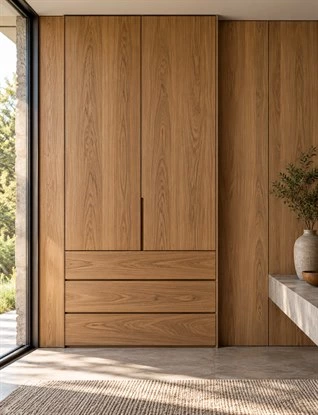
Wood veneer wall panels are often selected for natural grain, warmth,h and coordination with custom cabinetry or interior doors. They work particularly well in living rooms, bedrooms, studies, and feature walls where texture is important. Buyers should review grain direction, veneer matching, panel sequence, edge treatment, and the actual room lighting. A small veneer sample cannot fully show how a large wall will look once adjacent panels are installed together.
Best for: Projects seeking natural visual depth and coordinated wood finishes.
Check: Grain direction, sample approval, sunlight exposure,e and panel-joint layout.
Risk: Inconsistent grain selection or poorly aligned panels can make a premium material look accidental.
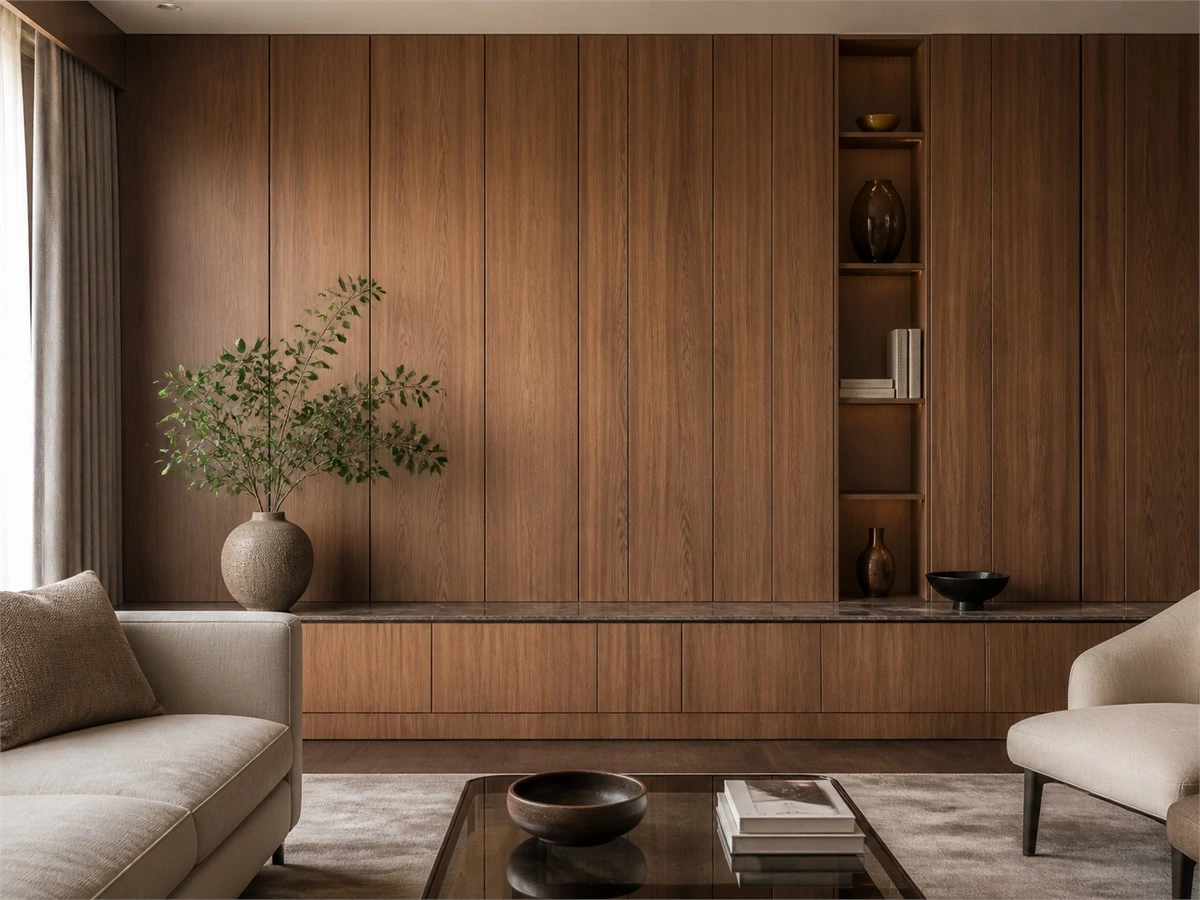
Melamine Wall Panels
Melamine wall panels can offer repeatable colors, wood looks, and practical textures for projects that need consistent visual coordination. They are commonly considered for dry interior areas and cabinetry-integrated walls. Review the surface texture, substrate, edge banding, panel thickness, and visible joint details. The same decorative finish may be available on different substrates, so the finish name alone does not define the complete specification.
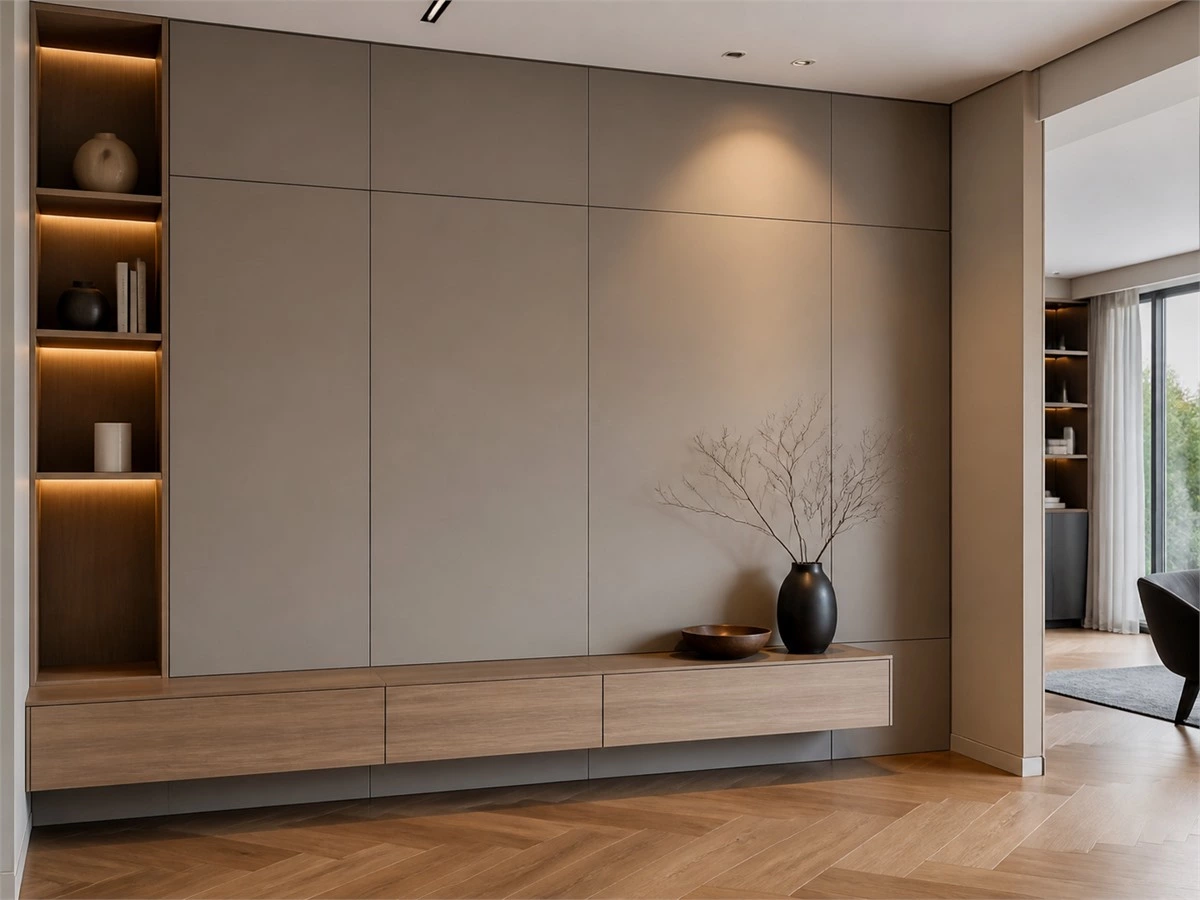
HPL Wall Panels
HPL can be considered where the project needs a decorative surface with practical resistance to daily contact and cleaning. It is available in wood, stone, metal, fabric-like,e and solid-color effects. The final result depends on the selected substrate, panel edge, exposed joints, and trim strategy. Inspect texture, color, and sheen in person, especially if the material will run across a large corridor, entryway,y or commercial-style interior zone.
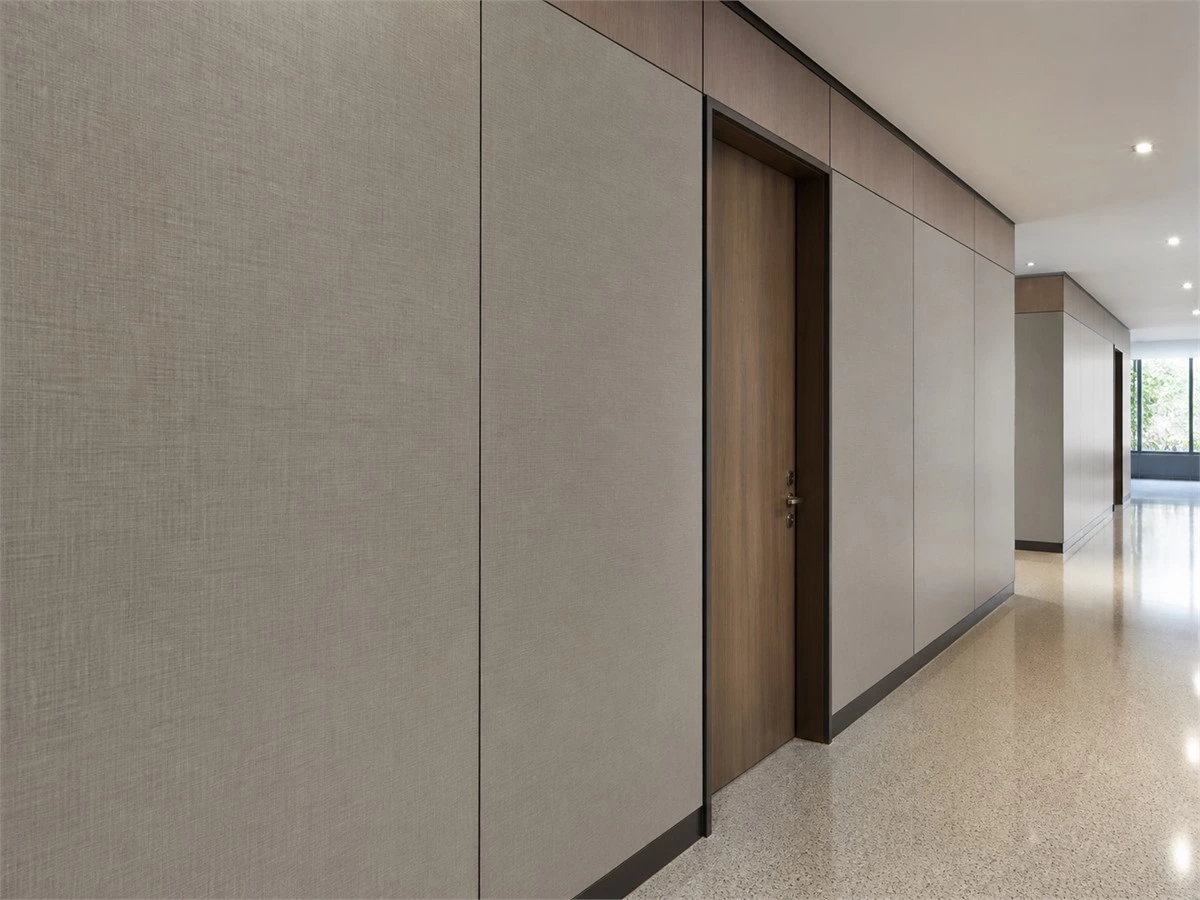
Lacquered Wall Panels
Lacquered wall panels support custom colors, smooth façades and integrated cabinet-wall compositions. Matte and gloss levels affect how light moves across the wall. A smooth finish can make a space feel refined, but it can also reveal uneven walls, poor panel alignment, or inconsistent reflections. Review the selected sheen, color sample, repair expectations,s and lighting plan before approving large lacquered surfaces.
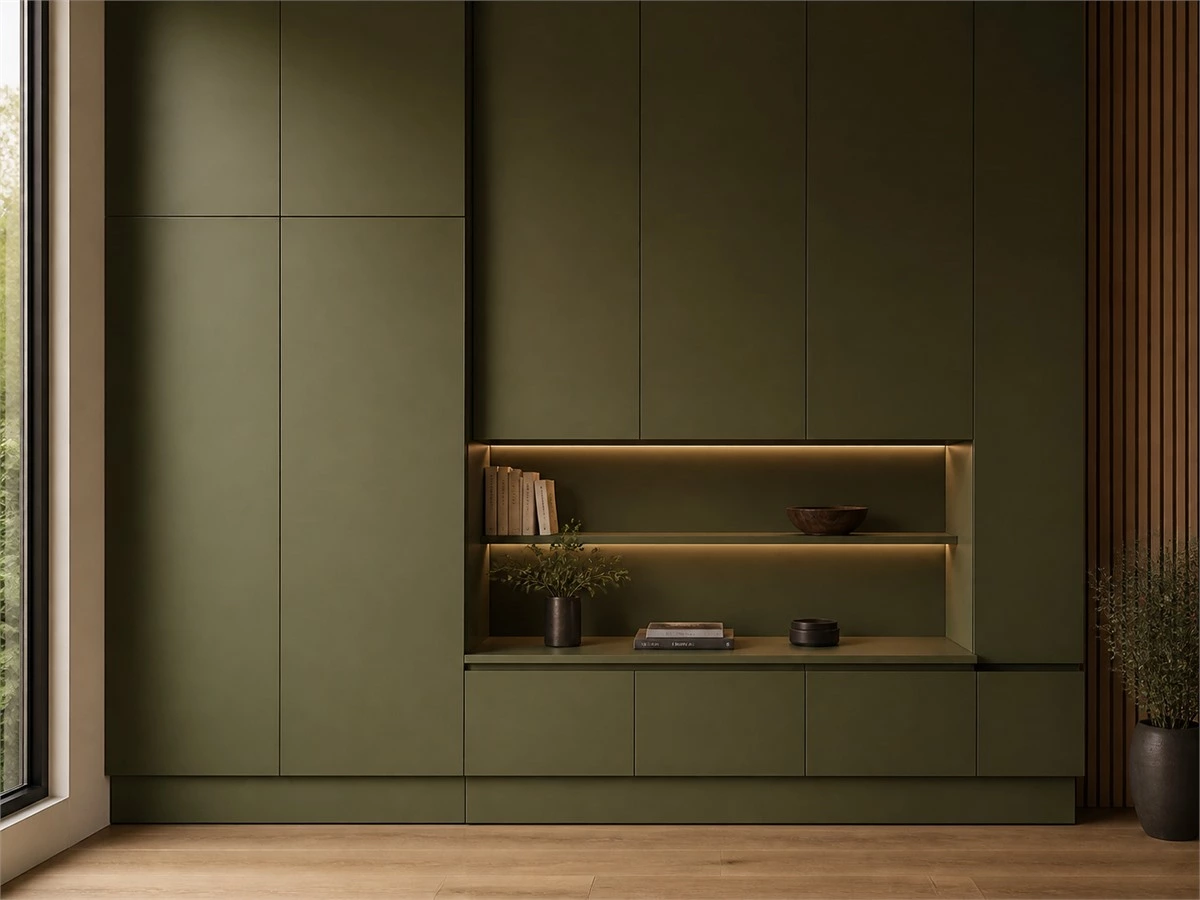
PET, Glass, Metal,al and Specialty Wall Panels
Matte PET, glass, metal, tal, and mixed-material panels can create contrast and depth in display walls, feature walls, entryways, and contemporary interiors. Their suitability depends on cleaning, fingerprints, reflections, impact exposure, framing and replacement access. Glass and metal may add lightness or visual interest, but they should be specified with practical details rather than treated only as decorative accents.
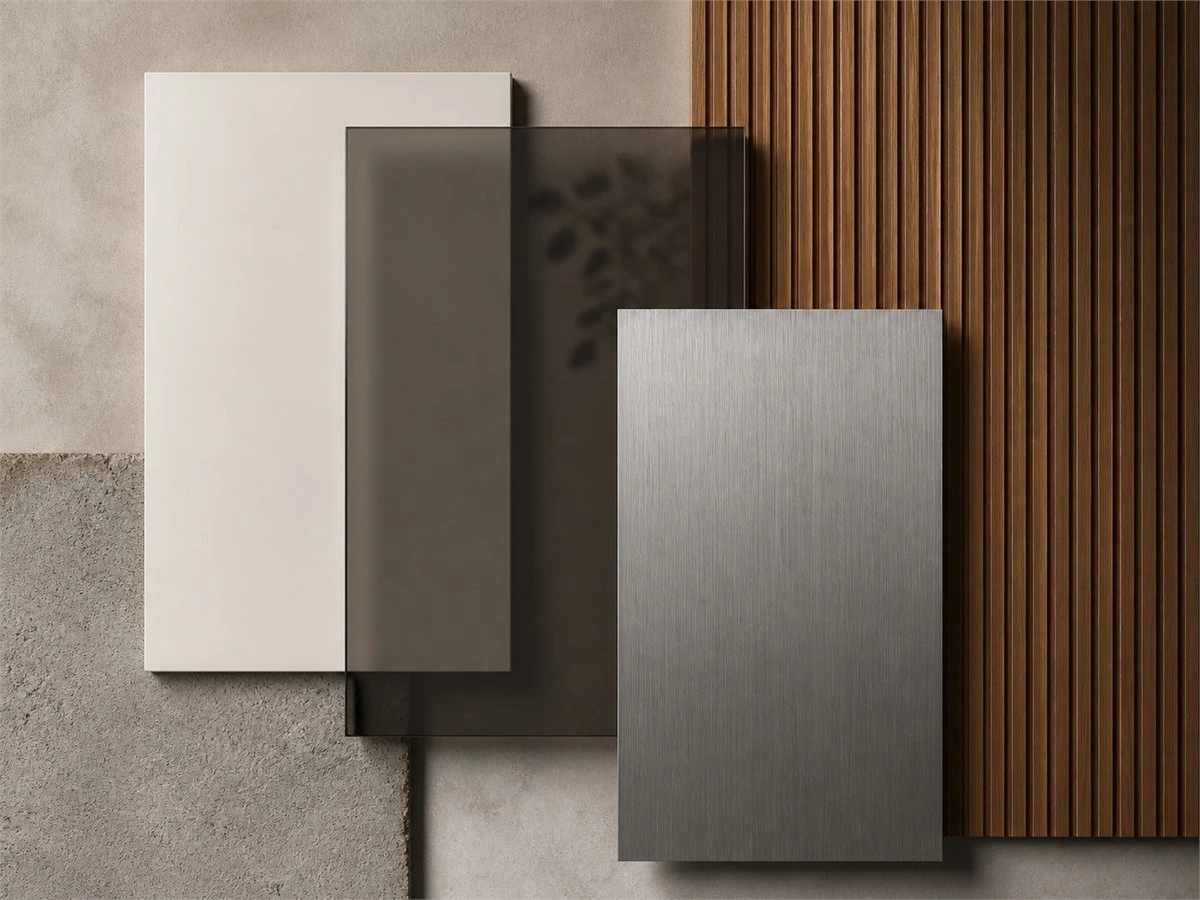
Choose Finishes by Function, Not Only by Style
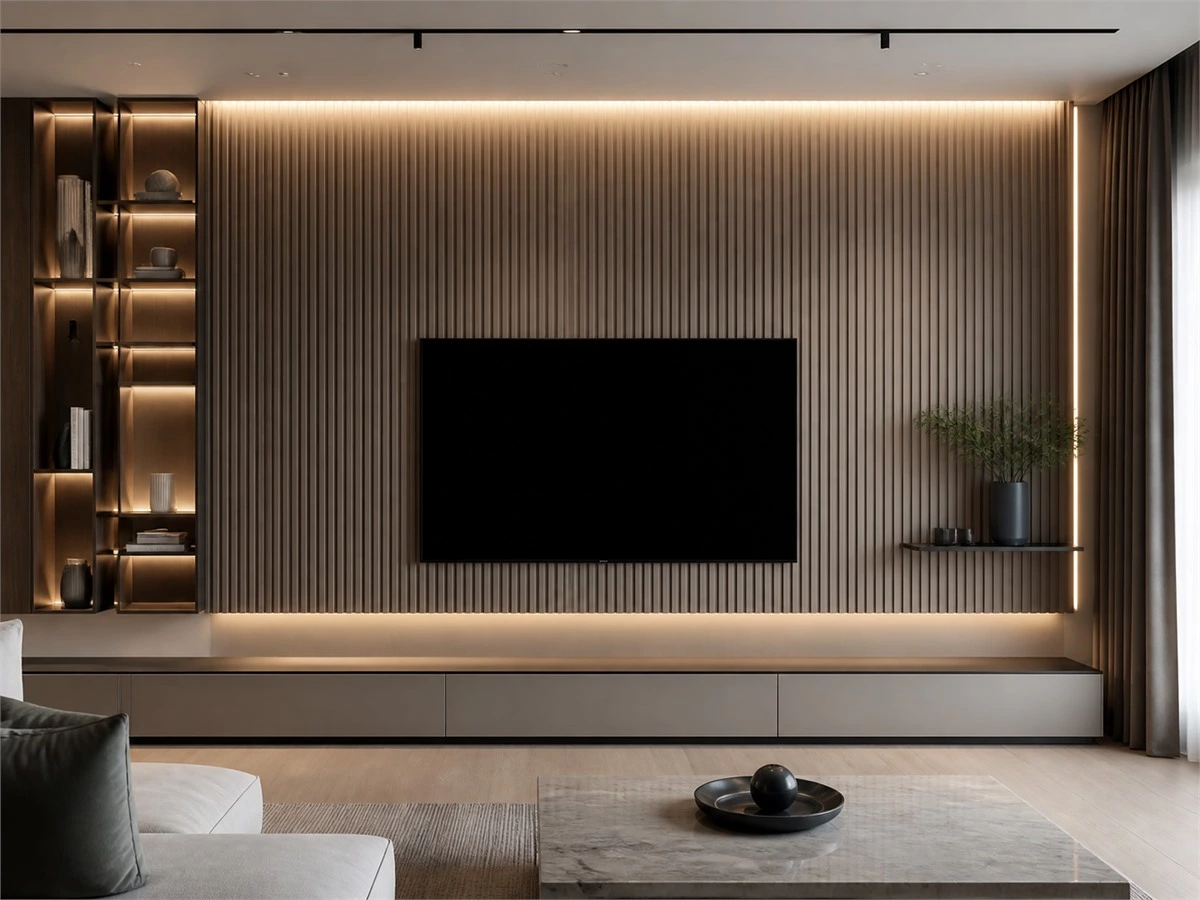
Living Room Feature Walls
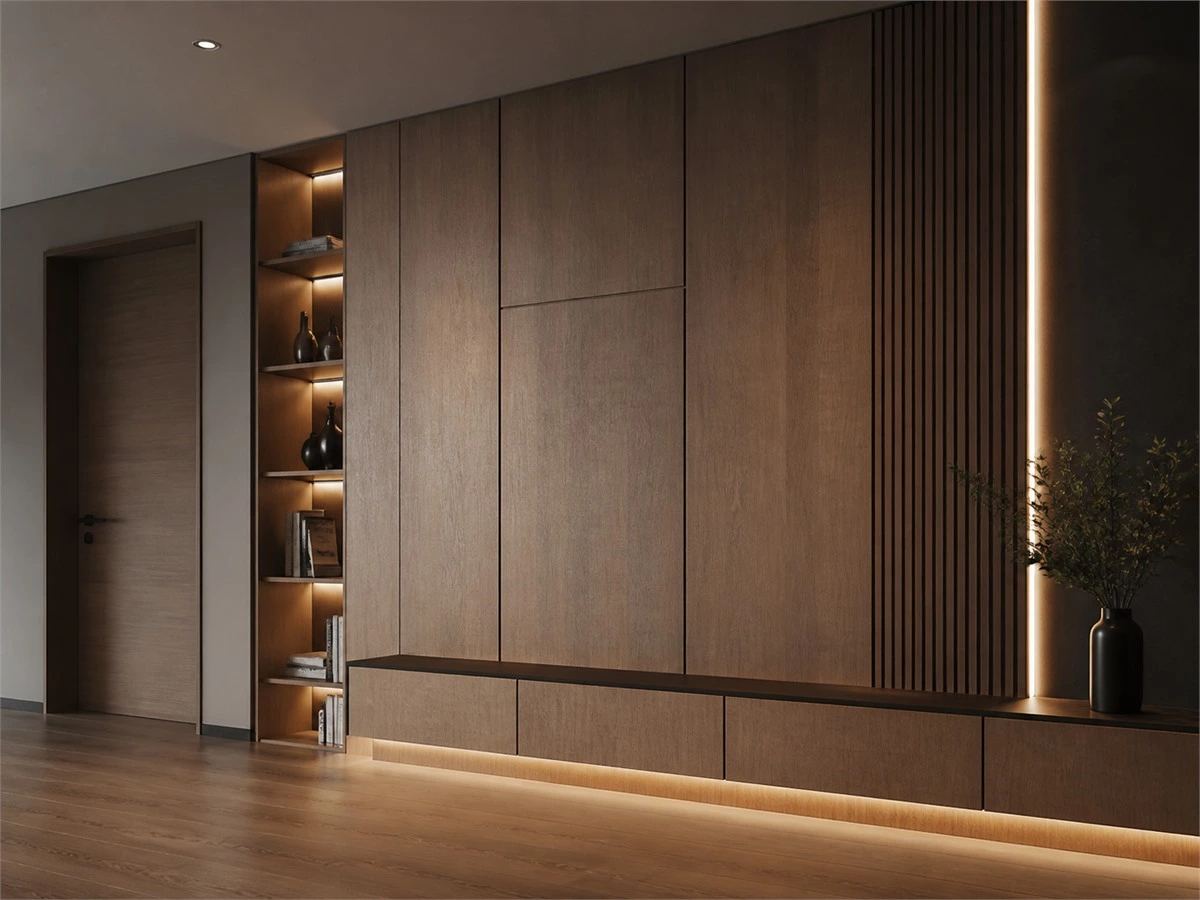
Living room walls may need to coordinate with a TV, media storage, display shelves, lighting, and concealed cables. Before choosing a finish, decide where the screen, outlets, access panels, and equipment will sit. Wall panel materials should support the functional layout rather than force equipment into an unsuitable decorative composition. For related product applications, link naturally to custom storage and TV wall cabinets.
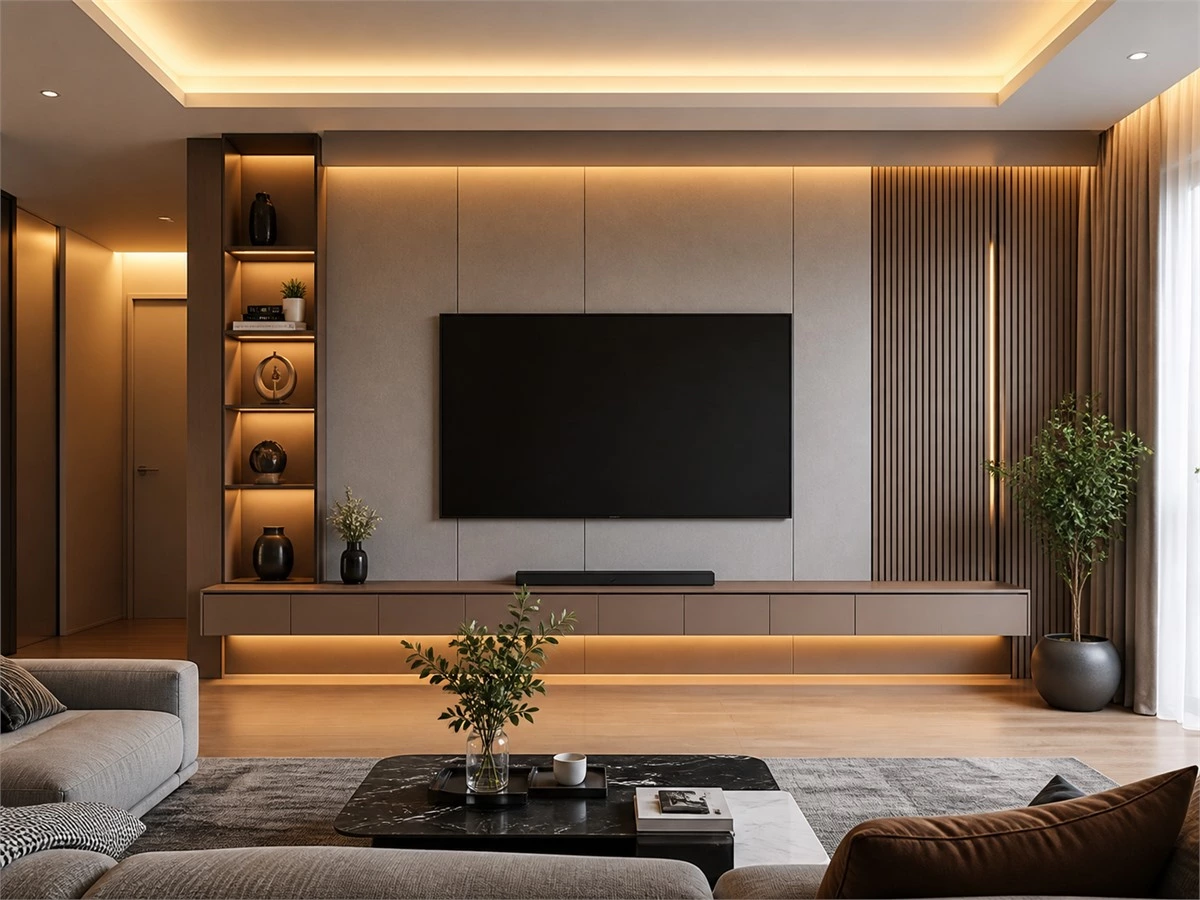
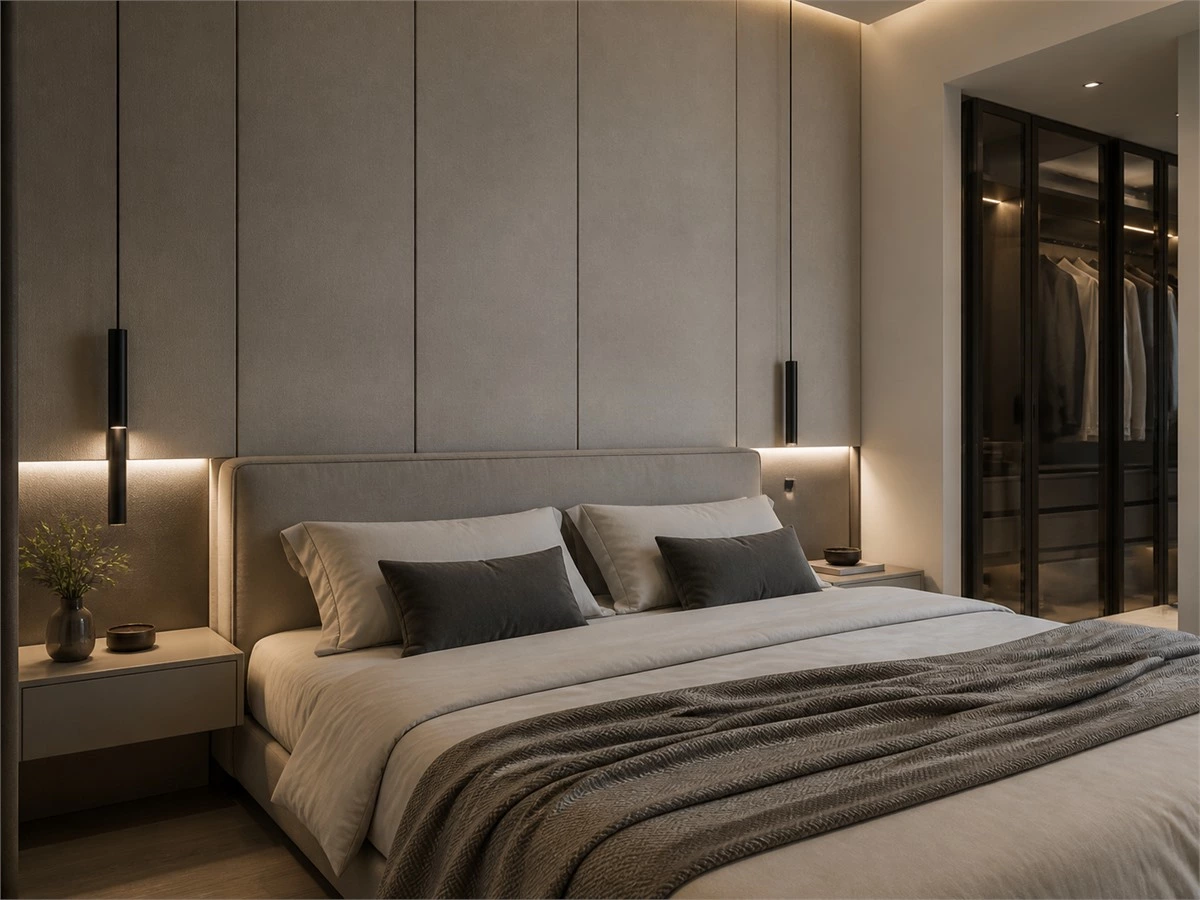
Bedroom Headboard Walls
Bedroom wall panels should consider bedside lighting, switches, charging points, headboard height, and the relationship with wardrobes. Low-glare, tactile finishes often suit this location because the wall is viewed at close range. Confirm whether bedside tables or a bed headboard will conceal part of the panel design. A feature wall should still look intentional when furniture is in place.
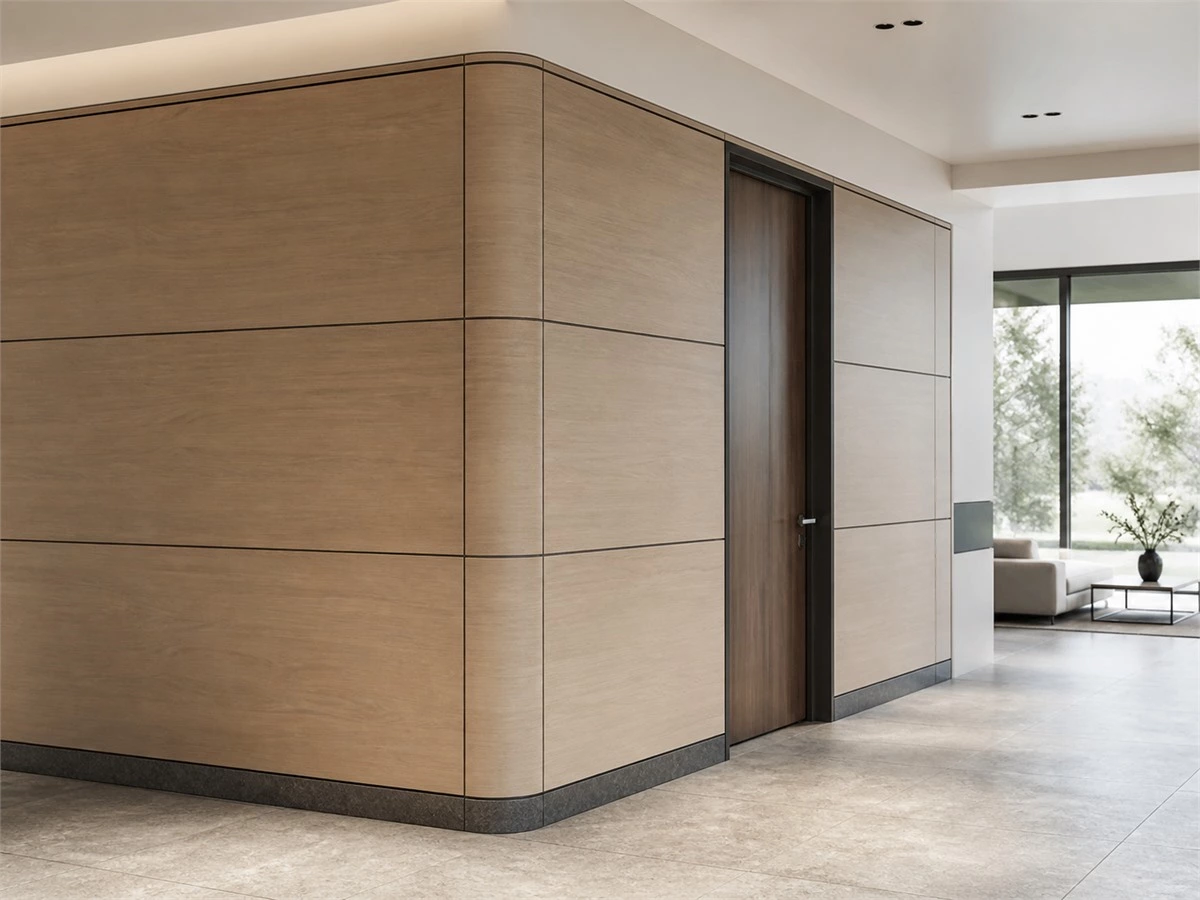
Corridors, Entryways and Door-Adjacent Walls
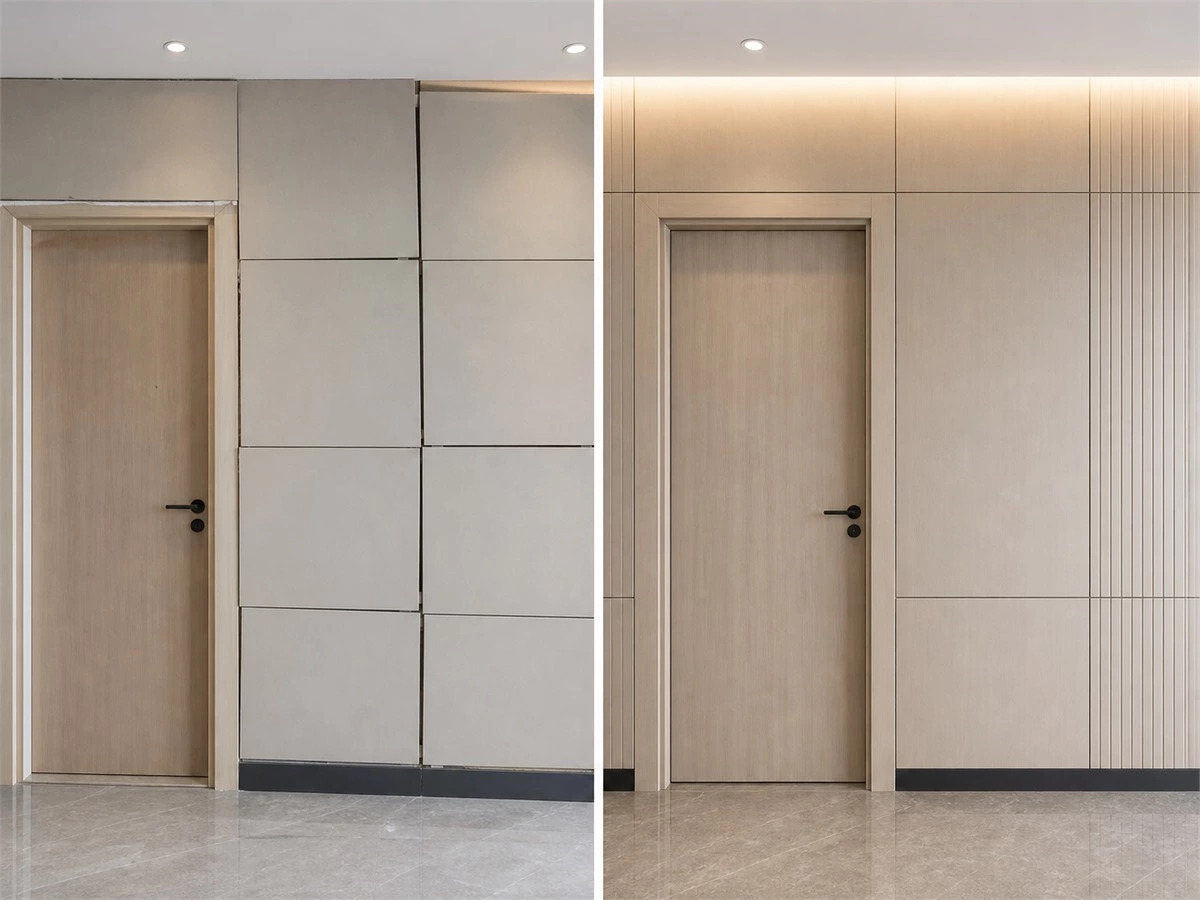
Corridor and entryway wall panels need careful corner and door-frame details. These locations are more likely to receive contact from bags, furniture, or daily traffic. Align panel joints with door frames, skirting, switches and ceiling lines where possible. For coordinated doors and wall finishes, direct readers to custom interior doors and wall-panel solutions.
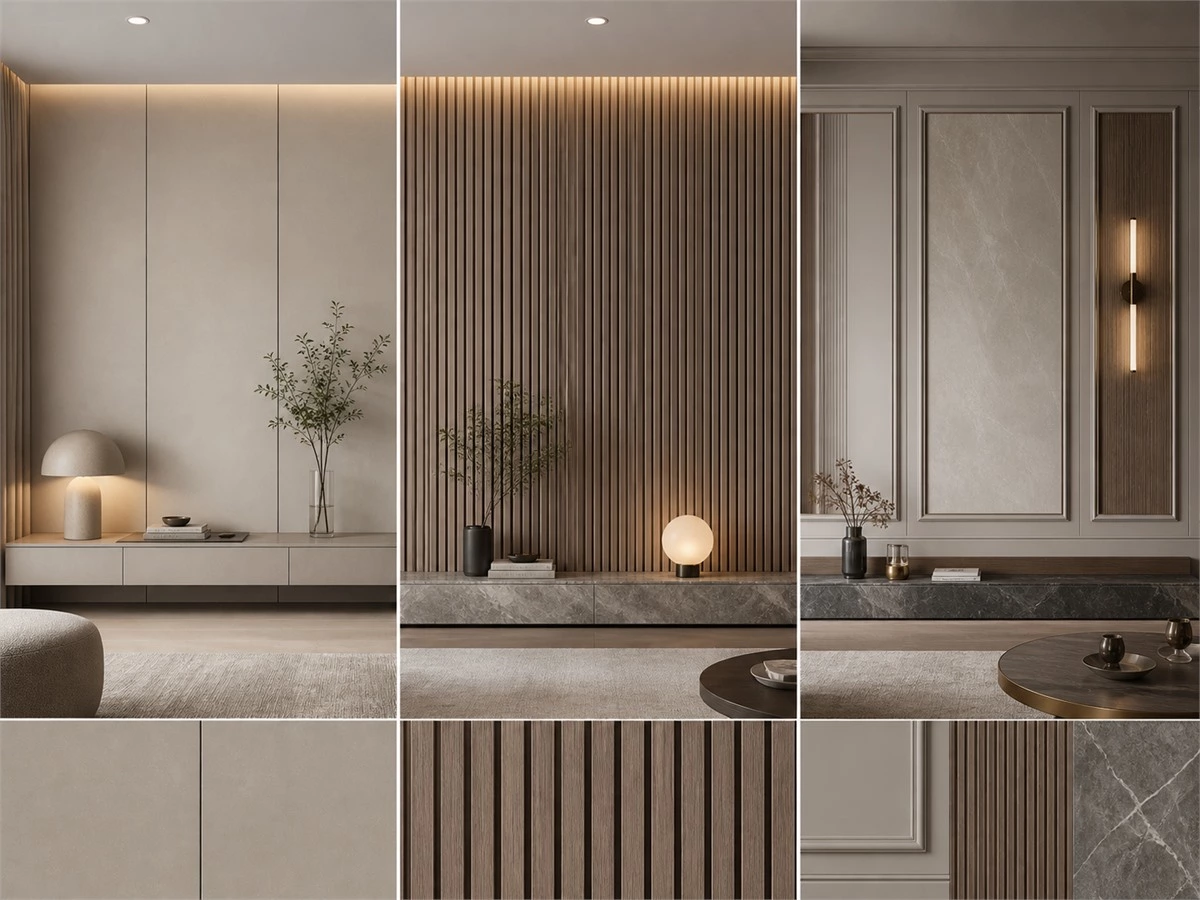
Fluted, Flat, and Framed Wall Panel Designs
Flat Panels for Minimalist Interiors
Flat panels can create a continuous, calm surface, but they require accurate wall preparation and disciplined joint placement. Decide panel widths, reveal lines, end panels,s and alignment with doors before manufacturing. A minimalist finish can make installation errors more visible because there is less texture to disguise uneven lines or inconsistent gaps.
Fluted Panels for Texture and Rhythm
Fluted panels add depth and visual rhythm without relying on a strong color contrast. Their scale should suit the wall size and viewing distance. Fine fluting can feel delicate in a bedroom, while larger spacing may work better in a living-room feature wall. Consider cleaning, lighting direction, and where the fluted pattern begins and ends. For visual applications, see these fluted paneling ideas for custom interiors.
Framed and Mixed-Material Panels
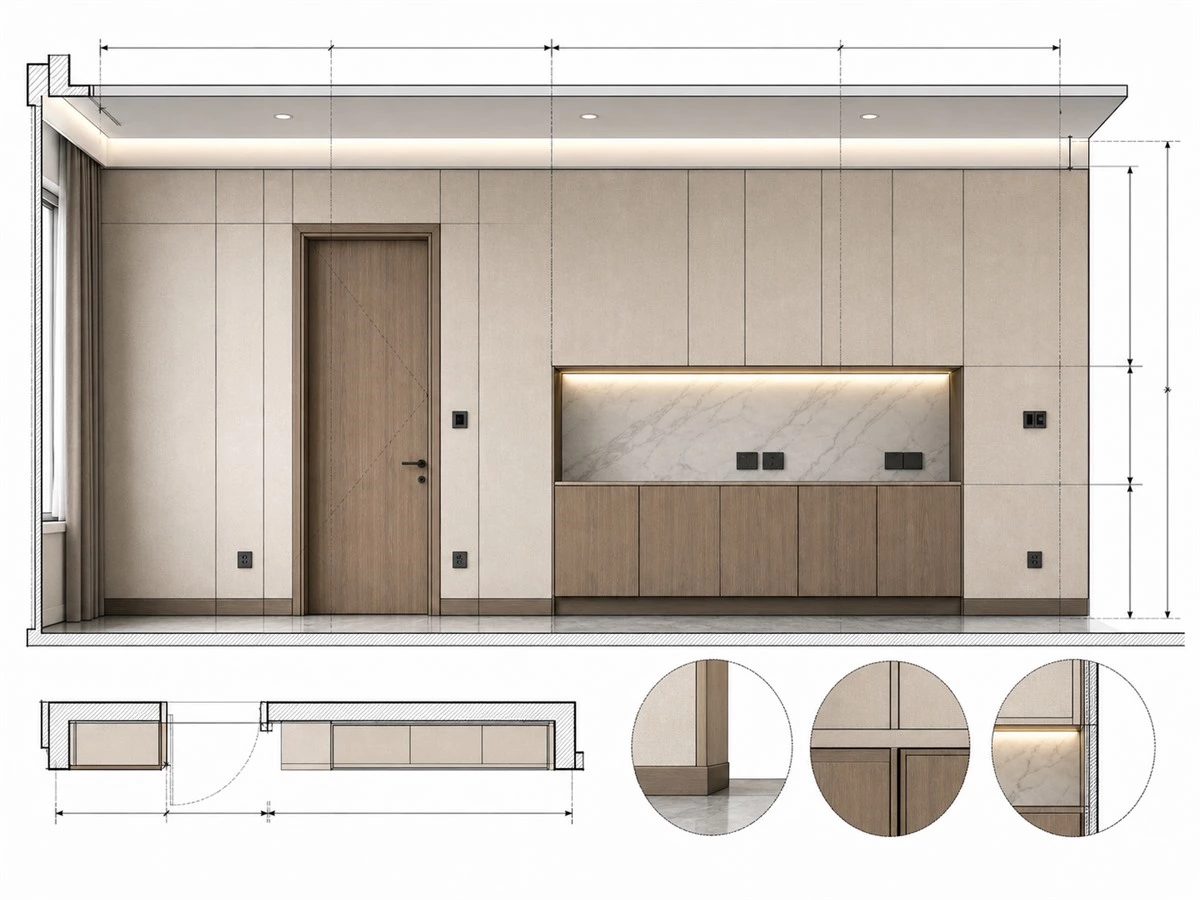
Framed panels, metal trims, grille details, and mixed-material compositions can give a wall more structure. These details should align with actual panel joints, doors, cabinetry, or lighting lines. Decorative divisions that ignore construction logic often appear random after installation. Review each intersection, corner,r and return on a dimensioned elevation before approval.
Details That Determine Whether Wall Panels Look Finished
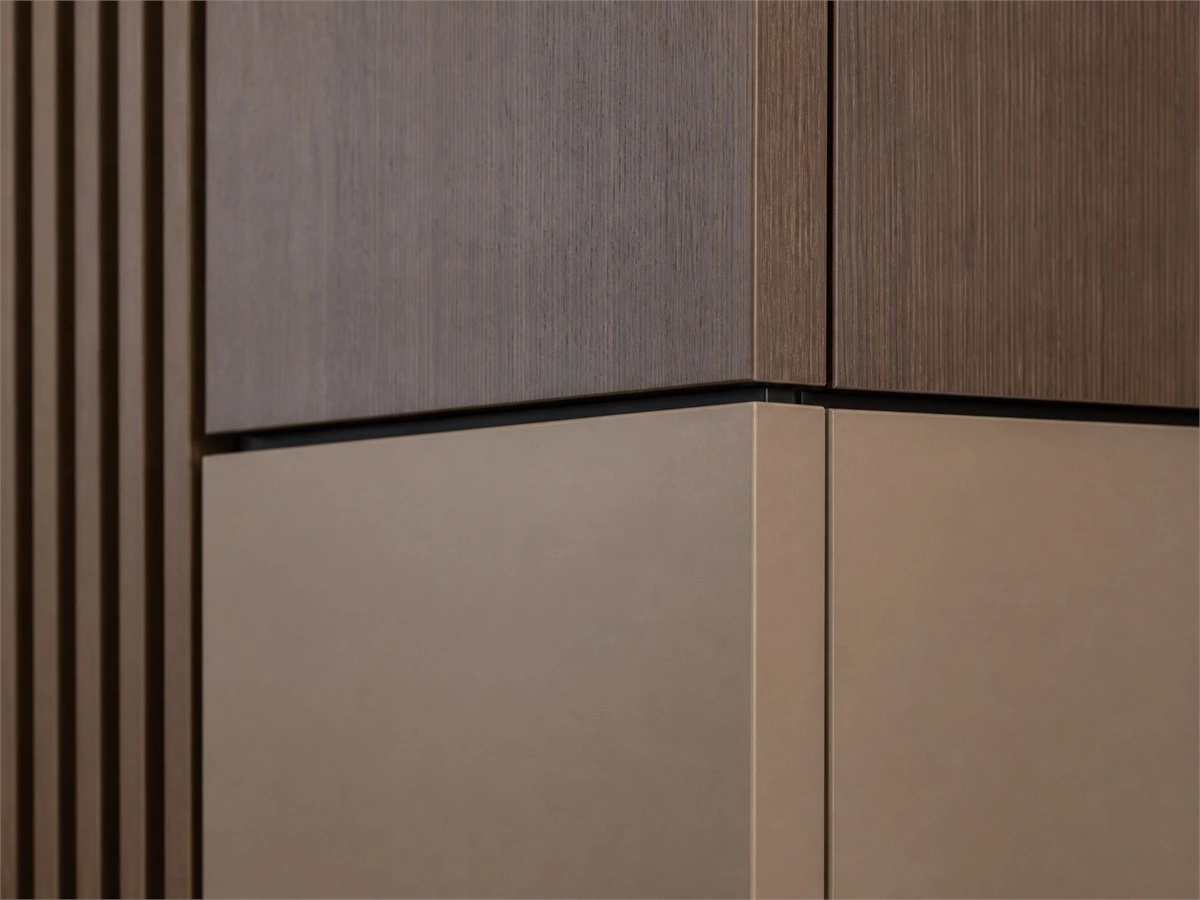
Panel Joints and Shadow Gaps
Panel joints should be part of the design, not an installation afterthought. Shadow gaps and reveals can make a large wall easier to divide visually, but their position should align with cabinet doors, interior doors, switches, TV placement,nt or ceiling features. Confirm whether each joint is a real construction joint, a decorative line, or an access requirement.
Corners, Returns and End Panels
External corners, window returns, door frames, skirting transitions, and panel ends are where a wall-panel installation is judged most closely. These details affect both durability and visual quality. Ask for a section detail when a wall panel meets a door, cabinet, ceiling, stone surface, or a change in material thickness.
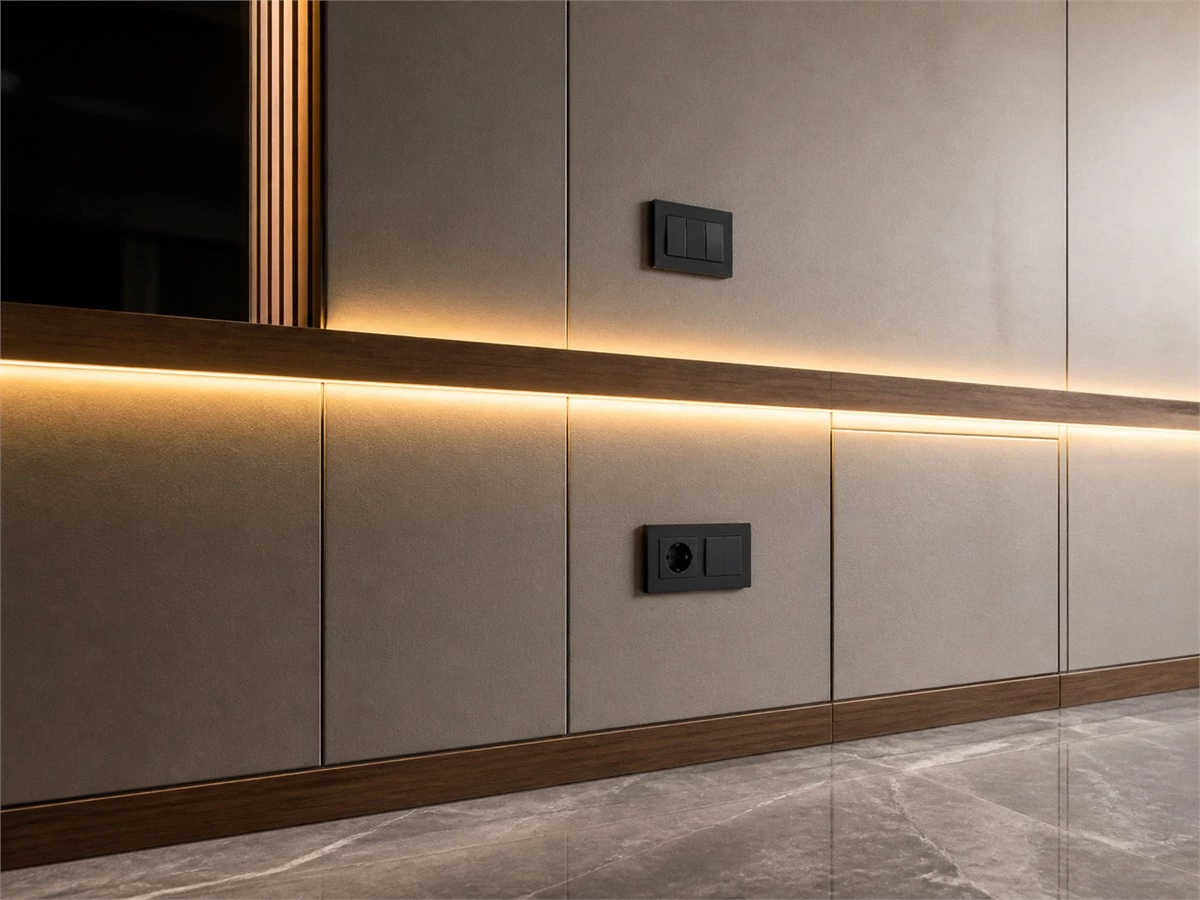
Lighting, Switches and Access Panels
LED channels, switches, outlets, HVAC grilles,s and maintenance access should be located before panel production. Cutting an installed panel later can compromise the intended finish and joint layout. Review the electrical plan together with the wall-panel elevation, especially for TV walls, headboard walls, and display installations.
Wall Panel Materials Checklist Before Ordering
| Checkpoint | What to Confirm | Risk if Ignored |
|---|---|---|
| Room condition | Dry, humid, high-contact, or sunlight-exposed location | Unsuitable material selection |
| Finish sample | Color, sheen, grain, texture,e and lighting response | Unexpected appearance after installation |
| Substrate and panel thickness | Core, weight, fixing,ng and wall compatibility | Poor fixing or unsuitable performance |
| Joint layout | Shadow gaps, panel sizes, and alignment | Uneven or improvised appearance |
| Services | Switches, outlets, HVAC, cables, and access panels | Late cutting and site rework |
| Documentation | Project and destination-market material requirements | Procurement or compliance risk |
For U.S.-bound projects using regulated composite wood products, request the relevant panel documentation for the specific order. The U.S. EPA composite wood standards overview explains the scope of requirements that may apply to certain hardwood plywood, MDF, particleboard, and finished goods containing them.
Common Wall Panel Material Mistakes
- Choosing a finish only from a small showroom sample.
- Treating the visible surface as the complete wall-panel specification.
- Using one panel material in dry and humid areas without reviewing exposure.
- Ignoring wall flatness, panel joints, corners, and returns.
- Forgetting outlets, HVAC grilles, cables,s or maintenance access.
- Designing wall panels without aligning them with cabinetry, doors, and skirting.
- Making unsupported claims about fire, acoustic, waterproof, or emissions performance.
Final Takeaway
The right wall panel materials are selected from the room condition, visible finish, substrate, panel detail, and installation method. Start with how the space will be used, then review samples, joints, edges, services, and wall-fixing requirements before production. For surface options, see the door panel materials reference; for integrated rooms, explore whole-house customization solutions.
Frequently Asked Questions
What are wall panel materials?
Wall panel materials are the visible finishes, substrates, backing systems,s and edge details used to create a finished interior wall surface. They can include wood veneer, melamine, HPL, lacquer, PET, glass, metal,al and other decorative panels. A full specification should identify more than the visible finish because the core, panel thickness, joints, fixing method, and room condition all influence the final result.
What is the difference between a wall panel finish and a substrate?
The finish is the surface people see, such as veneer, lacquer, or HPL. The substrate is the structural core behind that finish, such as plywood, MDF, or another board type. Two panels can look similar but use different cores and installation methods. Buyers should request the complete panel construction and not approve a wall system only by selecting a color, texture, or decorative sample.
Which wall panel material is best for a living room?
The best choice depends on the room’s style, lighting, TV or media requirements, cleaning habits,s and relationship to furniture. Wood veneer may suit a warm feature wall, while matte decorative panels can support a quieter modern interior. Where a TV or display system is included, the cabinet layout, cable access, and lighting should be resolved before choosing the finish. There is no single material that suits every living room.
Are wall panels suitable for bathrooms and laundry rooms?
Wall panels may be suitable in selected bathroom or laundry locations, but the exact exposure must be defined first. A vanity backdrop is different from a direct wet zone. Review moisture exposure, ventilation, substrate, edge sealing, wall backing,g and waterproofing requirements for the specific project. Decorative paneling should not be assumed to replace an appropriate waterproofing system or local wet-area construction requirements.
Is wood veneer suitable for interior wall panels?
Wood veneer can be suitable for dry interior wall panels where natural grain and a warm finish are desired. It requires careful sample approval, grain-direction planning, panel sequencing, and consideration of room lighting. Sun exposure, cleaning expectations, and visible edges should also be reviewed. Veneer is not simply a color choice; its appearance depends on how multiple panels are matched and installed across the full wall.
What is the difference between melamine and HPL wall panels?
Both melamine and HPL can provide decorative colors and textures, but their suitability depends on the selected surface, substrate, edge treatment,t and project use. HPL is often considered for areas needing a more durable decorative surface, while melamine can provide consistent and practical finishes for many dry interior applications. Ask for samples, panel construction details,s and cleaning guidance rather than relying on a material name alone.
Are lacquered wall panels difficult to maintain?
Lacquered wall panels can create smooth custom-color surfaces, but maintenance depends on sheen, color, room use, and cleaning method. High-gloss surfaces may show reflections, fingerprints or wall unevenness more clearly, while matte finishes may suit a softer visual effect. Before ordering, review a physical sample under the intended lighting and confirm how the panel will be cleaned, repaired,d and coordinated with adjacent cabinetry or doors.
How do fluted wall panels compare with flat wall panels?
Flat panels create a continuous minimalist surface and require precise alignment because errors are more visible. Fluted panels add texture and visual rhythm, which can make a feature wall feel more dimensional. However, fluting also affects lighting, dusting, and visual scale. Choose based on the wall size, viewing distance, maintenance expectations, and how the pattern ends at doors, corners,s or adjacent cabinetry.
Reviewed and Approved by ALLURE Technical Department.