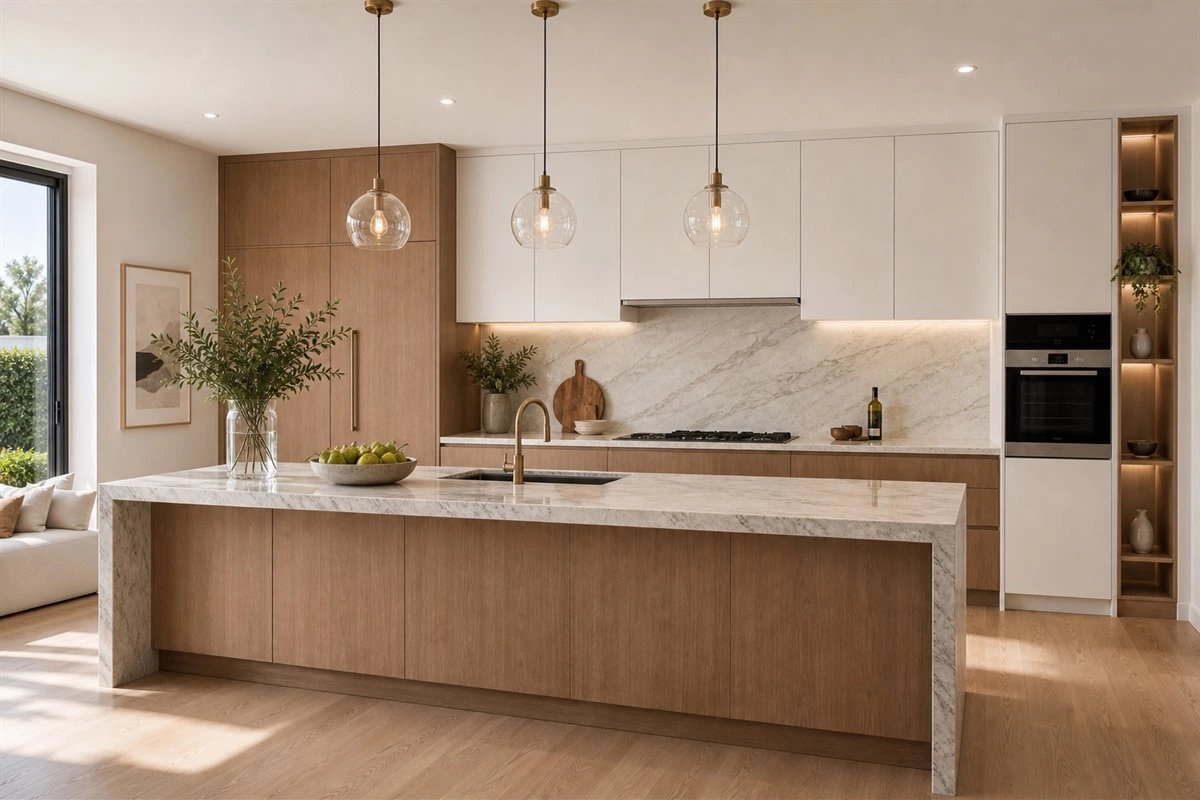
Base cabinet sizes are one of the most important details in kitchen planning. These lower cabinets support the countertop, hold drawers and doors, house sinks and appliances, and shape the way people move through the kitchen every day.
Choosing the right base cabinet dimensions helps improve storage efficiency, countertop comfort, appliance fit, and installation accuracy. If you are planning a full kitchen, start with this kitchen cabinet sizes guide, then use this article to understand base cabinets in more detail.
For homeowners, builders, and project buyers, properly sized custom kitchen cabinets can reduce wasted space, improve workflow, and create a cleaner installation result.
What Are Standard Base Cabinet Sizes?
Base cabinets are the floor-mounted cabinets installed below the countertop. They are used for cookware storage, sink support, drawer systems, waste bins, pull-out organizers, and built-in appliances.
Most standard base cabinets are designed around a finished countertop height of about 36 inches. This makes the work surface comfortable for food preparation, cooking, and cleaning. For a broader cabinet overview, you can also reference this kitchen cabinet guide from This Old House.
| Cabinet Part | Standard Size | Why It Matters |
|---|---|---|
| Cabinet Height | 34.5 inches | Creates a comfortable 36-inch finished countertop height |
| Cabinet Depth | 24 inches | Provides practical storage while keeping items reachable |
| Cabinet Width | 9-48 inches | Supports different drawers, doors, sinks, and appliances |
| Toe Kick Height | 4-4.5 inches | Improves standing comfort during cooking and cleaning |
| Countertop Thickness | 1-1.5 inches | Affects the final worktop height |
Standard Base Cabinet Height
The standard base cabinet height is usually 34.5 inches before the countertop is installed. After adding a countertop, the finished height is typically around 36 inches.
This height works well for most kitchens because it provides a comfortable surface for food preparation, cooking, washing, and daily use. It also matches standard kitchen appliances such as dishwashers, ovens, and under-counter storage systems.
Countertop thickness affects the final height, so base cabinet planning should always be coordinated with your selected kitchen countertops. A thicker stone countertop may slightly change the final working height.
For custom kitchens, base cabinet height can be adjusted for taller users, accessible kitchens, senior-friendly homes, or special work zones such as baking stations and bar areas.
Standard Base Cabinet Depth
The standard base cabinet depth is usually 24 inches without the countertop. Once the countertop is installed, the finished depth often reaches about 25 to 25.5 inches because of the front overhang.
This depth provides enough room for cookware, plates, cleaning supplies, and drawer systems while still keeping stored items easy to access. If a cabinet is too deep, items at the back become difficult to reach. If it is too shallow, storage capacity becomes limited.
Shallow base cabinets can be useful in narrow kitchens, laundry rooms, home bars, apartment kitchens, and secondary storage areas where walkway space is limited.
Standard Base Cabinet Widths
Base cabinet widths usually range from 9 inches to 48 inches. Common widths include 9, 12, 15, 18, 21, 24, 27, 30, 33, 36, 42, and 48 inches.
| Width | Best Use | Storage Benefit |
|---|---|---|
| 9-12 in | Spice pull-outs, tray storage | Uses narrow gaps efficiently |
| 15-18 in | Small drawers, pull-out bins | Adds function to compact kitchens |
| 24 in | Standard drawer base | Good for cookware and daily items |
| 30-36 in | Sink base, cooktop base | Fits larger fixtures and appliances |
| 42-48 in | Large drawer banks | Maximizes wide storage zones |
The best width depends on your layout, appliance position, countertop length, and storage habits. In modern kitchens, wide drawer bases are often preferred because they provide easier access than deep door cabinets.
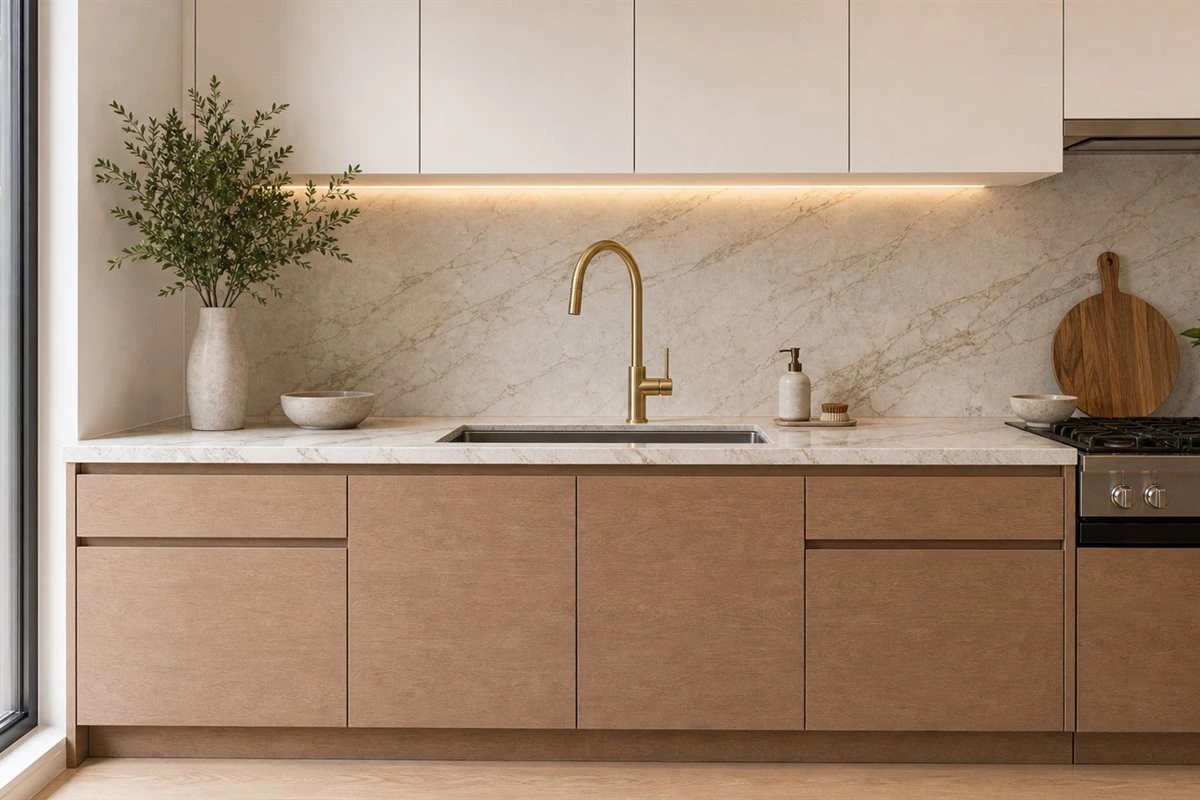
Sink Base Cabinet Sizes
Common sink base cabinet widths are 30, 33, and 36 inches. The correct size depends on the sink type, plumbing location, garbage disposal, water filtration system, and countertop cutout.
A single-bowl sink may fit into a smaller base cabinet, while a large double-bowl sink or farmhouse sink usually needs more space. Farmhouse or apron-front sinks may also require special cabinet modification because the front panel must be cut or reinforced.
Choosing the right sink base cabinet size prevents installation problems, protects countertop alignment, and leaves enough room for under-sink storage.
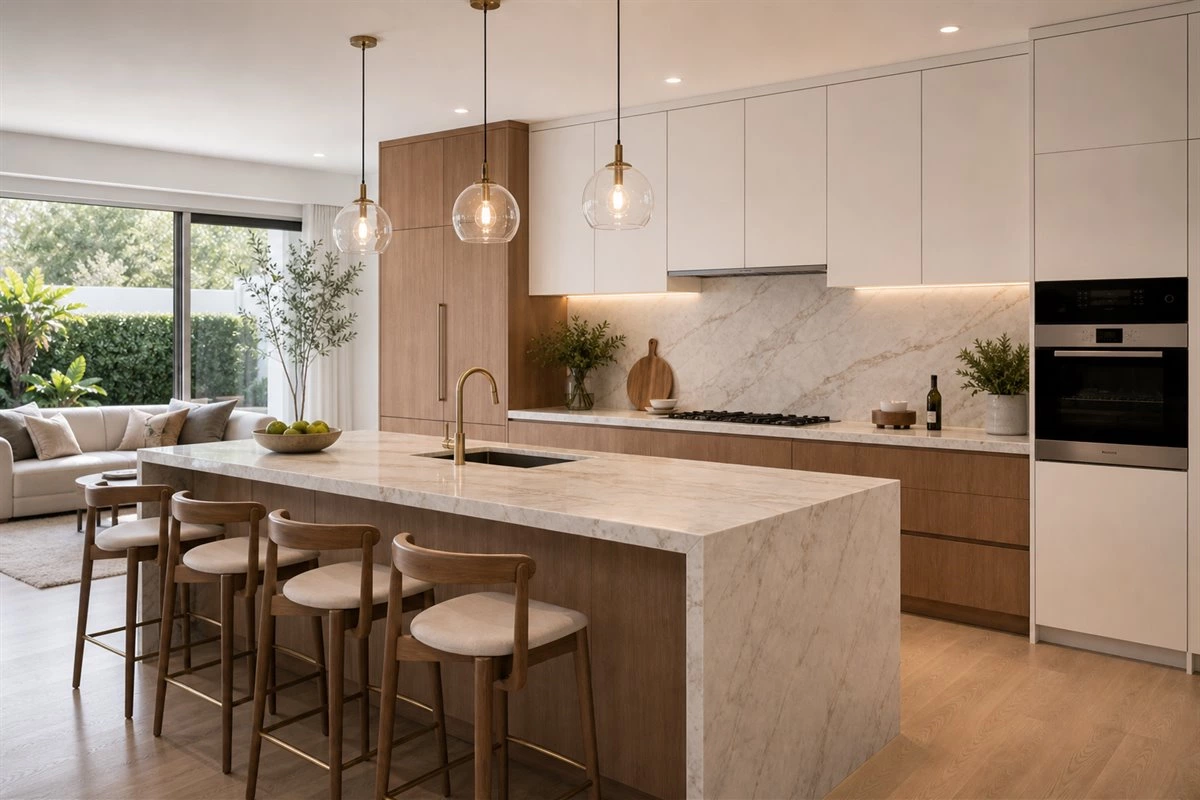
Drawer Base Cabinet Sizes
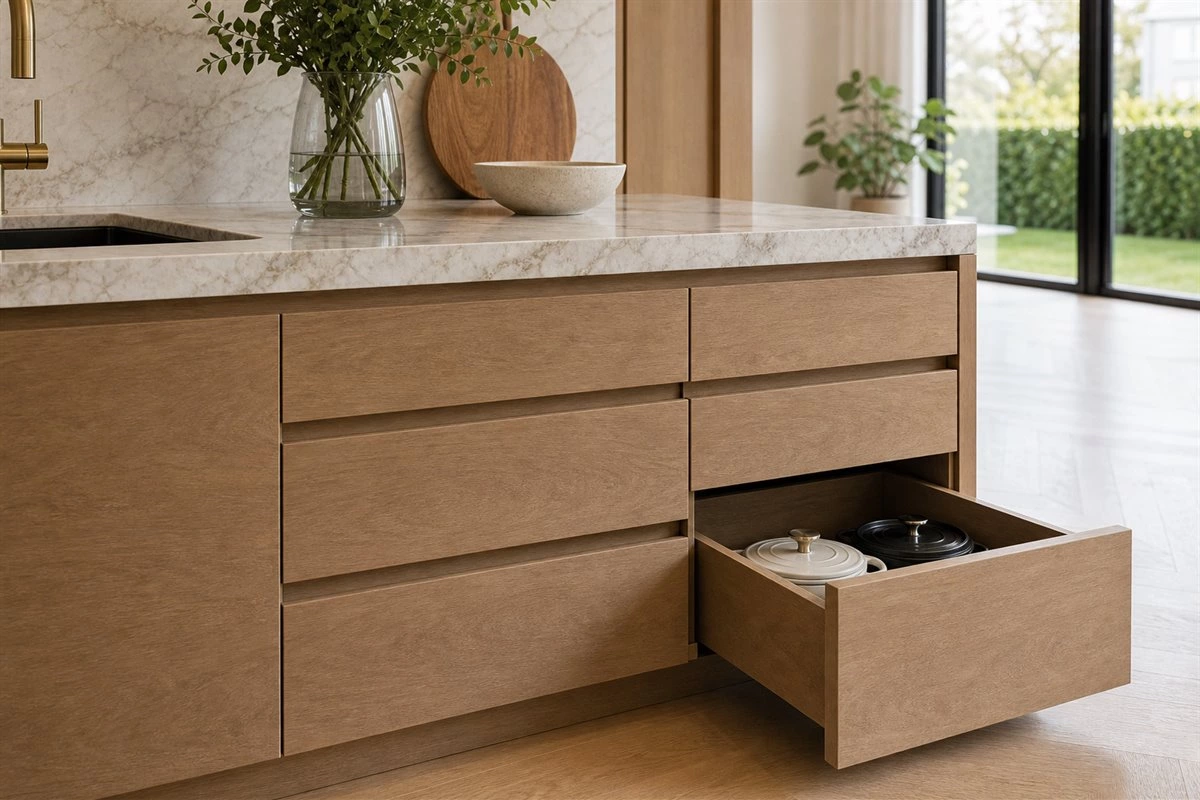
Drawer base cabinets are commonly available in widths from 15 to 36 inches. They are ideal for cookware, utensils, plates, bowls, spices, pantry items, and daily kitchen tools.
Compared with traditional door cabinets, drawer bases make items easier to see and reach. Deep drawers can hold pots and pans, while shallow drawers are useful for cutlery, knives, and cooking tools.
For better durability, drawer bases should use strong runners, soft-close systems, and weight-rated cabinet hardware. In premium kitchens, internal dividers and modular organizers help keep storage clean and easy to use.
Corner Base Cabinet Sizes
Corner base cabinets are important because kitchen corners can easily become wasted space. The right corner system improves access and makes the layout more efficient.
Common corner base cabinet options include lazy Susan cabinets, blind corner cabinets, diagonal corner cabinets, and pull-out corner systems.
A lazy Susan cabinet works well for round rotating storage. A blind corner cabinet can be paired with pull-out trays to improve access. A diagonal corner cabinet creates a larger front opening, while modern pull-out systems are often used in high-end custom kitchens.
Because corner cabinet sizes vary by hardware system and kitchen layout, they should be planned early in the design stage.
Custom Base Cabinet Sizes
Standard base cabinet sizes work for many kitchens, but custom base cabinets are often better when the space has special requirements.
Custom sizing is useful for uneven walls, luxury kitchens, compact apartments, built-in appliances, island kitchens, open-plan layouts, and wall-to-wall cabinet designs.
With custom cabinet design, the height, depth, width, drawer layout, internal organizers, material, finish, and hardware can all be adjusted. This helps eliminate wasted gaps, improve storage efficiency, and create a more integrated kitchen design.
For homeowners, custom sizing creates a better daily experience. For builders, developers, and contractors, it improves installation accuracy and project consistency.
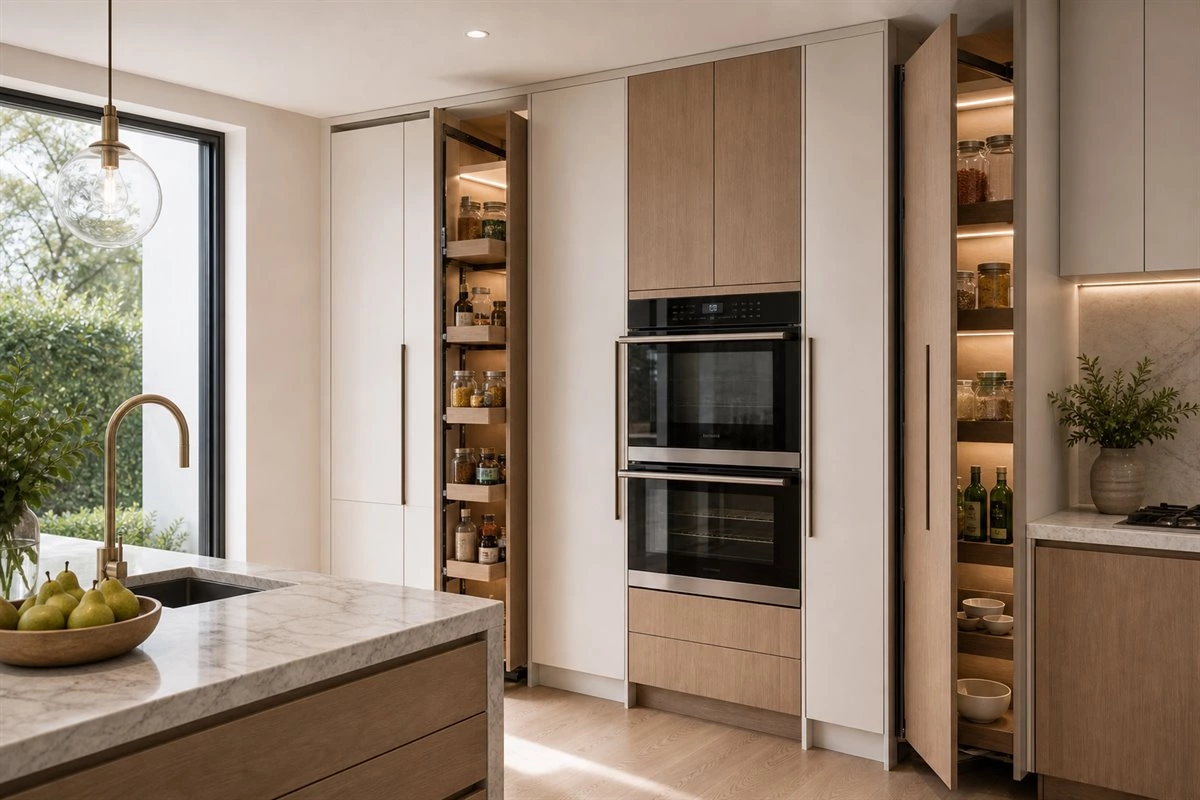
Base Cabinet Sizes by Kitchen Layout
Each kitchen layout needs a different base cabinet strategy. A small kitchen needs compact and efficient storage, while a large open kitchen may need wider drawers, island cabinets, and integrated appliance zones.
| Kitchen Layout | Recommended Base Cabinet Planning |
|---|---|
| Galley Kitchen | Use standard 24-inch depth and avoid oversized drawer banks |
| L-Shaped Kitchen | Plan the corner cabinet first, then balance drawer widths |
| U-Shaped Kitchen | Keep enough walkway clearance between cabinet runs |
| Island Kitchen | Use drawer bases and appliance bases for better storage |
| Small Kitchen | Use narrow pull-outs and shallow cabinets where needed |
| Luxury Kitchen | Combine wide drawers, tall panels, and appliance housing |
For walkway and kitchen planning principles, the NKBA kitchen planning guidelines are a useful external reference.
Base Cabinet Sizes for Kitchen Islands
Kitchen island base cabinets usually start from a standard 24-inch depth. For larger islands, designers may use back-to-back cabinets to create deeper storage and a more functional work surface.
If the island includes seating, the countertop needs enough overhang for legroom. If the island includes a sink, cooktop, or dishwasher, plumbing, electrical wiring, ventilation, and appliance clearances must be planned before production.
Correct island sizing improves movement, storage capacity, seating comfort, and the overall kitchen workflow.
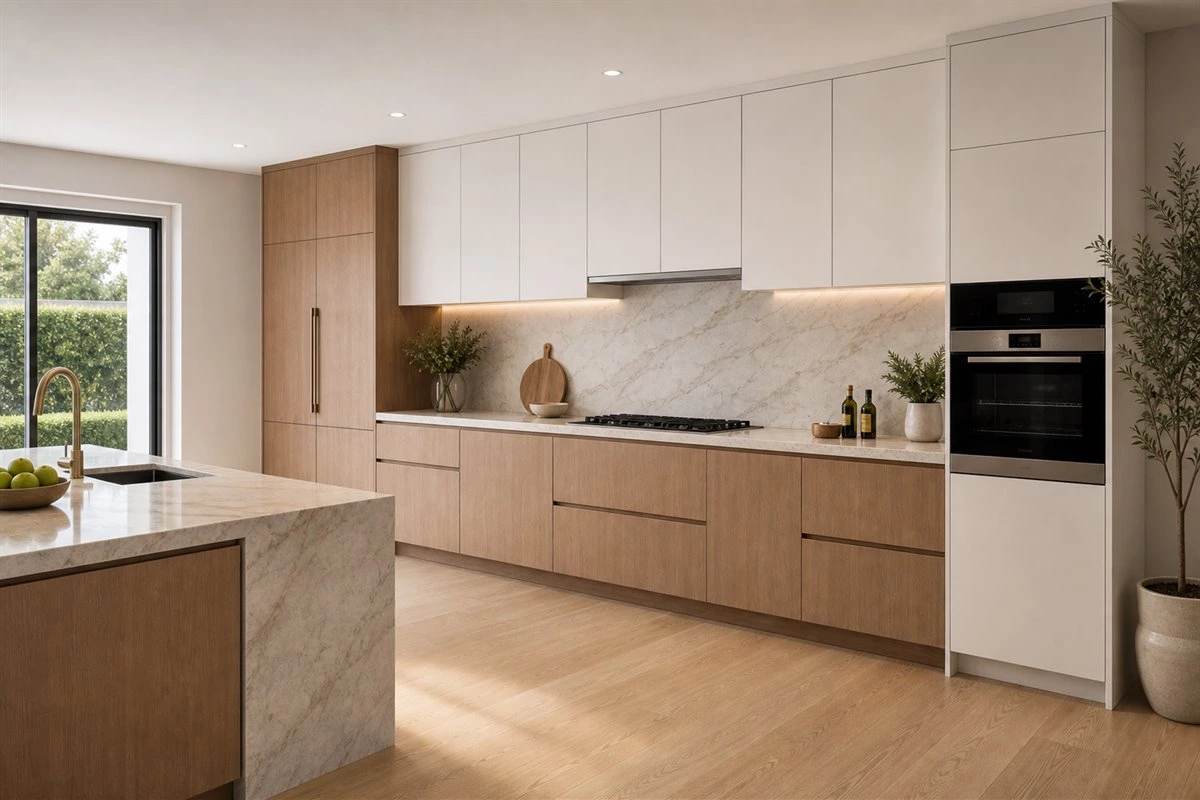
How to Measure for Base Cabinets
Accurate measurement is essential before ordering base cabinets. Even a small mistake can cause installation gaps, appliance misalignment, or countertop problems.
- Measure the full wall length where cabinets will be installed.
- Mark plumbing, gas lines, electrical outlets, windows, doors, and vents.
- Check whether the floor and walls are level.
- Confirm appliance dimensions before finalizing cabinet widths.
- Plan corner cabinets before straight cabinet runs.
- Leave fillers where walls, panels, or appliances need adjustment space.
- Confirm countertop thickness and overhang requirements.
Professional measurement helps ensure that cabinets fit the space correctly and reduces installation risk. You can also review this Home Depot cabinet measurement guide for additional measuring basics.
Standard vs Custom Base Cabinets
| Option | Best For | Advantages | Limitations |
|---|---|---|---|
| Standard Base Cabinets | Simple kitchens, budget projects | Fast sourcing and easier planning | Limited size and finish flexibility |
| Semi-Custom Base Cabinets | Renovations and mixed layouts | More sizes and finish choices | Some restrictions remain |
| Custom Base Cabinets | Premium homes, apartments, projects | Exact fit, better storage, unified design | Requires design and production time |
Standard cabinets are suitable for simple layouts, but custom base cabinets provide better flexibility when the kitchen has unique dimensions, luxury design requirements, or integrated appliances. For more real installation references, browse our custom kitchen cabinet projects.
Materials and Hardware for Base Cabinets
Base cabinet performance depends not only on size but also on material and hardware. Common cabinet materials include plywood, MDF, solid wood, melamine, PET, laminate, lacquer, and wood veneer.
For modern residential and project kitchens, E0 or E1 environmental-grade panels are often preferred because they support safer indoor air quality. Scratch-resistant surfaces, moisture-resistant boards, and easy-clean finishes also improve long-term usability. You can learn more about our eco-friendly cabinet materials and production standards.
Important hardware options include soft-close hinges, heavy-duty drawer slides, pull-out baskets, corner systems, waste bin pull-outs, and internal dividers. Reliable hardware makes drawers smoother, storage easier, and cabinets more durable over years of use.
If your base cabinets need to integrate ovens, dishwashers, or other appliances, it is also useful to check appliance dimensions and efficiency references from ENERGY STAR appliances.
Common Base Cabinet Size Mistakes to Avoid
- Choosing drawer widths before confirming appliance sizes.
- Ignoring countertop thickness and final worktop height.
- Forgetting toe kick space.
- Using cabinets that are too deep for narrow kitchens.
- Leaving corner storage unplanned.
- Not checking plumbing, gas, and outlet positions.
- Using wide door cabinets where drawer bases would be more practical.
- Not allowing fillers beside walls or tall panels.
A good base cabinet plan should balance dimensions, storage, workflow, and installation details. The goal is not only to fill the space but to make the kitchen easier to use every day.

FAQ About Base Cabinet Sizes
What is the standard size of a base cabinet?
Most base cabinets are 34.5 inches high and 24 inches deep. Widths usually range from 9 to 48 inches depending on the cabinet function.
How tall are base cabinets with countertops?
The finished countertop height is usually about 36 inches after adding a countertop that is around 1 to 1.5 inches thick.
What is the best depth for kitchen base cabinets?
The standard depth is 24 inches. This provides enough storage while keeping cookware, dishes, and daily items easy to reach.
What size base cabinet do I need for a sink?
Common sink base cabinet widths are 30, 33, and 36 inches. The right size depends on the sink type, plumbing, garbage disposal, and countertop cutout.
Can base cabinets be customized?
Yes. Custom base cabinets can be adjusted in height, depth, width, drawer layout, finish, internal storage, and hardware system.
Conclusion
Understanding base cabinet sizes helps you plan a kitchen that looks better, stores more, and works more comfortably. Standard dimensions such as 34.5-inch cabinet height, 24-inch depth, and 9-48-inch widths are useful starting points, but custom sizing can create a better fit for unique spaces and premium projects.
For compact apartments, luxury homes, villas, and project kitchens, custom base cabinets can improve space optimization, appliance integration, storage efficiency, and installation quality.
Need base cabinets that fit your kitchen perfectly? Contact Allure Cabinetry for custom kitchen cabinet design, material options, and turnkey project support.