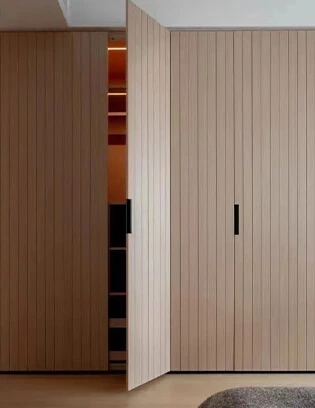
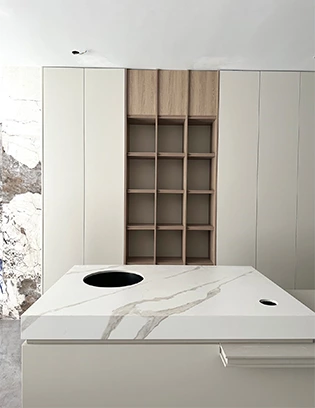
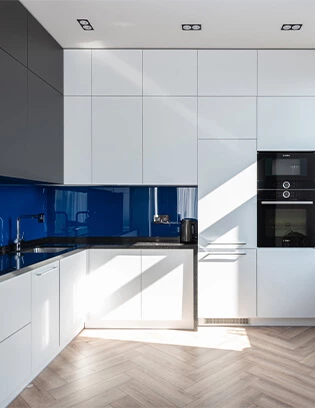
Nowadays, the prominence of curved elements in interior design is beyond question. Curved craftsmanship has emerged as a novel visual symbol, extensively applied across various styles of custom home products. This technique achieves a harmonious balance between curves and straight lines, especially when paired with wooden elements, offering a unique appreciation for the beauty of lines, artistry, and spatial aesthetics. Not only does it infuse the space with an artistic atmosphere, but it also highlights the homeowner's taste and pursuit of sophistication in home décor.
Curved furniture design is most successful when the arc has a clear purpose: easing a circulation route, softening a visual transition, creating a focal point, or improving the way cabinetry meets a wall. Rather than treating every curve as decoration, plan its radius, material, finish, lighting, and relationship to nearby straight lines before production.
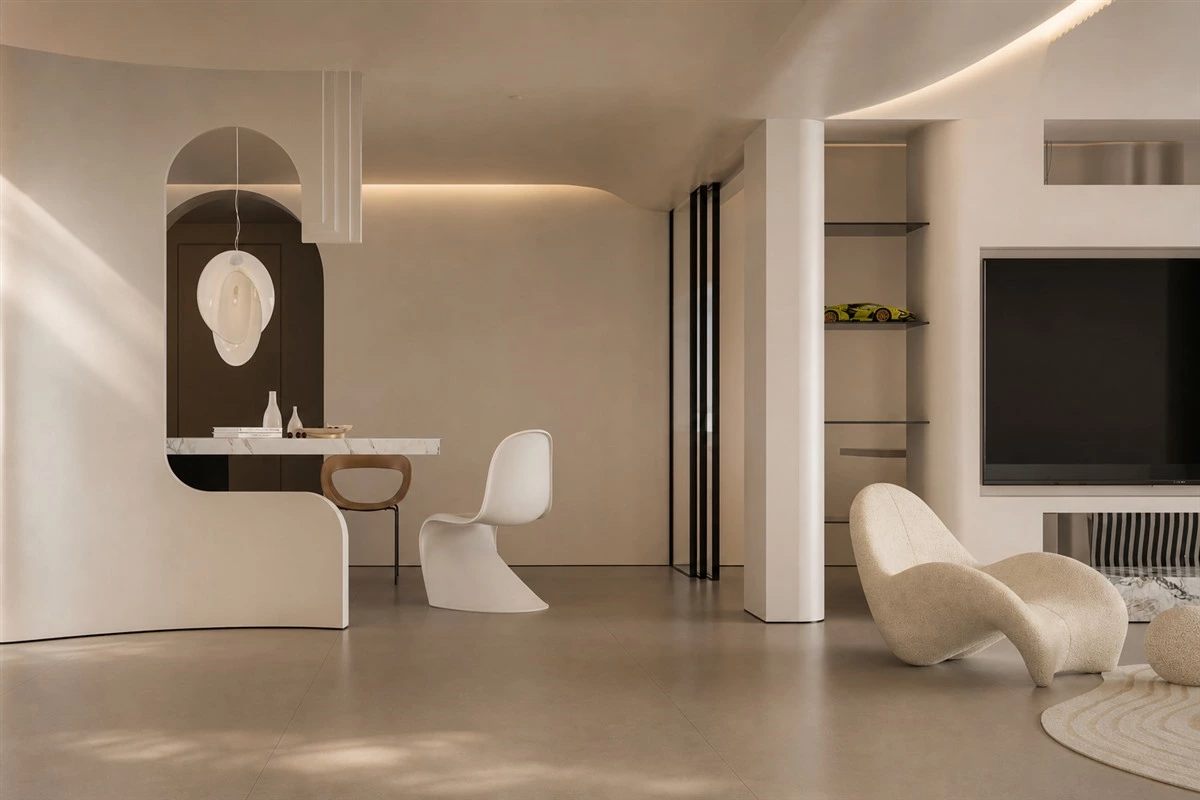
Advantages of Curved Design
Creating a Soothing Atmosphere: Traditional design styles often feature sharp edges and corners, which can create a sense of harshness and potential for collisions. The beauty of curves brings a softer ambiance to the space, providing a comfortable environment. Curves can also soften the edges of the space, bringing a sense of balance and harmony and providing a psychological sense of security.
In curved furniture design, the transition between straight and rounded components should look continuous from normal viewing positions. A small radius can appear crisp and contemporary, while a broad arc feels calmer and more architectural. Viewing distance, room scale, and lighting direction affect how strongly the curve is perceived.
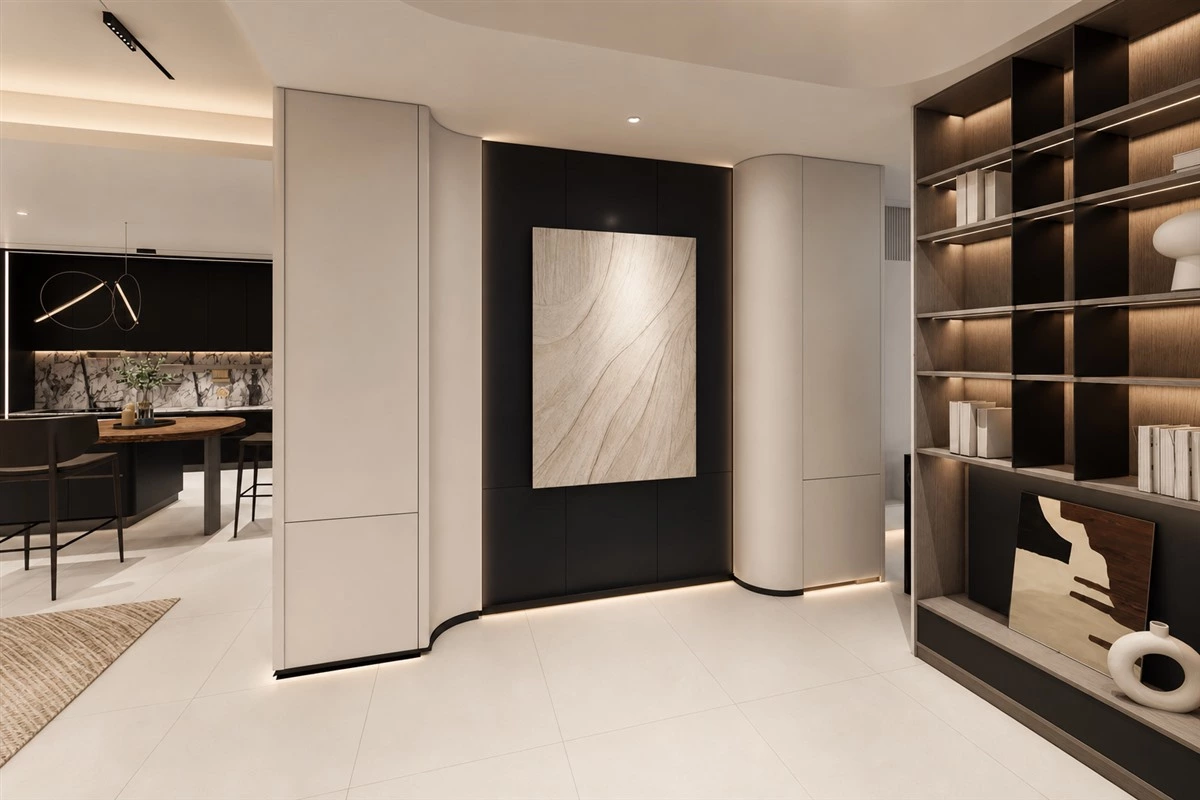
Enhancing Visual Height: Flowing curved designs, whether in horizontal or vertical orientations, have an excellent visual extension effect. Through the clever use of curves, the design subtly adjusts the space, allowing for a more relaxed and expanded visual experience.
Vertical arcs can guide the eye upward on tall cabinetry or wall panels, while a horizontal sweep can make a compact room feel wider. Curved furniture design should still preserve usable storage depth, door swing, and access to drawers or appliances.
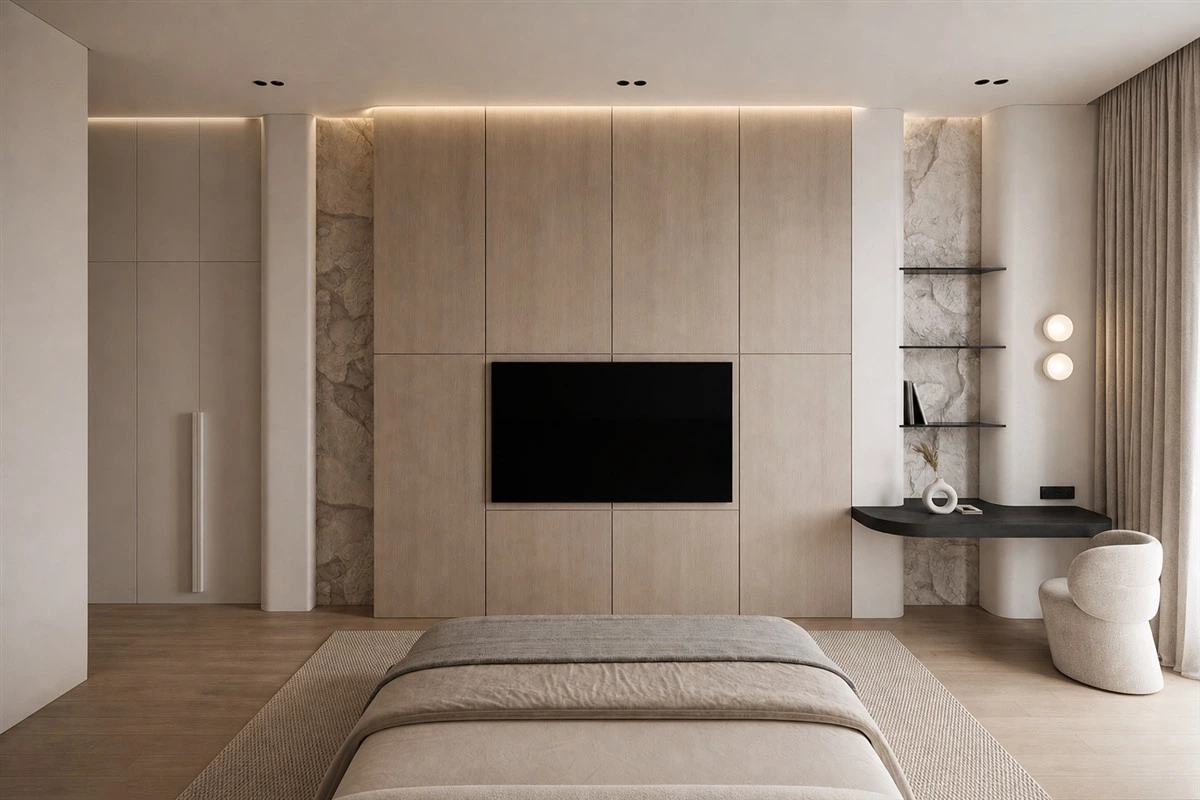
Building Artistic Aesthetics: Curves, arcs, and parabolas inherently possess a high level of artistic appeal and beauty, enhancing the artistic vibe of the space. These elements beautify otherwise monotonous structures, combining visual appeal with substance. The soft, flowing shapes offer a novel visual experience, instantly elevating the space's aesthetics and meeting the demands of modern, fashionable living.
Use samples to compare the curve in the actual finish. Veneer direction, lacquer sheen, edge banding, or solid-wood grain can make the same radius appear different under daylight and warm LED lighting. Coordinate the selected profile with the available door panel options before confirming production.
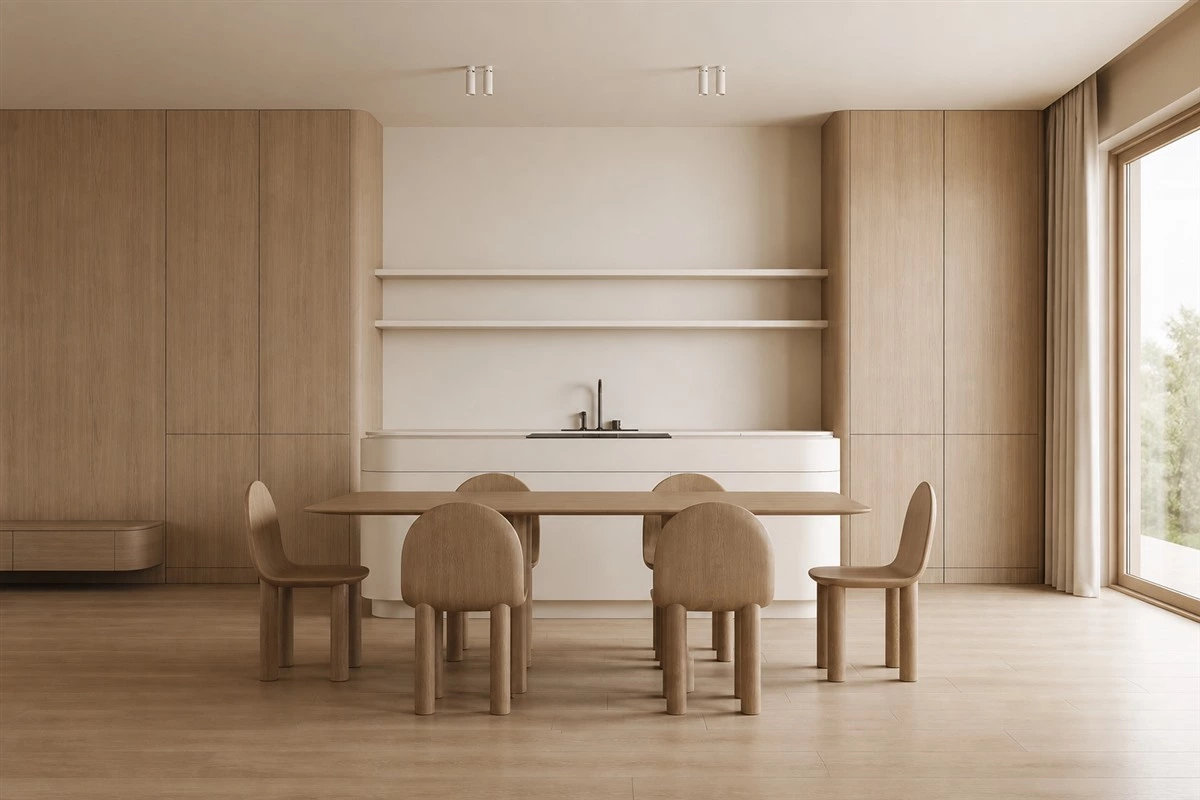
Ensuring Family Safety: Gentle curved designs reduce the risk of injury from sharp edges and corners, making the home safer and more user-friendly. This is especially beneficial for homes with elderly people or children, significantly reducing potential safety hazards.
A rounded edge can improve comfort in a circulation zone, but it must also be practical to clean and robust enough for its location. Confirm the edge profile, material thickness, and impact-prone areas on a full-size sample rather than relying only on a rendering.
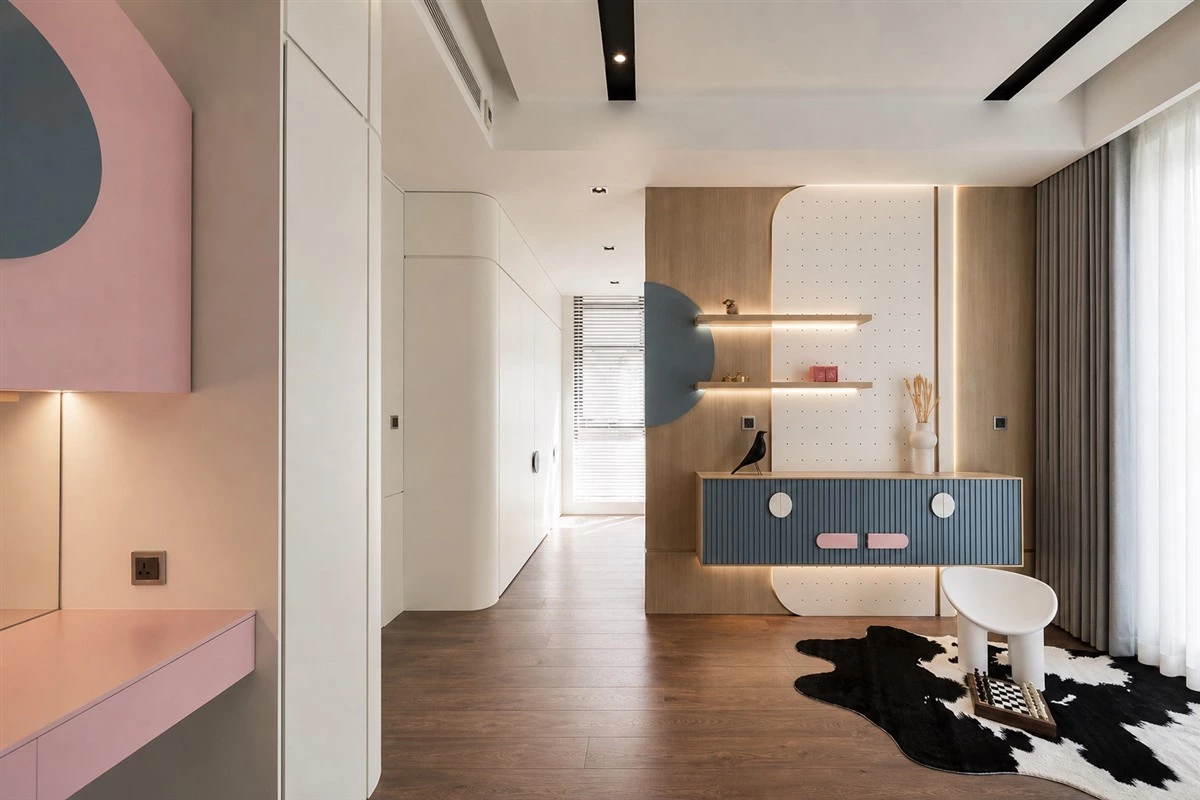
How Curved Elements Are Specified
Curved furniture design needs more than a radius note. The drawing package should identify the finished radius, substrate and thickness, veneer or surface direction, panel joints, structural support, fixing points, and hardware clearance. A curved end panel, for example, may need a different construction method from a curved door or a continuous wall-panel sweep.
- Radius and tolerance: Record the inside or outside radius and acceptable variation.
- Material build-up: Confirm whether the curve uses cold pressing, laminated layers, solid wood joining, or another approved method.
- Finish continuity: Approve a sample showing grain, seams, gloss, and any shadow gap.
- Function: Check hinges, drawers, shelves, handles, and adjacent doors against the final curved face.
Where composite wood is part of the specification, review the selected material documentation and applicable requirements. The U.S. EPA composite wood resources provide useful background on formaldehyde-related information. For project coordination, the Woodwork Institute also provides specification references for architectural woodwork; this does not imply certification for a particular supplier or project.
Applications of Curved Craftsmanship
Curved Corners: Traditional walls, doorways, and other structures often feature sharp, boxy corners that can feel harsh and visually jarring. Curved designs mitigate these harsh edges, providing a softer, more serene visual experience.
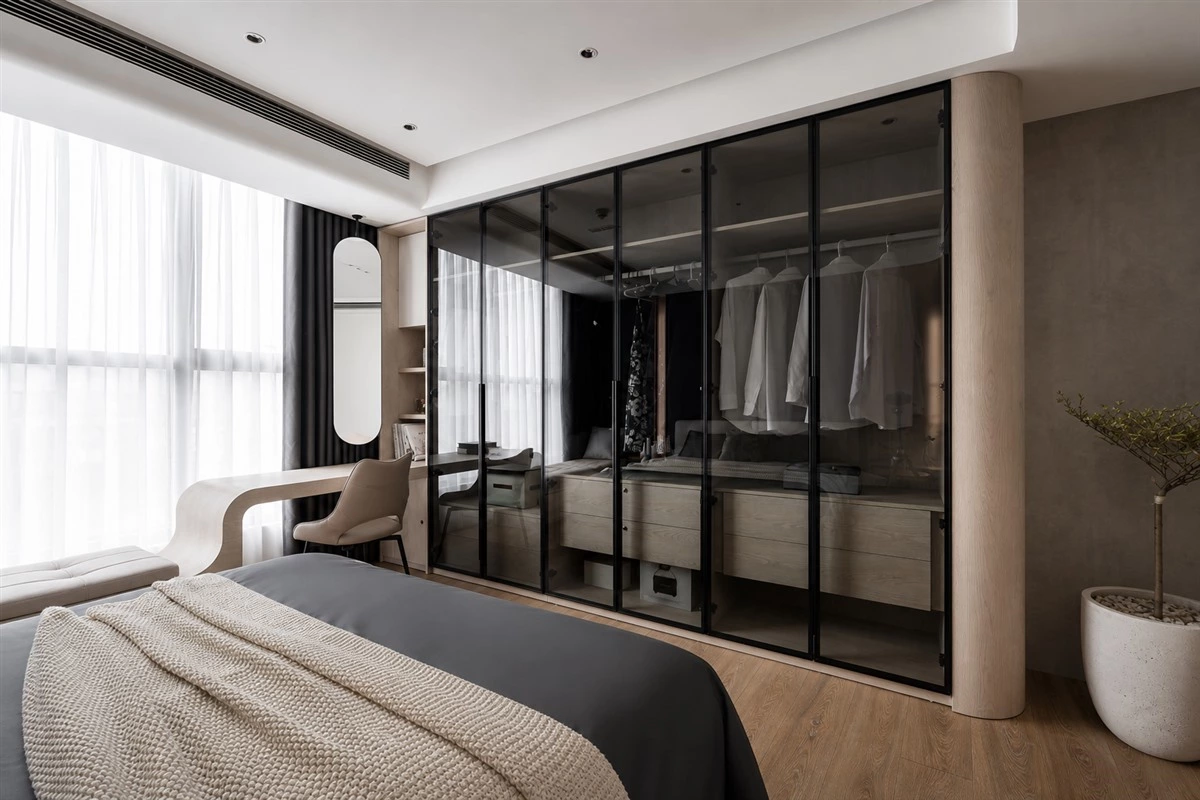
Curved corners work well at entries, island ends, hallway transitions, and prominent display units. Keep the radius consistent where the same curve repeats so the room reads as a coordinated system.
Cabinet with Curved Edges: The combination of curved edges and cabinet doors softens the sharpness of corners perfectly. The smooth curves not only enhance the aesthetic appeal of the home but also add warmth and comfort, creating an ideal living environment for homeowners.
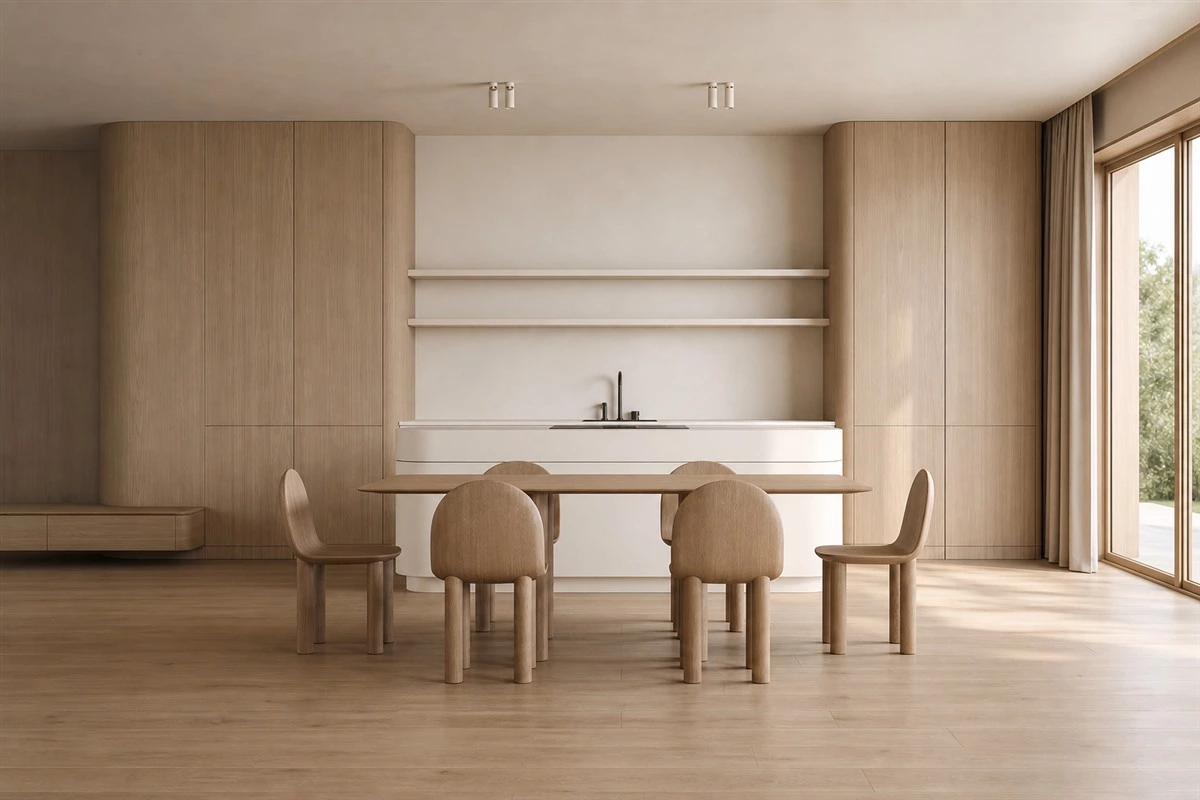
For cabinetry, confirm that the curve leaves enough space for handles, integrated pulls, and opening clearances. Review compatible components in the cabinet hardware guide before finalizing the detail.
Curved Wall Panels: When combined with custom wall designs, curved craftsmanship ensures smooth and flawless arcs through unique cold-press and solid wood joining techniques. This enhances the connection between different areas and amplifies the visual effect of the space, catering to personalized needs.
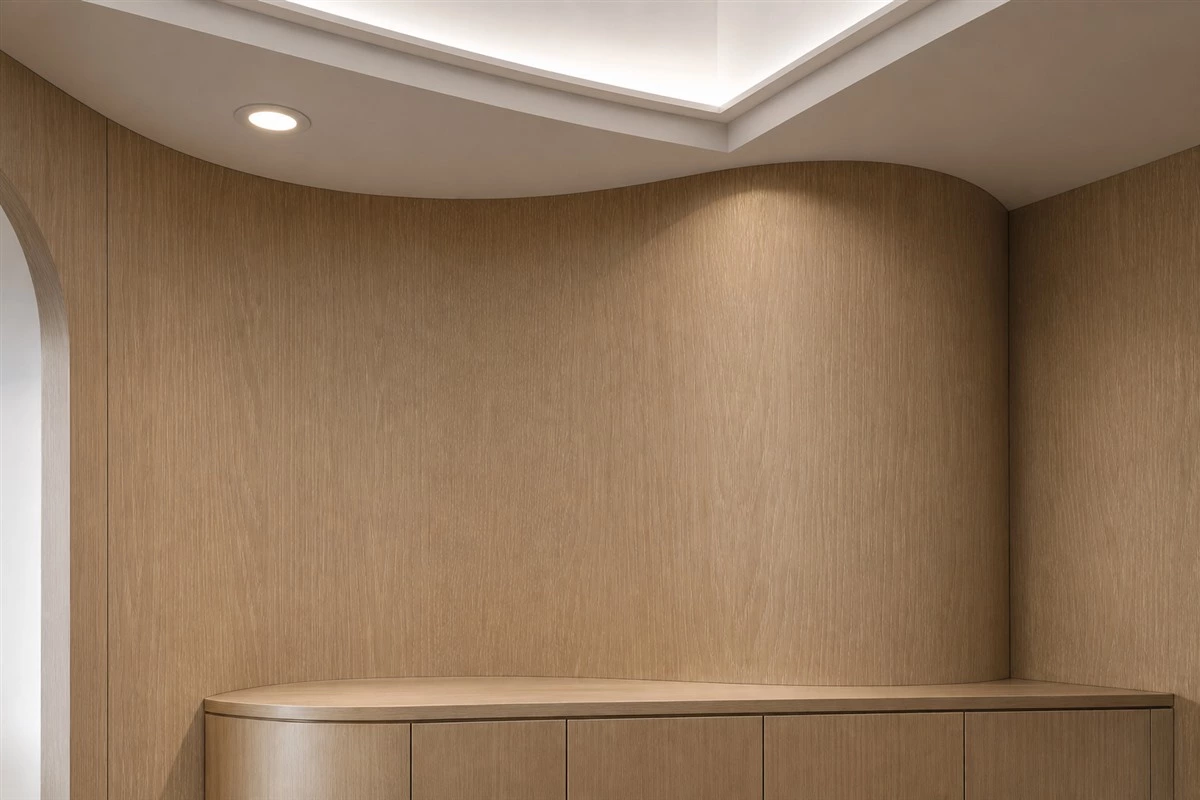
Curved wall panels can connect a living area, entry, or bedroom feature wall with whole-home cabinetry planning. Show every joint and termination on the elevation to avoid unexpected breaks in the finished arc.
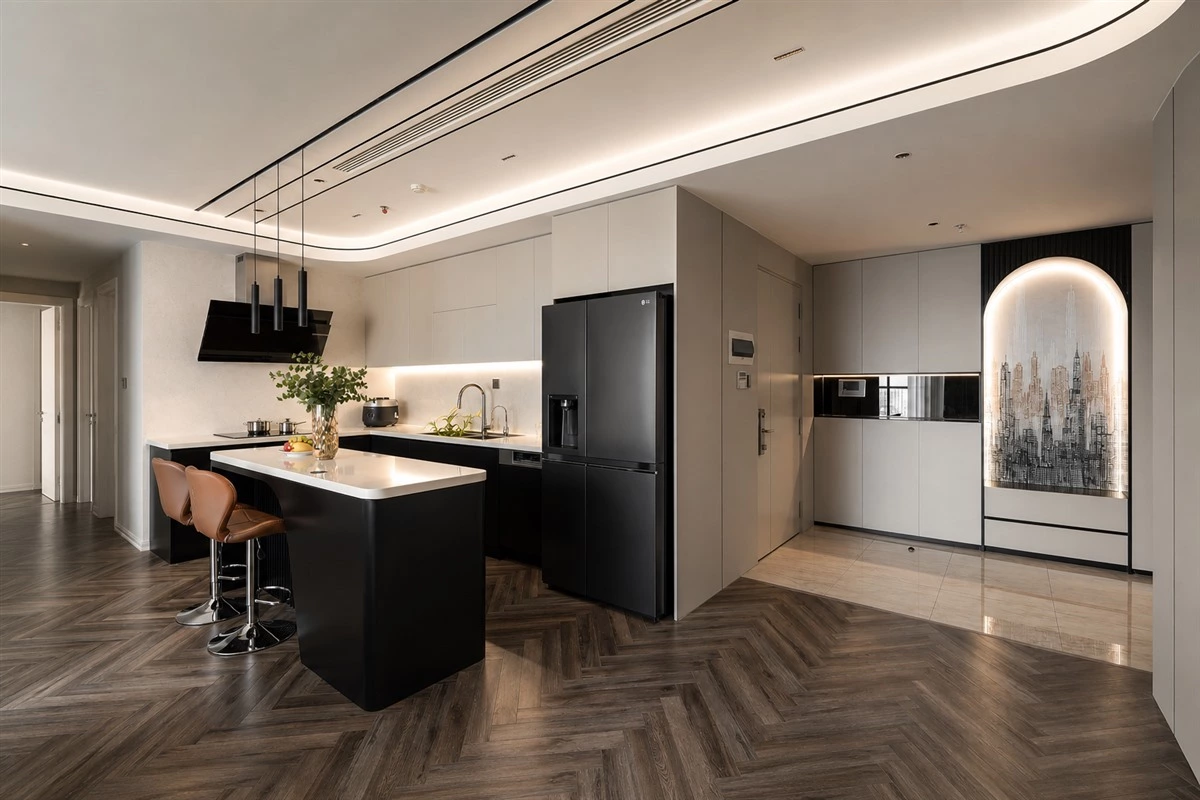
Arches: Arches are another application of curved craftsmanship, representing the perfect combination of simple form and substantial volume. This continuous curved form, endowed with timeless significance by many civilizations, can both separate and open up spaces, exuding grandeur.
Frequently Asked Questions
What is curved furniture design?
It is the planned use of rounded edges, arcs, radii, and continuous profiles in furniture, cabinetry, wall panels, and interior transitions.
Are curved cabinets more difficult to manufacture?
They usually require more detailed drawings, samples, material planning, and careful finishing than flat panels do, but the appropriate method depends on the selected radius and material.
Can curved elements be used in small rooms?
Yes. A carefully scaled arc can soften a tight circulation zone and create visual flow without adding unnecessary bulk.
What should be approved before production?
Approve the full-size sample, radius, material build-up, finish, joint locations, hardware clearance, and installation sequence.
Can curved wall panels use wood veneer?
Yes, provided the substrate, veneer direction, adhesive system, edge treatment, and finishing process are compatible with the specified radius.
Do curved cabinet edges improve safety?
They can reduce exposure to sharp corners, but the final safety and durability still depend on edge profile, material, fixing, and location.
How are curved panels joined to straight panels?
Use clear elevations and enlarged sections to define the transition, reveal, finish continuity, and tolerance at every joint.
Where do curves work best?
They are effective on cabinet ends, islands, wall panels, arches, entries, wardrobes, display units, and furniture in high-visibility areas.
Conclusion
Curved craftsmanship brings softness, flow, and an architectural focal point to custom interiors. Whether it appears in a cabinet edge, wall panel, arch, or feature furniture piece, curved furniture design works best when its visual purpose and construction details are considered together. Approve a full-size sample, coordinate hardware and finishes, and document each curve clearly before production.