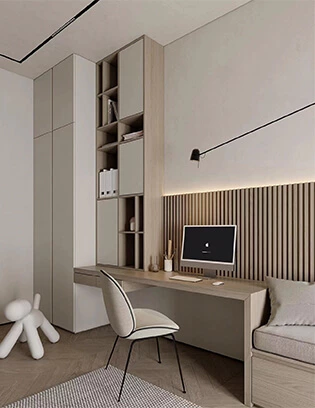
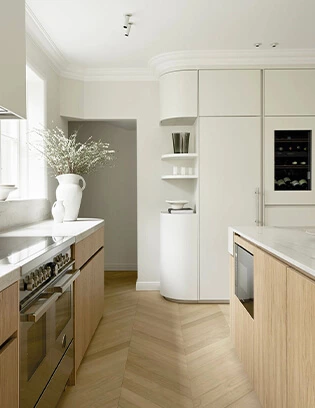
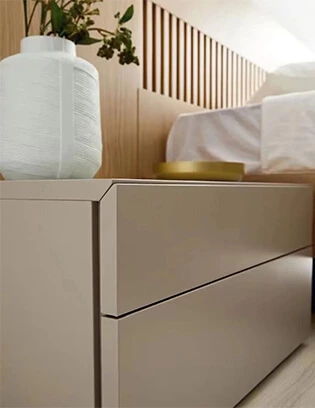
Accent wall bedroom ideas can add warmth, texture, and a stronger sense of proportion without overwhelming the room. Wall paneling gives homeowners a flexible way to introduce a feature wall, coordinate cabinetry and doors, or carry a finish from the wall toward the ceiling for a more complete interior composition.
Wall paneling, also known as wainscoting or wall cladding, serves not only to protect walls in home interiors but also has the potential to add charm and character and transform your home space. If you’re new to this, read on and get a little know-how to make your ideal wall panels.
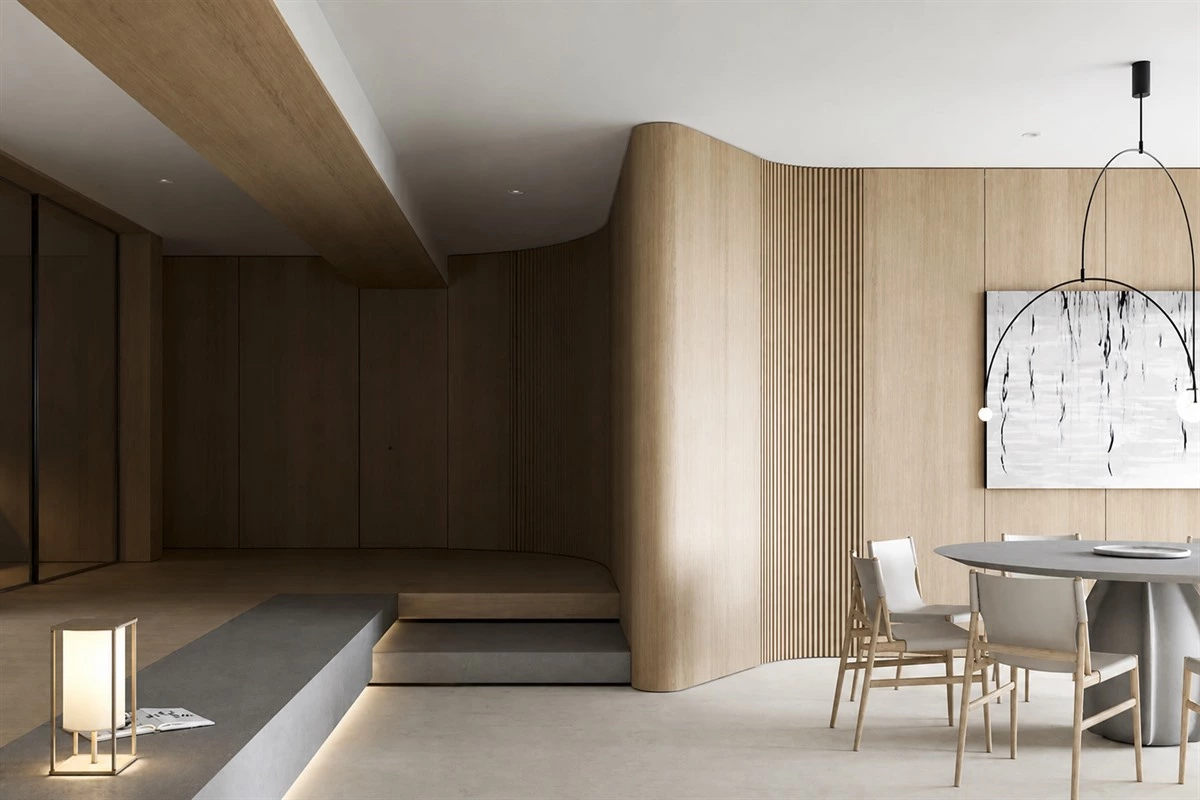
For beginners, the most important decision is not simply the color of the panel. Consider where the paneling will start and stop, how it relates to doors and cabinetry, the amount of natural light in the room, and whether the wall will be a quiet background or a stronger focal point.
Functions
Aesthetic Appeal: wall panelling boasts beautiful patterns and various connections, making it highly decorative. Among all wall materials, they stand out for their visual appeal.
Unified Style: Besides their basic decorative and protective roles, wall panelling excels at creating a seamless connection between different spaces, enhancing the overall design consistency. Depending on personal preferences, you can choose from various materials and patterns to create a visually pleasing and cohesive interior.
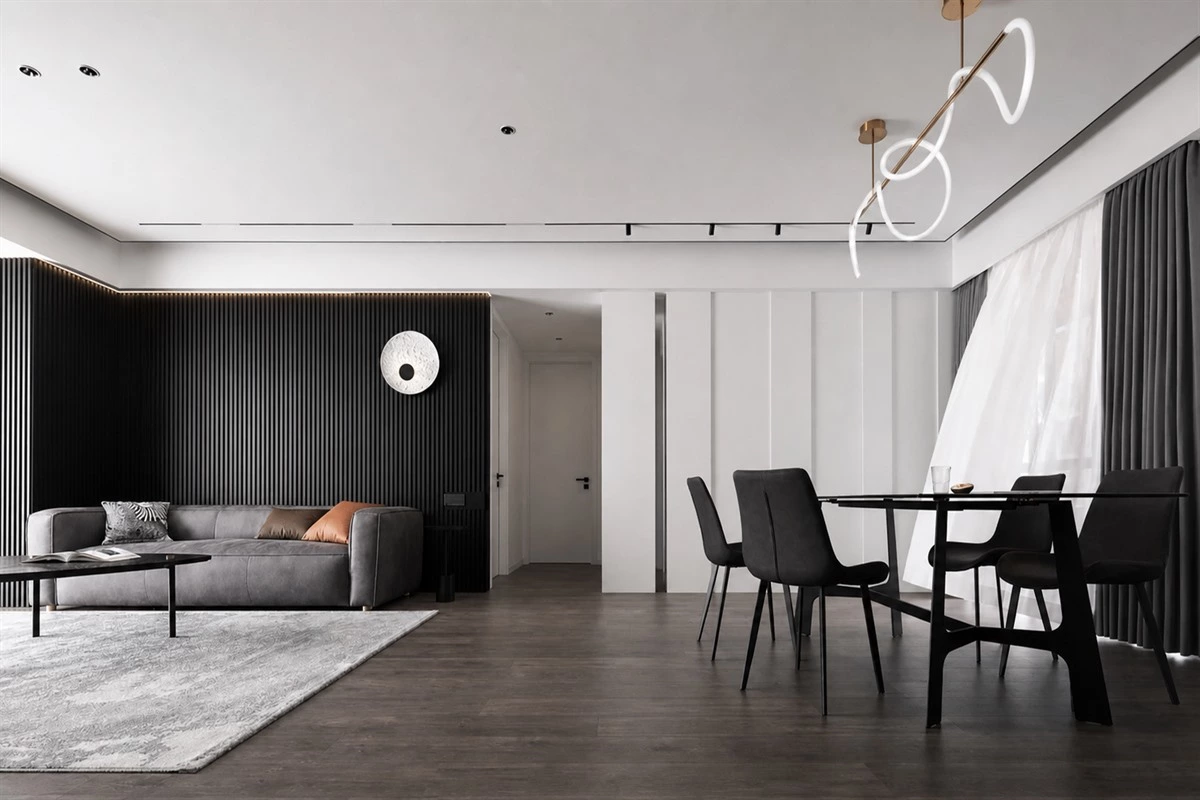
Ease of Maintenance: Compared to materials like wallpaper, tiles, or latex paint, wall panels are easier to maintain. Beyond their aesthetic charm, they offer benefits such as sound absorption, noise reduction, wear resistance, pest prevention, and thermal insulation. They are both durable and convenient.
For accent wall bedroom ideas, visual continuity is often the main benefit. Repeating a related wood grain, matte finish, or panel rhythm on a headboard wall, wardrobe side, or doorway can make the room feel intentionally designed rather than decorated with unrelated pieces.
Materials
Solid Wood Panels: Made from whole pieces of wood, these panels are highly durable, eco-friendly, and feature natural textures. They offer superior decoration compared to engineered panels but are costly and less commonly used.
Engineered Panels: Available in a wide variety, including plywood, particleboard, MDF, and chipboard, each with its own advantages and disadvantages. Plywood and particleboard are the most commonly used in wall paneling.
Stone-Plastic Panels: Composed mainly of stone powder, calcium powder, and PVC, these panels are dense and heavy, with a plastic-like texture. They are less environmentally friendly and relatively inexpensive.
Bamboo-Wood Fiber Panels: Made from foamed PVC, calcium carbonate, bamboo, and wood powder, these panels are lightweight and can mimic the texture of solid wood. They are a budget-friendly option for those looking for a more affordable alternative.
Material selection should be confirmed with the final location, panel size, finish direction, moisture conditions, and expected maintenance routine in mind. For materials used in custom interior projects, explore ALLURE’s raw materials resources before selecting a final panel system.
Where composite wood products are part of a project, the U.S. Environmental Protection Agency’s formaldehyde information is a useful general reference. This does not indicate that a specific product has a particular certification; project requirements should always be confirmed separately.
Wall Panel Designs
Full-Wall Coverage: This design involves covering entire walls, making it ideal for large spaces like living rooms and bedrooms. It can be used for feature walls, TV walls, and headboard walls, with the design and material chosen based on the overall style.
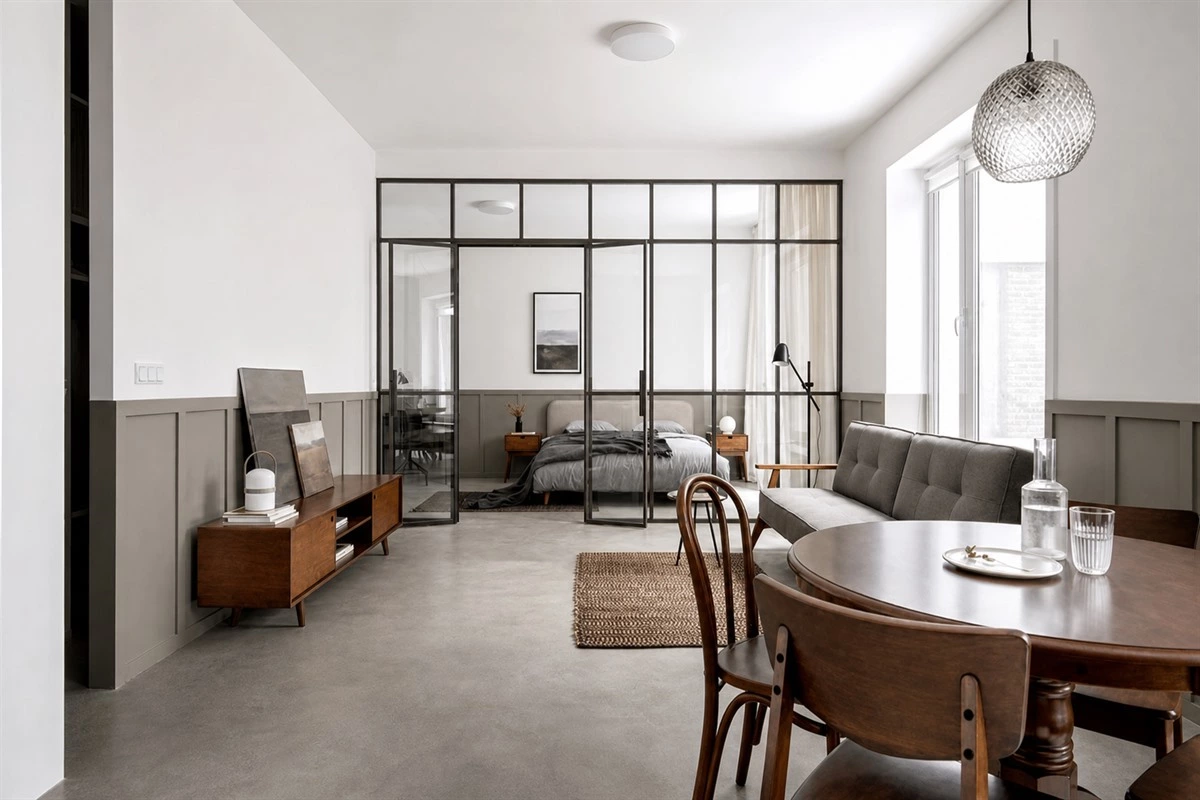
Wainscoting: Also known as half-wall paneling, this design covers the lower part of the wall, often with a decorative trim or molding at the top. It adds visual interest and detail to the space.
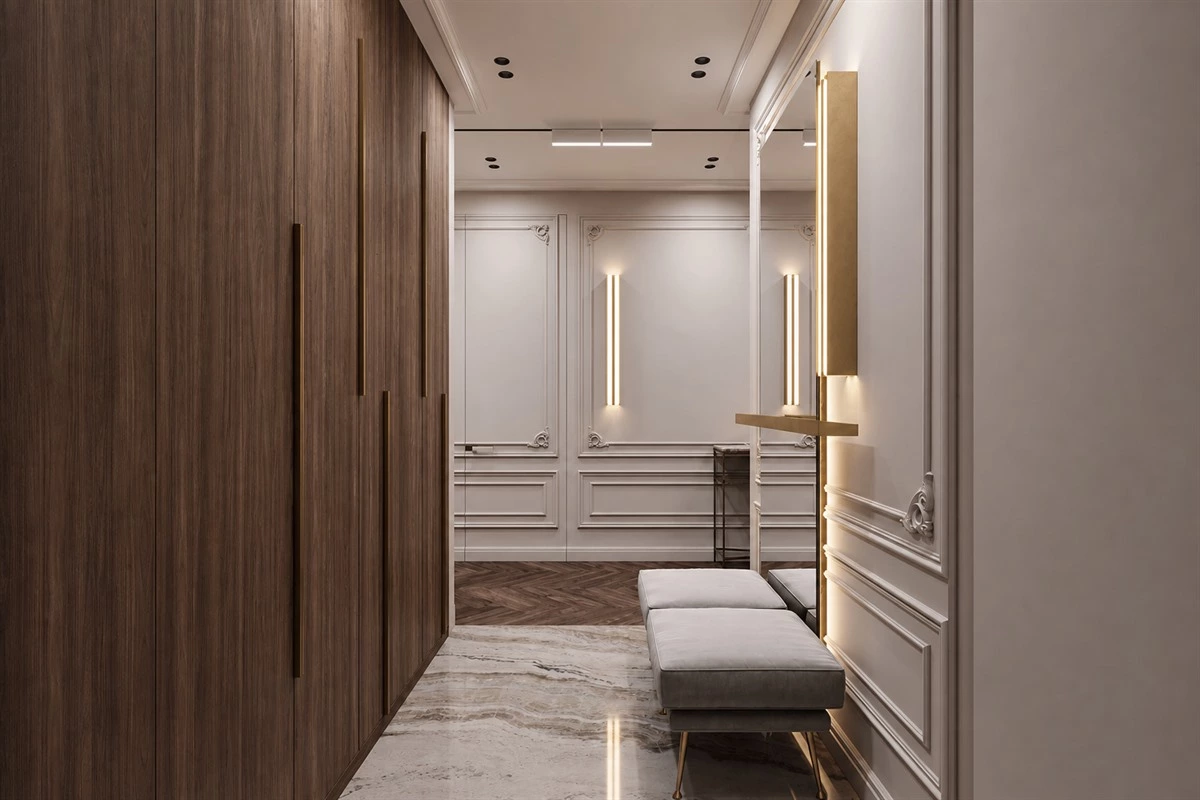
Framed Designs: Background walls can be decorated with frames, which can include relief designs, and are directly installed on the wall. This not only protects the wall but also creates an opulent European-style look.
Full-wall coverage, wainscoting, and framed details create very different effects. Full coverage can make an accent wall bedroom feel calmer and more architectural, while wainscoting can add detail without covering the entire wall. Framed designs are more decorative and generally work best when the surrounding room is kept relatively simple.
Planning Accent Wall Bedroom Ideas Before Installation
Before approving a wall panel design, review the complete elevation instead of looking at the panel in isolation. Mark the bed position, wardrobe ends, power points, switches, lighting, skirting, and door openings. This helps prevent a panel seam or trim line from falling awkwardly behind furniture or across a visible feature.
- Choose the focal wall: A headboard wall is often a natural choice, but a wall behind a desk, dressing area, or reading corner can also work.
- Keep the scale appropriate: Large panels may make a small room feel calmer, while narrow repeated panels can add rhythm in a taller room.
- Coordinate the finish: Confirm whether the wall panel will match, contrast with, or transition into the wardrobe and door finish.
- Plan lighting early: Wall washers, bedside lighting, and LED details should be considered before the panel layout is finalized.
- Use samples: Review the material, color, edge detail, and joint treatment under the room’s actual lighting conditions.
For related bedroom storage and finish coordination, view ALLURE’s custom bedroom solutions. A unified approach can help the wall, wardrobe, bedside storage, and study area work as one composition.
Applications
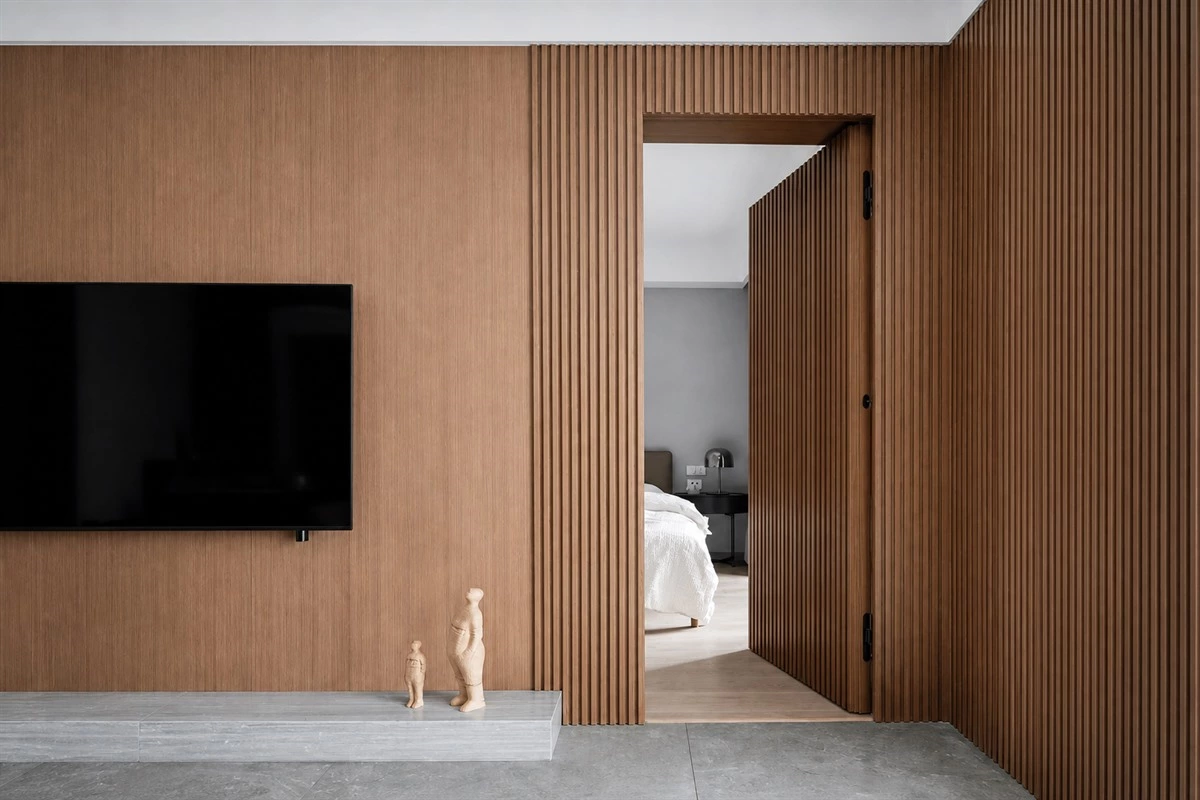
Integrated with Hidden Doors: Wall panels can seamlessly conceal doors, a technique often used in minimalist designs to create a streamlined, continuous decorated wall surface.
When an accent wall bedroom includes a hidden door, the panel rhythm, handle solution, reveal lines, and door swing should all be confirmed together. ALLURE’s interior doors and wall panels can provide useful reference points for coordinating the two elements.
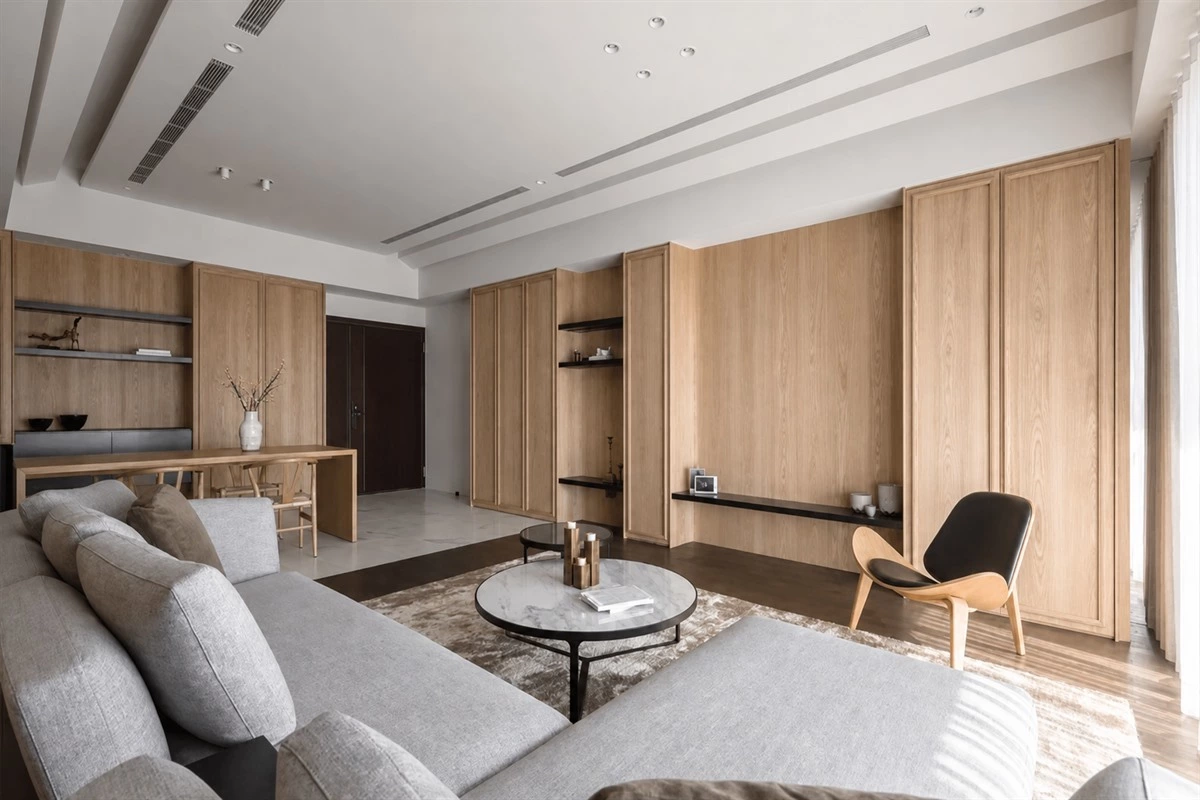
Combined with Custom Cabinets: Either match the cabinet finish with the wall panel for a cohesive look or use the same material for cabinet doors as the wall panels, blending them into the wall similar to a hidden door design.
Integrated with Ceilings: To create a more cohesive space, wall panels can be extended to the ceiling, unifying the overall design.
Wall panels can also connect a bedroom to the wider home design. Coordinating related finishes through a whole-home cabinet plan can create smoother transitions between bedrooms, hallways, living areas, and integrated storage.
Assembly Methods
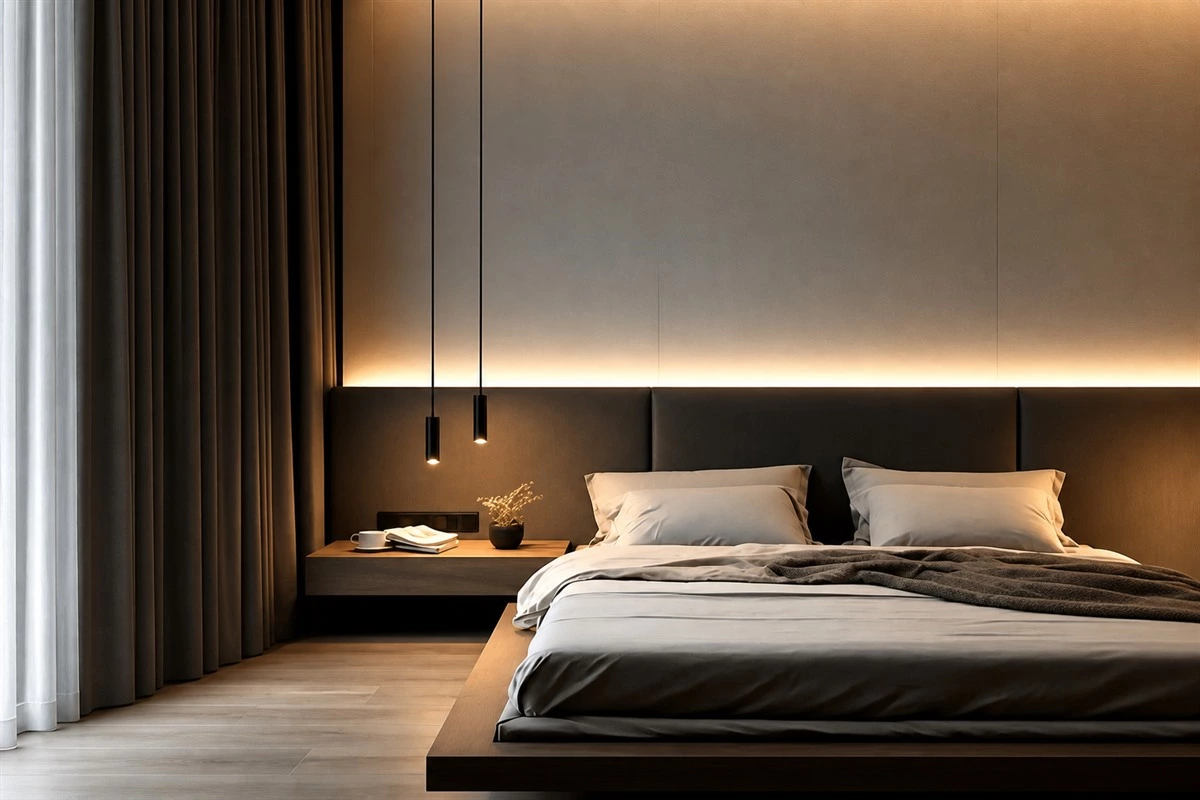
Seamless Joint: Wall panels are installed across the entire wall with nearly invisible seams, giving the impression of a whole, continuous surface. This design choice emphasizes the room’s spaciousness and openness, making it particularly suitable for larger areas. However, avoid using panels with overly dense patterns in seamless designs, as they can make the wall appear cramped and overwhelming.
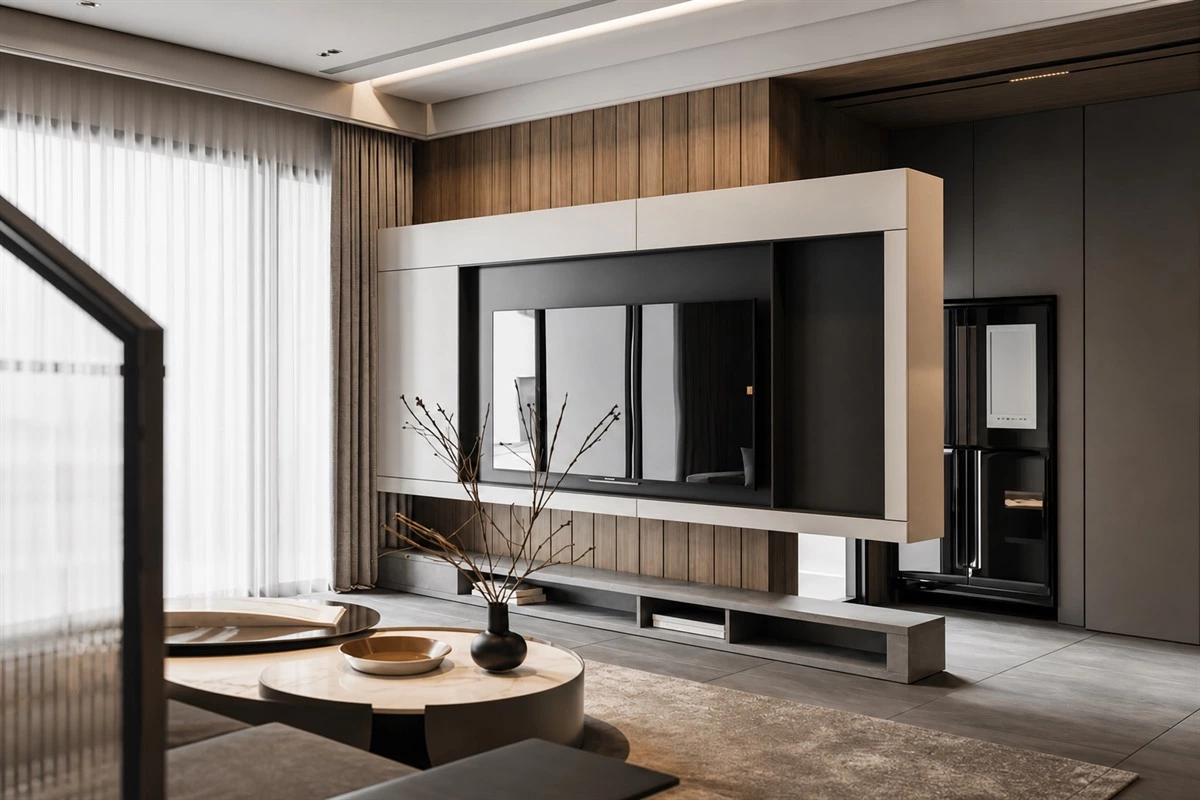
Gap Joint: A deliberate gap of 2- 3 mm is left between the panels during installation. This adds a sense of structure to the wall, emphasizing symmetry or aesthetic harmony.
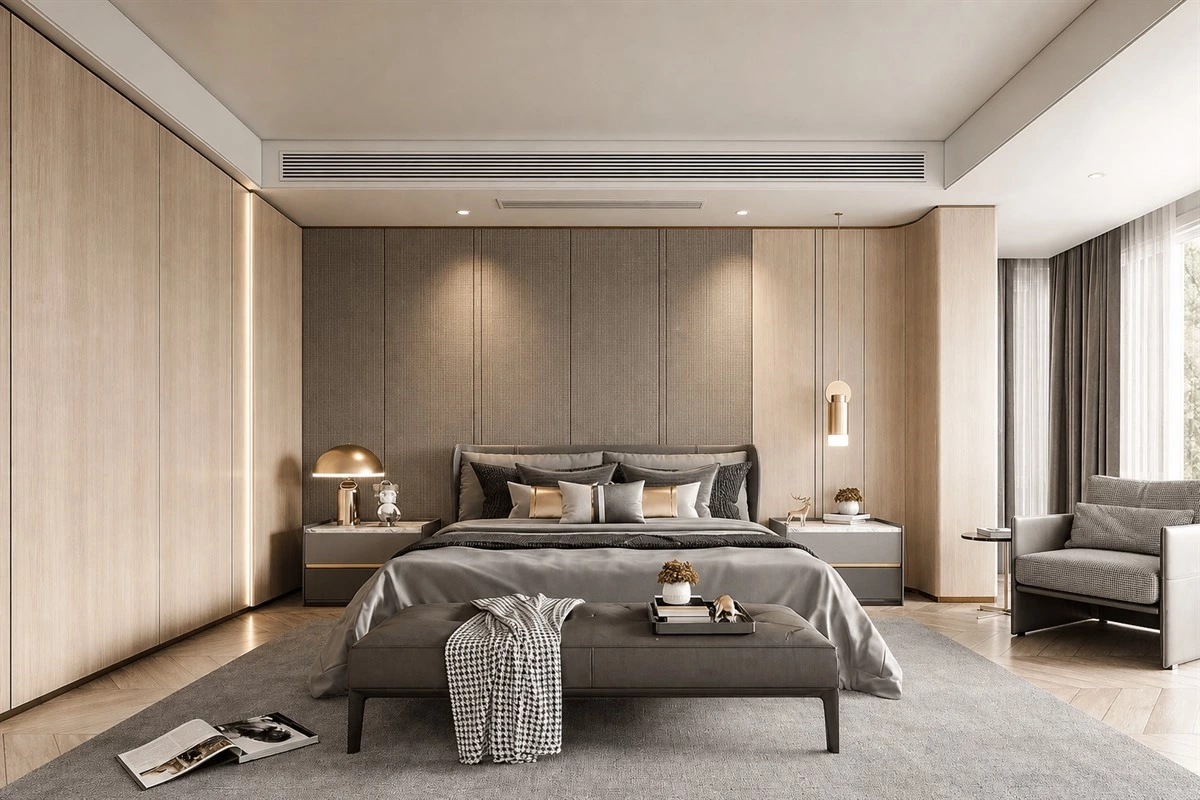
Mixed Assembly: Wall panels can be mixed with other materials like metal, marble, latex paint, wallpaper, or light strips, adding layers and visual interest to the space, creating a unique design style.
Joint choice should support the intended style. Seamless joints make a wall read as one surface, while gap joints introduce a controlled shadow line and visual rhythm. Mixed assembly can create contrast, but the number of materials should be limited so the wall remains coherent.
For general industry information on architectural woodwork and finish coordination, the Woodwork Institute is a useful reference resource when discussing detailed interior elements with a designer or contractor.
Frequently Asked Questions About Accent Wall Bedroom Ideas
What is the best wall for an accent wall bedroom?
The wall behind the bed is often the most natural option because it is already a visual focal point. A desk wall, dressing wall, or reading corner can also work when it has a clear purpose in the room.
Is wall paneling suitable for a small bedroom?
Yes. Use a restrained color palette, a simple panel rhythm, and proportionate panel sizes. Overly dense patterns or too many competing finishes can make a small room feel busy.
What is the difference between full-wall paneling and wainscoting?
Full-wall paneling covers most or all of the wall height. Wainscoting covers the lower portion of the wall and is usually finished with a trim or molding at the top.
Can an accent wall bedroom include a hidden door?
Yes. Matching the door finish and panel layout can help the door blend into a continuous wall surface. The opening direction, handle solution, and reveal lines should be planned before installation.
Which material is best for wall paneling?
The suitable material depends on the desired finish, panel size, project requirements, maintenance expectations, and installation conditions. Finished samples are useful before final approval.
Do wall panels need visible gaps?
Not always. Seamless joints create a continuous surface, while visible gap joints create a more structured shadow line. The choice should match the intended design style.
Can wall panels match custom wardrobes?
Yes. Using matching or coordinated finishes on wardrobe doors and wall panels can create a more integrated bedroom design.
Can wall paneling extend to the ceiling?
Yes. Extending the material upward can create a more cohesive look, especially in spaces where the wall is intended to act as an architectural feature.
Are mixed-material wall panels difficult to plan?
They require careful coordination because each material has its own thickness, edge condition, and lighting response. A complete elevation drawing and sample review can help prevent awkward transitions.
How can I keep an accent wall bedroom timeless?
Use a restrained base finish, avoid overly trend-driven patterns, and let smaller elements such as bedding, artwork, and accessories provide easier-to-change color and personality.
Conclusion
Accent wall bedroom ideas are most effective when wall paneling is treated as part of the room’s complete design rather than as an isolated decoration. Material choice, panel scale, joint treatment, lighting, cabinetry, and door details all influence the final result.
For a beginner, a simple and well-coordinated wall panel system is often more successful than a complex composition. Start with the function of the wall, confirm the material and joint details through samples, and coordinate the paneling with the surrounding furniture for a calm, cohesive interior.