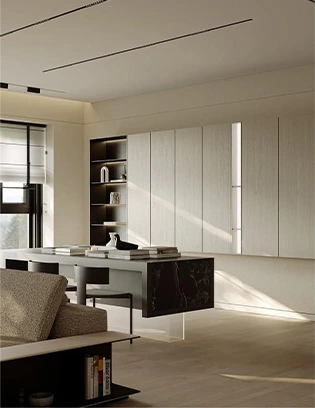
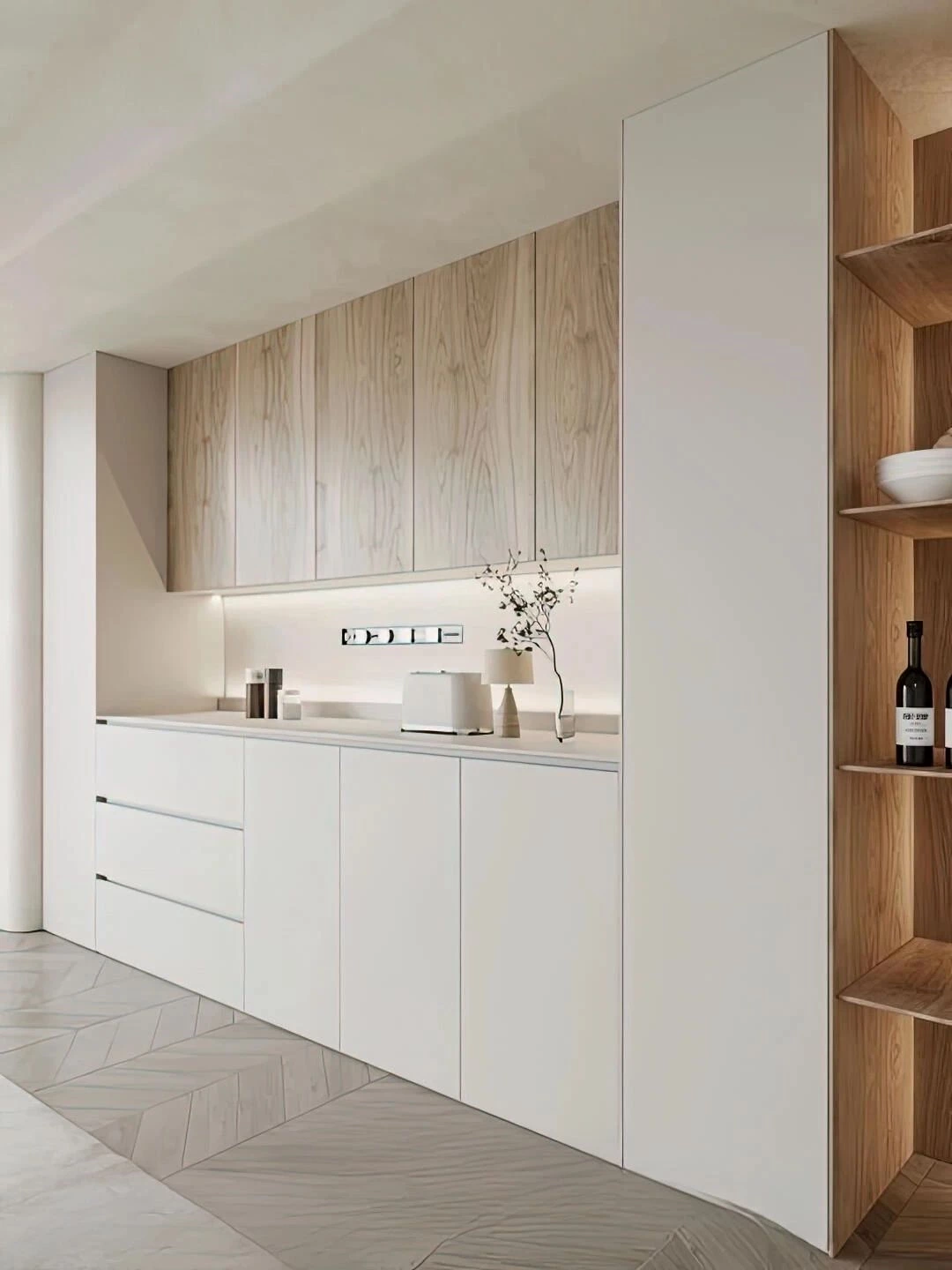
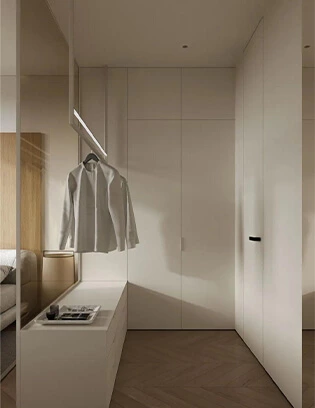
Custom cabinets are more than just boxes that hold things—they’re architectural tools that shape how your home looks, feels, and functions. While many homeowners focus on color or door style, it’s often the smaller design decisions that determine whether your cabinetry feels truly elevated. Here are 5 overlooked yet powerful cabinet design details that make a lasting impact—and how to get them right.
The most useful custom cabinet features improve both the visible design and the way a room works every day. A well-planned storage detail, hardware choice, opening method, or lighting layer can reduce clutter, improve access, and make a cabinet system feel more connected to the rest of the home.
Concealed Storage Is the New Luxury
Minimal, high-end spaces have one thing in common: visual calm. And that calm often comes from hiding everyday clutter. When designing custom cabinetry, prioritize internal organization as much as exterior style.
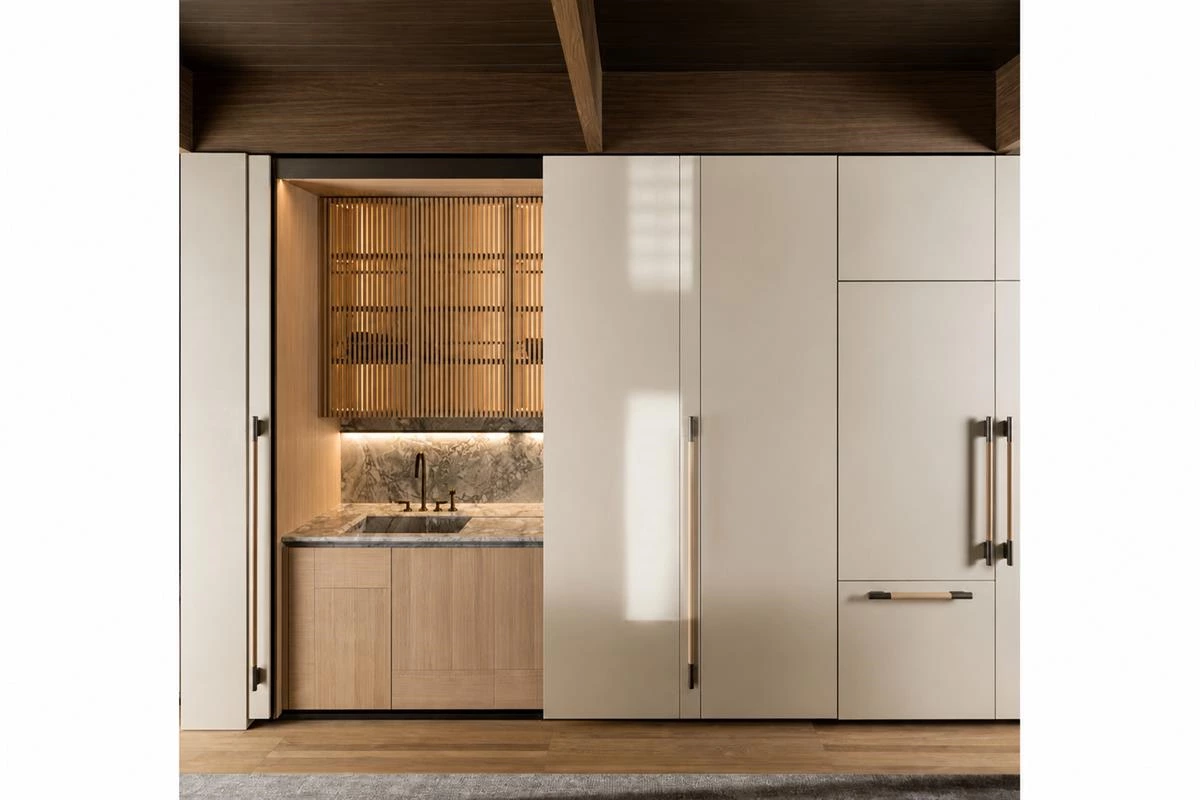
Instead of open shelves for everything, consider deep drawers with built-in dividers for utensils, spices, and containers. Use toe-kick drawers at the base of cabinets to stash flat items like baking trays or cutting boards. Add narrow pull-outs beside ovens to store oils and condiments vertically, making them easily accessible while hidden from view.
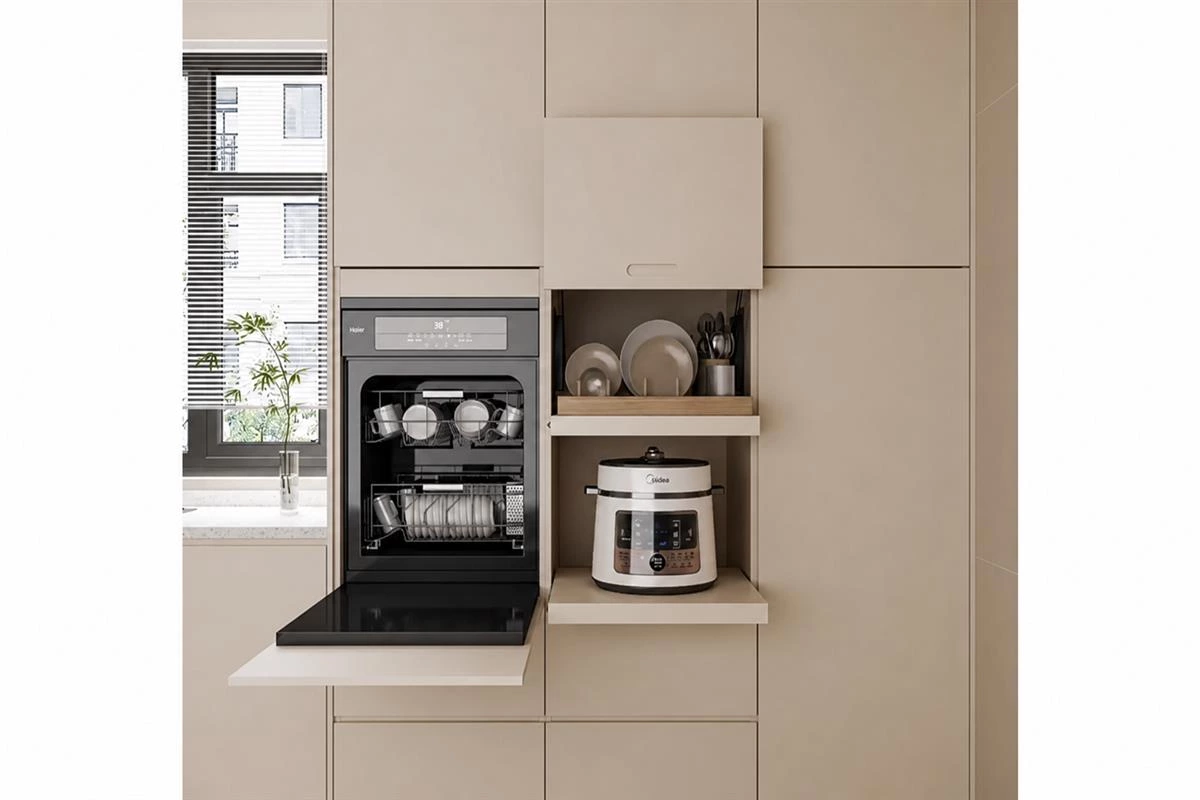
One clever feature in modern cabinetry is the flip-up appliance garage—a countertop-level cabinet with a lift-up door that hides your coffee machine, toaster, or blender when not in use. It keeps your counters clean without sacrificing convenience.
Concealed storage works best when daily-use items remain close to the zone where they are needed. For additional ways to make storage work harder, explore these home storage ideas.
The Right Hardware Finishes Everything
Hardware is often the only part of the cabinet you physically interact with, so it deserves careful selection. Well-designed pulls and knobs are both tactile and visual elements. While it might seem minor, poor hardware—flimsy, poorly attached, or mismatched—can undermine an otherwise beautiful kitchen.
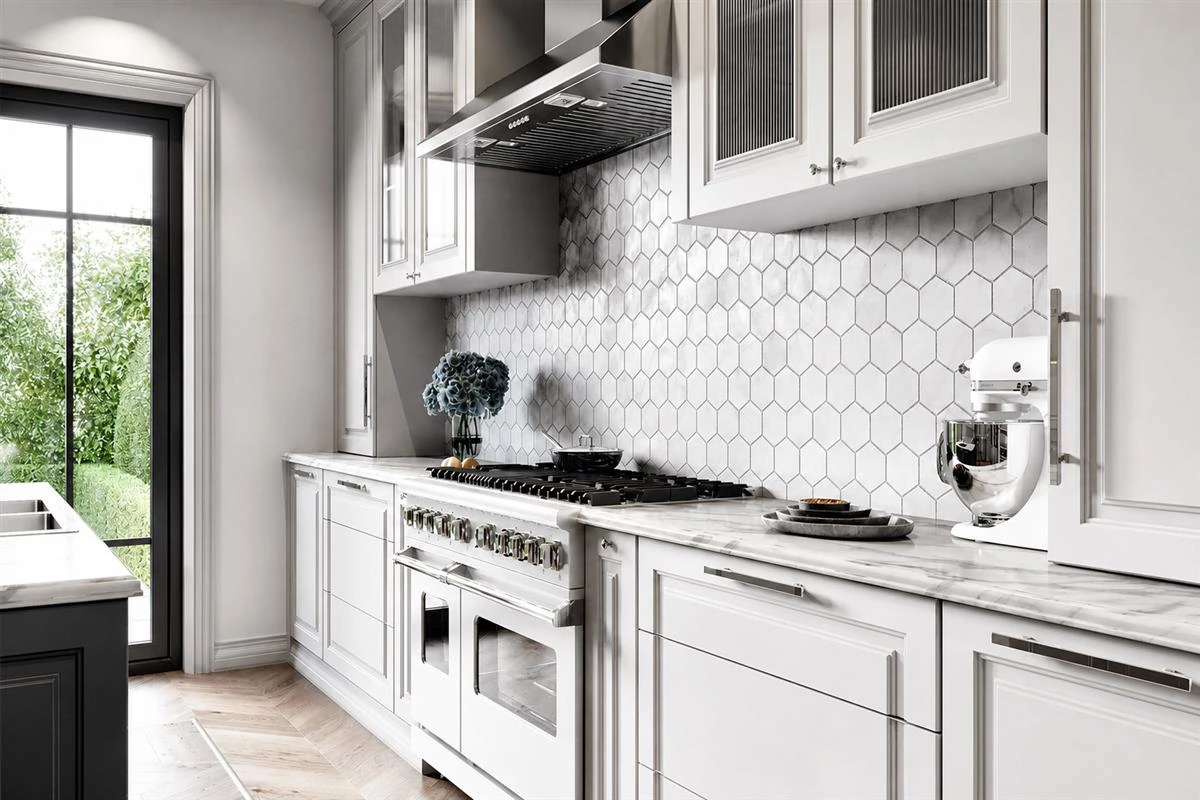
Choose hardware with a solid, weighty feel. Brushed brass handles can warm up cool-toned cabinets, while matte black creates a sleek, modern contrast against white or woodgrain finishes. Integrated edge pulls (minimal finger grooves carved into the cabinet) offer a clean, handle-free look for ultra-modern interiors.
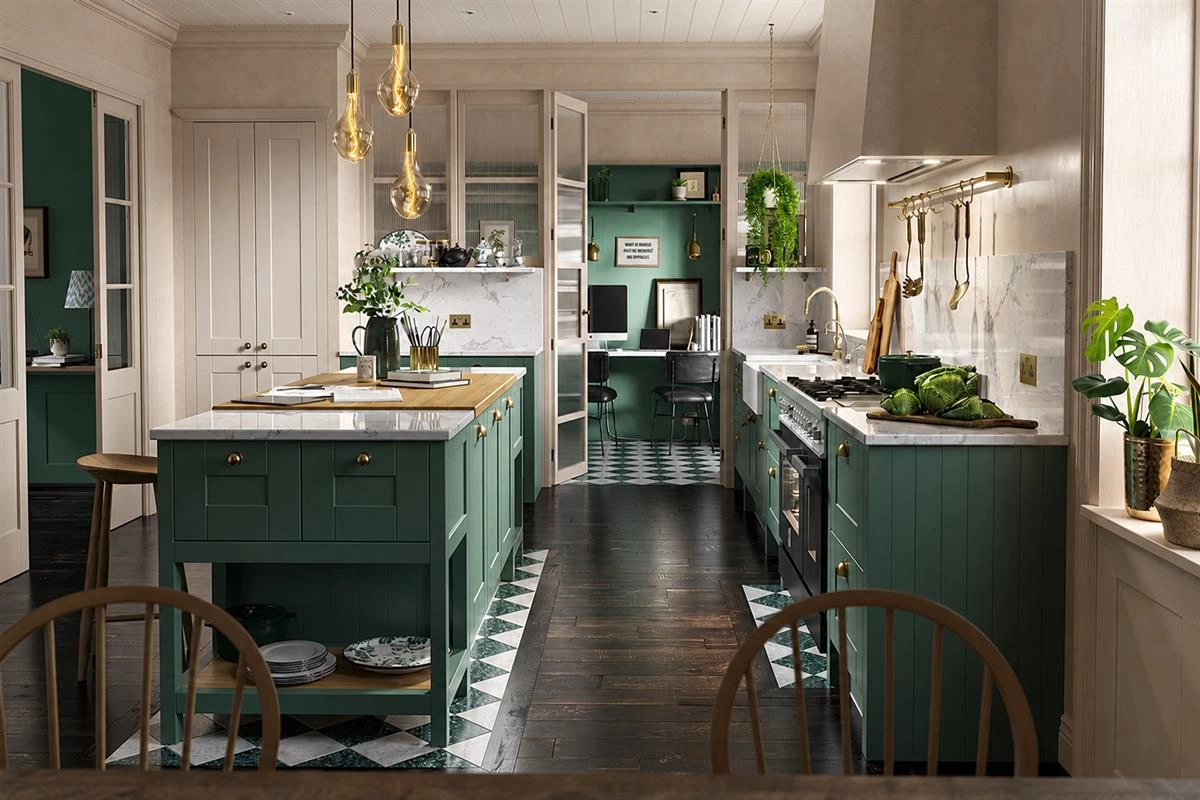
If your cabinet design leans classic, consider using knobs on upper cabinets and coordinating pulls on drawers below. This gives variety while maintaining cohesion. Also, opt for soft-close hinges and full-extension drawer glides—they’re the kind of detail people notice after they use your kitchen.
Hardware should be selected alongside the door finish, opening direction, and how often each cabinet is used. A simple, consistent handle plan can make an entire elevation feel more intentional.
Floating or Slim-Leg Base Cabinets for Visual Lightness
Base cabinets often dominate the room, especially in smaller kitchens or living areas. Traditional boxy designs that rest heavily on the floor can make a space feel crowded and heavy. To counteract that, consider elevated designs.
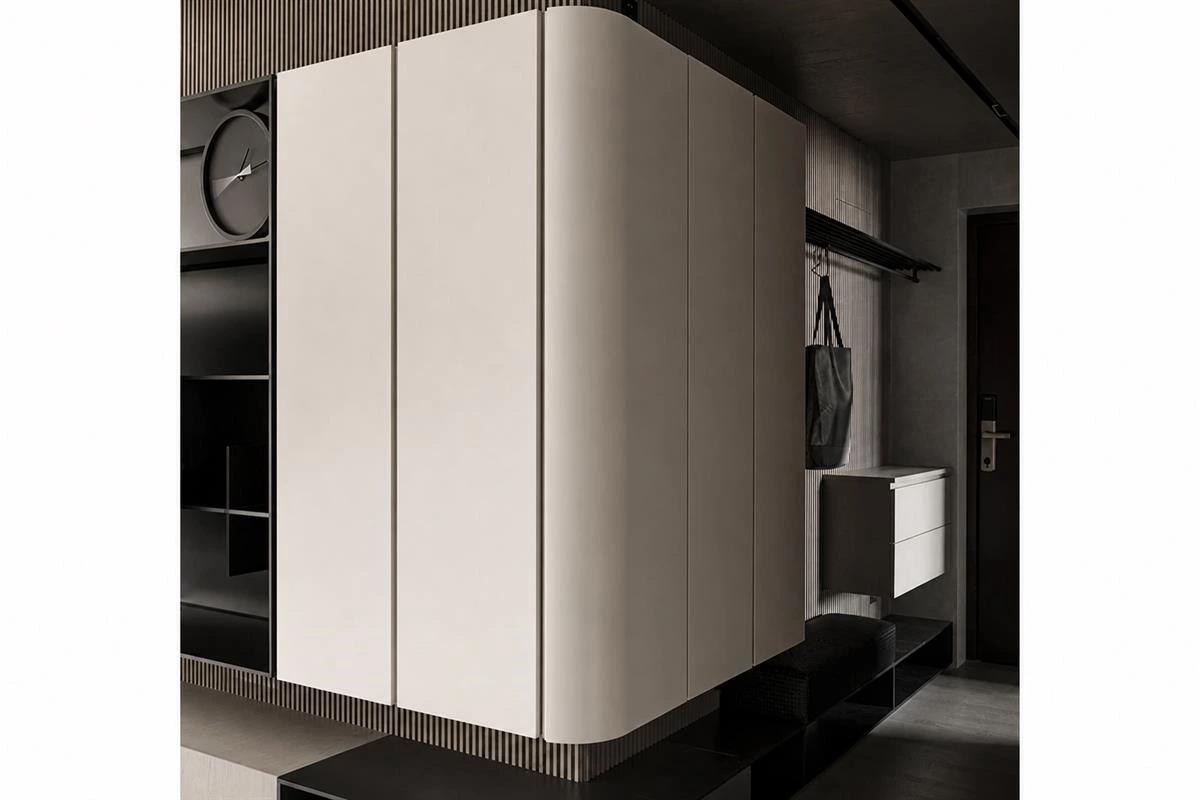
One option is floating cabinets, which are wall-mounted with a visible gap beneath. Often used in bathroom vanities or mudroom benches, they work beautifully in minimalist kitchens as well. Floating base units create a sense of openness, especially when paired with continuous flooring and under-cabinet lighting.
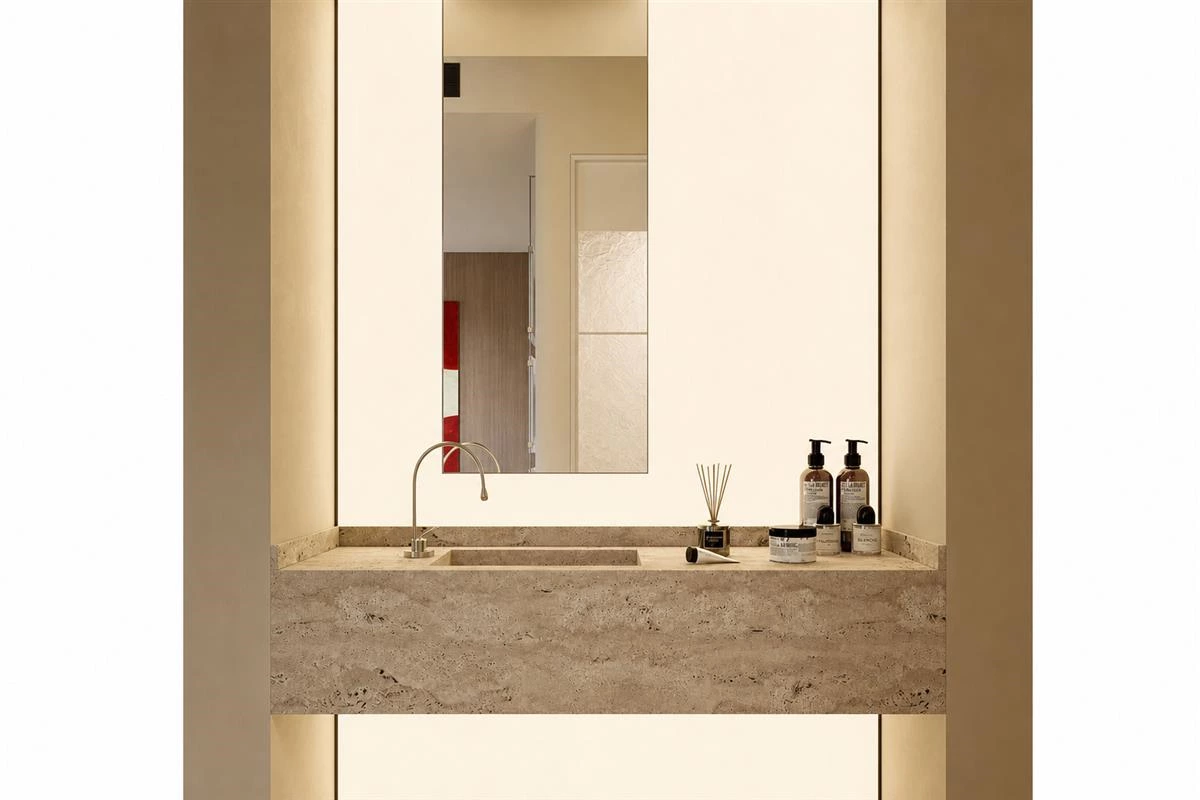
Alternatively, cabinet legs—especially slim metal or tapered wood styles—can introduce a mid-century modern aesthetic while allowing light and air to pass through. This approach is ideal in entryways, living room consoles, or compact kitchenettes.
Elevated cabinetry is particularly effective where continuous flooring is a visible part of the room design. Before confirming a floating unit, ensure the supporting wall, cabinet load, and fixing method are considered in the final drawings.
Mix Open and Closed Storage with Intention
A common design mistake is going to either extreme: all open shelving or fully closed cabinetry. Both have merits, but it’s the balance between them that creates a dynamic and livable space.
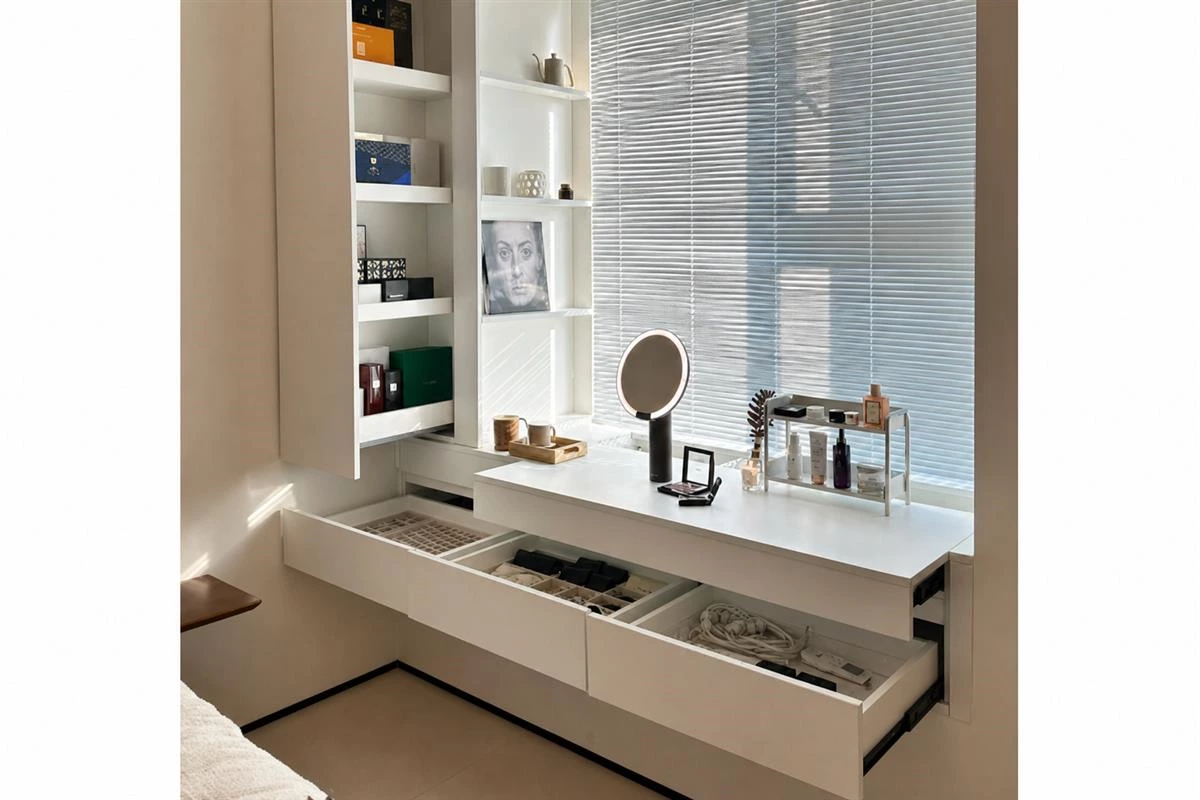
Use closed cabinetry for the bulk of storage—everyday items like dishes, food containers, and cleaning supplies. Reserve open shelves or glass-front cabinets for curated items: a stack of neutral ceramics, a sculptural bowl, or beautiful stemware.
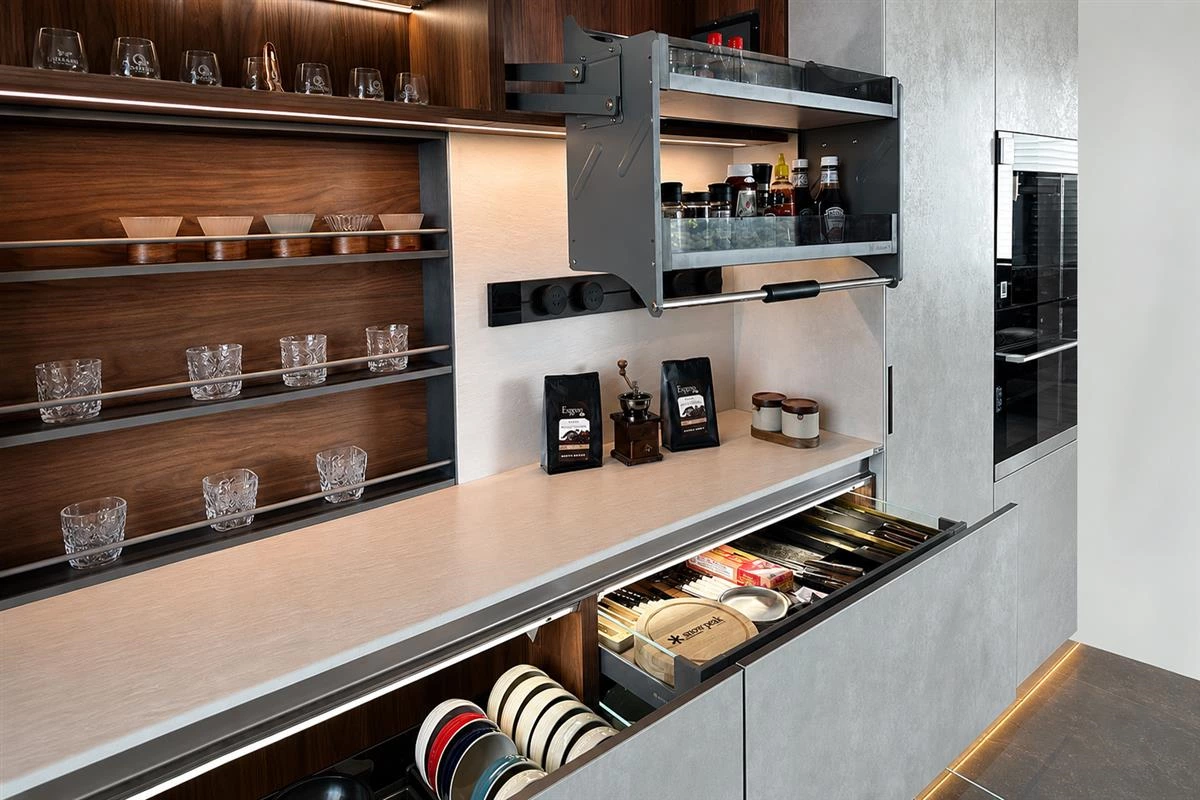
If you have a wall of full-height cabinets, break it up by integrating a niche with a wood or stone back panel. This small opening can be used for displaying cookbooks, plants, or decorative trays. Add LED strip lighting under shelves or within glass cabinets to gently highlight these zones.
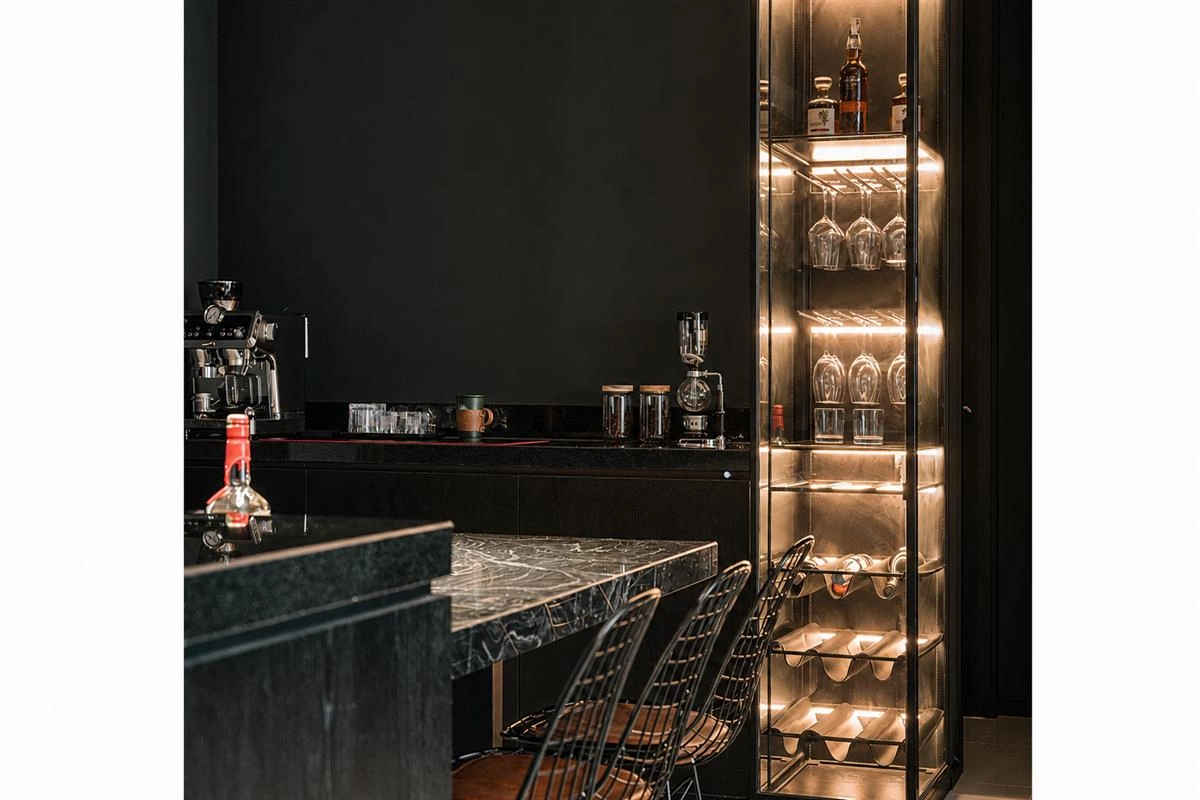
Open storage should be edited and purposeful. Treat it like styling a bookshelf—not every piece needs to be displayed. The result is a space that feels personal, elevated, and uncluttered.
Use open storage for the items you want to see and reach regularly, while keeping practical but visually busy objects behind closed doors. For more compact storage solutions, see these clever drawer design ideas.
Interior Layout Matters as Much as Exterior Style
What happens behind the cabinet doors is just as important as how they look on the outside. A well-planned interior transforms your cabinets from simple storage into a tool for easier, more efficient living.
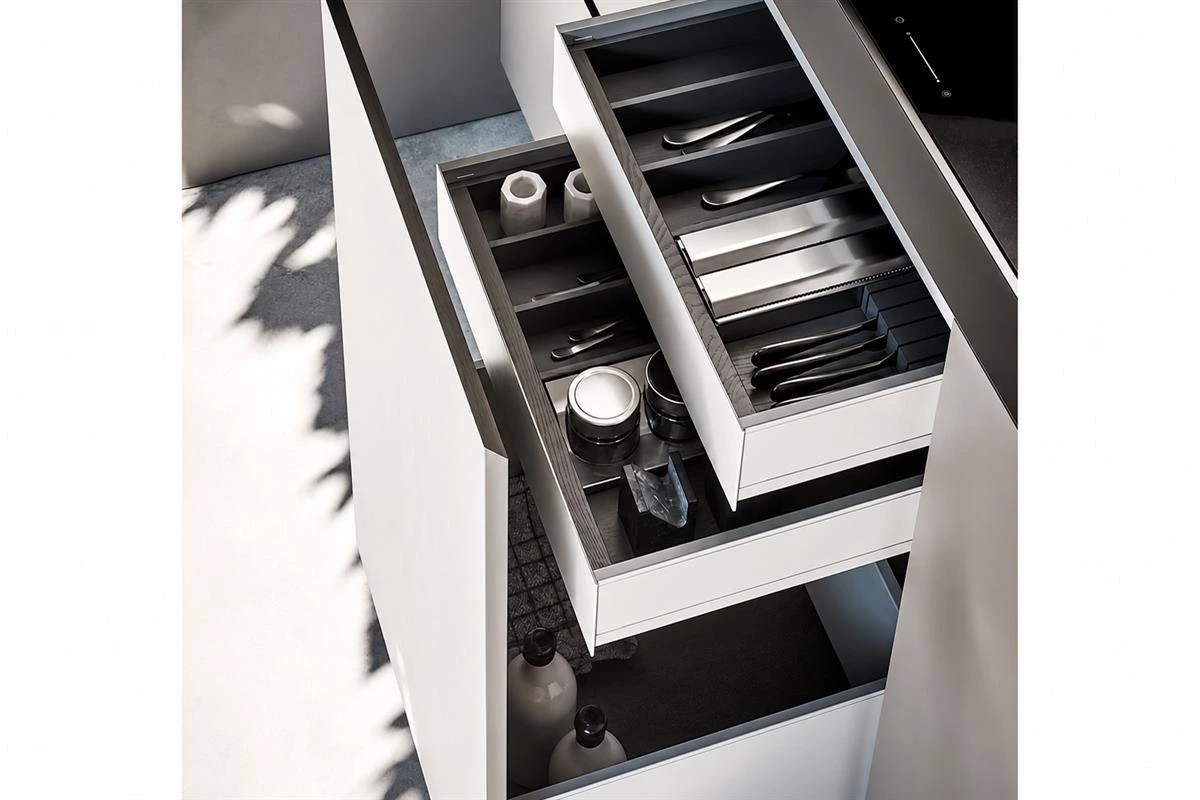
Start with tiered drawer systems, which allow for shallow top drawers (ideal for cutlery or tools) above deeper drawers for pots, dishes, or appliances. Pull-out trays within tall pantry cabinets make every item reachable, even in the back. For corner spaces, opt for L-shaped pull-out systems or kidney-shaped rotating shelves, which provide full access to otherwise wasted zones.
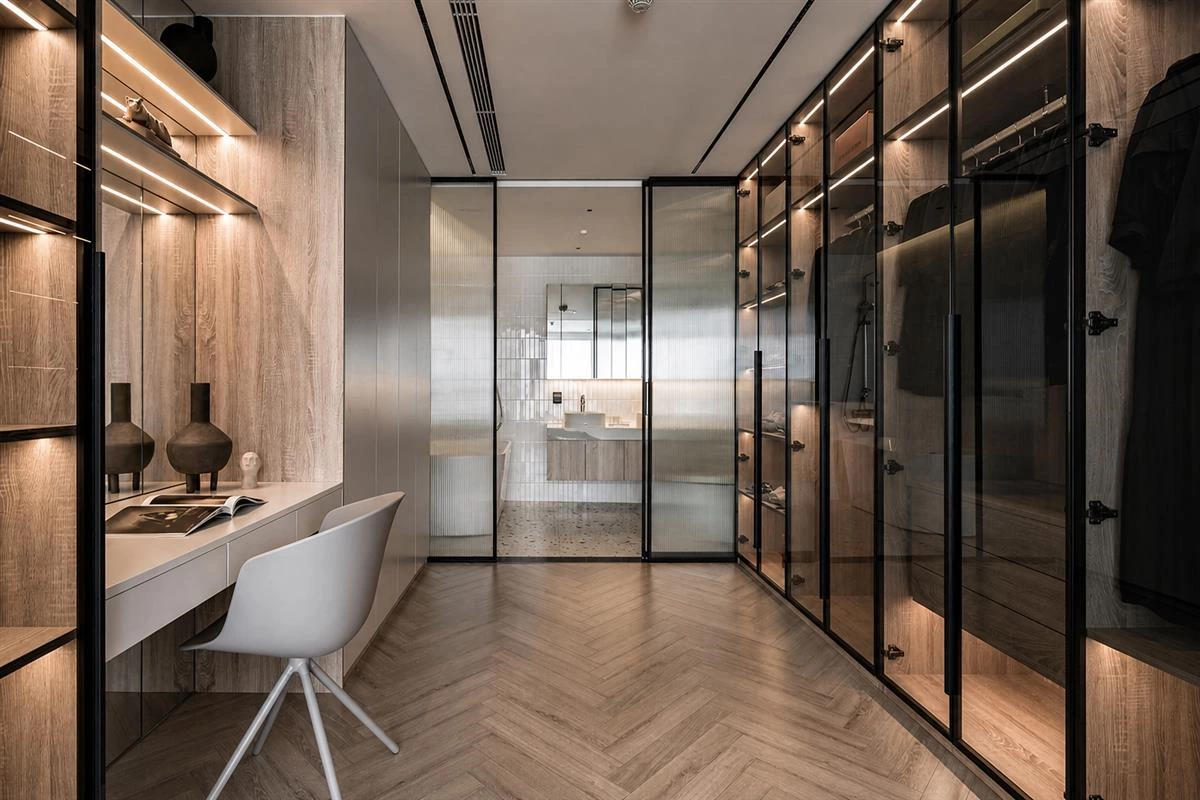
Lighting is another underused upgrade. Add motion-sensor strip lights inside deep drawers or tall units to illuminate contents automatically. For wardrobes or mudroom cabinetry, built-in charging stations or shoe racks can be integrated into the structure without clutter.
Truly exceptional cabinetry is designed to be lived with. From concealed compartments to curated displays, from solid hardware to thoughtful proportions, the beauty of custom cabinetry lies in the sum of thoughtful choices.
Don’t just build storage, build a better experience.
Whether you’re designing a kitchen, mudroom, or walk-in wardrobe, these small moves add up to a major lifestyle upgrade.
How to Prioritize Custom Cabinet Features
- Begin with daily routines: Store cookware, cleaning supplies, clothing, work items, and frequently used objects close to where they are used.
- Choose one or two visible details: A display niche, floating cabinet, or refined hardware finish can create impact without crowding the design.
- Plan internal storage before production: Drawer divisions, pull-outs, lighting, charging points, and access clearances are easier to resolve early.
- Balance open and closed zones: Keep the majority of practical storage concealed and reserve open shelves for intentional display.
- Review the opening method: Confirm that handles, pull profiles, drawers, doors, and appliance fronts can operate comfortably together.
For kitchen-specific planning inspiration, explore these practical kitchen features. The NKBA kitchen planning guidelines can also be a useful general reference when considering kitchen circulation and work zones.
Frequently Asked Questions
What custom cabinet features add the most everyday value?
Features that improve access and organization often add the most value, including deep drawers, pull-out shelves, drawer dividers, concealed appliance storage, integrated lighting, and accessible corner solutions.
Are floating cabinets practical?
Floating cabinets can be practical when the wall structure and cabinet support are planned correctly. They create visual lightness and can make cleaning beneath the unit easier.
Should I use open shelves or closed cabinets?
A combination is often the most practical choice. Use closed cabinets for everyday storage and open shelves or glass doors for a small number of curated, frequently used, or decorative items.
What hardware works best for modern cabinets?
Integrated pulls, edge profiles, matte black handles, brushed metal pulls, and soft-close systems can all suit modern cabinetry. The best option depends on the cabinet style, finish, and how often the storage is used.
How can I improve cabinet storage without enlarging the room?
Use vertical space, toe-kick drawers, pull-out accessories, tall cabinet interiors, deep drawers, narrow pull-outs, and carefully planned corner storage to improve capacity without increasing the room footprint.
Is internal cabinet lighting worth adding?
Internal lighting can make deep drawers, wardrobes, tall cabinets, and display sections easier to use. It is most useful in areas where the cabinet contents would otherwise be difficult to see.