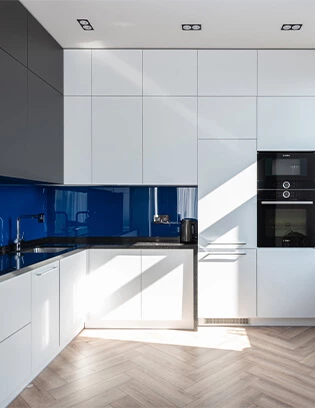
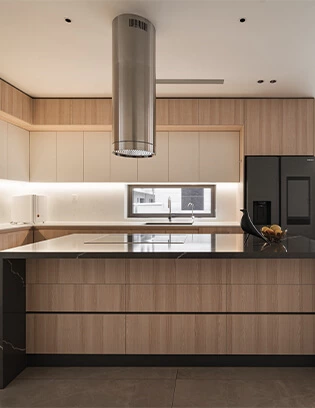
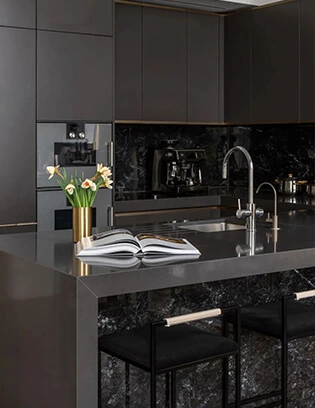
Your kitchen is more than just a place to cook—it’s where mornings begin, where family conversations flow, and where memories are made over meals. Whether you’re renovating your current space or designing a brand-new one, adding the right features can dramatically increase your kitchen’s value, functionality, and appeal. A thoughtfully designed kitchen doesn’t just improve day-to-day living—it also makes a lasting impression on future buyers. Here are four clever upgrades that offer a big return on investment:
The best kitchen upgrade ideas do more than follow a trend. They make cooking, cleaning, storage, dining, and entertaining easier while helping the kitchen look more organized and intentional. The four features below can be adapted to compact apartments, family homes, and larger open-plan kitchens.
Built-in Appliances
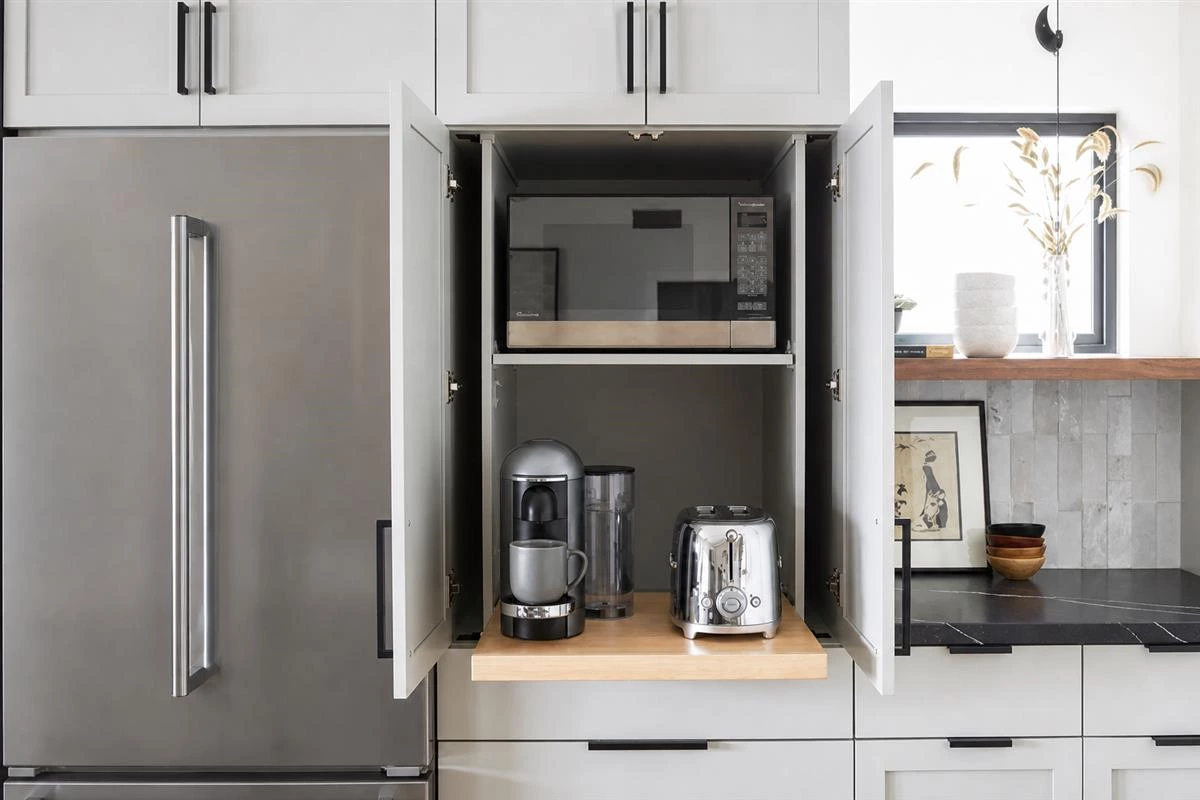
When space is limited (and when is it not?), every inch matters. Countertops easily become cluttered with bulky toasters, coffee makers, and microwaves. That’s where built-in appliances shine. By integrating ovens, microwaves, or even coffee machines into tall cabinets or kitchen islands, you free up surface space and create a cleaner, more cohesive look.
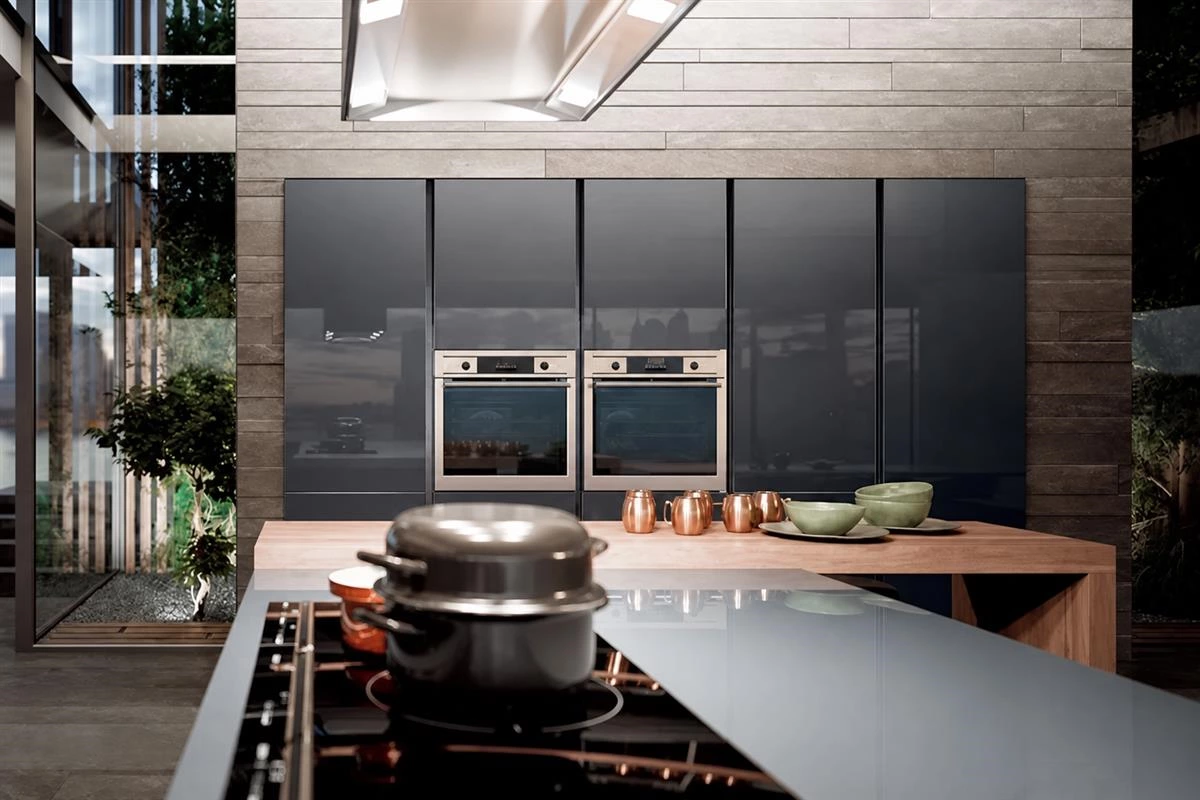
But built-ins aren’t just about good looks. They also make cleaning easier, reduce mess from water splashes and stray cords, and lower the risk of electrical accidents. Plus, having your appliances at eye level makes them more ergonomic and accessible. It’s a smart investment that marries form and function beautifully.
Before finalizing appliance cabinets, confirm the appliance model, ventilation requirements, opening size, service access, and door-clearance needs. This prevents the cabinetry from looking correct on a drawing but becoming difficult to use after installation. For more storage and layout ideas, explore our practical features for a functional kitchen.
Spice Storage
We’ve all faced the great spice hunt—digging through a jumble of jars to find that one elusive ingredient. Good spice storage makes your cooking routine faster, tidier, and far less frustrating.
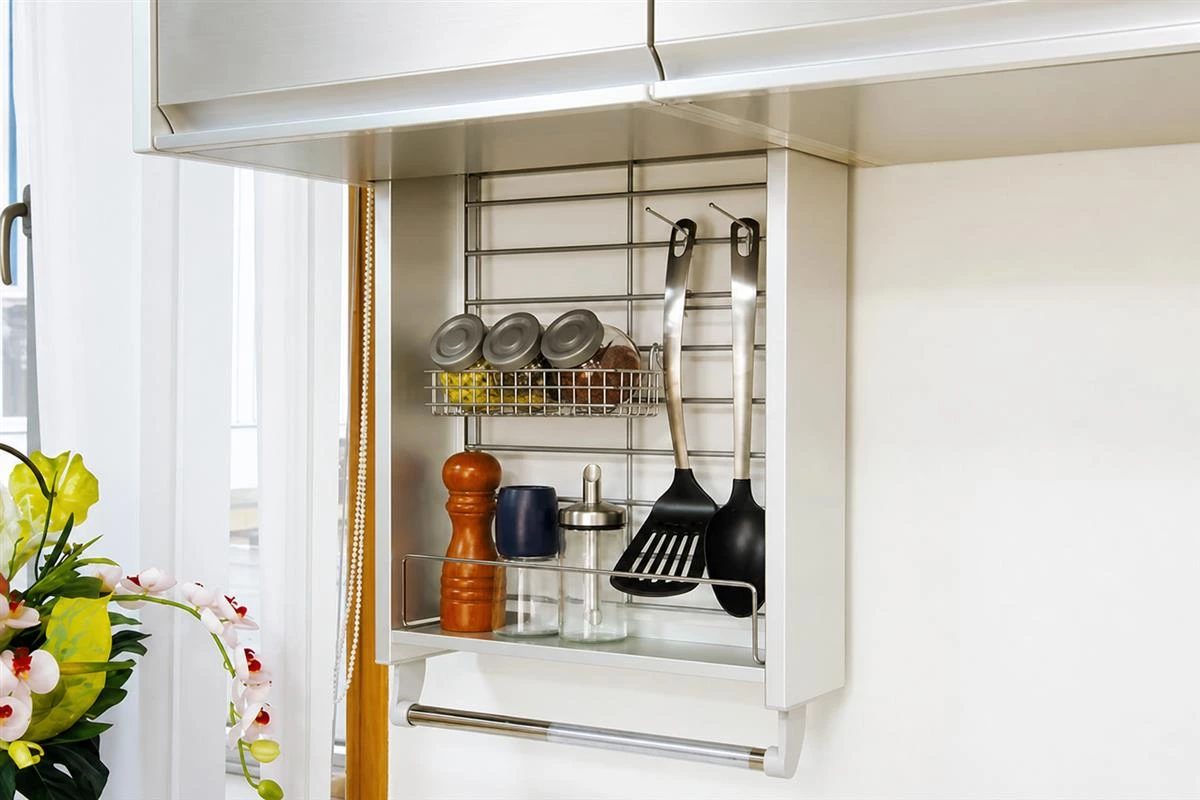
Get creative with unused corners and hidden zones. Pull-out spice racks built between cabinets or along narrow gaps offer the perfect solution. Upper cabinets can house the rarely used seasonings, while everyday staples stay within easy reach below. Think of it as turning kitchen “dead zones” into mini command centers of culinary order.
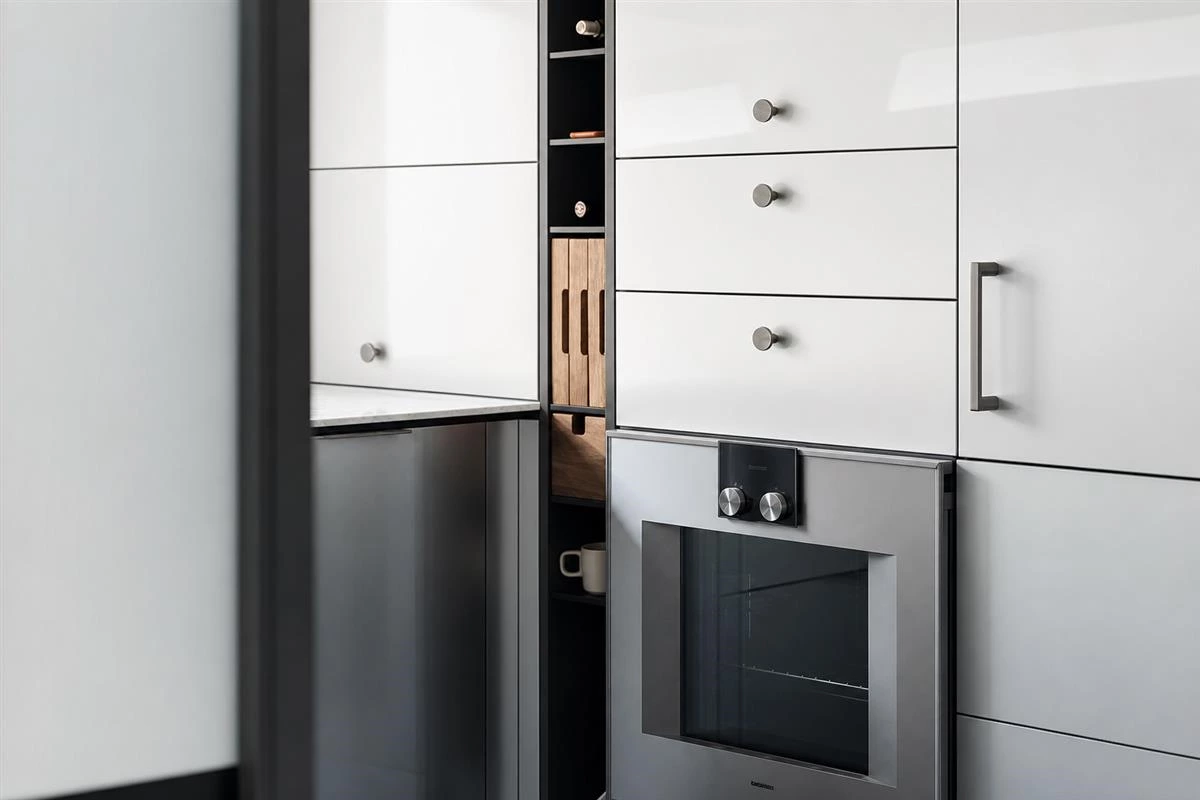
You can even add custom labels or adjustable tiered racks to make sure every jar has its place. A well-organized spice system isn’t just convenient—it’s a small change that makes a big difference in how smoothly your kitchen operates.
For the most practical result, place spices according to how often they are used. Everyday cooking seasonings should be close to the cooktop or prep area, while backups and specialty ingredients can stay in higher cabinets or pantry storage. Find more space-efficient solutions in our kitchen organization ideas.
Bar Counters
Gone are the days when kitchens were purely utilitarian. Today, they’re social hubs—where meals are shared, conversations sparked, and coffee becomes a moment of pause. A bar counter is the ultimate multitasker in this setting.
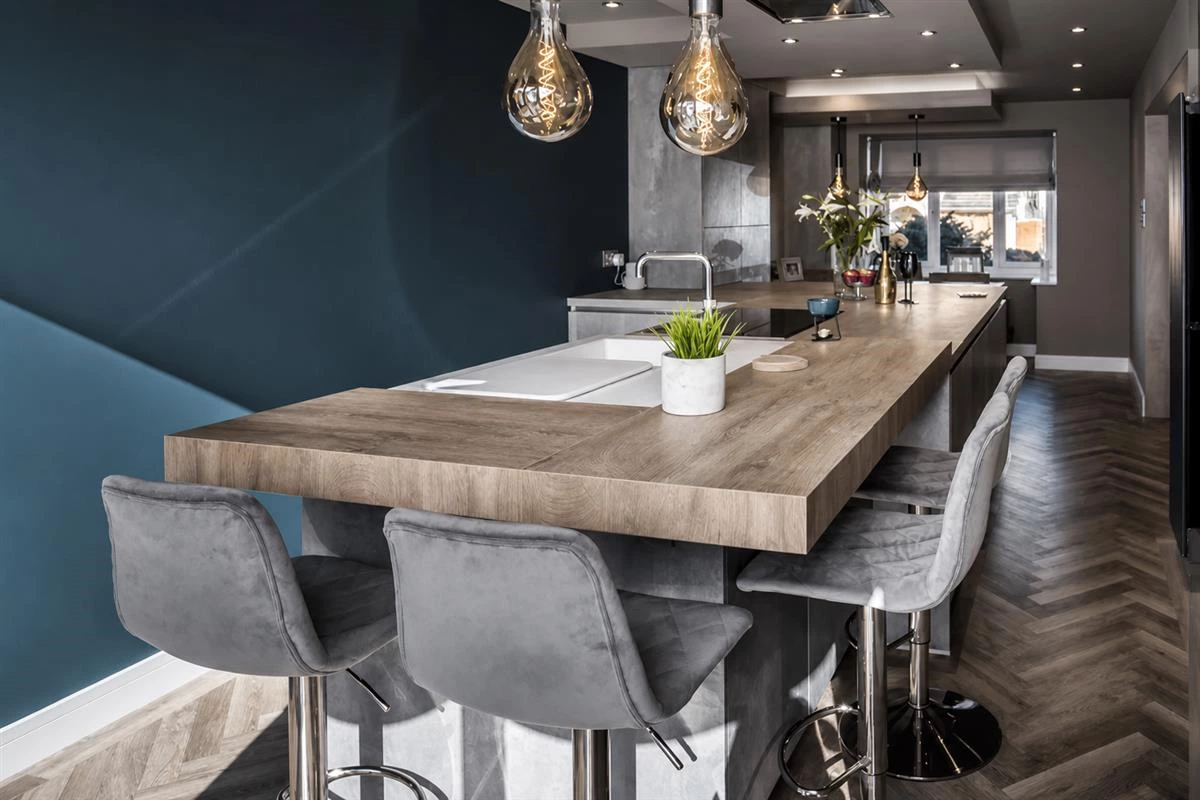
In smaller homes or apartments, it doubles as an extra prep zone, a casual dining spot, and bonus storage—all rolled into one sleek unit. It bridges the gap between cooking and living spaces, making everything feel more open and connected.
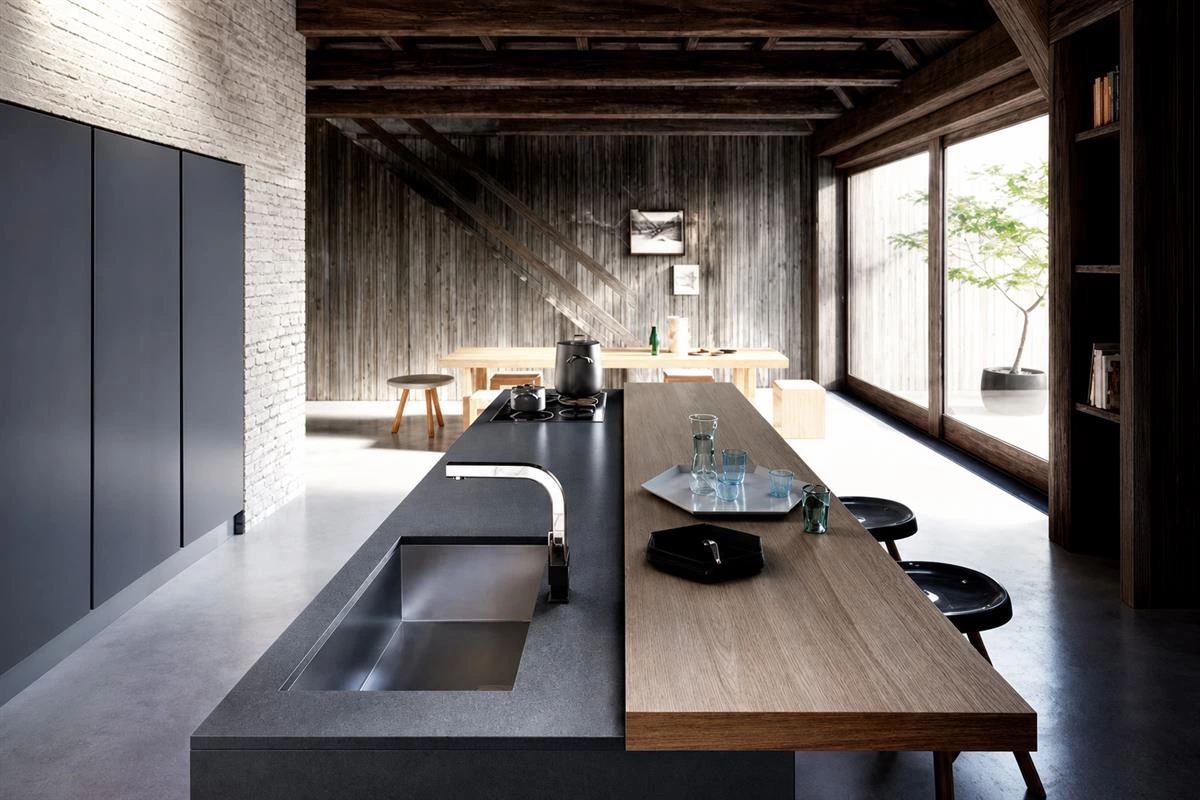
In larger kitchens, a bar counter adds structure and flair. It breaks up vast spaces, subtly defines zones, and invites guests to linger—without getting in the cook’s way. Whether you use it for morning coffee or evening cocktails, a well-placed bar counter brings energy and elegance to any kitchen layout.
When planning a bar counter, consider circulation first. Seats, drawers, appliance doors, and the main cooking route should all have room to function comfortably. For more island and seating inspiration, see our multifunctional kitchen island designs.
Concealed Power Outlets
Today’s kitchens are appliance central. From blenders to air fryers, everything needs a plug. But with great gadgets comes great responsibility: keeping cords under control.
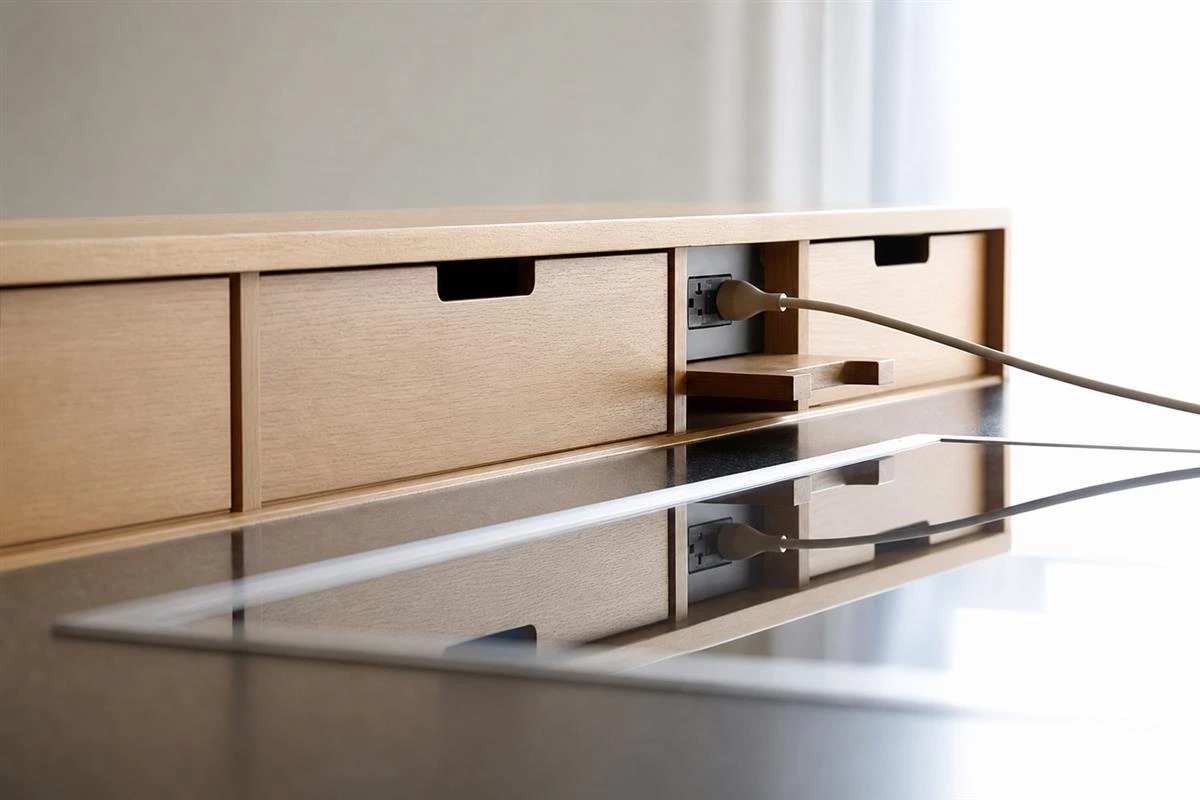
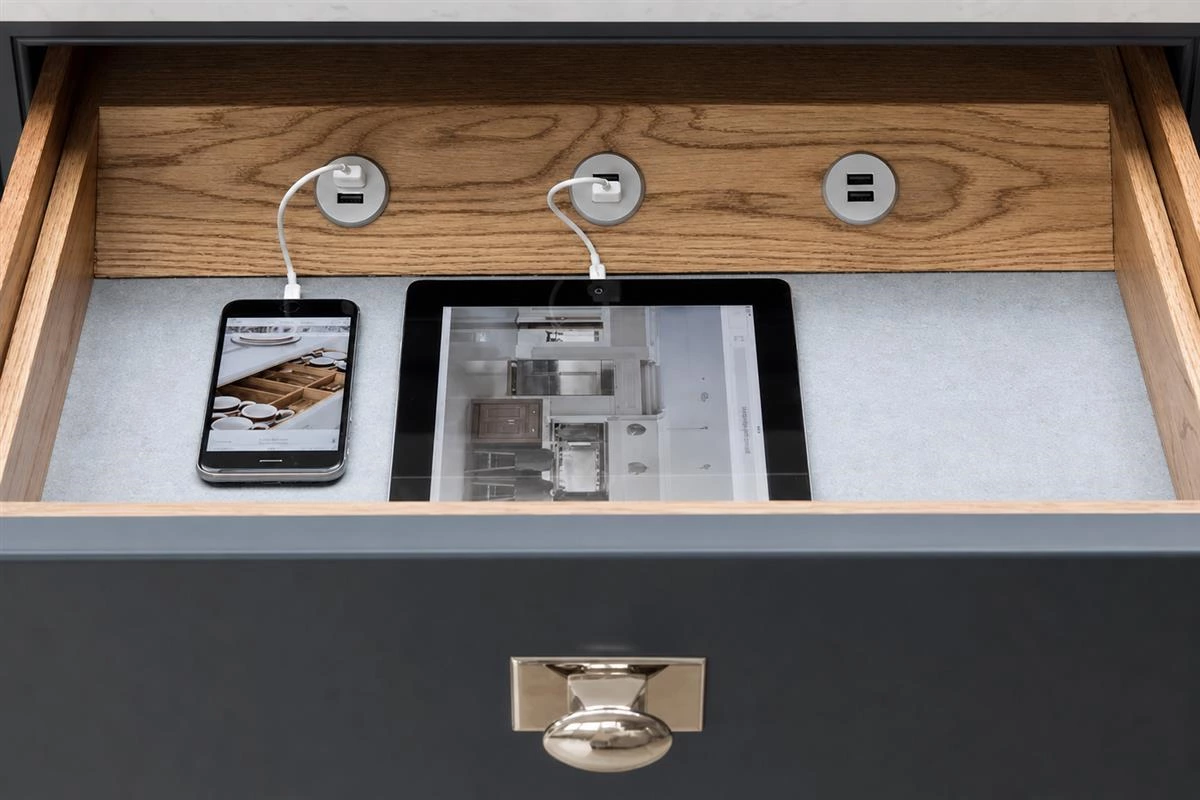
Enter concealed power outlets. These clever additions—tucked under countertops, inside cabinets, or hidden within pop-up units—deliver power where you need it without the visual clutter. Not only do they protect your appliances and outlets from wear and tear caused by constant plugging and unplugging, but they also guard against moisture in high-splash zones like sinks and stoves.
Outlet locations should always be confirmed during the planning stage with a qualified professional and according to local electrical requirements. This helps ensure that power is accessible for everyday appliances without disrupting the kitchen’s workflow or visual design. For general electrical-safety resources, visit the Electrical Safety Foundation International.
How to Choose the Right Kitchen Upgrades
Choose upgrades based on your actual daily routine. Built-in appliances work well when counter space is limited; spice pull-outs suit frequent cooks; bar counters support dining and social interaction; concealed outlets make sense when small appliances are used often. Rather than adding every feature, prioritize the upgrades that solve a real storage, workflow, or cleaning challenge in your kitchen.
Frequently Asked Questions About Kitchen Upgrade Ideas
Which kitchen upgrades add the most everyday value?
Kitchen upgrades that improve storage, workflow, and cleaning usually deliver the most everyday value. Built-in appliances, drawer organizers, pull-out storage, practical lighting, multifunctional islands, and well-positioned power outlets can all make a kitchen easier to use.
Are built-in appliances worth adding to a kitchen?
Built-in appliances can be worthwhile when they free up counter space, create a more integrated appearance, and place frequently used appliances at a comfortable height. Accurate appliance dimensions, ventilation, service access, and cabinet openings should be confirmed before production.
Where should spice storage be placed in a kitchen?
Frequently used spices are best stored near the cooktop or prep area, while backup jars and specialty ingredients can stay in upper cabinets or pantry storage. Narrow pull-outs, drawer inserts, and tiered cabinet racks can make spice storage easier to access.
Can a bar counter work in a small kitchen?
Yes. In a compact kitchen, a bar counter can serve as extra preparation space, casual dining, a work surface, and storage. The key is leaving enough room for walking, seating, drawers, and appliance doors.
Are concealed kitchen outlets safe?
Concealed outlets can help reduce visible cords and keep power close to where appliances are used. Their placement, installation method, and protection requirements should be planned with a qualified professional and follow local electrical requirements, especially near water or heat sources.