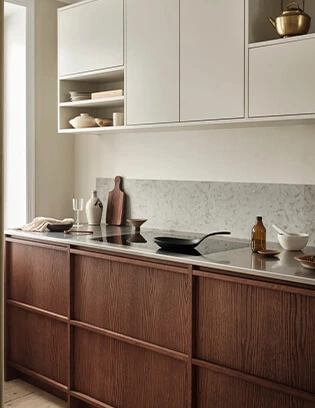
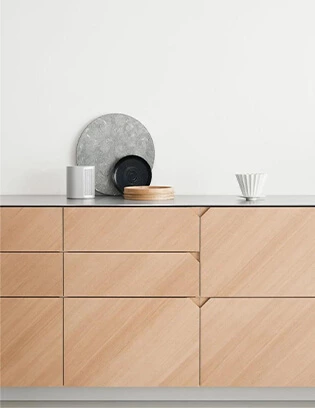
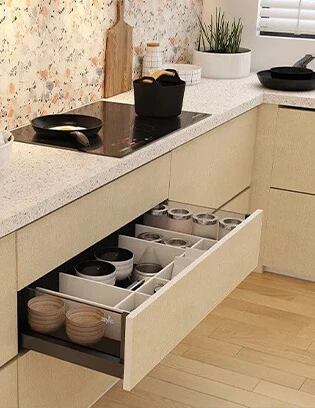
A Useful Guide to Furniture Woods
Have you ever bought solid wood furniture? Are you confused by the endless variety of wood names? Do all wood grains look the same to you? Here’s a guide to different types of wood, their characteristics, and tips for distinguishing wood grains.
When comparing types of wood cabinets, the species name is only the beginning. A practical decision also depends on grain direction, moisture conditions, panel construction, finish, hardware, maintenance, and the way the cabinet will be used. The same wood can feel very different as a door panel, a drawer front, a veneer surface, or a structural cabinet component. This guide keeps the original wood explanations below and adds a project-focused way to connect appearance with performance.
Types of wood cabinets should therefore be compared by the complete specification, not by a species label alone. A clear sample and drawing review can reveal whether the selected wood is intended for a high-touch door, a decorative panel, a shelf, or a structural cabinet part.
How to Use This Furniture Wood Guide
Use the species descriptions to understand color and grain, then review the cut and finish before approving a cabinet sample. For a kitchen, wardrobe, media wall, or whole-home project, compare the visible surface with the substrate, edge treatment, hardware load, and expected indoor humidity. ALLURE’s raw-material and finish guidance can be reviewed alongside a drawing or sample board so the selected look is practical to manufacture and install.
Hardwood & Softwood
Hardwoods and softwoods are not classified by their hardness but by their botanical categories. Hardwoods come from deciduous angiosperms, while softwoods come from coniferous gymnosperms. Generally, deciduous trees are harder and more resistant to dents. Hardwoods have a coarse texture due to internal vessels, whereas softwoods are smoother and lighter.
In types of wood cabinets, the cabinet’s intended function should guide the comparison: a frequently used kitchen door, a bedroom wardrobe, and a decorative display panel do not experience the same wear.
For types of wood cabinets, this botanical distinction should not be treated as a complete durability ranking. Species, moisture content, drying quality, board selection, joinery, and finish all affect service performance. A softer wood can work well in a low-impact decorative application, while a harder species may still move if the environment changes or the construction is not properly detailed.
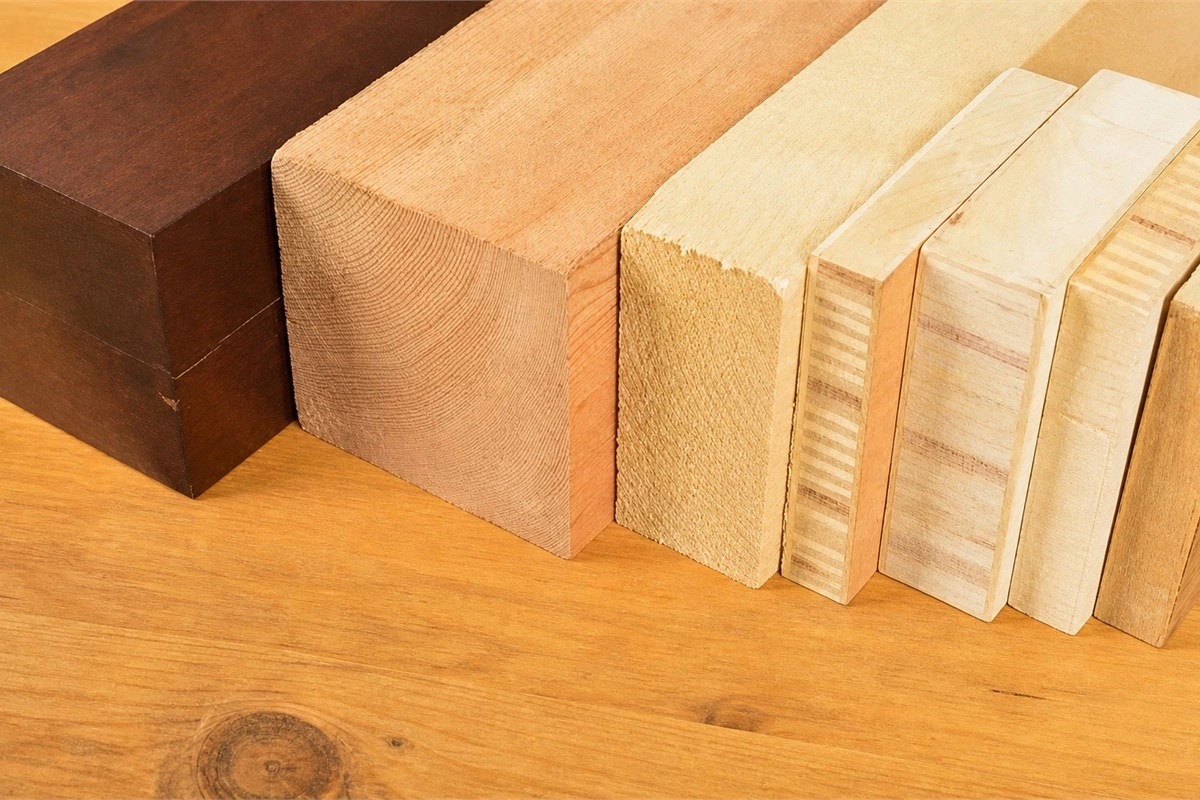
For larger projects, ask the supplier to identify the intended species, whether the visible surface is solid wood or veneer, and which areas use an engineered core. The USDA Forest Products Laboratory Wood Handbook provides technical background on wood properties, wood-based products, moisture, and design considerations. It is a reference source, not a certification claim for any individual supplier.
Wood Grain
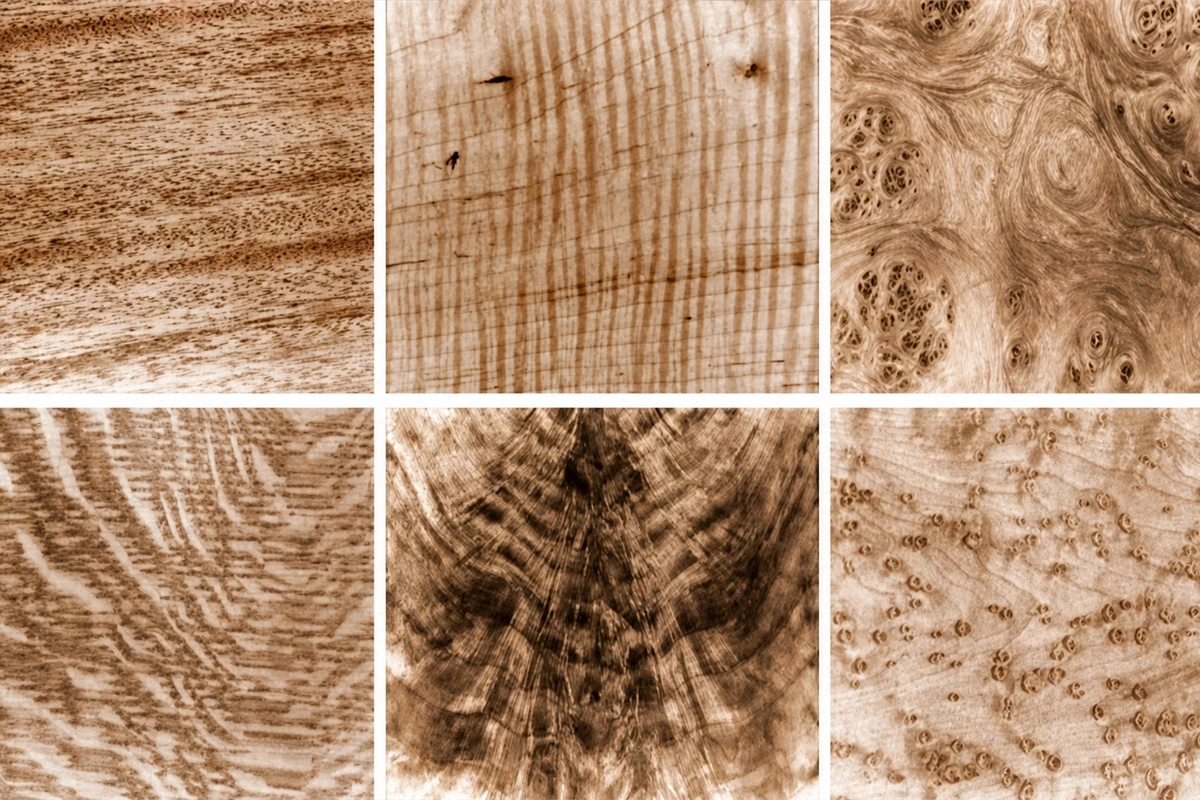
When wood is cut, the arrangement of pores and fibers inside the wood becomes visible, creating its grain. The grain describes the direction of plant cell growth, the size of the wood cells, and determines the appearance of the wood’s surface.
Grain direction influences how a cabinet front is read across a wall. A continuous vertical pattern can make tall units feel more architectural, while a carefully matched horizontal pattern can visually connect drawers, shelves, and adjacent panels. In types of wood cabinets, grain matching should be agreed upon before production because it affects board selection, veneer layout, cutting yield, and the position of seams.
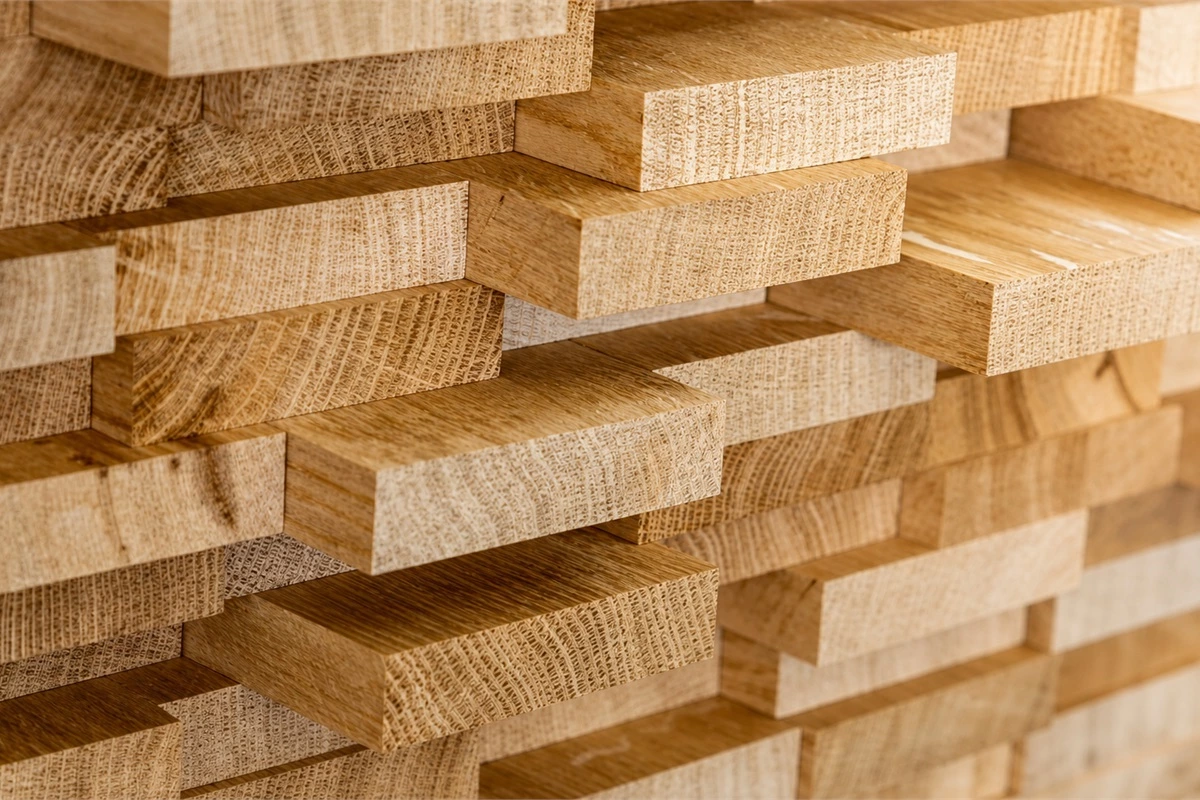
The cutting surface of the wood affects both the pattern on the wood's surface and its performance. Understanding wood grain can help you choose suitable solid wood furniture:
What Wood Choice Means for Cabinet Projects
For a cabinet project, the best wood choice balances four practical questions:
- Appearance: Does the grain, color, pore size, and aging behavior fit the room and the surrounding materials?
- Performance: Can the selected construction handle daily opening, impact, weight, cleaning, and local humidity?
- Manufacturing: Can the factory achieve the required grain match, edge profile, radius, paint adhesion, and repeatability?
- Project coordination: Will the wood work with countertops, lighting, appliances, doors, wardrobes, and installation tolerances?
These checks matter whether you are specifying a single furniture piece or a complete whole-home cabinet system. A sample should show the actual finish, edge, and grain orientation rather than relying only on a small color chip or a digital rendering.
When planning types of wood cabinets for an overseas project, also confirm the measurement system, drawing revision, packing requirements, installation sequence, and the local indoor environment before production is released.
Common Wood Grain Cuts
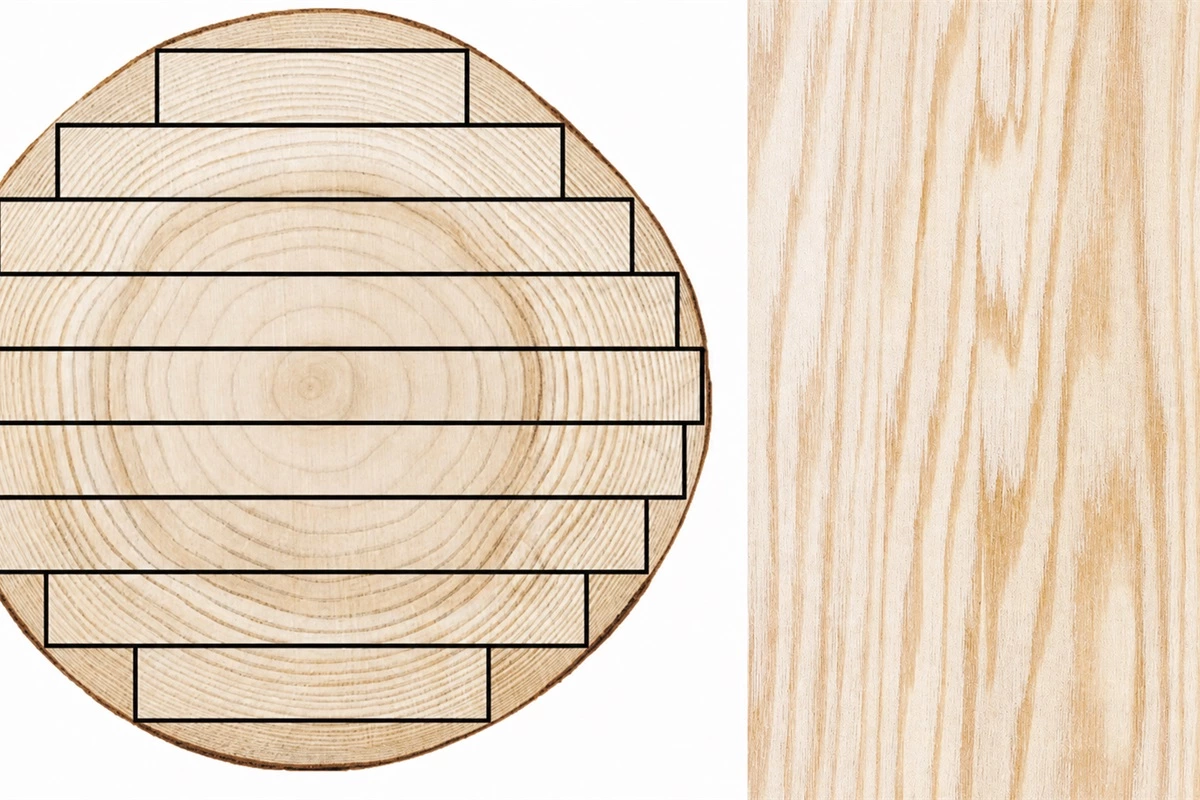
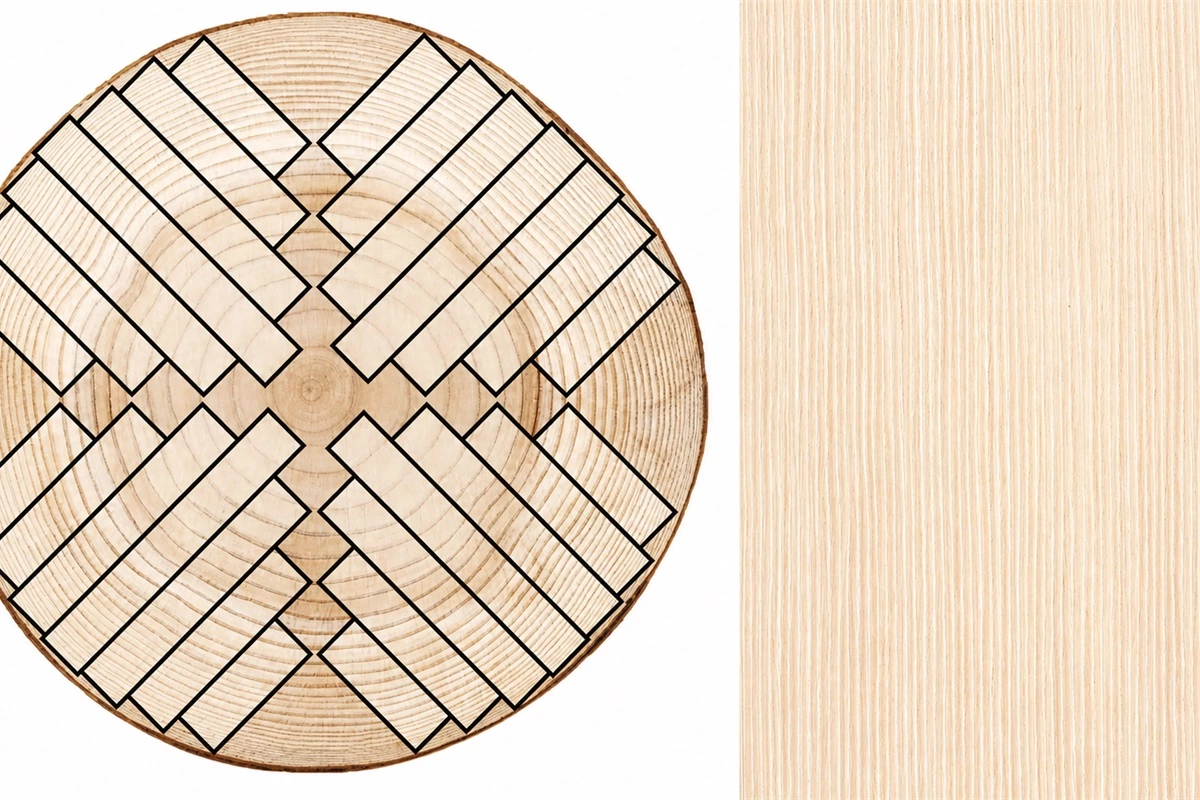
Vertical Grain & Flat Grain: Vertical grain wood is more durable, less likely to shrink and warp, and holds paint better. It is more expensive but has lower maintenance costs. In contrast, flat grain wood is more prone to warping and deforming in extreme humidity and does not hold paint as well, potentially increasing maintenance costs.
Vertical Grain Cut
Flat Grain Cut
The beauty of vertical grain comes from its wide, horizontal patterns, while flat grain offers a warm, soft look.
For types of wood cabinets, the cut should be discussed together with the application. A tall door, wide drawer front, floating shelf, and curved panel may need different construction decisions. Grain direction alone does not guarantee stability; the moisture condition, board preparation, core, fastening, and finishing system also need to be suitable for the project.
Open Grain & Closed Grain: Open grain wood often features Larger pores, resulting in a rougher texture, while closed grain wood has Smaller pores, resulting in a smoother texture. Thick wood fibers can also create a rough appearance.
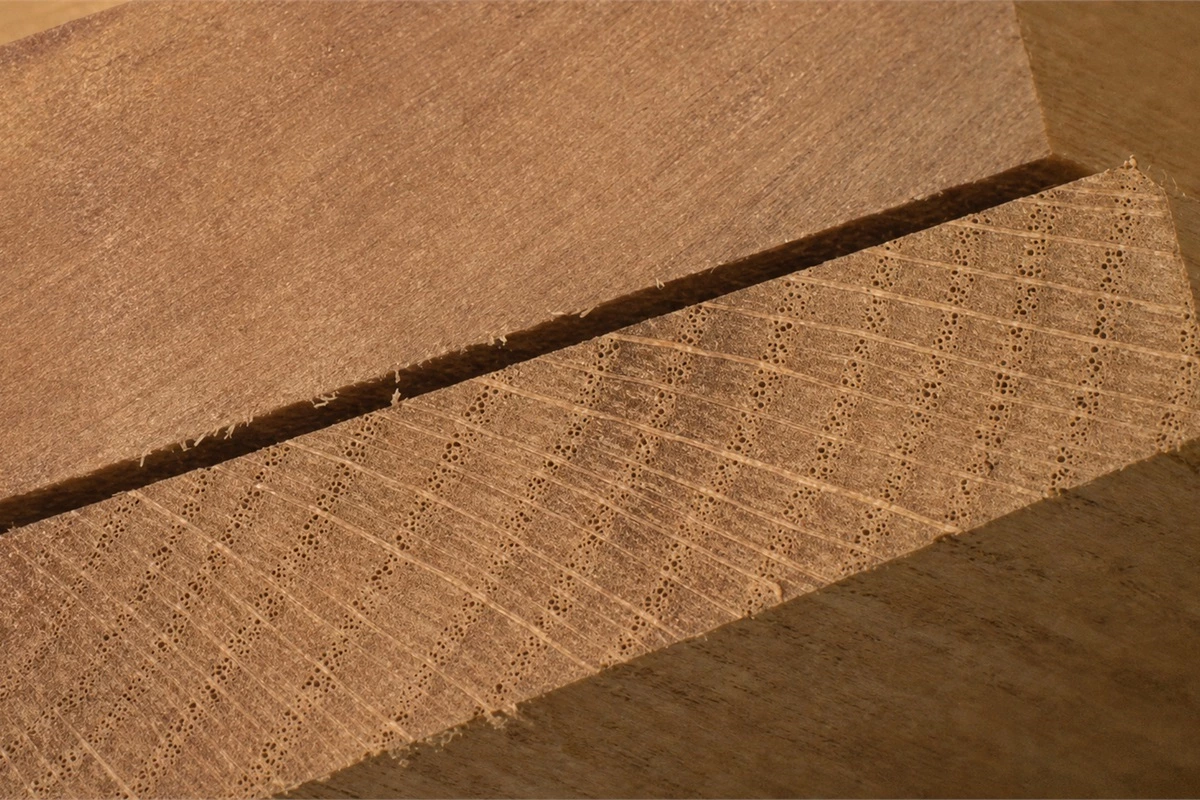
Left: Open Grain Red Oak, Right: Closed Grain Cherry Wood
Tight Grain & Loose Grain: Determined by the width of the tree rings. Narrower rings mean tighter grain.
Open, closed, tight, and loose grain descriptions help explain how a surface may feel and absorb finish, but they should not replace a physical sample. Ask to see the selected wood under the same lighting used in the room, especially when combining matte paint, clear varnish, stone, glass, or metal.
Common Hardwood Types
Oak: Oak, often found in North America and the Malay Peninsula, is a flexible hardwood. There are two types: red oak and white oak.
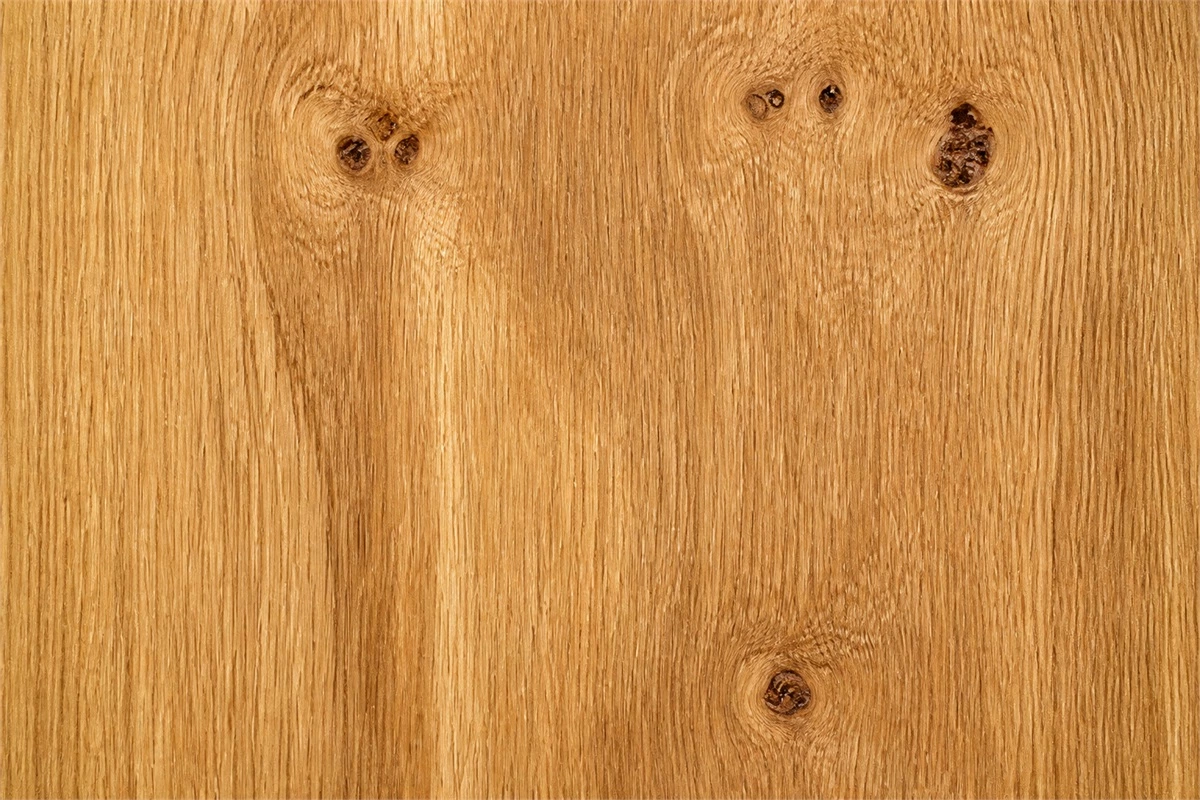
North American red oak is known for its uniform color, tight grain, and minimal discoloration. It has a reddish-brown hue and wavy grain. White oak has a tiger stripe-like pattern and a yellowish-brown heartwood, often used for high-end furniture and barrels. Note that rubberwood is different from white oak.
Oak is often selected when a project needs a clearly visible grain and a familiar furniture character. The final result still depends on the cut, stain, veneer match, and finish sheen. Confirm whether the reference sample is red oak, white oak, or a different oak-like surface before approving a full cabinet elevation.
For projects comparing types of wood cabinets, an oak sample should show both the face color and the edge because the end grain and finish absorption can change the perceived tone.
Ash: Ash is commonly found in Russia, Europe, and North America. It has straight, slightly pinkish wood. After staining and polishing, it has an attractive rough texture.
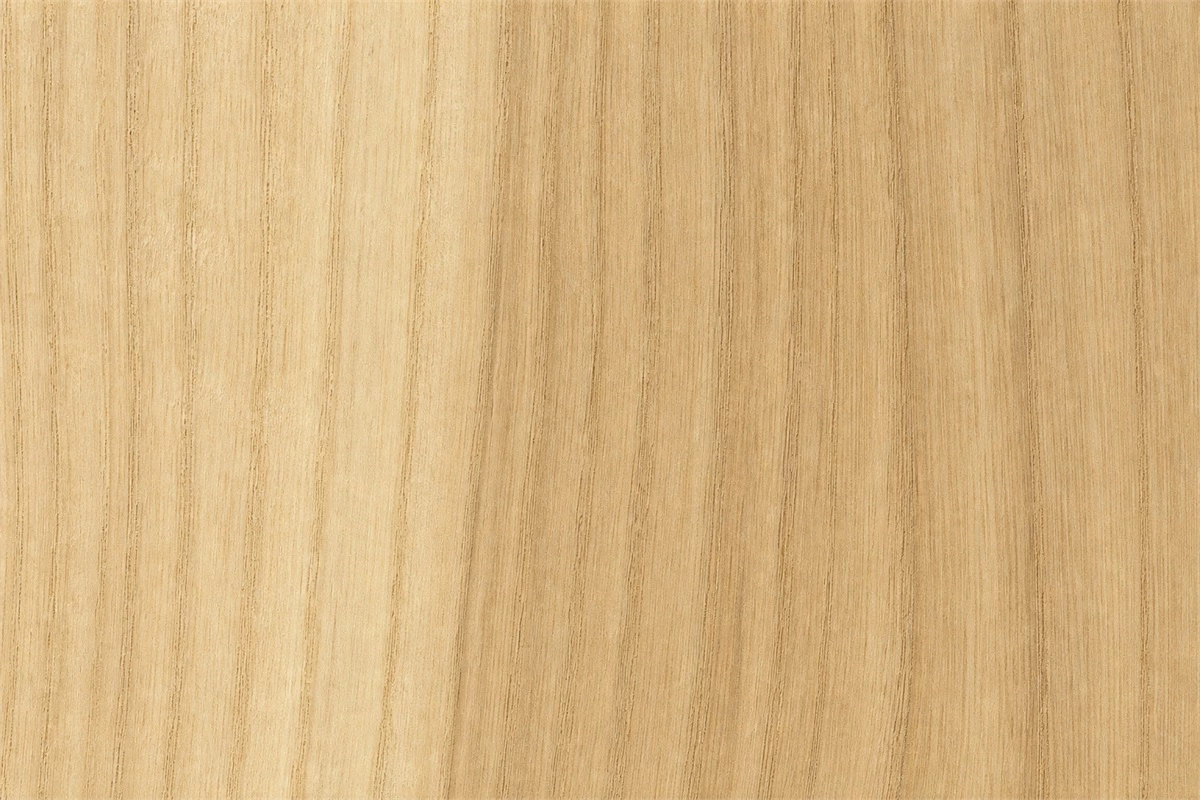
Ash's sapwood is yellowish, and the heartwood is light brown, with clear grain. Ash wood is relatively light, making ash furniture lighter compared to other hardwoods like mahogany.
Ash can support a lighter, more linear look in types of wood cabinets. Its visible grain can work well with transparent stains, while a painted finish changes the way the texture is perceived. Review the intended color under natural and artificial light before matching it with adjacent panels.
Maple: Found south of the Yangtze River in China, Taiwan, and eastern USA, it comes in hard and soft varieties. It is a subtropical wood with colors ranging from grayish-brown to grayish-red. Maple has numerous evenly distributed vessel pores.
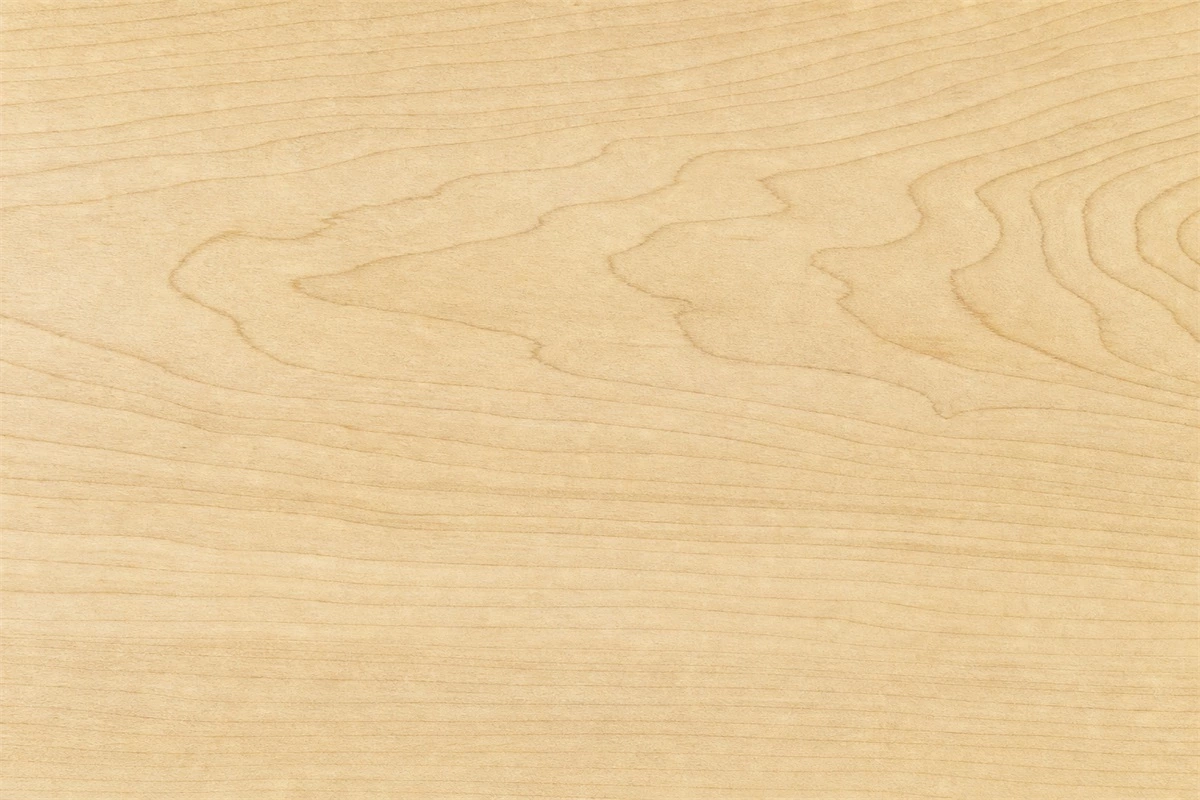
Maple is lightweight, hard, and durable. It holds paint well and has good adhesion, making it ideal for wood veneers.
Maple is useful when a project needs a relatively calm grain or a reliable painted appearance. For a cabinet specification, confirm whether the visible surface is solid maple, maple veneer, or a painted engineered panel, because each option has a different construction and cost profile.
Beech: Beech, often called elm, is a modest wood choice. It is moderately heavy, sturdy, and impact-resistant. Beech can be steam-bent into various shapes for furniture.
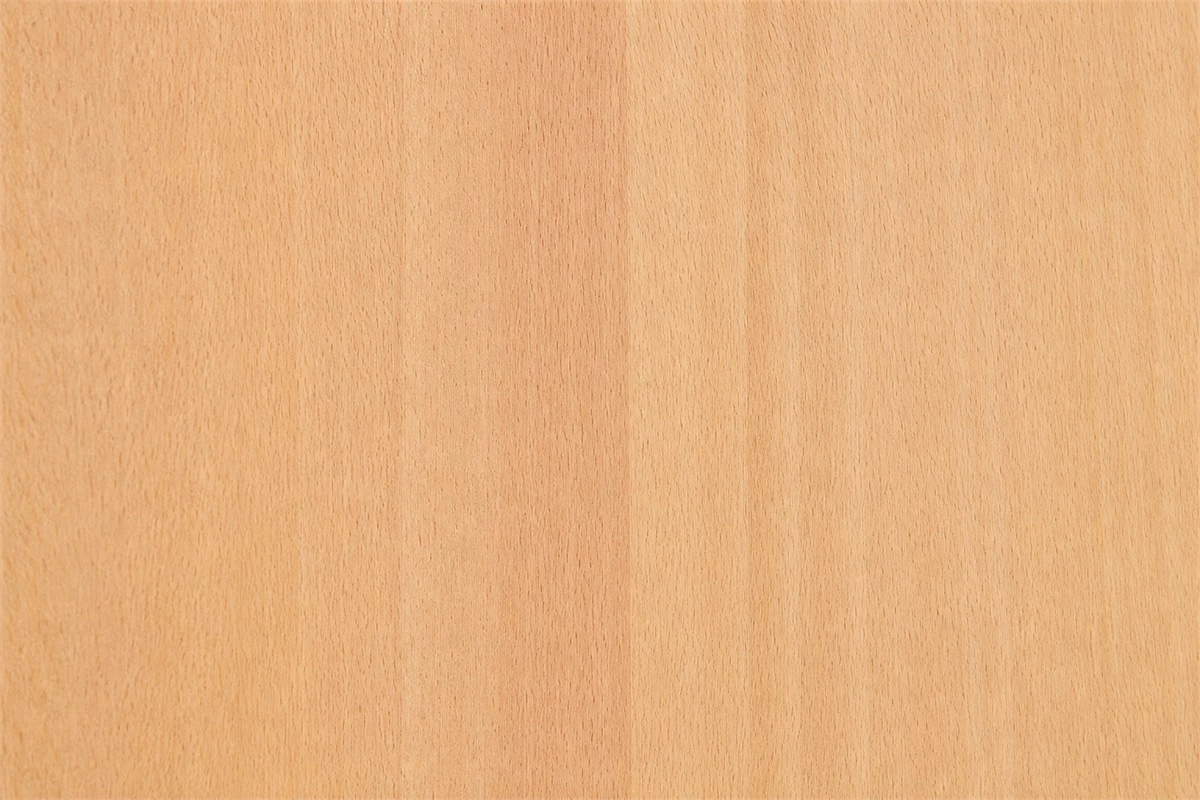
Beech's hardness ranges from medium to high, with a uniformly soft color, making it a preferred wood for doors, flooring, and woodworking.
Beech can be considered for shaped components, doors, and furniture details where a consistent color is helpful. Its suitability should be checked against humidity, span, finish, and the amount of daily impact expected in the room.
Cherry: Cherry wood is prized for its rich chestnut color and regular grain. Occasionally, heartwood has spotty indentations with resin pockets from infections and insect damage.
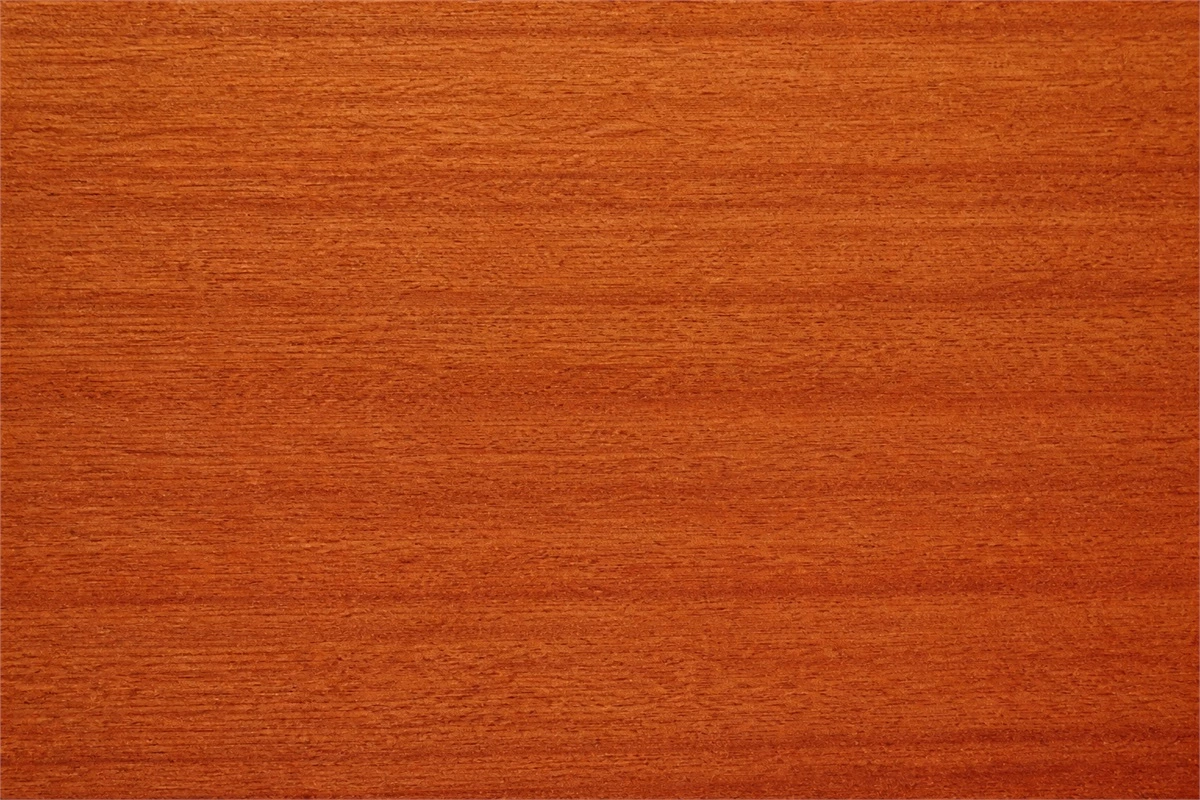
Polished cherry wood has a high gloss and holds varnish well, making it popular for luxury furniture and carvings. Over time, cherry wood darkens, enhancing its beauty.
Cherry is a strong choice when the design intent includes a warm, changing color. For types of wood cabinets with a clear finish, record the expected aging behavior in the sample approval so future replacement panels do not appear noticeably different.
Walnut: Walnut, available as black or yellow walnut, grows in North America, Europe, and Southeast Asia. Its highly saturated tones give it a high sheen, making it an expensive wood.
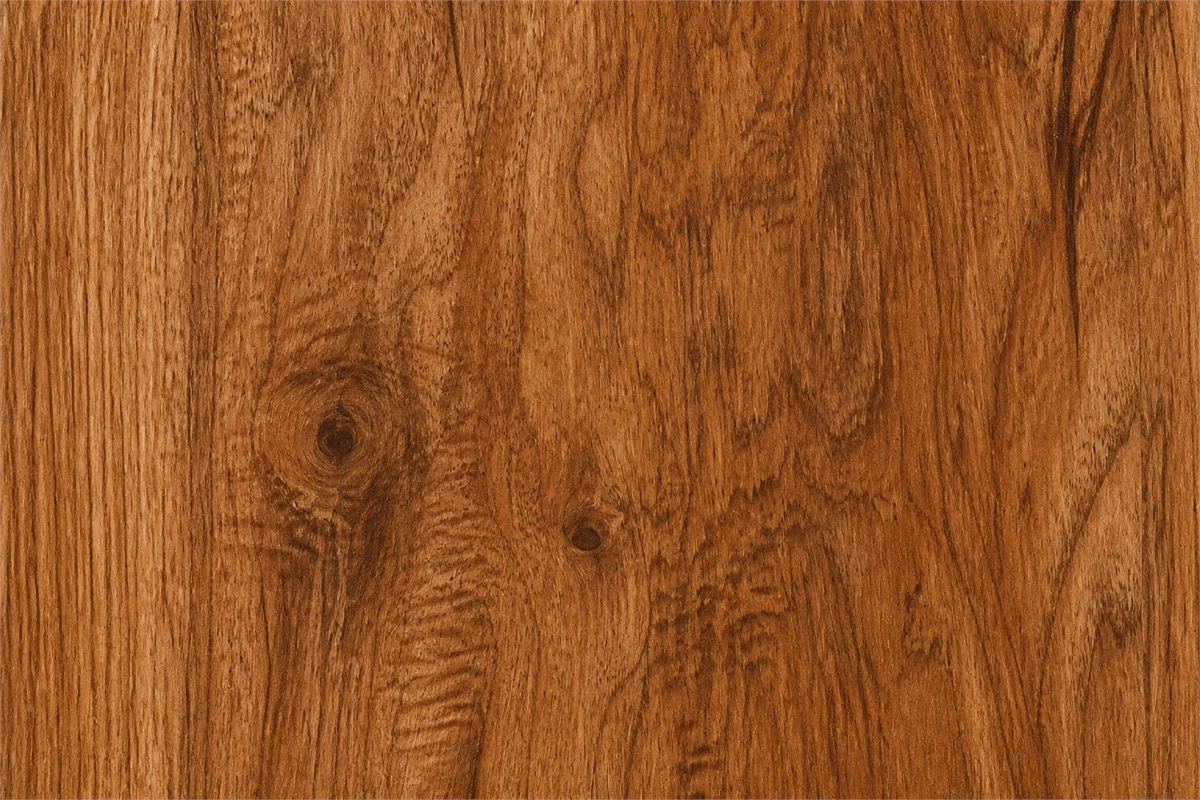
Chinese walnut has a generally lighter tone, with creamy-white sapwood and dark brown to purple heartwood. Walnut can have straight, wavy, or curly grain, adding decorative appeal.
Walnut provides depth and contrast in a room, but its color range makes sample matching especially important. Confirm the target tone, sapwood tolerance, grain direction, and finish sheen before using walnut across a large run of doors or wall panels.
For types of wood cabinets with walnut or another strongly patterned species, approve the grain sequence across adjoining doors so the final elevation looks intentional rather than assembled from unrelated boards.
Birch: Birch ranges from light brown to reddish-brown. Its grain resembles cherry wood, earning it the name "European cherry." Birch furniture is unsuitable for dry environments, as it can crack and warp.
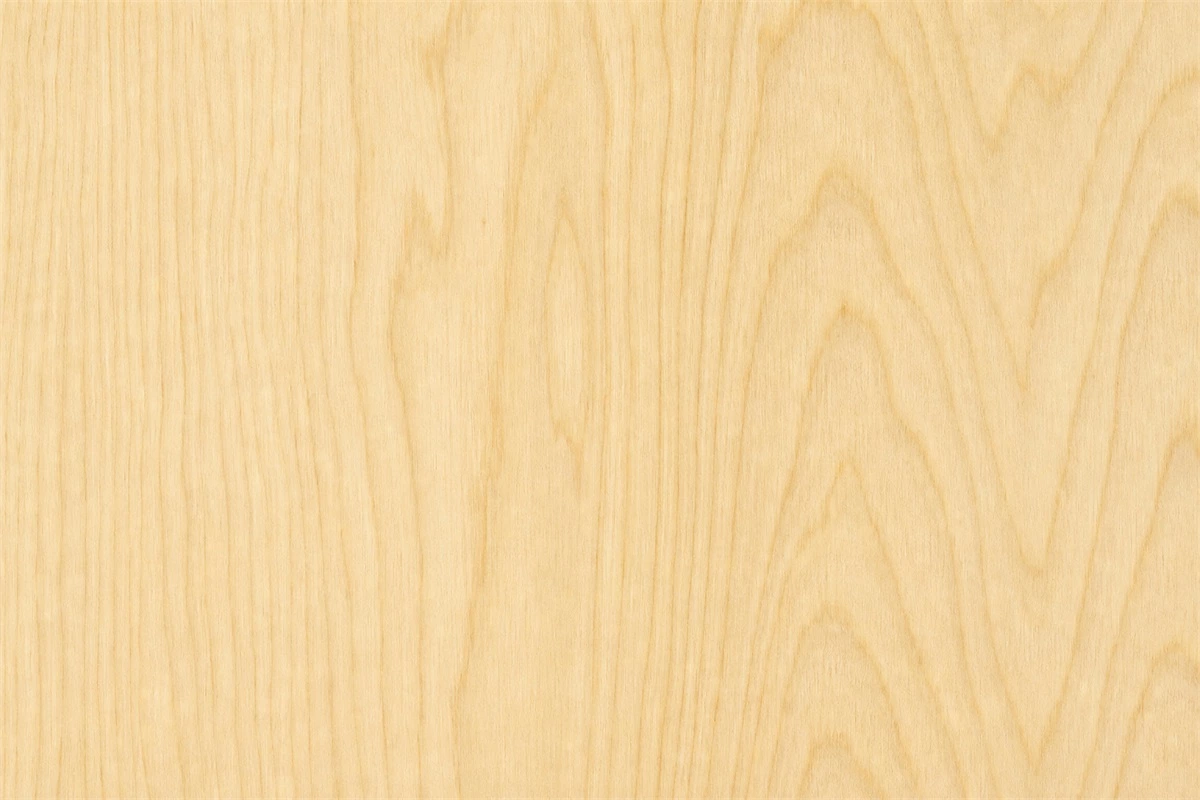
When considering birch for types of wood cabinets, pay close attention to indoor humidity, panel construction, finish coverage, and installation conditions. A stable specification and clear environmental assumptions are more useful than choosing a species name alone.
Common Softwood Types
Pine: Pine is a light-yellow, fragrant coniferous wood. Though unremarkable, it is an economical choice for furniture. Dried and sap-extracted pine resists swelling, suitable for various home interiors.
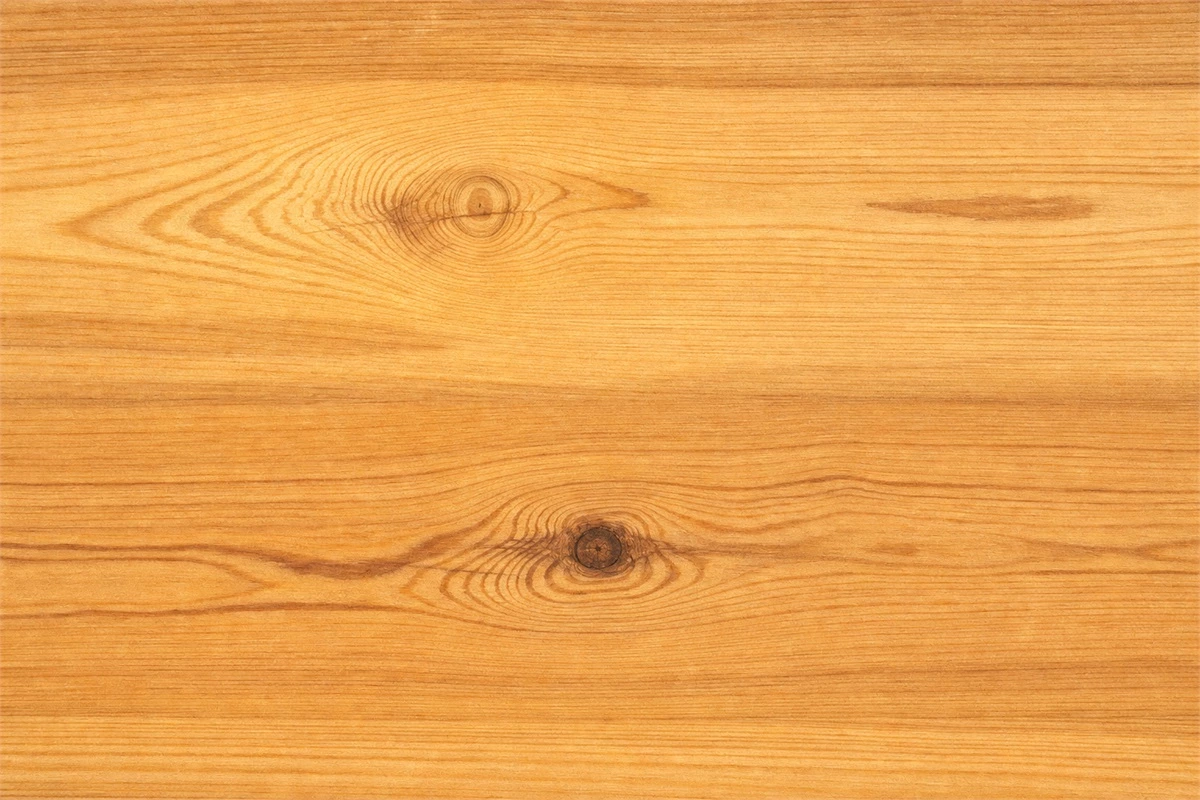
Pine is soft and susceptible to scratches and dents, but its natural grain and warm tones add rustic charm to interiors.
Pine can suit lower-impact furniture, decorative interiors, and selected cabinet components where a rustic appearance is wanted. Confirm the expected wear level and finish protection before using it for frequently handled doors, drawers, or work surfaces.
Fir: Fir is a challenging wood to distinguish, often confused with cedar. Cedar includes red cedar, yellow cedar, and aromatic cedar. Fir is relatively inexpensive, while high-quality cedar is more costly. Careful distinction is necessary when purchasing solid wood furniture.
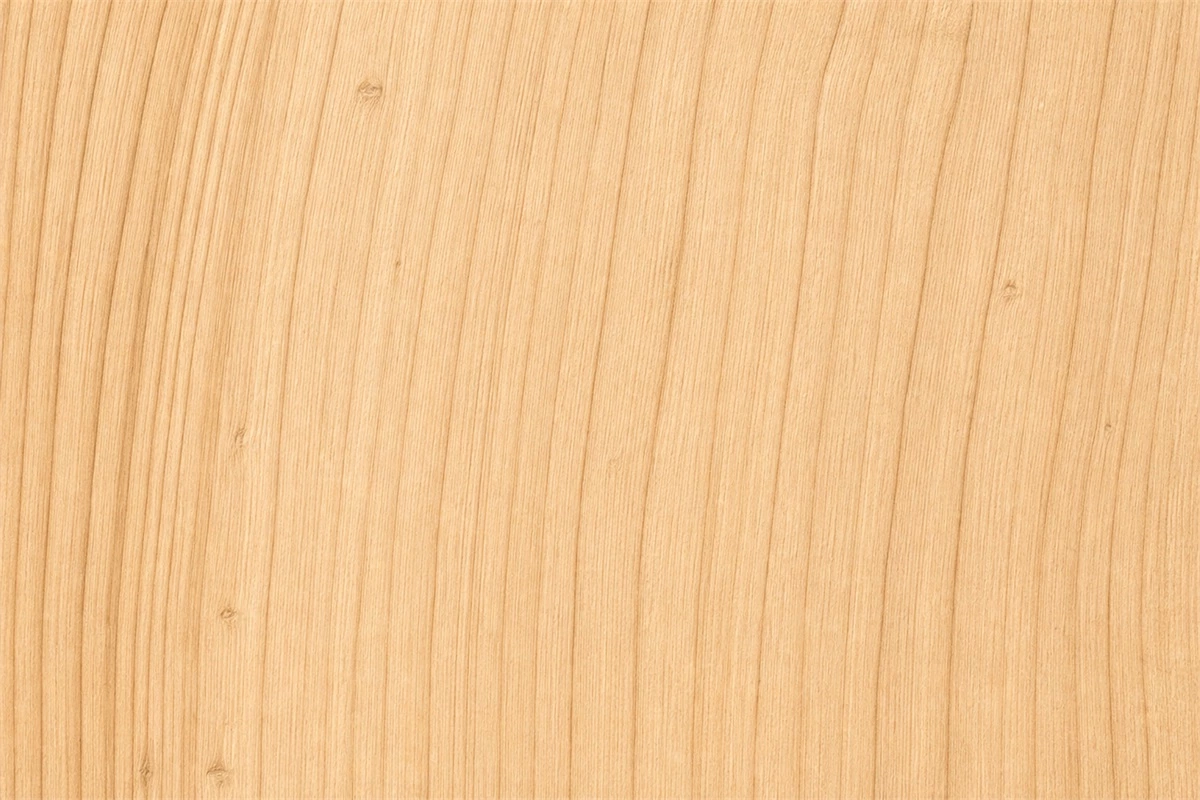
When selecting softwood for types of wood cabinets or furniture, request the exact species, grade, moisture condition, finish, and construction method in writing. Similar-looking grain does not always mean similar performance, cost, or maintenance requirements.
How to Select Types of Wood Cabinets for Your Project
A supplier comparison becomes clearer when the wood decision is documented in a simple specification. Before approving production, confirm:
- the exact species or veneer name and the acceptable color range;
- whether each visible part is solid wood, veneer, plywood, MDF, or another engineered core;
- the grain direction and matching method across doors, drawers, end panels, and open shelves;
- the finish sheen, stain reference, edge treatment, and expected maintenance;
- the room’s humidity, sunlight, cleaning routine, and expected impact level;
- the hardware locations, panel thicknesses, clearances, and installation sequence;
- the sample approval process and how later replacement panels will be matched.
For a kitchen or wardrobe package, wood selection should also be coordinated with appliances, countertops, lighting, doors, and storage accessories. ALLURE’s custom kitchen cabinet solutions can be evaluated by layout, material, finish, and hardware together, rather than by a species name in isolation. For a larger home, the same approach helps create a consistent language across kitchens, wardrobes, media units, and other built-in furniture.
If a project specifies certified or reclaimed wood, confirm the exact claim, scope, chain of custody, and documentation for the ordered material. The FSC chain-of-custody guidance explains how certified material is tracked through the supply chain; it should not be treated as evidence that a supplier or product is certified unless current documentation confirms it.
FAQs About Types of Wood Cabinets and Furniture
What are the main types of wood cabinets?
The main types of wood cabinets can be grouped by hardwood or softwood species, solid wood or veneer construction, grain cut, and finish. Oak, ash, maple, beech, cherry, walnut, birch, pine, and fir each create a different balance of appearance, cost, and performance.
Are hardwood cabinets always better than softwood cabinets?
Not always. Hardwood can provide higher resistance to dents in some applications, but the right choice also depends on construction, humidity, finish, use, budget, and the required appearance. A well-specified softwood may be suitable for a low-impact application.
What is the difference between solid wood and wood veneer?
Solid wood uses a thicker natural wood component, while veneer uses a thin natural wood layer over a stable core. Veneer can provide consistent grain matching and dimensional control, while solid wood may be selected for specific edges, frames, or furniture components.
Which wood grain is best for cabinet doors?
There is no single best grain for every door. Vertical, flat, open, closed, tight, and loose grain create different visual and performance results. The correct option depends on the door size, panel construction, humidity, finish, and design direction.
Which types of wood cabinets are easiest to paint?
Maple and other close-grain surfaces can provide a relatively smooth painted appearance when properly prepared. The final result depends on the substrate, sanding, primer, edge treatment, paint system, and manufacturing quality rather than species alone.
Is walnut suitable for high-end furniture cabinets?
Walnut is often chosen for rich color, decorative grain, and a premium visual effect. Because walnut can vary from light sapwood to dark heartwood, approve a representative sample and define the acceptable color range before production.
Can wood cabinets warp in humid or dry rooms?
Wood can respond to changes in moisture. Risk is influenced by species, board preparation, construction, finish, ventilation, installation, and the indoor environment. A project should confirm the expected conditions and use a suitable construction method.
How should buyers compare types of wood cabinets from suppliers?
Compare the exact species, solid or veneer construction, core material, grain match, finish, panel thickness, hardware, sample approval, warranty scope, packaging, and installation guidance. Comparing only a wood name or a small color sample can hide important differences.
For types of wood cabinets supplied for a complete project, the quotation and drawing package should also identify the rooms, quantities, finish codes, approved samples, and any exclusions before the order is confirmed.
Does a darker wood always cost more?
Not necessarily. Cost can be affected by species availability, grade, grain matching, panel size, finish, construction, waste, labor, and sourcing. A darker finish can also be applied to a lighter species, so ask for the actual species and finish specification.
What should be included in a wood cabinet sample?
A useful sample should show the actual face material, core or edge, grain direction, finish sheen, color, joint, and hardware relationship. For a larger project, review the sample under the room’s planned lighting before approving production.
Conclusion
Understanding furniture woods makes it easier to compare appearance, grain, durability, maintenance, and value before purchasing. The most suitable wood is not simply the hardest or most expensive option; it is the one whose species, cut, construction, finish, and project conditions work together.
For types of wood cabinets, that balance is what turns a visually attractive sample into a practical long-term cabinet specification.
When choosing types of wood cabinets for a kitchen, wardrobe, or whole-home interior, combine a physical sample with clear drawings and a written specification. That process helps the design team and manufacturer align on grain direction, material transitions, finish expectations, hardware coordination, and installation requirements before production begins.