Thinking About New Kitchen Countertops? Read This Before You Buy
One of the biggest mistakes homeowners make during a kitchen renovation is choosing countertops based only on appearance.
A countertop may look stunning in a showroom or on Pinterest, but real kitchens are very different from staged photos.
After years of working with villa projects, apartments, and custom kitchen systems for clients across the USA, Australia, Canada, and the Middle East, I’ve seen homeowners spend thousands on beautiful countertops that didn’t fit their lifestyle.
Some clients fell in love with marble, only to realize later that red wine, lemon juice, and coffee stains became a constant concern.
Others chose ultra-cheap laminate countertops to save money upfront, then replaced them a few years later after edge swelling and peeling began near the sink.
The truth is:
There is no “perfect” countertop material.
There is only:
- The right material for your cooking habits
- the right material for your budget
- the right material for your long-term expectations
A family kitchen used every day requires very different countertop performance compared to:
- a luxury show kitchen
- an Airbnb project
- a rental apartment
- a vacation villa
- a commercial property
That’s why choosing kitchen countertops should never be based on trends alone.
This guide will help you understand:
- The real differences between countertop materials
- hidden long-term costs
- maintenance realities
- durability expectations
- design considerations
- common mistakes buyers regret later
If you are planning a kitchen renovation in 2026, this is the countertop guide most homeowners wish they had read earlier.
What a Kitchen Countertop Really Needs to Handle
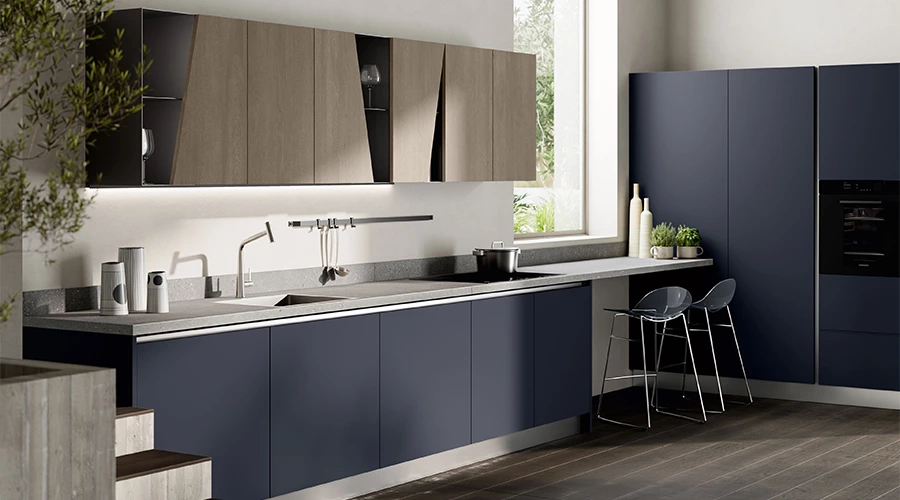
Before comparing materials, it’s important to understand what kitchen countertops actually go through every day.
Most people think countertops are mainly decorative surfaces.
In reality, they are one of the hardest-working parts of the entire kitchen.
A quality countertop needs to withstand:
- heat from hot cookware
- moisture around sinks
- knife impact
- oil and food stains
- cleaning chemicals
- heavy kitchen appliances
- long-term structural pressure
- sunlight exposure
- daily wear from cooking and cleaning
This is why material selection matters so much.
A countertop that works beautifully in a luxury display kitchen may perform poorly in a busy family home with children.
Likewise, a highly durable material may lack the premium appearance some homeowners want for high-end villas or open-concept designer kitchens.
The key is balancing:
- aesthetics
- durability
- maintenance
- budget
- long-term value
Quartz Countertops
Why Quartz Became the Most Popular Kitchen Countertop Material
Quartz dominates modern kitchens because it solves the biggest problem most homeowners have:
They want something that looks premium without requiring constant maintenance.
Unlike natural stone, quartz is engineered using:
- crushed quartz minerals
- resin binders
- pigments
This creates a surface that is:
- non-porous
- highly stain-resistant
- visually consistent
- easy to clean
For busy families, rental properties, and modern apartments, quartz offers one of the safest long-term choices.
Where Quartz Performs Well
Quartz is ideal for:
- family kitchens
- modern apartments
- Airbnb projects
- open kitchens
- homeowners wanting low maintenance
Its biggest advantage is predictability.
You don’t need to worry constantly about:
- sealing
- wine stains
- oil penetration
- daily maintenance
This is why developers and designers frequently recommend quartz for large-scale residential projects.
Hidden Weaknesses of Quartz
Many buyers mistakenly believe quartz is indestructible.
It isn’t.
Because quartz contains resin:
- Excessive heat can damage surfaces
- Direct hot pans may discolor the material
- Cheaper quartz products may yellow under sunlight
Quality differences between manufacturers are massive.
Low-cost quartz often looks acceptable initially, but ages poorly after years of use.

Marble Countertops
Why Marble Still Represents Luxury
No engineered material fully replicates the depth and movement of natural marble.
That’s why marble remains the signature material for:
- luxury villas
- designer kitchens
- statement islands
- high-end interiors
Marble creates emotional impact.
It feels exclusive because every slab is unique.
For many luxury homeowners, that natural individuality matters more than practicality.
The Reality Most Showrooms Don’t Explain
Marble is beautiful — but demanding.
It is softer and more porous than most people realize.
Without proper maintenance, coffee can stain
- Lemon juice can etch surfaces
- oil may penetrate
- Scratches become visible over time
Many homeowners love marble visually but dislike living with it daily.
That’s why experienced designers often use marble selectively:
- feature islands
- decorative areas
- lower-use surfaces
while combining it with more practical materials elsewhere.

Granite Countertops
Why Granite Was the Original Premium Countertop
Before quartz became dominant, granite represented luxury kitchens worldwide.
Its reputation came from:
- natural beauty
- strong heat resistance
- exceptional durability
Granite handles hot cookware far better than quartz.
For serious home cooks, this still matters.
Granite’s Biggest Advantage
Granite feels authentic.
Unlike engineered materials, every slab contains natural mineral variation and movement.
This creates depth impossible to duplicate completely with printed patterns.
Some homeowners prefer this natural inconsistency because it feels less artificial.
The Trade-Off
Granite requires maintenance.
Without sealing:
- moisture absorption
- staining
- bacterial penetration
can become issues.
Granite also varies significantly between slabs, which can complicate large kitchen designs.
Porcelain & Sintered Stone Countertops
Why Luxury Modern Kitchens Are Moving Toward Porcelain
Porcelain and sintered stone have grown rapidly in high-end contemporary projects.
They combine:
- ultra-modern aesthetics
- extreme heat resistance
- UV stability
- thin minimalist profiles
This makes them especially popular in:
- European-style kitchens
- luxury villas
- outdoor kitchens
What Makes Porcelain Different
Porcelain surfaces are manufactured under extremely high heat and pressure.
The result is a dense surface highly resistant to:
- heat
- UV exposure
- stains
- scratches
Unlike quartz, direct sunlight is usually not a problem.
This is important in modern homes with:
- large windows
- outdoor kitchens
- strong natural light
The Hidden Risk
Porcelain is extremely strong after installation but surprisingly fragile during fabrication.
Poor transportation or inexperienced cutting can lead to:
- edge chipping
- cracking
- fabrication damage
Supplier experience matters heavily here.

Laminate Countertops
Why Laminate Still Exists in Modern Kitchens
Many people underestimate how much laminate has improved.
Modern laminate now imitates:
- marble
- wood
- concrete
- stone textures
far better than older generations.
For budget-conscious projects, laminate remains highly relevant.
Where Laminate Makes Sense
Laminate works well for:
- rental apartments
- quick remodels
- investment properties
- temporary renovations
Its biggest advantage is affordability.
A homeowner can dramatically improve the kitchen's appearance without a major investment.
The Biggest Problem With Laminate
Moisture is laminate’s enemy.
Once water enters seams or edges:
- swelling occurs
- peeling begins
- substrate damage spreads quickly
This is especially common near sinks and dishwashers.
That’s why laminate often performs poorly in heavily used family kitchens in the long term.
Solid Surface Countertops
Solid surface countertops remain popular in:
- commercial spaces
- healthcare environments
- minimalist kitchens
Their biggest advantage is seamless appearance.
Joints can often become nearly invisible.
They are also repairable, unlike quartz or laminate.
However, they scratch more easily and lack the premium depth of natural stone.
Butcher Block Countertops
Wood countertops create warmth that few materials can match.
They work beautifully in:
- farmhouse kitchens
- Scandinavian interiors
- warm modern designs
However, they require:
- regular oiling
- moisture control
- maintenance awareness
Without proper care, wood can:
- warp
- stain
- crack
Stainless Steel Countertops
Popular in professional kitchens, stainless steel offers:
- hygiene
- heat resistance
- industrial aesthetics
However:
- fingerprints
- scratching
- noise
can become drawbacks in residential homes.

The 5 Most Important Factors When Choosing Countertops
Durability
A countertop should survive real daily use — not just look good in photos.
Families with children usually benefit more from quartz or porcelain than from delicate marble.
Maintenance
Low-maintenance materials reduce long-term stress.
Quartz remains one of the easiest materials to live with daily.
Marble is often one of the hardest.
Heat Resistance
For active cooking:
- granite
- porcelain
- stainless steel
generally outperform quartz.
Long-Term Value
The cheapest countertop often becomes the most expensive later.
Replacing damaged countertops years later costs far more than selecting properly from the beginning.
Lifestyle Compatibility
The best countertop depends heavily on:
- cooking habits
- family size
- maintenance tolerance
- project type
Luxury villa priorities differ completely from rental apartments.
Common Countertop Mistakes
Choosing Only Based on Appearance
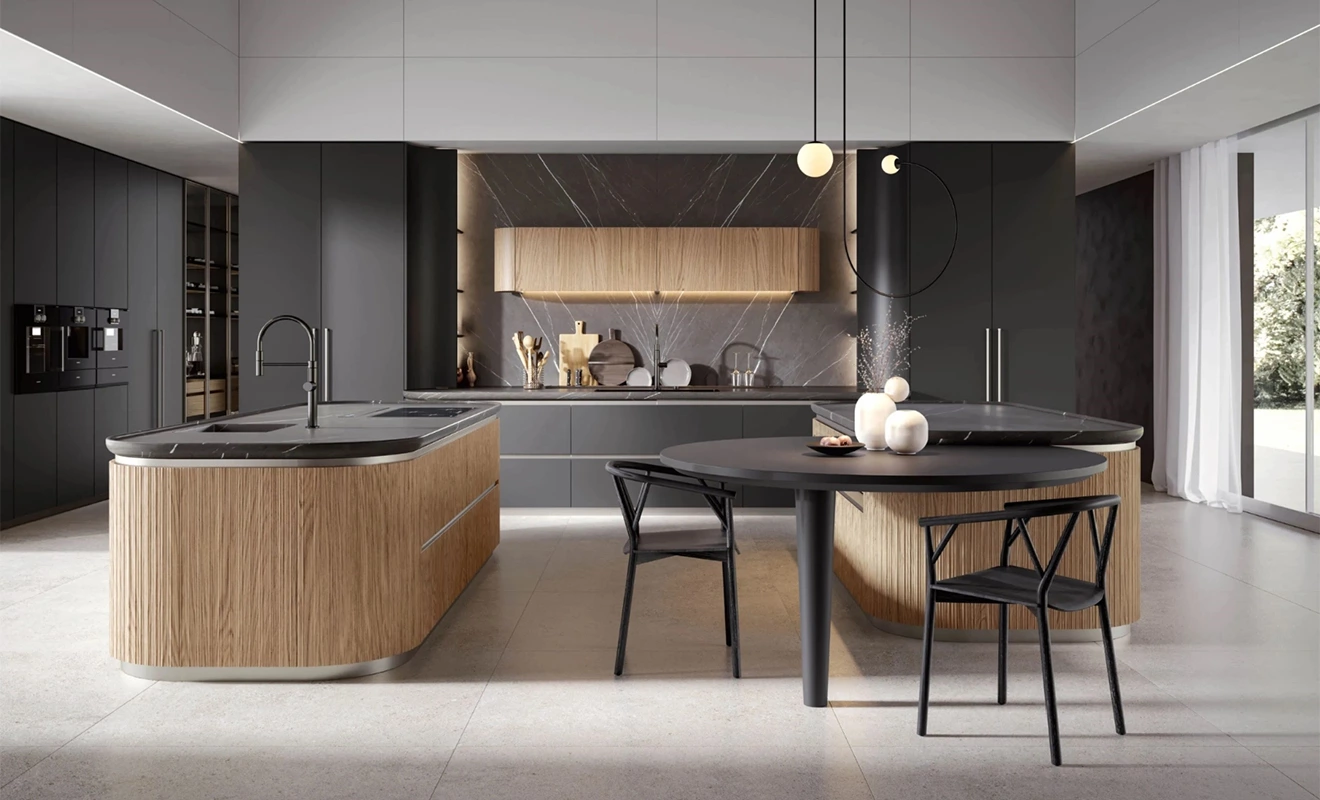
Pinterest kitchens rarely show:
- stains
- scratches
- maintenance problems
Real-life performance matters more than showroom visuals.
Buying Cheap Quartz
Low-grade quartz often:
- yellows
- cracks
- loses surface quality faster
Not all quartz is equal.
Ignoring Cabinet Structure
Heavy stone countertops require proper cabinet support.
Weak cabinetry can create structural issues later.
Following Trends Blindly
Some trendy materials look impressive online but age poorly in practical kitchens.
Timeless functionality usually outperforms short-term design trends.
Which Countertop Material Is Best for Your Project?
Best for Luxury Villas
- marble
- quartzite
- premium porcelain
Best for Family Kitchens
- quartz
Best for Budget Projects
- laminate
Best for Heavy Cooking
- granite
- porcelain
Best for Outdoor Kitchens
- porcelain
- granite

Final Thoughts
The best kitchen countertop is not simply the most expensive one.
It is the material that best matches:
- your lifestyle
- cooking habits
- maintenance expectations
- design goals
- long-term budget
A beautiful kitchen should not only look impressive on installation day.
It should still perform beautifully years later.
That’s the difference between choosing a countertop based on trends and choosing one based on real project experience.
Need Help Choosing the Right Countertop?
At ALLURE, we help homeowners, developers, and villa projects select countertop materials based on:
- design style
- durability expectations
- project budget
- long-term performance
Whether you are planning:
- a luxury villa
- apartment development
- modern kitchen renovation
- full-house customization project
Our team can help you choose the right solution with factory-direct support and professional guidance.
Contact ALLURE today for expert recommendations and quotation support.


