Oct 09, 2026
Exploring Customized Home Furnishing Partnerships Through Design and Manufacturing

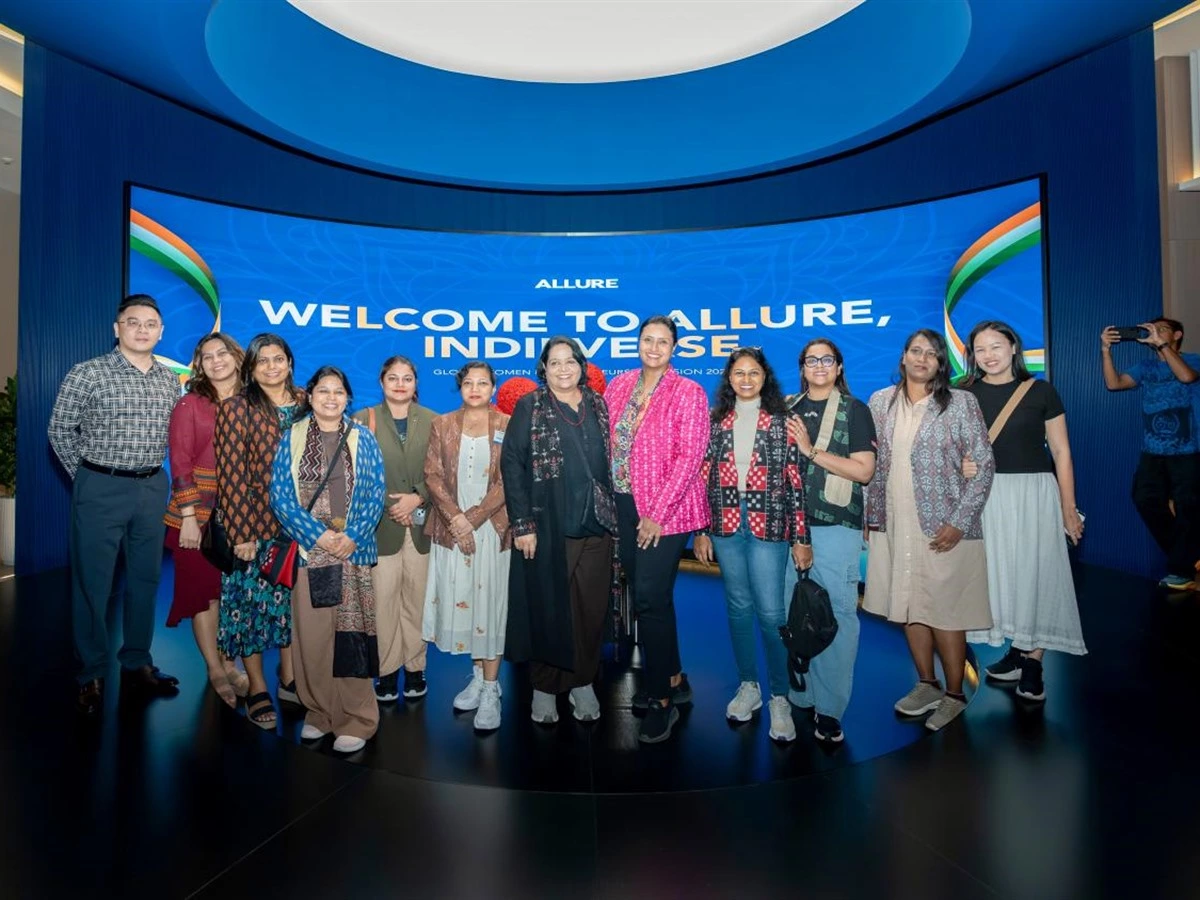
On October 6, 2026, seven designers from India visited ALLURE to explore its showroom and manufacturing base. Focusing on their project needs, they gained a deeper understanding of product design, material applications, and manufacturing capabilities, while exploring opportunities for direct cooperation with ALLURE.
Understanding Products and Spaces from a Designer’s Perspective
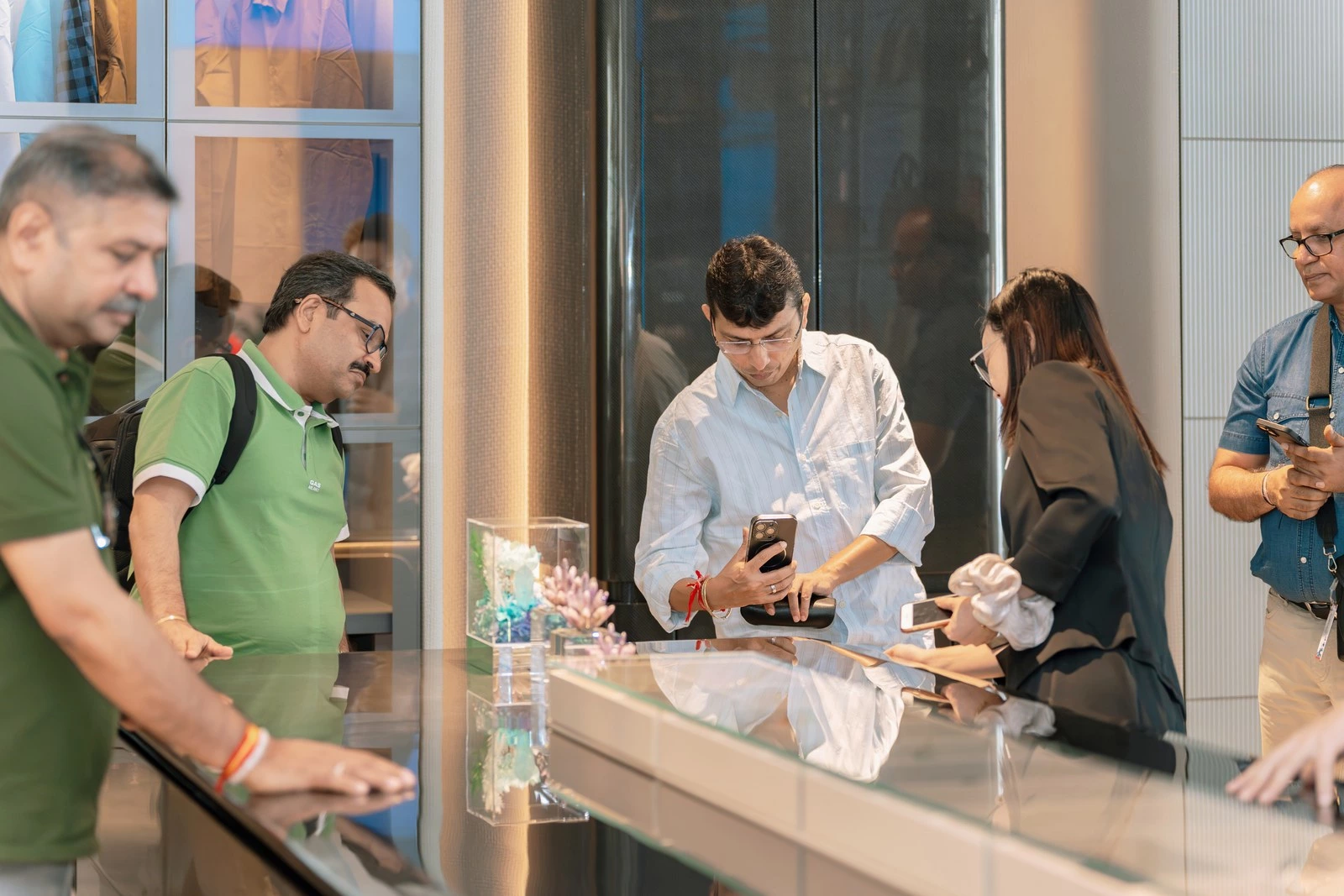
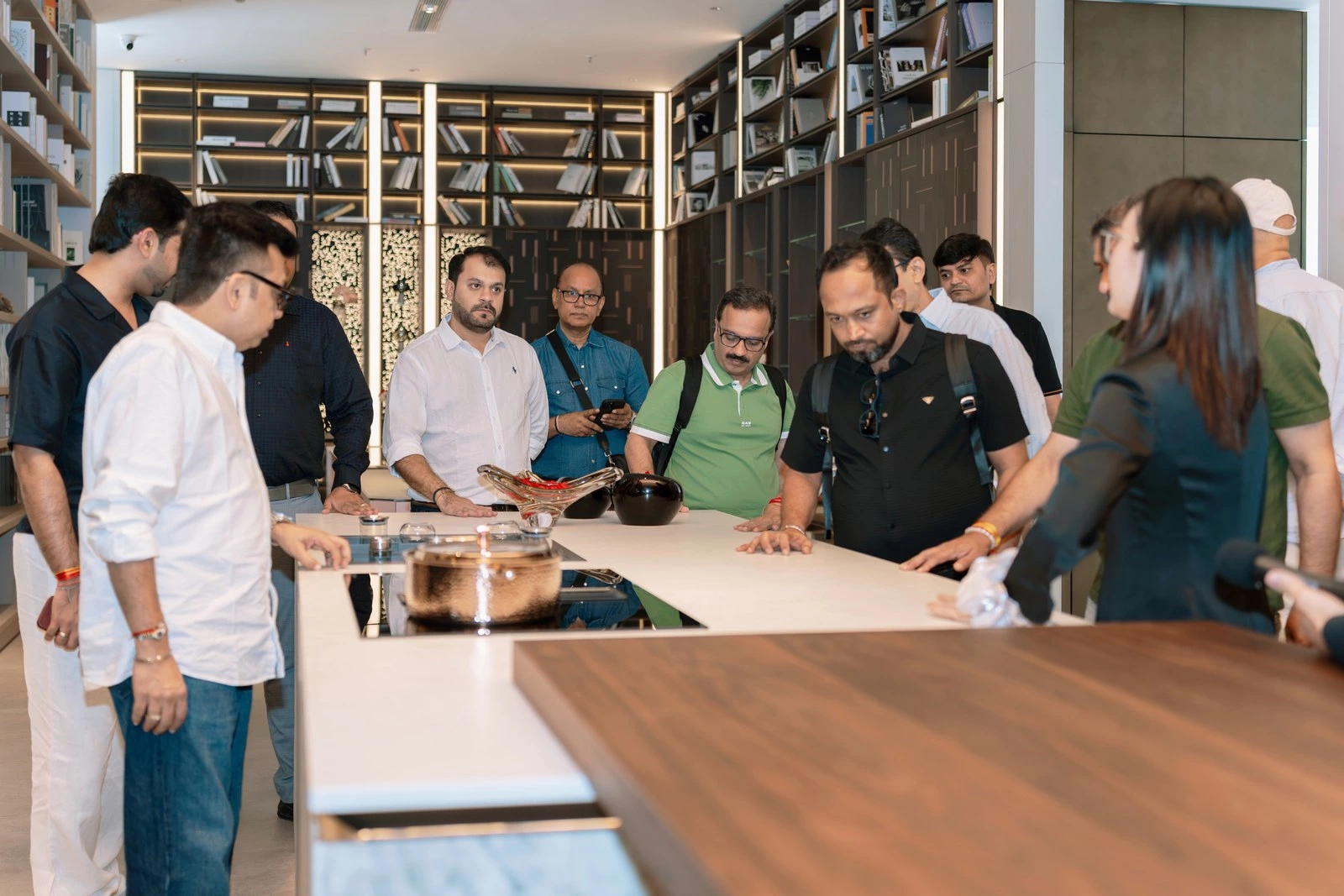
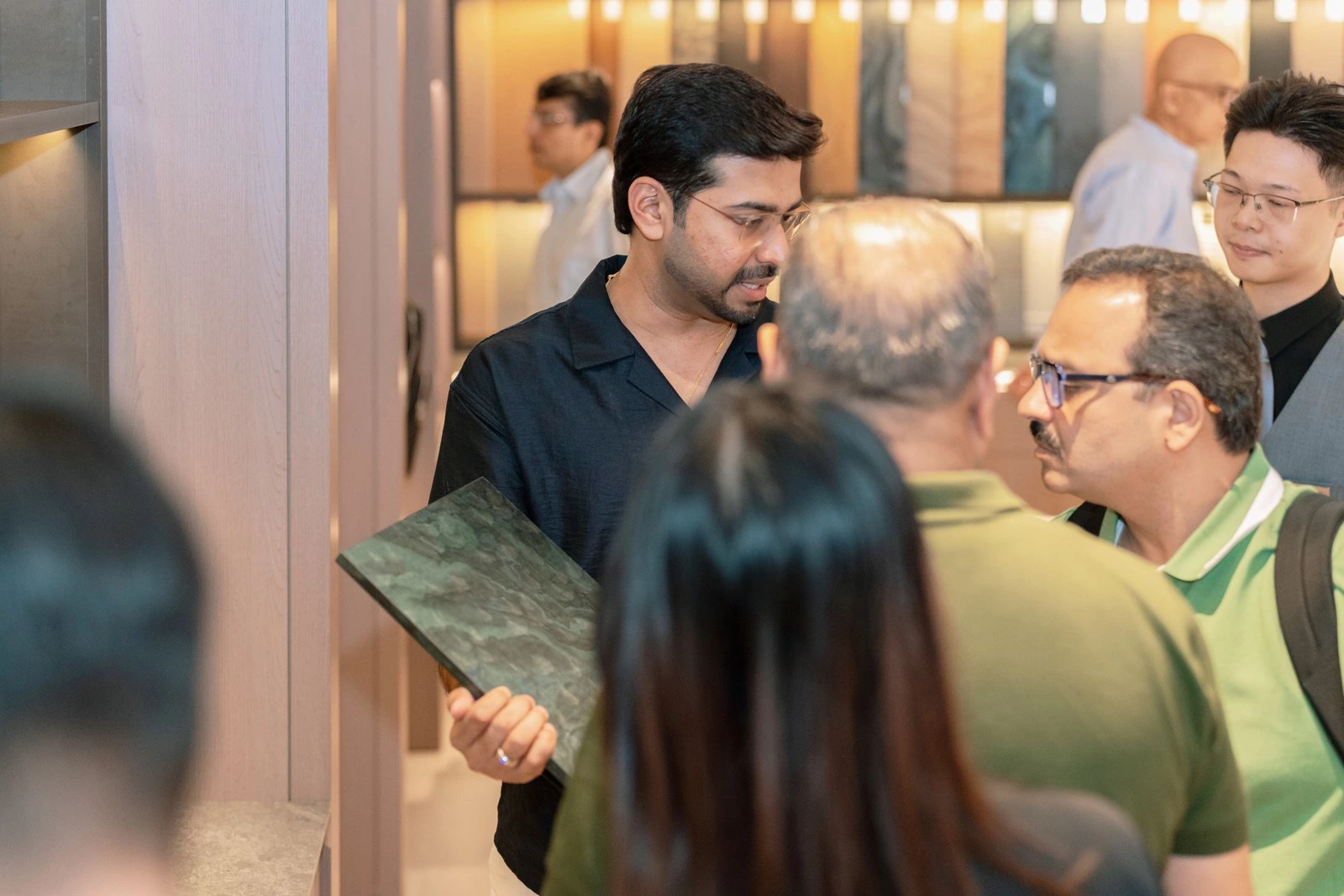
At the ALLURE showroom, the designers explored kitchens, wardrobes and walk-in closets, bathrooms, and whole-home customized spaces, with a focus on how different products are applied through materials, colors, functional configurations, and detailing.
Based on their project needs, the designers also looked more closely at kitchen layouts, walk-in closet storage solutions, and the selection of materials and hardware. This gave them a clearer understanding of how different products can be applied to specific spaces and integrated into design proposals.
For customized home projects, product selection needs to align with the space, client requirements, and overall design proposal. A deeper understanding of the products provides a more practical basis for evaluating their application and implementation in future projects.
Seeing the Manufacturing Capability Behind the Products
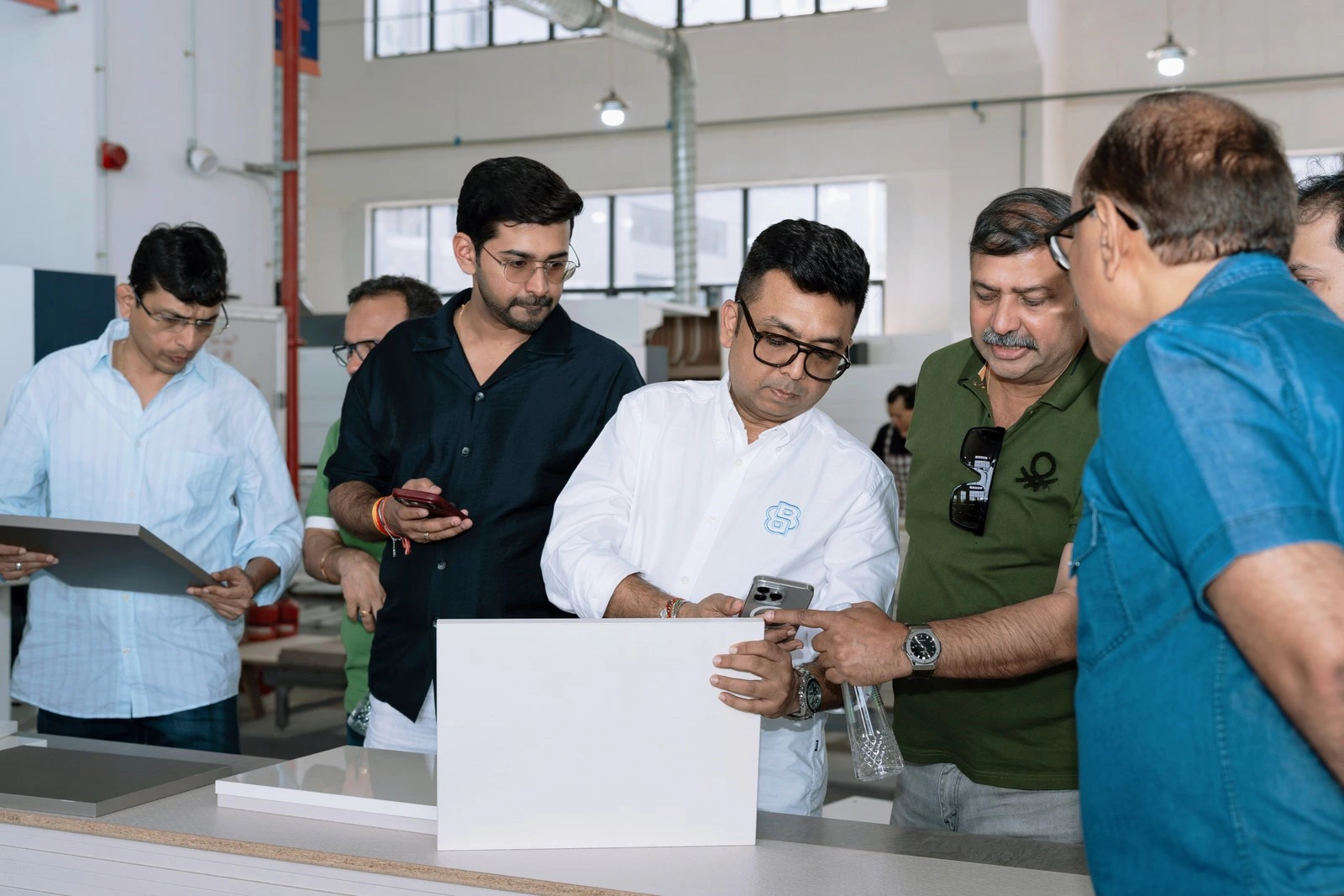
Design proposals ultimately need to be brought to life through manufacturing. During the factory visit, ALLURE introduced the designers to key manufacturing processes, including panel cutting, edge banding, drilling, special processes, pre-assembly, and quality inspection.
For designers evaluating potential cooperation, visiting the factory provides more than an overview of the production process. It also offers an important basis for assessing whether a manufacturing partner can support actual projects. By observing the equipment, production details, and quality control processes firsthand, the designers gained a more concrete understanding of ALLURE’s production capabilities, manufacturing standards, and quality requirements.
Customized home projects often involve a high level of personalization. Manufacturing capability directly affects whether design details can be accurately realized and whether products can be consistently completed according to project requirements. From material processing and product assembly to process control and quality inspection, every stage of manufacturing can influence the final product quality and project implementation.
For designers, understanding the manufacturing process therefore provides an important basis for evaluating product feasibility and a manufacturing partner’s ability to support their projects.
Exploring Cooperation from Design to Manufacturing
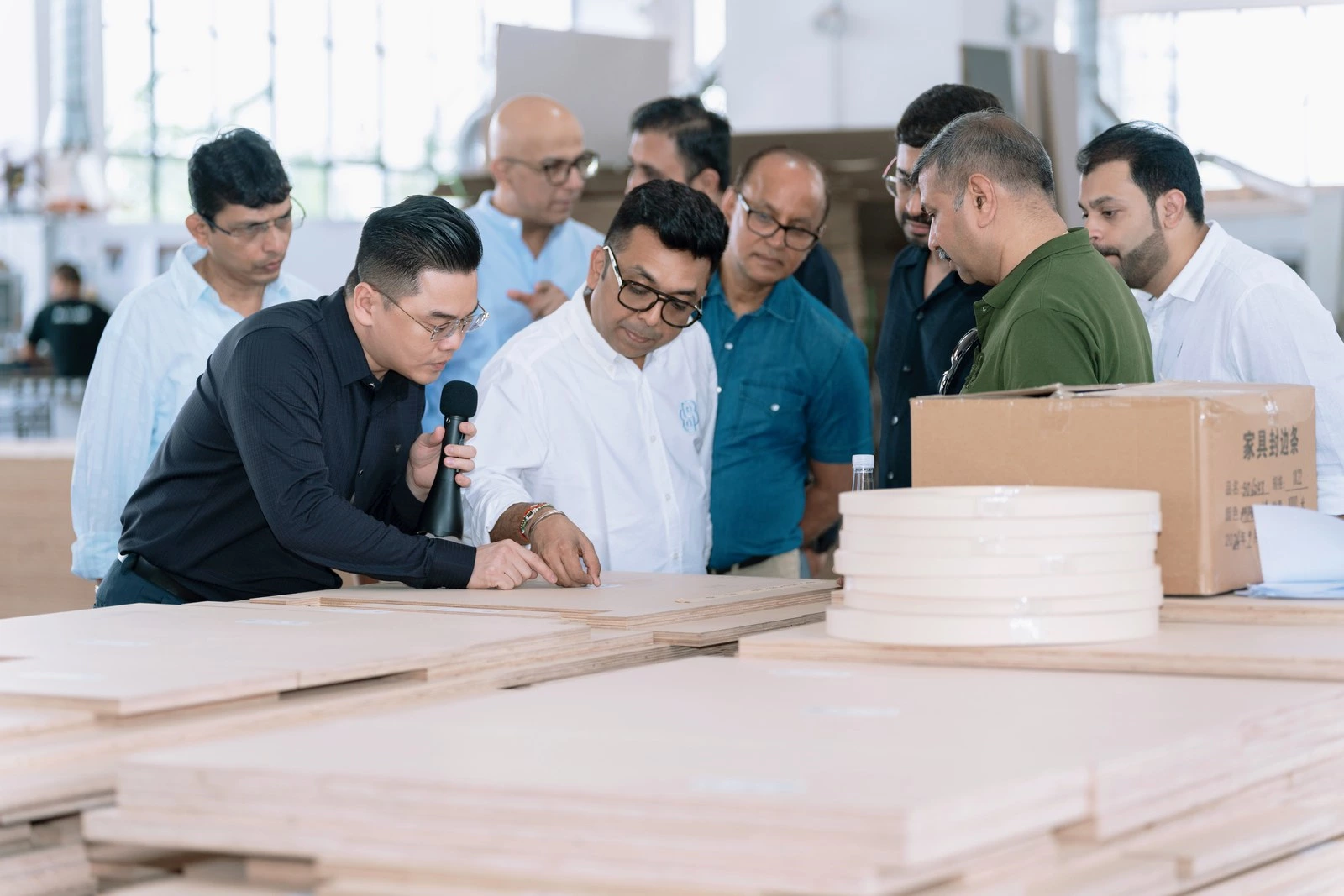
The visit focused on actual project needs. Based on projects currently underway or in planning, the designers from India discussed product applications, material selection, functional configurations, quality standards, and manufacturing support with the ALLURE team, exploring how ALLURE’s products and manufacturing capabilities could meet specific project requirements.

ALLURE General Manager Ricky Lin noted that bringing a project from design to completion requires cooperation among designers, suppliers and clients. Designers bring the concepts and client requirements, while suppliers turn those ideas into actual products, making communication throughout the project important. With more than 18 years of experience, ALLURE continues to update its products, equipment and management to better serve clients and projects in different markets. Following this visit, ALLURE looks forward to further communication and cooperation through future projects.
India has long been one of the overseas markets that ALLURE focuses on. By connecting directly with Indian designers around specific projects, the visit also gave ALLURE a deeper understanding of the market’s practical needs in terms of products, materials, functions, and manufacturing support.

Among the seven designers visiting ALLURE, Nihit Chimanlal Waghela had previously worked with ALLURE on a project in the United States. During this visit, he shared his experience of working with ALLURE, noting that being able to communicate directly with the factory on design, materials, hardware and manufacturing is helpful when developing a project. He also brought new project requirements to this visit and hopes to continue working with ALLURE in the future.
For customized home projects, design and manufacturing are closely connected. Design determines the direction of the space and products, while manufacturing capability determines whether design details can be accurately realized and ultimately delivered into real projects. During the visit, the designers explored design applications from the product side, assessed production capabilities and quality standards from the manufacturing side, and considered how well these capabilities matched their actual project needs.
From design proposals and product selection to manufacturing and final delivery, effective cooperation is built on a shared understanding of project requirements and professional capabilities. ALLURE looks forward to building direct cooperation with more international design partners around actual projects, supporting customized home projects in different markets through its design and manufacturing capabilities.