Cabinetry, as a pivotal element in the kitchen, not only serves the function of storage but also plays a crucial role in enhancing overall aesthetics and practicality. When choosing cabinets, aside from the usual considerations of style, functionality, and quality, there are numerous subtle details to take into account.
Kitchen cabinet customization is most successful when it begins with the way a household actually cooks, stores, cleans, and entertains. A beautiful cabinet façade is important, but the right layout, materials, internal organization, and hardware will determine how comfortable the kitchen feels for years to come. This guide expands on six essential planning considerations before you finalize your cabinet design.
Whether you are renovating a compact apartment kitchen or planning a spacious open-concept home, a well-designed custom kitchen cabinet system can make every available inch work harder. Use the following checklist to compare ideas with your designer, contractor, or cabinet supplier.
Space Planning and Layout
Before cabinet selection, meticulous space planning and layout analysis are vital. Begin with accurate measurements to ensure the cabinet dimensions harmonize with the kitchen space. Strategically arrange cabinets considering functionality and workflow to ensure convenience and smooth operations in daily use.
Corner Utilization: Install corner cabinets to maximize storage space efficiency in corner areas. Height Arrangement: Tailor cabinet height based on individual stature and habits for easier access.
Work Triangle: Maintain reasonable distances between the main work zones (cooking, washing, and storage) to enhance operational efficiency.
During kitchen cabinet customization, measure not only wall lengths but also door swings, windows, ceiling height, appliance clearances, and walkways. An L-shaped layout can make excellent use of a corner, while a U-shaped layout can provide generous storage and countertop space. In an open kitchen, an island or peninsula may add preparation space and create a natural transition to the dining area.
Plan the refrigerator, sink, cooktop, and preparation area as connected working zones rather than isolated features. Keep regularly used cookware close to the cooktop, dishes near the dishwasher or dining area, and cleaning supplies near the sink. For more layout inspiration, explore these simple kitchen cabinet design ideas.
Material and Quality Selection
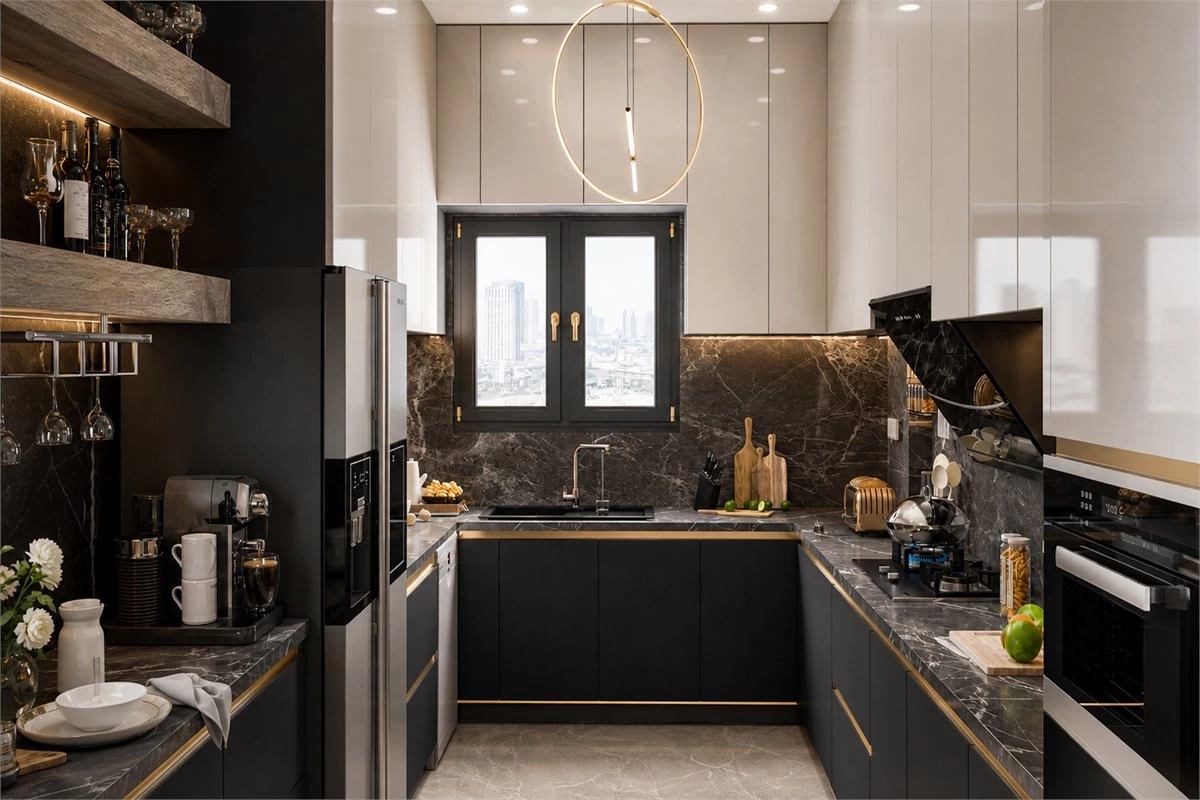
Choosing the right cabinet material and quality is key to ensuring durability and long-term use. Remember to consider the following material options and quality considerations:
Solid Wood: Cabinets crafted from solid wood exhibit natural beauty and texture but require regular maintenance to prevent warping and damage.
Engineered Wood: Cabinets made from engineered wood offer a relatively lower price point along with good durability and stability. Opting for High-Density Fiberboard (HDF) or Medium-Density Fiberboard (MDF) provides enhanced quality.
Steel: Steel cabinets exude a modern aesthetic and sturdiness, making them suitable for industrial-style kitchens or those seeking long-lasting durability.
Material selection should reflect the kitchen environment as well as the visual style. Consider humidity, temperature changes, direct sunlight, cleaning habits, and how frequently the kitchen is used. For example, a busy family kitchen may prioritize moisture-resistant materials, durable edging, and easy-clean surfaces, while a statement kitchen may place greater emphasis on natural wood grain, metal details, or specialty finishes.
Ask the supplier what material is used for cabinet boxes, doors, back panels, and shelves. These components do not always use the same material, and their construction affects overall stability. Clear information about substrate, finish, edge banding, and care requirements will make a kitchen cabinet customization decision more reliable.
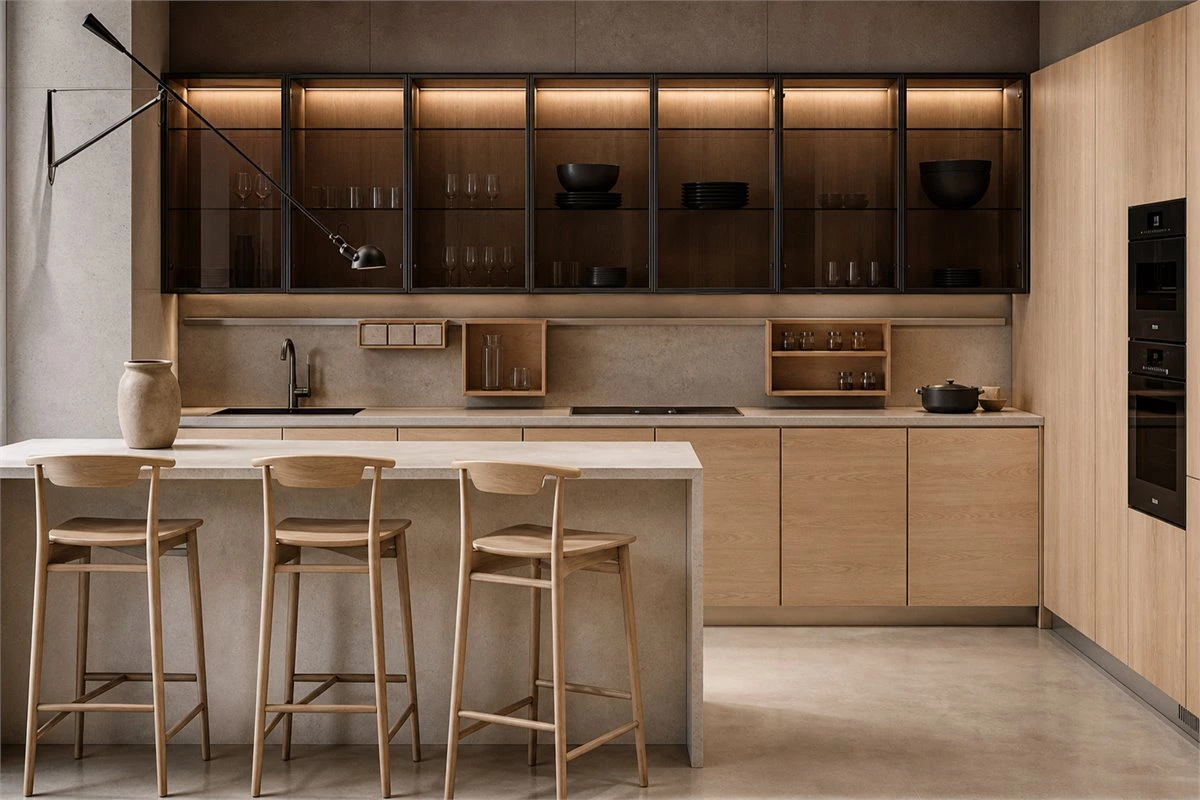
In addition, pay attention to the following quality details:
Structural Stability: Ensure the cabinet's frame and connectors are robust and reliable, providing lasting support and stability.
Smooth Operation of Doors and Drawers: Test the smoothness of opening and closing cabinet doors and drawers to ensure seamless operation.
Durability: Understand the selected material's resistance to water, antibacterial properties, and wear resistance to adapt to the daily demands of the kitchen environment.
Quality hardware deserves the same attention as visible door panels. Open drawers fully, test door alignment, and check whether drawer slides can support the intended load. Soft-close hinges and full-extension runners can improve the everyday experience, especially for deep drawers storing dishes, cookware, or food containers.
Style and Design
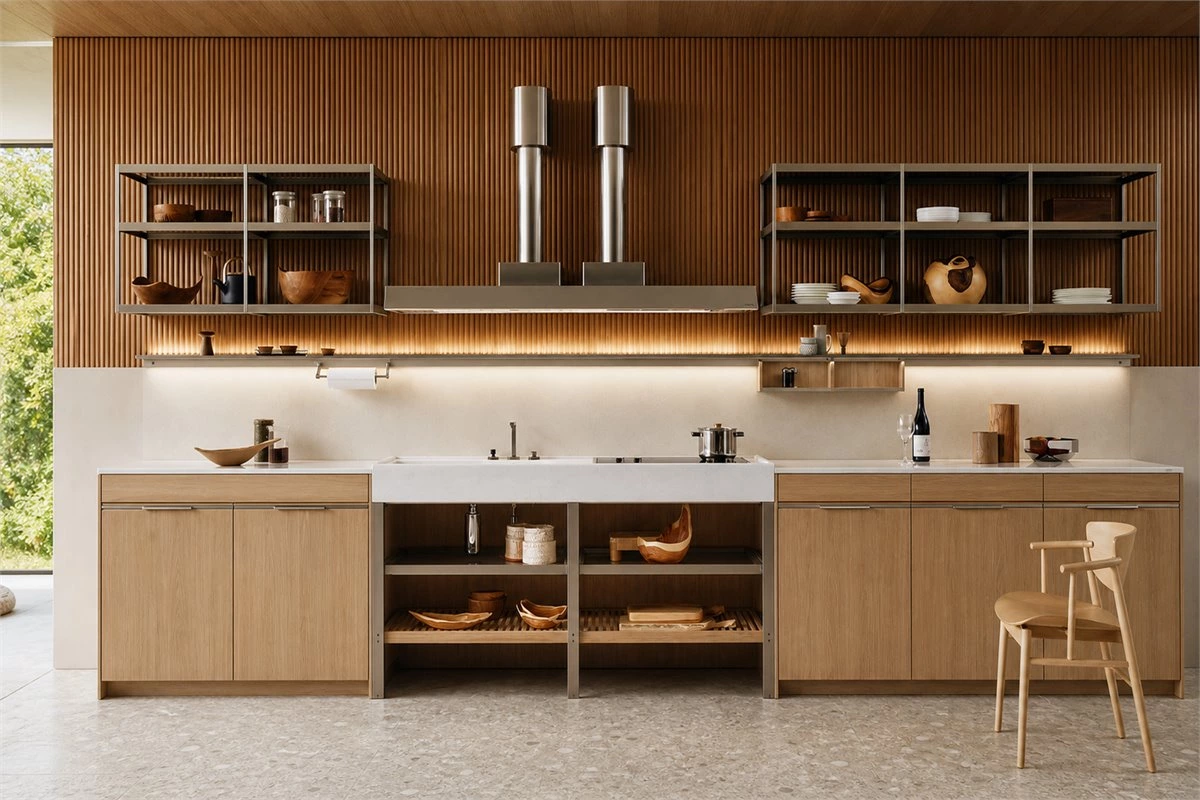
Cabinet style and design are crucial factors in determining the overall aesthetics of the kitchen. When choosing cabinet styles, consider coordination with the overall interior design to create a harmonious visual effect.
Finish: Choose different finishes like flat panels, raised panels, or carvings to suit various interior styles and personal preferences.
Handle: Consider handle styles and materials that match the cabinet style while ensuring comfort and usability.
Countertop: Select an appropriate countertop material like quartz, sintered stone, or stainless steel based on the overall kitchen design and personal preferences.
Choose a design direction before mixing finishes. Flat-panel doors and integrated pulls suit a minimalist kitchen, while framed doors and visible hardware can create a more classic or transitional look. A balanced material palette usually combines one dominant cabinet finish with one or two supporting tones in the countertop, backsplash, floor, or metal details.
When selecting handles, test them in person if possible. They should be comfortable to grip, proportionate to the door size, and easy to clean. If you prefer a streamlined appearance, consider handleless cabinet designs with recessed pulls, integrated channels, or push-to-open hardware.
Storage Organization
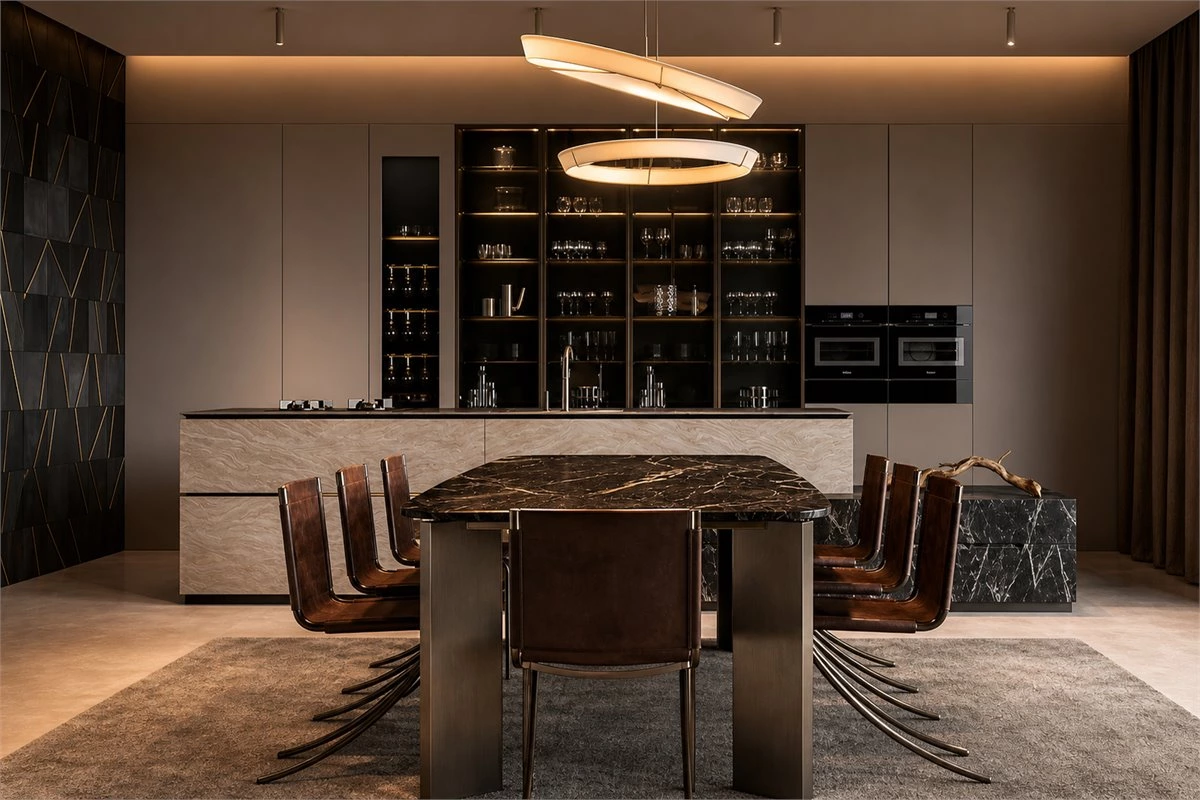
The storage organization of cabinets is crucial for kitchen usability. Choose cabinet configurations that maximize storage space utilization based on family needs and personal habits.
Drawer Systems: Opt for cabinets with dividers or nested drawers for better organization of kitchen utensils and tableware.
Shelves and Racks: Select adjustable shelves and racks to accommodate items of different heights and sizes.
Dividers and Trays: Consider using dividers and trays to organize and store small items like spice bottles and pot lids.
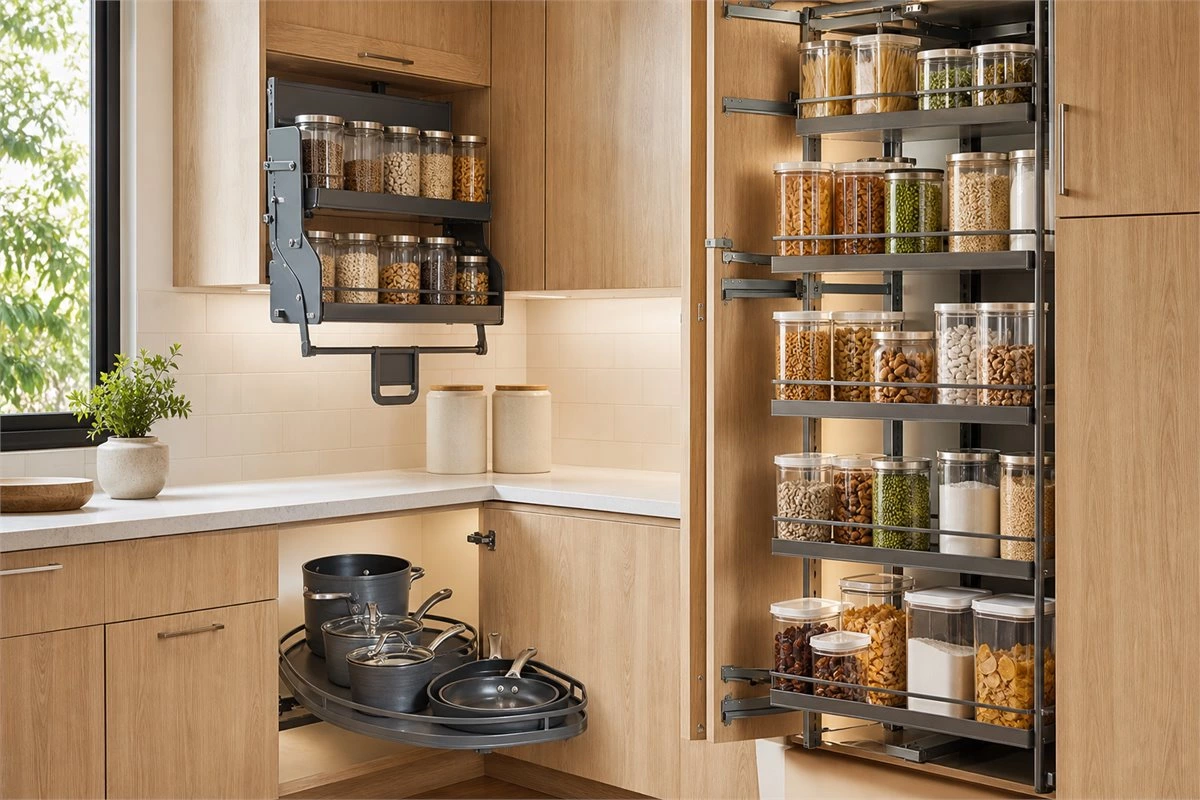
Storage planning should be specific rather than generic. Make a list of large pots, small appliances, spice jars, baking trays, recycling bins, and serving ware before deciding on cabinet sizes. Deep drawers are useful for cookware and dishes, vertical dividers keep trays upright, and narrow pull-outs can store oils, spices, or cleaning supplies close to where they are used.
A practical kitchen cabinet customization plan uses the base cabinets for heavier items and reserves upper cabinets for lighter, occasional-use items. If your kitchen includes a corner cabinet, rotating shelves or pull-out systems can make the farthest space easier to access. For more detailed storage ideas, read these base cabinet organization tips.
Detail Considerations
When choosing cabinets, consider details that enhance usability and ease of maintenance.
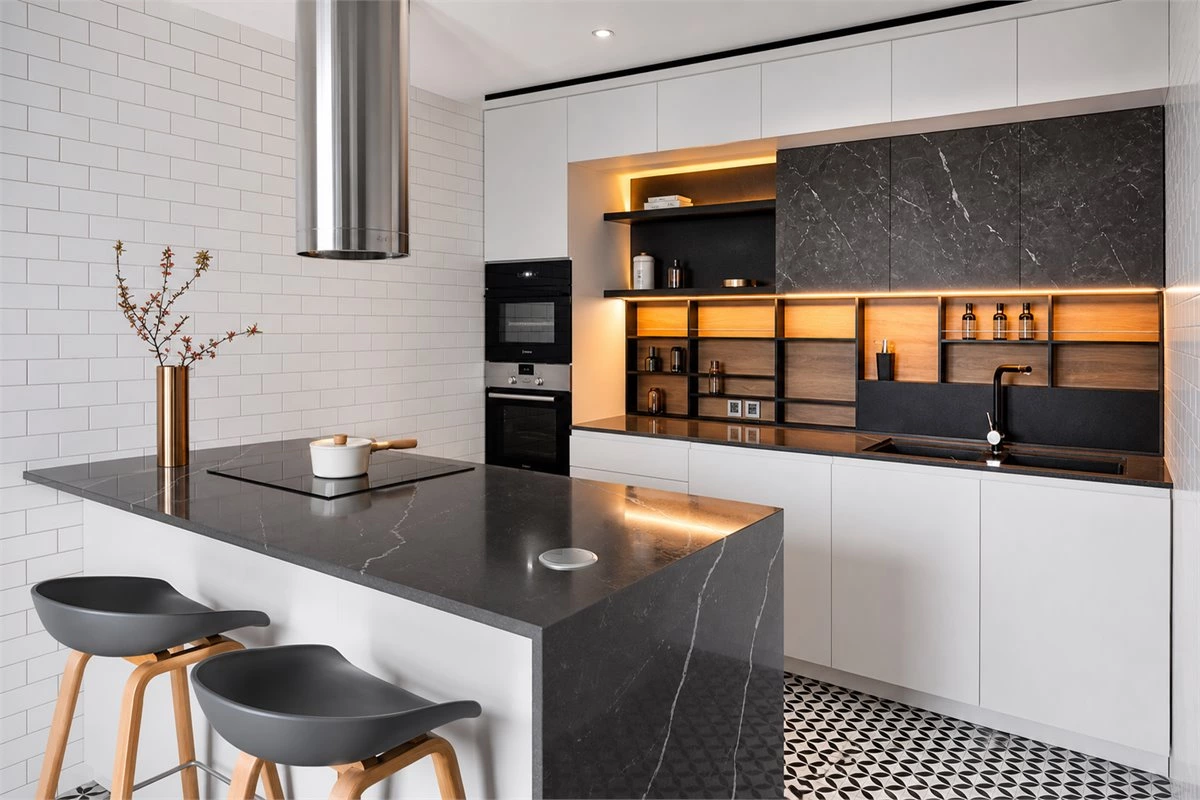
Internal Lighting: Contemplate installing lighting systems inside cabinets to improve visibility and usability.
Cleaning: Choose materials and designs that are easy to clean and maintain to reduce the challenges of daily upkeep. For instance, opt for smooth and easily cleanable countertop materials and seamless cabinet designs to minimize opportunities for dirt and bacteria.
Small decisions often have a major effect after installation. Under-cabinet lighting improves visibility on the countertop, while interior lighting can make tall pantry units and deep drawers easier to use. Consider soft-close mechanisms, toe-kick clearance, ventilation for appliances, and outlet placement before production begins.
Easy maintenance should be part of every kitchen cabinet customization project. Matte finishes may reduce the visibility of fingerprints, while glossy surfaces can reflect more light but may need more frequent wiping. Select a backsplash, countertop edge, and cabinet-door profile that fit the amount of cleaning you are comfortable doing each week. For broader professional kitchen-planning resources, you can also visit the National Kitchen & Bath Association.
Budget and Long-term Investment
Before purchasing cabinets, establish a reasonable budget and strike a balance between price and quality. Although upfront cabinet costs may require a substantial investment, considering the cabinets' long-term use and durability makes it a worthwhile decision. Choosing reliable and durable cabinets not only meets needs for an extended period but also adds value and appeal to the entire kitchen.
Set a budget by category rather than looking only at the cabinet price. Include cabinet boxes and doors, countertops, hardware, appliances, lighting, delivery, installation, and any required electrical or plumbing work. This approach makes it easier to identify where a higher investment will provide a meaningful long-term benefit.
For example, durable drawer slides and hinges can be worth prioritizing in high-use areas, while decorative upgrades may be adjusted to match the budget. Ask for a clear quotation that identifies materials, hardware, finishes, included accessories, and installation scope before finalizing the order.
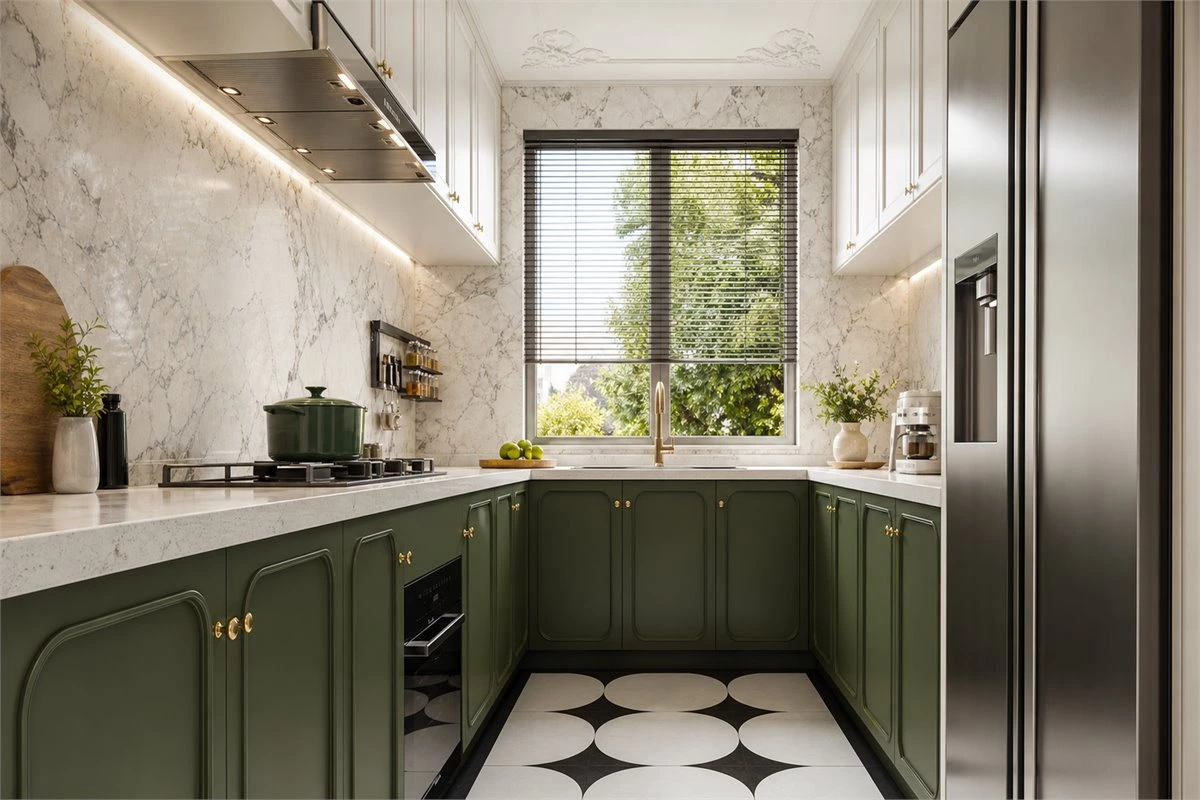
Besides the initial purchase cost, consider the long-term maintenance and upkeep costs of cabinets. Understand the characteristics and maintenance requirements of the materials to ensure proper care, prolonging the cabinets' lifespan and appearance.
Kitchen Cabinet Customization Checklist Before Ordering
- Confirm final room measurements, appliance models, window positions, and plumbing locations.
- Review the workflow between storage, washing, preparation, cooking, and serving zones.
- Compare cabinet materials, edge finishes, door construction, and moisture resistance.
- Test door hinges, drawer slides, pulls, and storage hardware where possible.
- Plan drawer interiors, pantry storage, spice storage, waste bins, and corner solutions.
- Confirm the quotation, production drawings, lead time, delivery details, and installation responsibilities.
Frequently Asked Questions
What should I decide first when customizing kitchen cabinets?
Start with accurate measurements, appliance locations, and the kitchen layout. Once the workflow and available space are clear, you can make better decisions about cabinet sizes, storage, materials, and finishes.
Which kitchen cabinet material is best for a humid environment?
The best option depends on the cabinet construction and finish as well as the material itself. Look for moisture-resistant materials, durable edge sealing, and surfaces that are easy to clean. Ask the supplier how the cabinet box, door panels, and edges are protected from moisture.
Are drawers better than shelves for base cabinets?
Drawers are often easier to use because they bring items fully into view. Deep drawers work especially well for pots, pans, dishes, and food containers, while shelves may still suit larger appliances or specialized pull-out organizers.
How much should I budget for kitchen cabinet customization?
Budget requirements vary with kitchen size, materials, door styles, hardware, countertops, and installation. Compare complete quotations carefully, and prioritize durable construction and functional hardware in the areas you use most often.
Final Thoughts
Successful kitchen cabinet customization balances visual appeal with daily performance. By planning the layout, choosing durable materials, organizing storage thoughtfully, and investing in the details that matter most, you can create a kitchen that remains functional, comfortable, and visually cohesive over time.