When it comes to choosing kitchen cabinets, most of us focus on the exterior look—the finish, the color, the handles. But what’s underneath those sleek doors matters just as much. The core material plays a vital role in the durability, functionality, and cost of your kitchen cabinetry. Today, we’re diving deep into two of the most widely used cabinet core materials: Particle Board and MDF (Medium-Density Fiberboard). While they may look similar on the outside, the differences inside can significantly impact performance.
Particle Board Kitchen Cabinets: Lightweight & Budget-Friendly
Particle board, also known as chipboard, is made from compressed wood chips, sawmill shavings, and resin. It’s a cost-effective material that’s commonly used as the base for laminate or melamine kitchen cabinets.
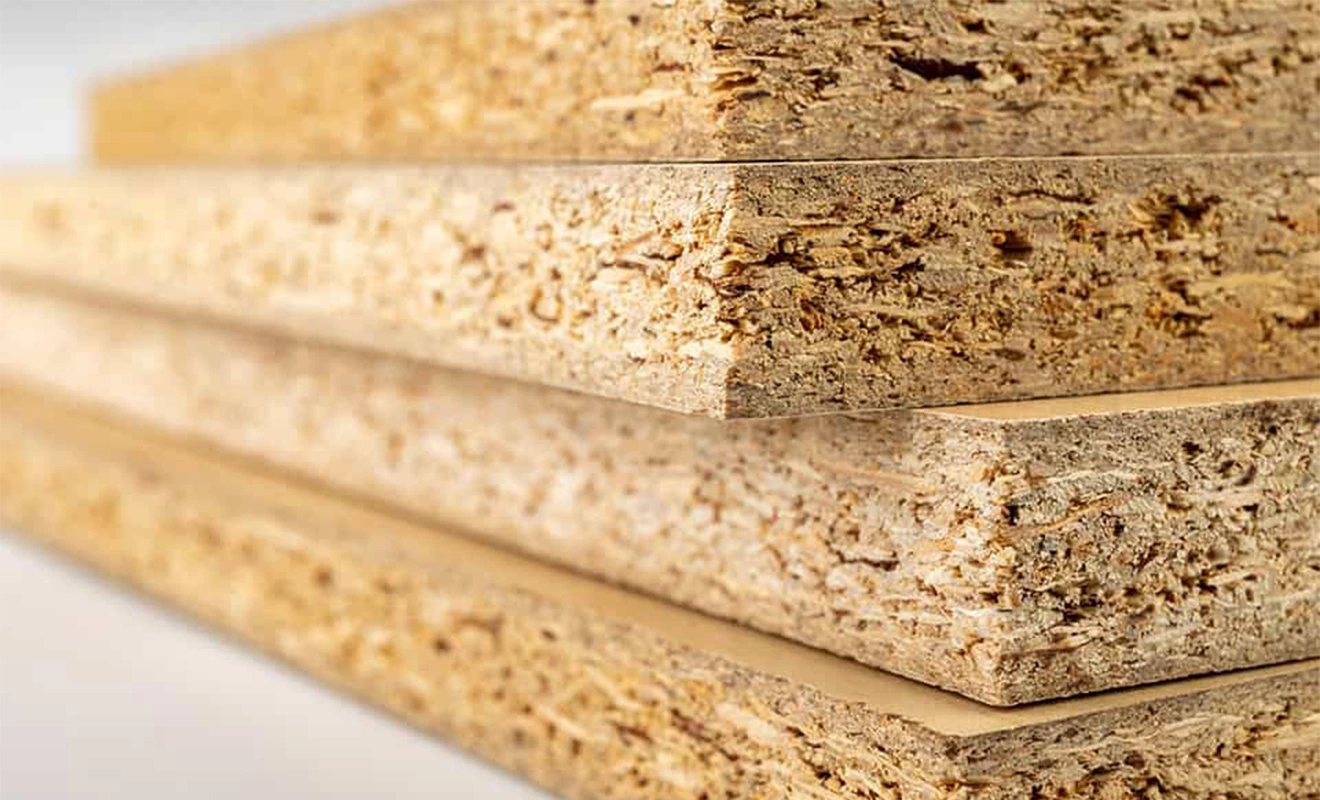
Pros of Particle Board
Affordability First: One of the least expensive core materials, ideal for homeowners on a tight budget or for short-term renovation needs.
Lightweight Structure: Easier to handle during transport and installation, especially in upper cabinet units.
Smooth Surface for Laminates: Its flat surface makes it a solid base for finishes like melamine or PET, offering a clean look at a lower cost.
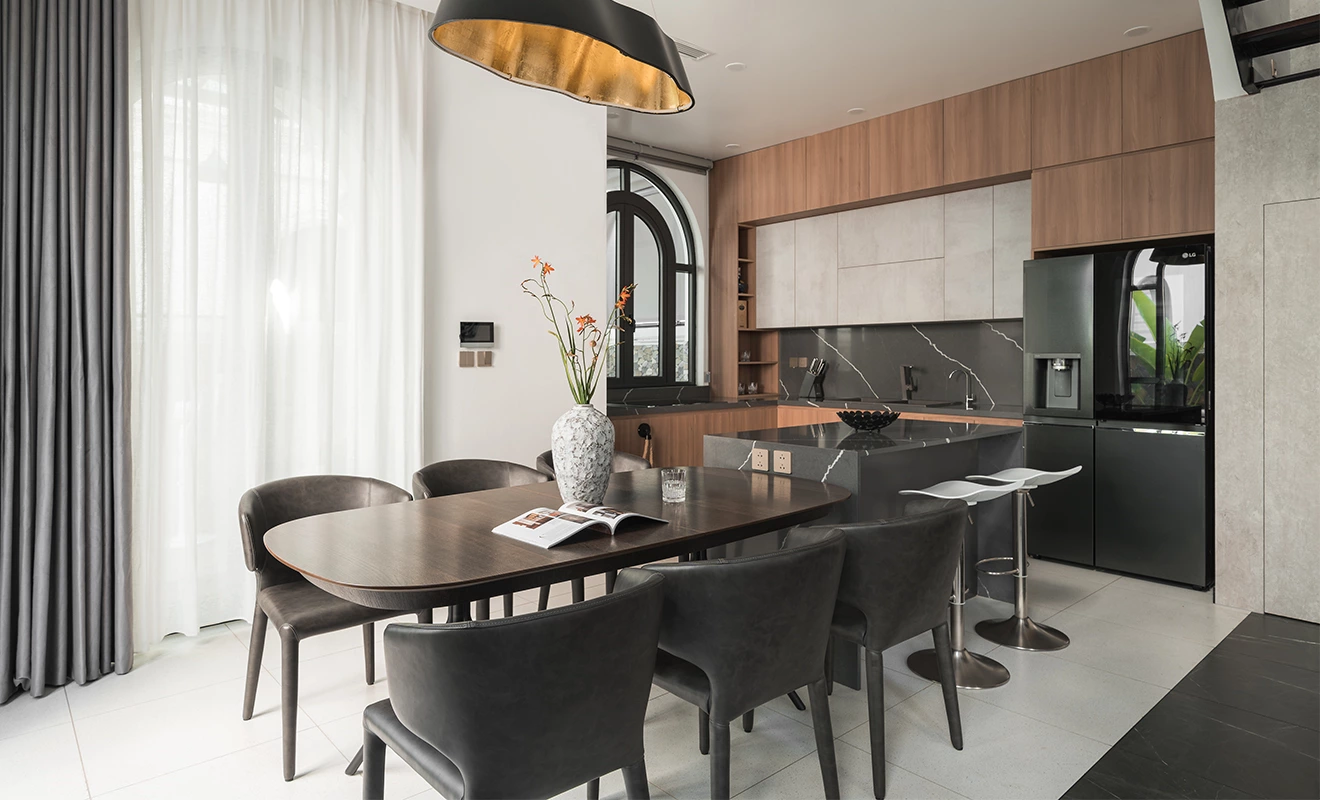
Cons of Particle Board
Lower Moisture Resistance: Susceptible to swelling and disintegration if exposed to water for prolonged periods.
Weak Screw Holding Power: Over time, hinges and hardware may loosen, especially in high-use areas like base cabinets or drawers.
Shorter Lifespan: Not as durable or impact-resistant as higher-density core materials.
MDF Kitchen Cabinets: Smooth, Stable, and Design-Ready
MDF (Medium-Density Fiberboard) is engineered from fine wood fibers fused together under high pressure. Denser and stronger than particle board, it’s a favorite for painted finishes and curved or decorative cabinet profiles.
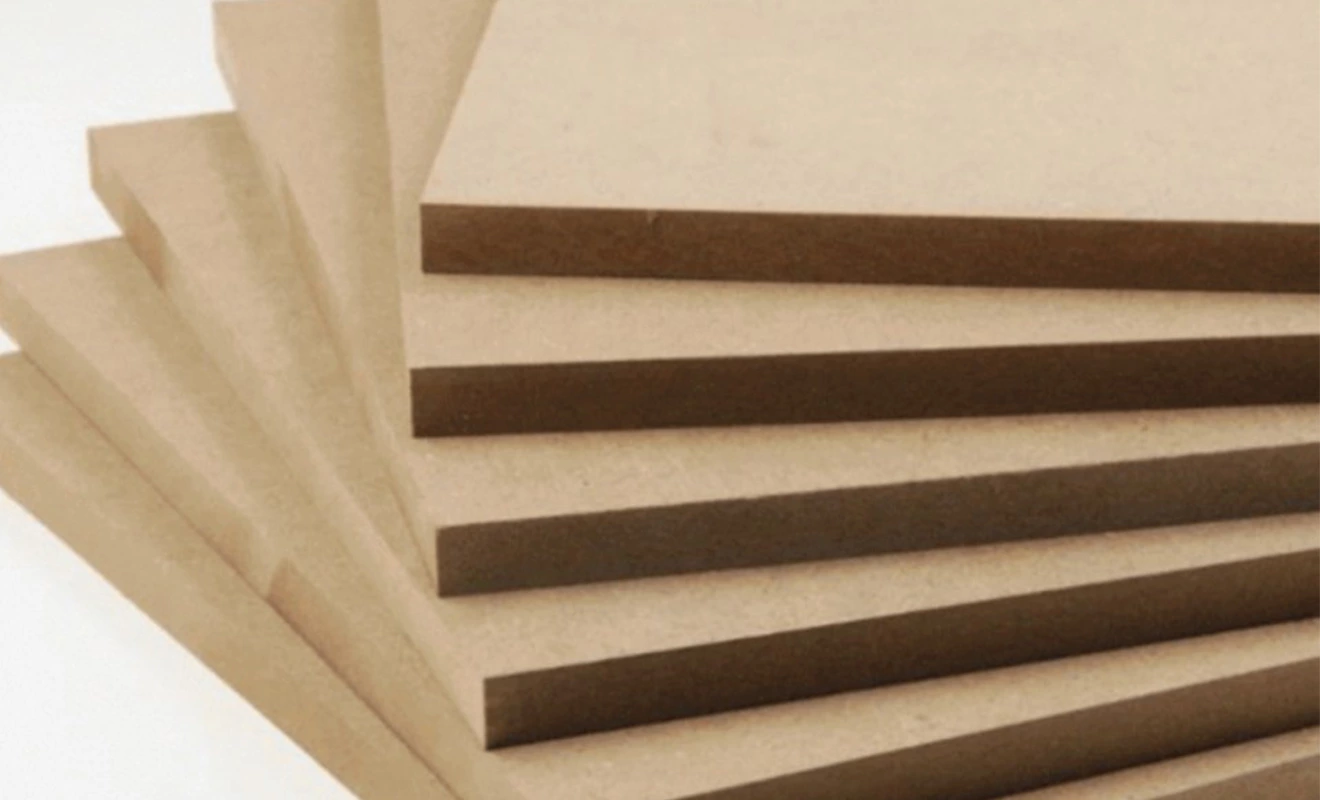
Pros of MDF
Exceptionally Smooth Surface: Ideal for painted or lacquered finishes, resulting in a refined, flawless look.
Better Structural Integrity: Offers stronger screw-holding capacity than particle board, making it more reliable for drawer boxes and door hinges.
Resistant to Warping: Unlike solid wood, MDF won’t expand or contract significantly with humidity changes—great for kitchen environments.
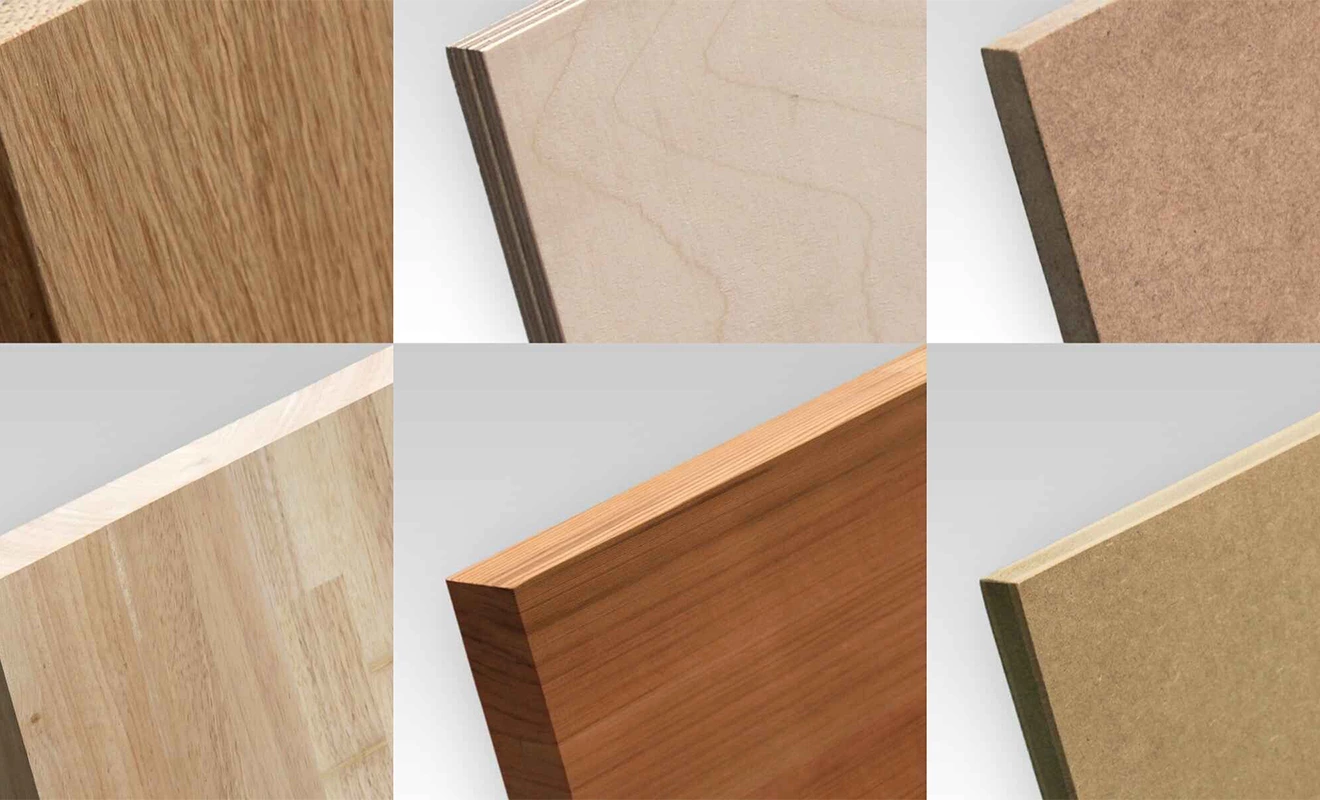
Cons of MDF
Heavier Weight: More difficult to lift and install than particle board, especially in large-format doors.
Moisture Sensitivity: While more resistant than particle board, it still needs proper sealing and edge banding to prevent water damage.
Challenging to Repair: Once chipped or damaged, repairs can be tricky and may require filler and repainting.
| Feature | Particle Board | MDF |
| Cost | lowest | moderate |
| Weight | light | heavier |
| Durability | low | medium-high |
| Screw Holding Strength | weak | stronger |
| Ideal for Painted Finishes | no | yes |
| Moisture Resistance | low | Medium (with sealing) |
| Lifespan | shorter | longer |
| Eco-Friendliness | often recycled content | often recycled content |
Allure Helps You Choose the Right Cabinet Core Material
At Allure, we know there’s no one-size-fits-all answer when it comes to cabinet designs, so we look at your lifestyle, kitchen layout, and design goals to recommend the right solution:
For a budget-conscious makeover, particle board cabinets are a smart, economical choice for low-traffic kitchens or short-term renovations like rental units or staging properties.
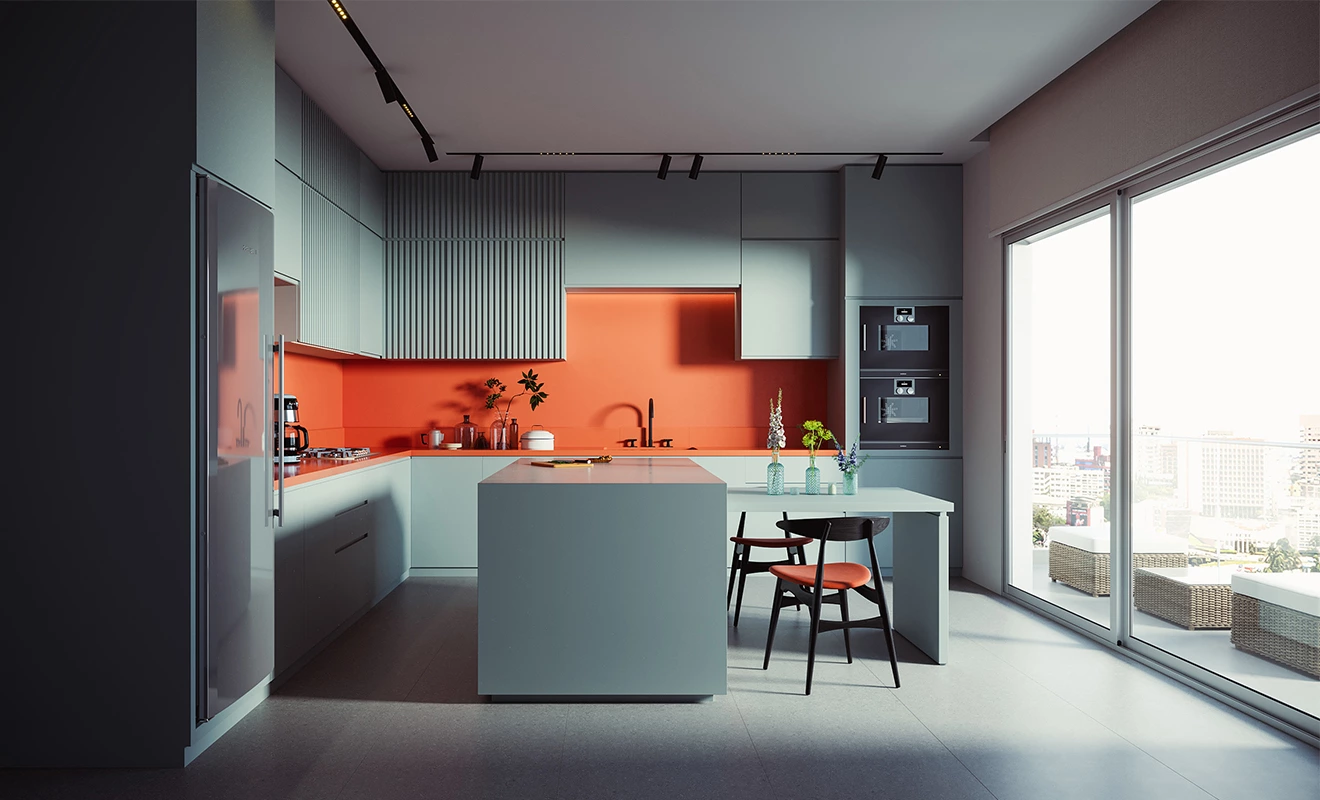
For family homes or high-use spaces, MDF offers a more reliable structure for doors, drawers, and hardware. It’s our go-to for smooth lacquer finishes, especially when durability and design precision are top priorities.
For custom styles and curves, MDF’s fine fiber construction makes it easy to shape, route, and paint—perfect for custom panels or cabinet doors with decorative detailing.
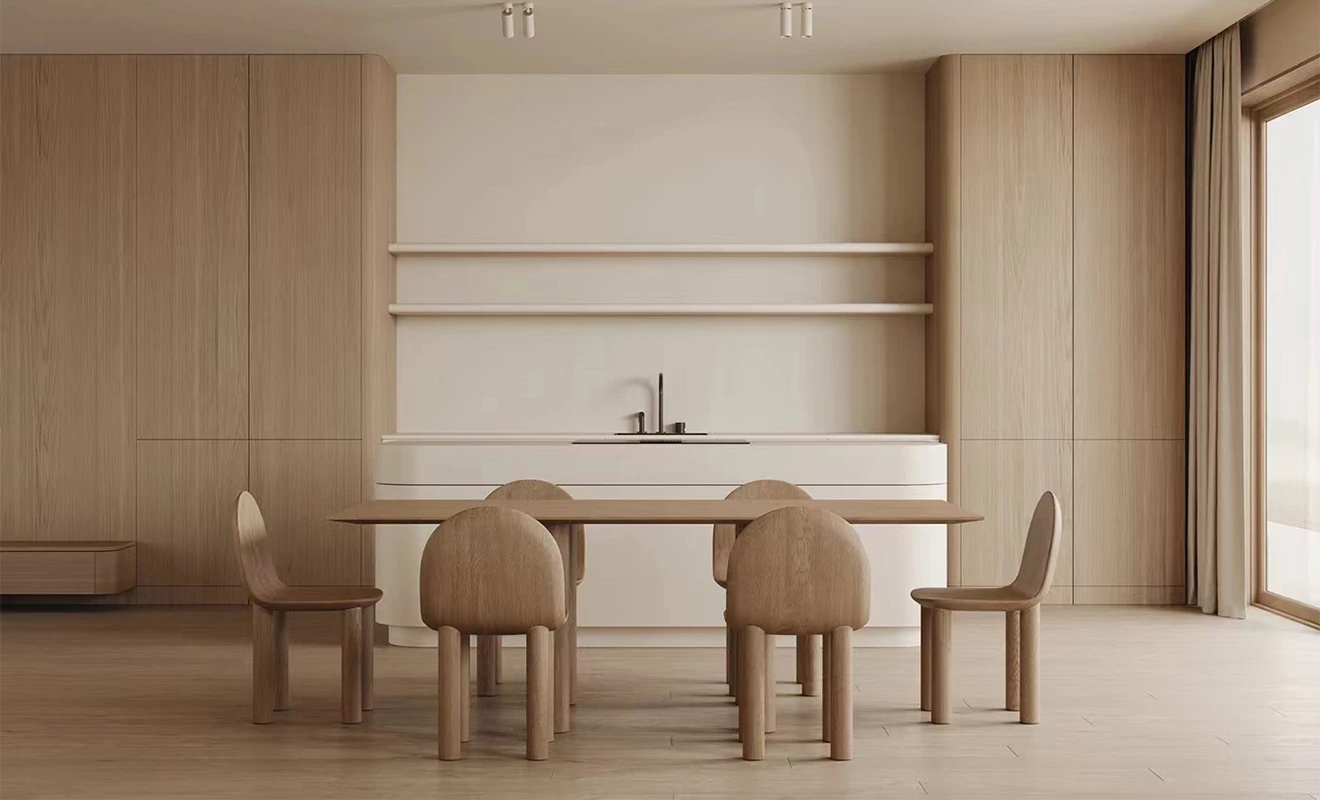
Allure’s cabinet systems are available in both particleboard and MDF cores, paired with your choice of premium finishes. From melamine and lacquer to PET and wood veneer. No matter your budget or design preference, we help you find the ideal balance of style and structure.
FAQ About Particle Board and MDF Cabinets
Are particle board cabinets good for kitchen use?
Particle board cabinets can be a practical choice for budget-friendly kitchens, rental properties, staging projects, and low-traffic areas. They are lightweight, cost-effective, and work well with melamine or laminate finishes. However, they need proper edge sealing and should be protected from long-term water exposure.
Are MDF cabinets better than particle board cabinets?
MDF cabinets usually offer better density, smoother surfaces, and stronger screw-holding performance than particle board. They are especially suitable for painted, lacquered, flat-panel, or decorative cabinet doors. Particle board is more affordable, while MDF is a better option for homeowners who want a smoother finish and more reliable daily use.
Which is more moisture-resistant, particle board or MDF?
MDF generally performs better than particle board when properly sealed, but neither material should be exposed to water for long periods. In kitchens, moisture resistance depends heavily on edge banding, surface finish, sealing quality, and installation details around sinks, dishwashers, and wet zones.
Which material is better for painted kitchen cabinet doors?
MDF is usually the better choice for painted kitchen cabinet doors because its fine fiber structure creates a smooth and consistent surface. It works well for matte lacquer, high-gloss lacquer, shaker doors, routed panels, and modern flat cabinet designs.
Is particle board cheaper than MDF?
Yes. Particle board is usually cheaper than MDF, making it suitable for homeowners who want to control renovation costs. MDF costs more, but it provides better surface quality, stronger structure, and more design flexibility for custom cabinet doors and drawers.
Do particle board cabinets last long?
Particle board cabinets can last well in dry, low-use, and well-maintained spaces. However, they are more vulnerable to moisture, impact, and loose hardware over time. For busy family kitchens, rental turnovers, or high-use base cabinets, MDF or plywood may offer better long-term performance.
Can MDF cabinets be used near the sink?
MDF cabinets can be used near the sink if they are properly sealed, edge-banded, and protected with a durable finish. For sink base cabinets, homeowners should pay extra attention to water leakage, countertop sealing, plumbing protection, and daily cleaning habits.
Which is better for cabinet boxes: particle board or MDF?
For cabinet boxes, particle board is often used in budget-friendly melamine cabinets, while MDF is denser and stronger but heavier. The best choice depends on budget, cabinet location, hardware load, finish requirements, and expected lifespan. For higher durability, plywood may also be considered.
Are particle board and MDF eco-friendly?
Both particle board and MDF can use recycled wood fibers or wood byproducts, which helps reduce waste. However, homeowners should also check formaldehyde emission standards, low-VOC finishes, and supplier material certifications when choosing cabinets for healthy indoor spaces.
How should I choose between particle board and MDF cabinets?
Choose particle board if you need a cost-effective cabinet solution for a simple kitchen, rental unit, or short-term renovation. Choose MDF if you want smoother painted finishes, better screw-holding strength, more stable cabinet doors, and stronger design flexibility for a modern custom kitchen.
Does Allure offer both particle board and MDF cabinet options?
Yes. Allure offers cabinet systems with particle board and MDF core options, paired with finishes such as melamine, lacquer, PET, and wood veneer. The right material can be selected based on budget, kitchen layout, finish preference, durability needs, and project requirements.
Conclusion
Go for Particle Board if you're looking for cost savings and a lightweight solution in low-use areas. Choose MDF when you need durability, a premium painted finish, and a material that stands up to daily life.
And with Allure’s custom cabinet capabilities, you're not locked into one or the other. We tailor every component—from core to finish—to meet your needs. Whether you're after sleek minimalism, classic elegance, or hardworking family function, we bring your vision to life with materials that match your lifestyle.


